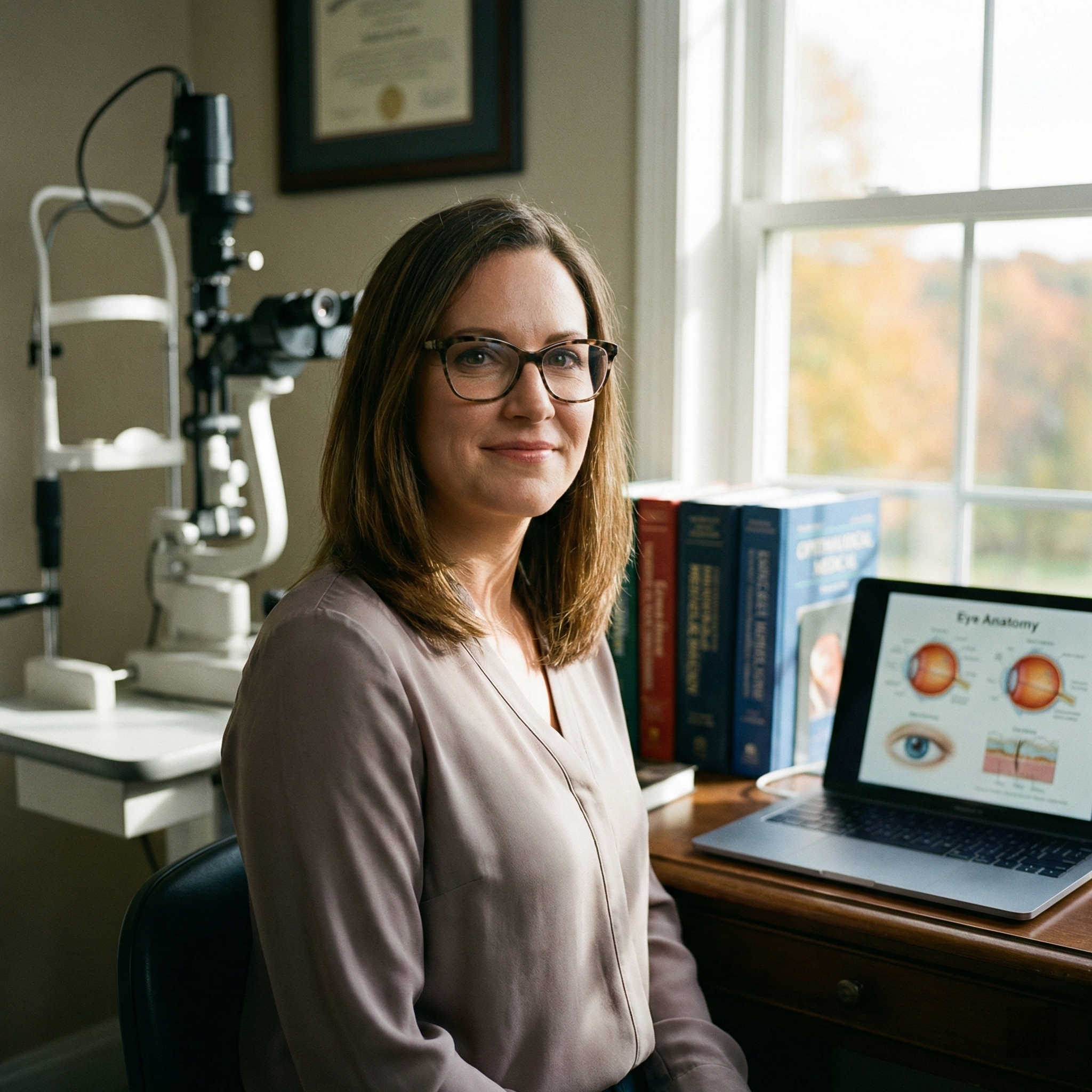
Are you tired of using glasses and contact lenses? LASIK could change your life. But, you need to know the requirements first.
To get LASIK, you must meet certain criteria. These ensure your safety and the success of the surgery. Age, vision stability, corneal health, and overall health are key factors.
Today’s vision care centers offer detailed assessments. They help millions see clearly without glasses or contacts.
Key Takeaways
- Age is a critical factor in determining LASIK eligibility.
- Vision stability is essential for a successful outcome.
- Corneal health plays a significant role in the LASIK qualification process.
- Overall health conditions are evaluated to ensure patient safety.
- A thorough assessment is needed to determine LASIK candidacy.
LASIK Eye Surgery Qualifications Overview
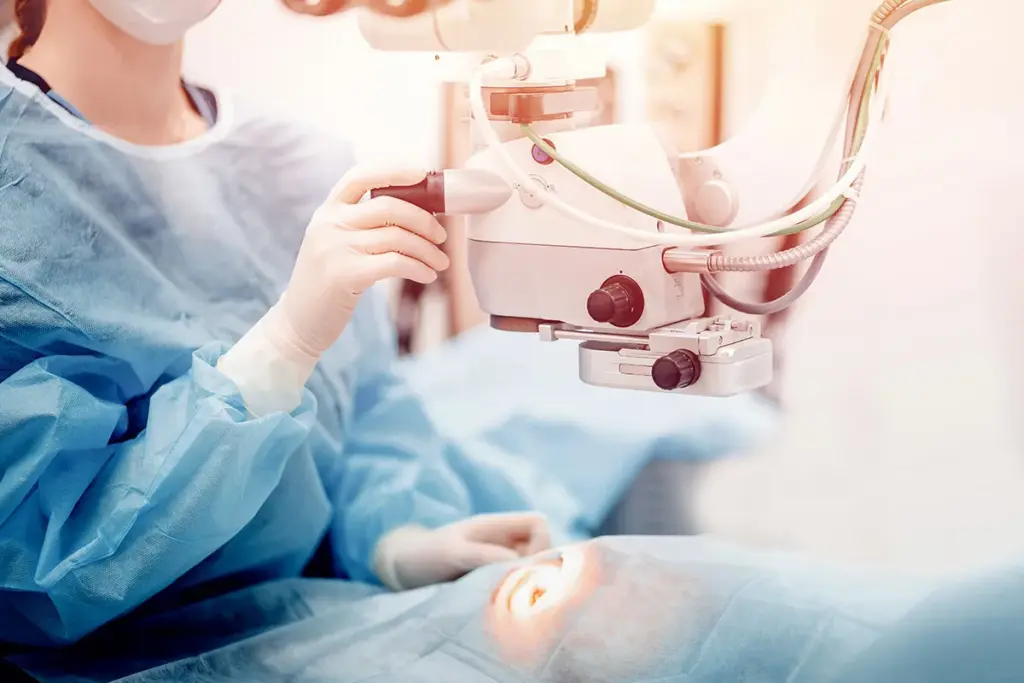
The qualifications for LASIK eye surgery aim to ensure the best results for patients. To qualify, candidates must meet certain criteria. These criteria check if they are a good fit for the surgery.
What is LASIK and Its Success Rate
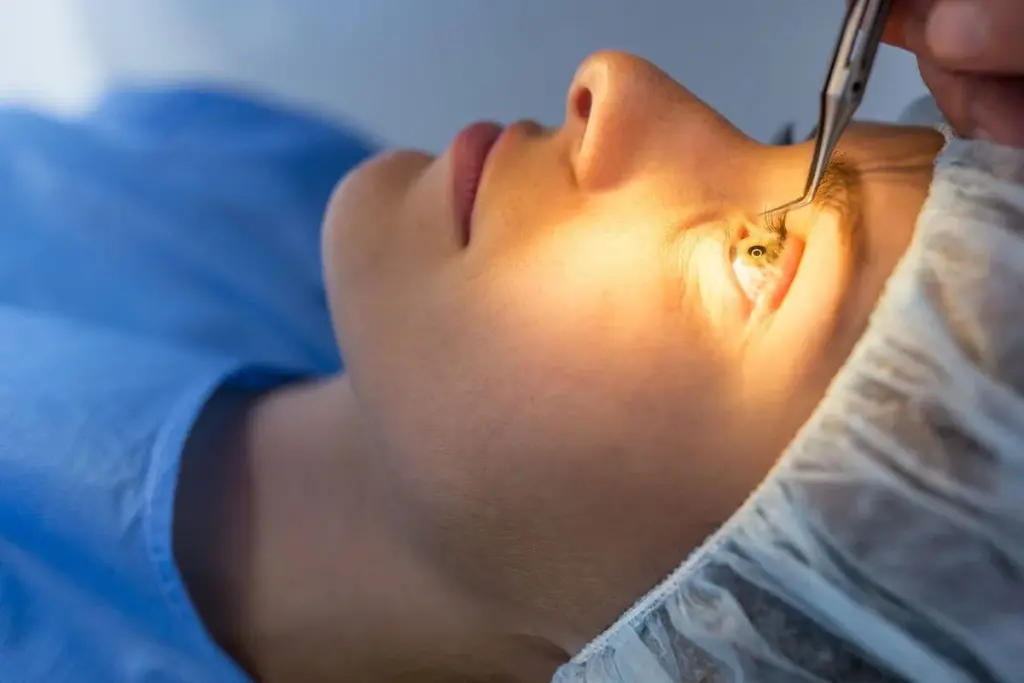
LASIK is a surgery that reshapes the cornea with an excimer laser. It corrects nearsightedness, farsightedness, and astigmatism. The American Academy of Ophthalmology says LASIK works for over 99% of patients, helping them see 20/40 or better.
This success is thanks to better LASIK technology and choosing the right candidates.
Key benefits of LASIK include:
- Quick recovery time
- Minimally invasive procedure
- High success rate in correcting vision
- Potential to reduce or eliminate dependence on glasses or contact lenses
Why Only 15-20% of Candidates Are Ineligible
About 15-20% of people can’t have LASIK. This is because of unstable vision, thin corneas, or eye diseases. It’s important to check if someone is eligible to avoid risks and get the best results.
Eye care experts say, “A successful LASIK outcome depends on the right candidate.” This shows how important it is to carefully check if someone is eligible.
To qualify for LASIK, you must be at least 18 and have a stable vision for a year. You also need a detailed eye exam to check your eye health and corneal thickness.
Age and Vision Stability Requirements
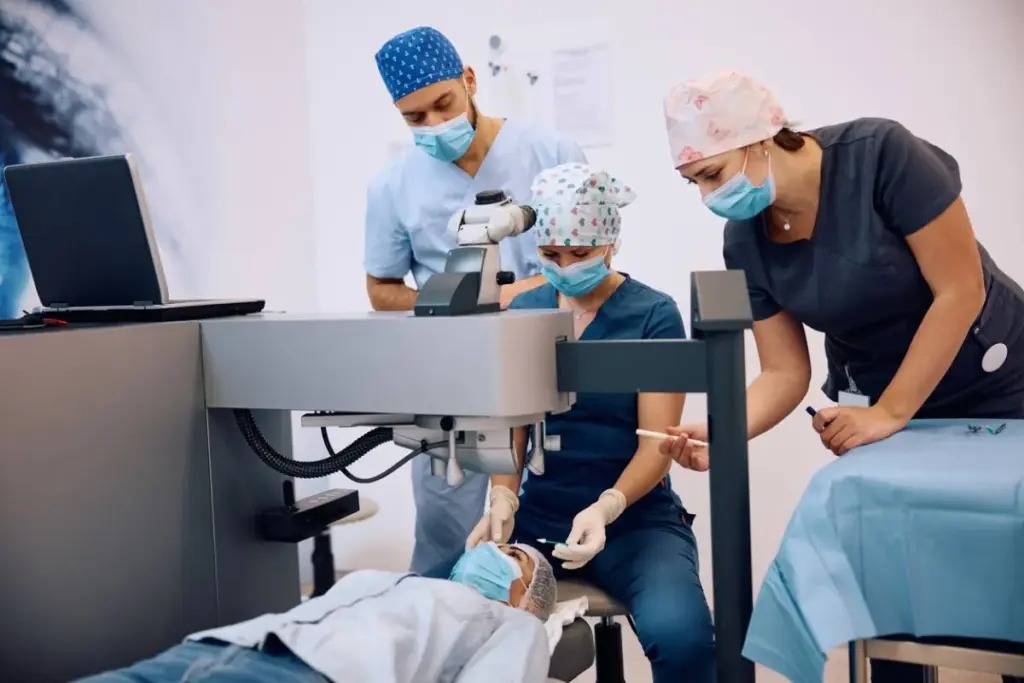
Choosing LASIK surgery depends on age and stable vision. These are key factors for LASIK eligibility.
Minimum Age Requirement of 18+
The FDA says LASIK is okay for those 18 and older. This rule helps because vision changes a lot before 18. Younger patients may not get the best LASIK results.
Recommended Age: Mid-20s and Beyond
Even though 18 is the minimum, doctors often suggest waiting until the mid-20s. This ensures better and longer-lasting LASIK outcomes. By then, your vision is likely stable, lowering the risk of problems.
Prescription Stability for at Least One Year
Stable vision is key for LASIK. You should wait until your prescription hasn’t changed much for a year. This is important for the best LASIK results.
| Age Group | Vision Stability Requirement | LASIK Eligibility |
| 18-24 years | Prescription stable for at least 1 year | Eligible, but may require closer monitoring |
| Mid-20s and beyond | Prescription stable for at least 1 year | Highly eligible |
To wrap it up, while 18 is the minimum LASIK age, waiting until the mid-20s is better. Also, make sure your prescription has been stable for at least a year.
Eye Health and Corneal Requirements
To qualify for LASIK, your eye health and corneal condition are key. The surgery’s success depends on several important eye health aspects.
Corneal Thickness Requirement
Having a cornea of adequate thickness is a major LASIK qualification. The minimum thickness needed for safe LASIK is usually 0.5 millimeters. This ensures the cornea can be reshaped safely.
Medical Expert, a well-known ophthalmologist, says, “A cornea that’s too thin may not handle LASIK well, leading to problems.”
| Corneal Thickness | LASIK Eligibility |
| Less than 0.5mm | Not Eligible |
| 0.5mm or more | Eligible |
Free from Active Eye Disease
Being free from active eye diseases is another important criteria for laser eye surgery. Conditions like keratoconus, cataracts, or chronic dry eye can impact LASIK results. Patients must have healthy eyes, without diseases that could harm the surgery or healing.
Correctable Vision of 20/40 or Better
To be considered for LASIK, you must have vision of 20/40 or better with glasses or contacts. Even with a significant refractive error, you can qualify if your vision can be corrected to an acceptable level.
The American Academy of Ophthalmology says, “LASIK is safe and effective for correcting vision, if patients meet the necessary LASIK eye surgery requirements.”
In summary, to qualify for LASIK, you need to meet certain eye health and corneal requirements. These include adequate corneal thickness, no active eye disease, and correctable vision of 20/40 or better. Knowing these LASIK qualifications helps you see if you’re a good candidate for the procedure.
Conclusion: Determining Your Eligibility for LASIK
To qualify for LASIK eye surgery, several key factors are assessed. These include age, vision stability, corneal health, and overall health conditions. An eye care professional will evaluate these to determine if you’re a good candidate.
People thinking about LASIK need a stable prescription for at least a year. They should also be free from certain eye diseases. To learn more about LASIK eye surgery eligibility, it’s important to talk to an eye care professional.
Understanding how to qualify for LASIK and getting a thorough evaluation can help you decide if it’s right for you. We guide you in making informed choices about your vision correction options. Our team is committed to delivering top-notch healthcare with full support.
FAQ
What are the basic requirements to qualify for LASIK eye surgery?
To qualify for LASIK, you must be at least 18 years old. Your vision prescription should be stable for at least a year. You also need to meet certain health criteria for your cornea and eyes.
Why is age a critical factor in determining eligibility for LASIK?
Age is key because it shows your vision has stopped changing. While you can be 18, experts often suggest waiting until your mid-20s for the best results.
What is the minimum corneal thickness required for LASIK surgery?
The cornea must be at least 0.5 millimeters thick to safely have LASIK surgery.
Can I get LASIK if I have an active eye disease?
No, you must not have any active eye diseases to be eligible for LASIK surgery.
How stable does my vision prescription need to be for LASIK?
Your vision prescription should be stable for at least one year. This ensures your vision isn’t changing too much.
What is the correctable vision requirement for LASIK eligibility?
Your vision must be correctable to 20/40 or better with glasses or contacts to be considered for LASIK.
Are there any other health conditions that could affect my eligibility for LASIK?
Yes, other health conditions can affect your eligibility. A detailed evaluation by an eye care professional is needed to check if you’re suitable.
How do I know if I’m a good candidate for LASIK?
To find out if you’re a good candidate, get a thorough evaluation by an eye care professional. They will check your age, vision stability, corneal health, and overall health.
What is the success rate of LASIK surgery?
LASIK has a high success rate. Most patients see significant improvements in their vision.
What are the prerequisites for undergoing LASIK eye surgery?
Prerequisites include being at least 18 years old and having a stable vision prescription. You also need adequate corneal thickness and no active eye diseases.
Who is eligible for LASIK surgery?
Those who meet the age, vision stability, corneal health, and overall health requirements are eligible for LASIK surgery.
What qualifies someone for LASIK eye surgery?
Meeting specific criteria, like age, vision stability, corneal thickness, and eye health, qualifies someone for LASIK.
References
National Center for Biotechnology Information. Evidence-Based Medical Insight. Retrieved from https://pubmed.ncbi.nlm.nih.gov/11772589/