


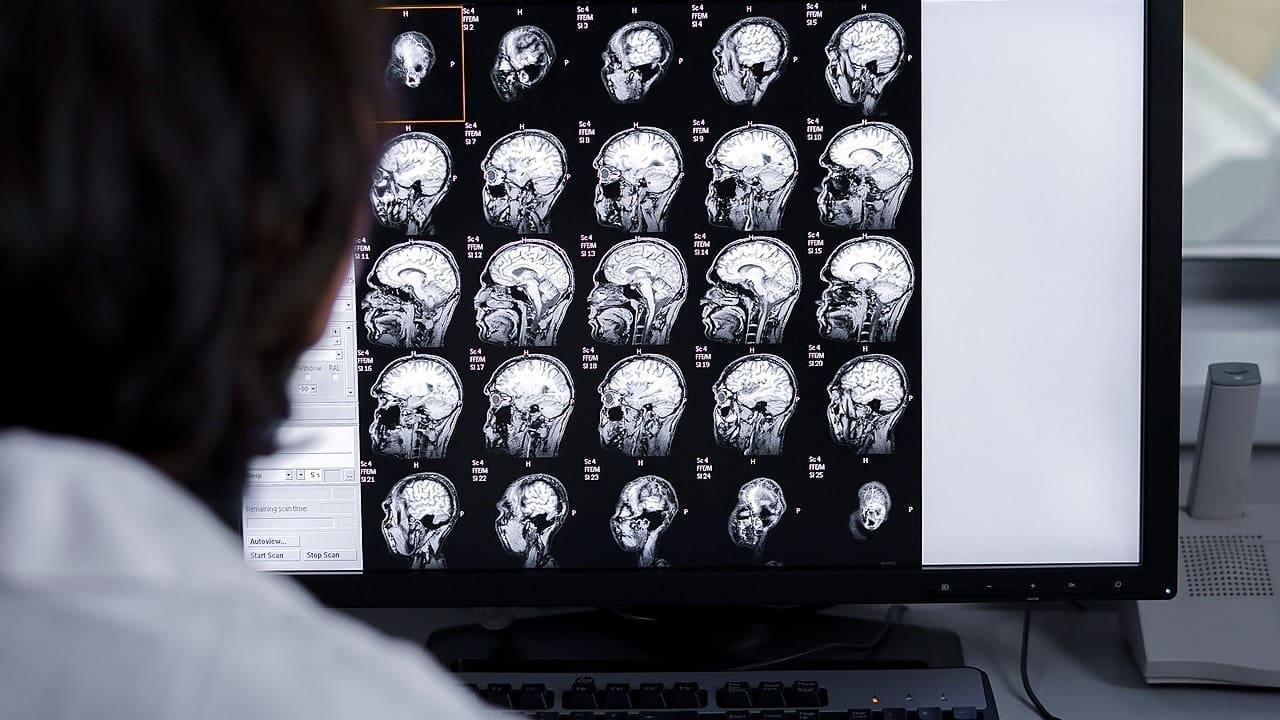
Getting the results of a MRI brain scan can be scary, even more so with abnormal findings. At Liv Hospital, we know how important it is to guide you clearly and with care. Our team is here to help international patients understand their condition and what to do next.
Studies from the Medical Imaging Laboratory show how key MRI is in diagnosing brain issues. We want to help you understand your MRI report. We’ll cover what you might see and why it matters for your diagnosis.
Key Takeaways
- Understanding the basics of MRI brain reports
- Identifying common abnormal findings
- The importance of clinical context in diagnosis
- How Liv Hospital supports patients through the diagnosis process
- Steps to interpreting your MRI brain report
Understanding the Basics of Brain MRI Reports
To understand an MRI report, you need to know how MRI works. Magnetic Resonance Imaging (MRI) is a non-invasive tool. It uses strong magnetic fields and radio waves to show the body’s internal structures, like the brain.
What Is an MRI and How Does It Work?
MRI aligns hydrogen atoms in the body with a strong magnetic field. Then, radio waves disturb these atoms. The signals they send back are used to make images.
Different MRI sequences, like T1 and T2-weighted images, show different contrasts. This helps identify various tissues and any problems.
Standard Sections of an MRI Report
An MRI report has several key sections. The “Findings” section talks about what the images show. The “Impression” section interprets these findings, highlighting the most important points and possible diagnoses.
Knowing the difference between these sections is key to understanding the report.
Common Terminology Used in Reports
MRI reports use technical terms and abbreviations. For example, “hyperintense” or “hypointense” describe the brightness or darkness of images. This shows different tissue characteristics or issues. Knowing these terms helps you understand the report better.
By learning about MRI technology and report structure, patients can better understand their diagnosis and treatment. This knowledge helps patients work more closely with their healthcare providers.
Decoding MRI Report Structure and Terminology
To understand MRI results, knowing the report’s structure and terms is key. We’ll explore the main parts of an MRI report.
The Difference Between “Findings” and “Impression” Sections
The “findings” section lists what the radiologist saw on the MRI images. The “impression” section then explains these findings. It summarizes the radiologist’s final thoughts.
Technical Terms and Abbreviations Explained
MRI reports use technical terms and abbreviations. For example, T1-weighted and T2-weighted are imaging sequences. Knowing these terms helps in understanding the report.
Sequence Types and Their Purposes
There are different MRI sequences for various uses. Here’s a table showing common sequences and their purposes:
| Sequence Type | Purpose |
|---|---|
| T1-weighted | Provides detailed anatomy, useful for detecting lesions and structural abnormalities. |
| T2-weighted | Highlights fluid and edema, making it ideal for identifying inflammation and certain pathologies. |
| FLAIR | Suppresses fluid signal, useful for detecting lesions near CSF spaces. |
| DWI | Sensitive to acute ischemia, critical for stroke diagnosis. |
Understanding MRI report structure and terms helps patients and healthcare providers. They can then better interpret results and make informed decisions.
Normal vs. Abnormal Brain MRI: Key Differences
It’s important to know the difference between normal and abnormal brain MRI results. This helps in making accurate diagnoses and treatments. When looking at brain MRI scans, it’s key to know what’s normal and what might show problems.
Characteristics of Normal Brain Anatomy on MRI
A normal brain MRI shows symmetrical brain parts with clear gray and white matter. The ventricles and sulci are the right size and shape. Normal brain anatomy on MRI is characterized by:
- Symmetrical hemispheres
- Normal ventricular size
- Clear gray-white matter differentiation
Signs That Indicate Abnormalities
Abnormal brain MRI findings can show many changes. These include signal intensity changes, structural asymmetries, or unusual enhancement after contrast. Signs of abnormalities may include:
- Hyperintense or hypointense lesions
- Mass effects or midline shifts
- Abnormal enhancement
Expected Variations vs. Pathological Changes
It’s important to tell apart normal anatomical variations from real problems. Some brain anatomy variations are normal, while others might show a problem. Knowing this helps in accurately reading brain MRI scans.
Healthcare professionals can make better diagnoses and treatment plans by knowing what’s normal and what’s not. This knowledge is key to helping patients.
Recognizing Abnormal MRI of Brain: Visual Indicators
When we look at brain MRI scans, we search for patterns and signs of trouble. It’s key to spot visual clues that show something’s off.
Signal Intensity Abnormalities
On an MRI, trouble can show up as bright or dark spots. Some spots might look too bright, while others too dark. This can mean different health issues.
For example, some brain problems show up as bright spots. Others might look darker.
- Hyperintense lesions in multiple sclerosis
- Hypointense areas indicative of calcification or hemorrhage
Structural Changes and Asymmetries
Changes in brain shape or size can signal trouble. This might include:
- Mass effect causing midline shift
- Atrophy or enlargement of specific brain regions
These changes can point to many health issues. This includes tumors, stroke, or diseases that wear down the brain.
Enhancement Patterns After Contrast
Using a contrast agent can make hidden problems show up. The way things look after adding this agent can tell us a lot.
What Abnormal Results Actually Look Like
Abnormal MRI results can look different based on the problem. For instance, tumors might show up as a mass with mixed signals. Strokes might appear as areas where water can’t move right.
| Abnormality Type | Typical MRI Appearance |
|---|---|
| Tumor | Mass with heterogeneous enhancement |
| Stroke | Area of restricted diffusion |
| Multiple Sclerosis Lesions | Hyperintense lesions on T2-weighted images |
Knowing what to look for in MRI scans is key. It helps doctors spot and treat brain problems accurately.
Step-by-Step Approach to Reading Brain MRI Reports
Reading a brain MRI report needs a step-by-step method for accurate understanding. We’ll show you how to make sense of your MRI results.
Systematic Review Process
Start by looking at the patient information and scan details in the report. Make sure it’s about you and the right scan. Then, check the ‘Findings’ section for the radiologist’s notes. This part might use technical terms.
Comparing with Prior Imaging Studies
Compare the current report with your past MRI scans if you have them. This can show changes or how conditions have progressed. Keep your old scans handy and talk about them with your doctor.
Correlating with Clinical Symptoms
Link the MRI findings with your symptoms. This helps understand the MRI results in the context of your health. Talk to your doctor about how your symptoms match the MRI findings.
Creating a Personal Reference System
Make a personal system to track your MRI reports over time. Keep a folder with your MRI reports. This helps you see how your condition changes and makes better health choices.
Interpreting Common Pathological Findings
Abnormal brain MRI results can show many conditions, like tumors, blood vessel problems, and white matter lesions. It’s key to understand these findings for the right diagnosis and care.
Brain Tumors and Masses
Brain tumors and masses can look different on MRI. We check their size, where they are, and how they look after contrast. Meningiomas grow slowly and show strong contrast. On the other hand, glioblastomas are fast-growing and may have mixed contrast and swelling.
White Matter Lesions
White matter lesions are common in older adults on brain MRI. They can mean different things, like small vessel disease, multiple sclerosis, or migraines. We look at their size, location, and spread to figure out what they might be.
Vascular Abnormalities
Vascular problems on brain MRI include aneurysms, malformations, stenosis, and blockages. It’s important to understand these to manage patient care.
Aneurysms and Vascular Malformations
Aneurysms are seen as blood vessel bulges on MRI angiography. Vascular malformations, like AVMs, have abnormal artery and vein connections.
Vascular Stenosis and Occlusions
Vascular stenosis is when blood vessels narrow. Occlusions are when they block completely. MRI can spot these and help plan treatment.
| Condition | Typical MRI Findings | Clinical Significance |
|---|---|---|
| Brain Tumors | Mass lesion with variable enhancement | Potential for neurological deficits, need for biopsy or treatment |
| White Matter Lesions | Hyperintense lesions on T2-weighted images | May indicate small vessel disease, demyelination, or other conditions |
| Aneurysms | Focal dilatation of blood vessels on MRI angiography | Risk of rupture, possible subarachnoid hemorrhage |
By carefully looking at these common findings on brain MRI, we can make accurate diagnoses. This helps us guide the right treatment for patients.
Understanding Stroke Findings on Brain MRI
When looking at brain MRI reports for stroke, it’s key to know the differences between acute and chronic strokes. To diagnose a stroke on MRI, we use different imaging sequences. This helps us see how big and what type of stroke it is. We’ll explain how to understand these findings, focusing on important details for accurate diagnosis.
Acute vs. Chronic Stroke Appearances
Acute strokes look different on MRI than chronic strokes. Acute ischemic strokes show up bright on Diffusion-Weighted Imaging (DWI), meaning they’re at risk. Chronic strokes might show signs of brain damage on T1 and T2-weighted images. Knowing these differences helps us figure out when and what kind of stroke it is.
Diffusion-Weighted Imaging (DWI) Interpretation
DWI is a key part of stroke MRI, as it spots acute ischemic strokes. Bright spots on DWI and dark on Apparent Diffusion Coefficient (ADC) maps mean acute ischemia. We look for these signs on DWI to find acute strokes. For more on DWI and stroke diagnosis, check out the American Academy of Family Physicians article on stroke diagnosis.
Ischemic vs. Hemorrhagic Changes
Ischemic strokes happen when blood flow to the brain is cut off. Hemorrhagic strokes are caused by bleeding. MRI shows ischemic strokes with changes on T2-weighted images and DWI. Hemorrhagic strokes look different based on the bleeding stage. Knowing these differences is important for the right treatment.
Time-Sensitive Indicators in Stroke MRI
Time is critical in diagnosing strokes. MRI can tell us when the stroke happened. For example, DWI shows acute ischemic strokes. We must look at these signs to make quick treatment decisions.
Neurodegenerative Diseases on MRI
Understanding neurodegenerative diseases through MRI means spotting specific patterns and changes in the brain. Diseases like Alzheimer’s, multiple sclerosis, and Parkinson’s show unique MRI signs. These signs help doctors diagnose and track the diseases.
Alzheimer’s Disease Patterns
Alzheimer’s disease causes a gradual loss of memory and thinking skills. MRI scans show hippocampal atrophy and temporal lobe volume loss. These changes can be measured with volumetric MRI analysis.
Multiple Sclerosis Lesions
Multiple sclerosis (MS) is an autoimmune disease that harms the central nervous system. On MRI, MS lesions look like hyperintense spots on T2-weighted images. They are usually found in the white matter, near the ventricles, or in the spinal cord.
Parkinson’s and Other Movement Disorders
Parkinson’s disease is mainly diagnosed based on symptoms, but MRI can help rule out other causes. Iron deposition in the substantia nigra is visible on susceptibility-weighted imaging. Other movement disorders, like progressive supranuclear palsy, may show midbrain atrophy.
Progressive Changes in Serial MRIs
Serial MRIs are key in tracking neurodegenerative diseases. By comparing scans over time, doctors can see how fast the disease is progressing. This helps guide treatment and predict outcomes.
Questions to Ask Your Doctor About Abnormal MRI Results
Abnormal MRI results can be worrying. But, asking the right questions can help you understand your condition better. It’s important to be informed and ready when talking to your doctor.
Understanding the Clinical Significance
It’s key to understand what your MRI findings mean. Ask your doctor to explain the abnormalities in detail. They should talk about how they might affect your health and if you need to make any lifestyle changes.
Also, find out how serious the findings are. Do they point to a specific condition? Or do you need more tests?
Follow-up Recommendations
Your doctor might suggest follow-up actions based on your MRI results. These could include more imaging tests, seeing specialists, or starting treatment. It’s important to know why these steps are recommended and what to expect next.
When to Seek a Second Opinion
Getting a second opinion might be a good idea if you’re unsure about your diagnosis or treatment. Ask your doctor if they think you should see another expert. They can also guide you on how to do this.
Preparing for Your Consultation
To get the most out of your consultation, prepare your questions in advance. Think about asking about the implications of your MRI results, treatment options, and any possible risks or side effects. Being ready will help you have a more effective conversation with your doctor.
Conclusion: Navigating Your Brain MRI Report with Confidence
Understanding your brain MRI report is key to making smart health choices. We’ve shown you how to read and understand brain MRI results. This includes the basics and common issues found.
Now, you can spot important details and problems in brain MRI reports. Knowing the technical terms in MRI reports is essential. At Liv Hospital, we’re here to help you every step of the way. We offer top-notch care and support for patients from around the world.
With the knowledge from this guide, you can grasp your brain MRI results better. You can talk about them with your doctor. Whether you’re facing unusual MRI results or just want to understand them, we’re here to help.
How do I understand the findings section in my MRI report?
The findings section in your MRI report talks about what your images show. It mentions any oddities found. It’s best to talk to your doctor about this part to grasp its meaning.
What is the difference between “findings” and “impression” in an MRI report?
The “findings” section gives a detailed look at your MRI images. The “impression” section wraps up the main points from these findings. Knowing both parts helps you fully understand your report.
How can I identify abnormal brain MRI results?
Look for signal intensity changes, structural shifts, or contrast enhancement patterns in your MRI report. We show you how to spot these signs.
What are the common pathological findings on brain MRI?
Common issues include brain tumors, white matter lesions, and vascular problems. Our guide explains these conditions and how they appear on MRI.
How do I interpret stroke findings on my brain MRI?
Stroke findings on MRI can show acute or chronic changes. We help you understand the differences and what they mean.
What do MRI results for neurodegenerative diseases look like?
Diseases like Alzheimer’s, multiple sclerosis, and Parkinson’s have unique MRI patterns. Our guide helps you recognize these patterns and their importance.
What questions should I ask my doctor about my abnormal MRI results?
Ask about the findings’ significance, what to do next, and when to get a second opinion. Writing down your questions before your doctor’s visit is a good idea.
How can I prepare for discussing my MRI results with my doctor?
Write down your questions, bring past MRI reports, and be ready to talk about your symptoms and health history. This makes your conversation with your doctor more productive.
Can I get a second opinion on my MRI report?
Yes, getting a second opinion is common, even for complex findings. We can help you get a specialist’s view at Liv Hospital.
How does Liv Hospital support patients with abnormal MRI findings?
Liv Hospital offers full care and support for abnormal MRI findings. Our team works with you to understand your diagnosis, plan treatment, and guide you through your health journey.
References
- UCSF Memory and Aging Center (MRI Visual Read) : https://memory.ucsf.edu/sites/memory.ucsf.edu/files/wysiwyg/MRI_Visual_Read_v1.0.pdf
- RadiologyInfo.org (Brain MRI Report) : https://www.radiologyinfo.org/en/info/article-brain-mri-report
- Radiology Masterclass (MRI System) : https://www.radiologymasterclass.co.uk/tutorials/mri/mri_system
- Geeky Medics (MRI Interpretation Basics) : https://www.geekymedics.com/the-basics-of-mri-interpretation
- PocketHealth (Decoding MRI Report Terminology) : https://www.pockethealth.com/patient-resources/whats-in-my-mri-report-decoding-common-terminology



 Departments
 Related Videos
 Our Doctors
 News
News






















