
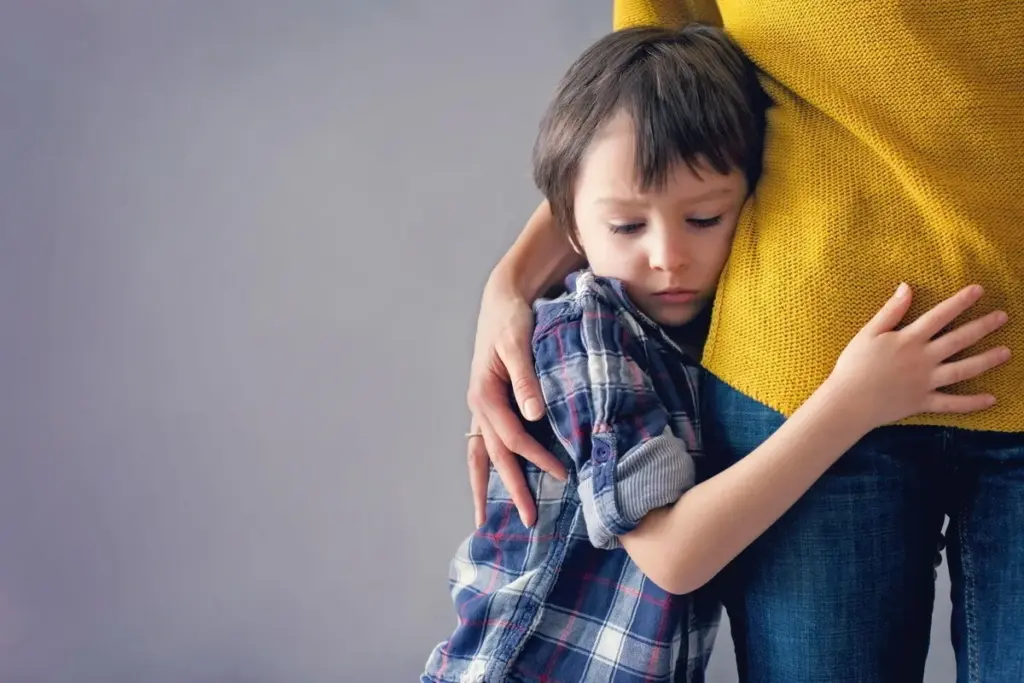
As parents, we often wonder when child anxiety first appears. We also wonder what warning signs to watch for in our young ones. Anxiety disorders affect about one in eight children. They can start as early as preschool years, yet many cases are missed.
It’s important to understand the early signs of anxiety in children at every age. The Medical organization says anxiety in children is a big concern. It affects about 11 percent of kids ages 3-17.
Spotting the signs of child anxiety early is key to helping them. We’ll look at the signs of anxiety in kids at different ages. We’ll also talk about why it’s important to recognize them early.
Key Takeaways
- Anxiety disorders can affect children as young as preschool age.
- Early recognition of anxiety signs is key for timely help.
- Approximately 11 percent of children ages 3-17 are affected by anxiety.
- Knowing the signs at every age is vital.
- Quick support and help can make a big difference.
Understanding Anxiety in Kids
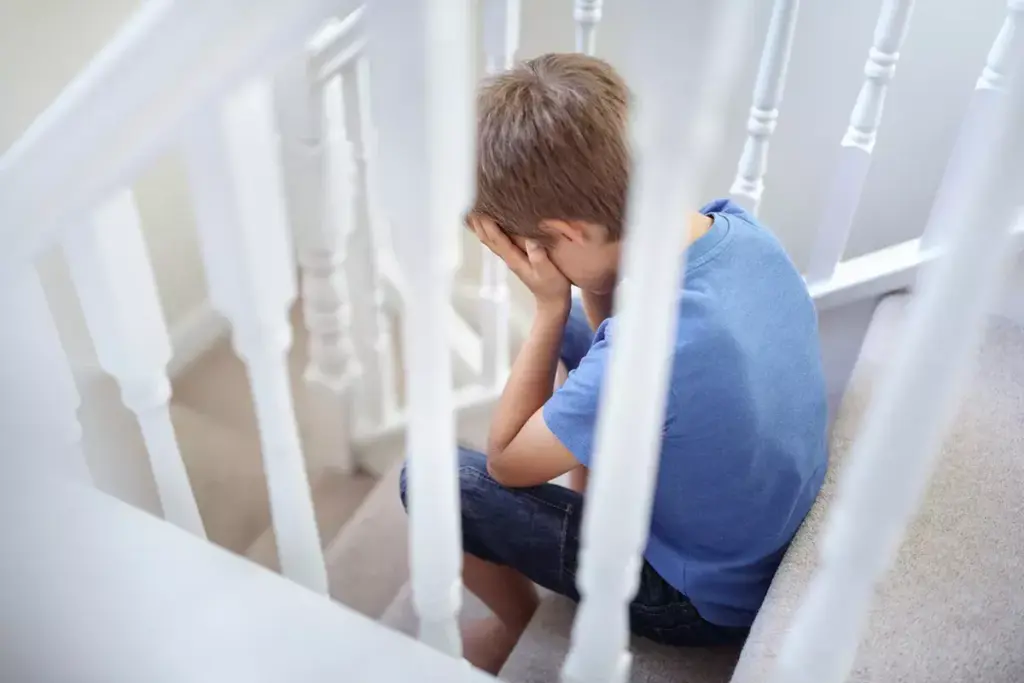
It’s key to understand anxiety in kids for their emotional and mental growth. As caregivers, we must see that anxiety is more than just growing pains. It’s a serious issue that can impact a child’s life in many ways.
What Is Childhood Anxiety?
Childhood anxiety is when kids feel too much fear or worry. It’s not just being a little scared. It’s a condition that can show up in different ways, like separation anxiety, social anxiety, and generalized anxiety. Kids with anxiety might avoid things, be clingy, or get easily upset. This can be hard for both the child and their family.
How Common Is Anxiety in Children?
Anxiety is common in kids. The CDC says about 11 percent of children ages 3-17 have anxiety. This shows how important it is to know about and help with anxiety in young kids. Anxiety can start early, even in preschool, so parents and caregivers need to watch for signs.
For more info on anxiety in kids, check out KidsHealth. It’s a great place for guidance on dealing with anxiety.
When Anxiety Typically Begins
Anxiety can start at different times for different kids. Some might feel anxious as early as age 3, while others might not until later. Things like family history, environment, and life events can affect when and how anxiety shows up. Knowing the signs of anxiety at different ages helps us support kids better.
- Some common signs of anxiety in young children include:
- Excessive crying or tantrums
- Refusal to participate in activities due to fear
- Clinginess or separation anxiety
- Difficulty sleeping or nightmares
Age-Specific Signs of Anxiety in Kids
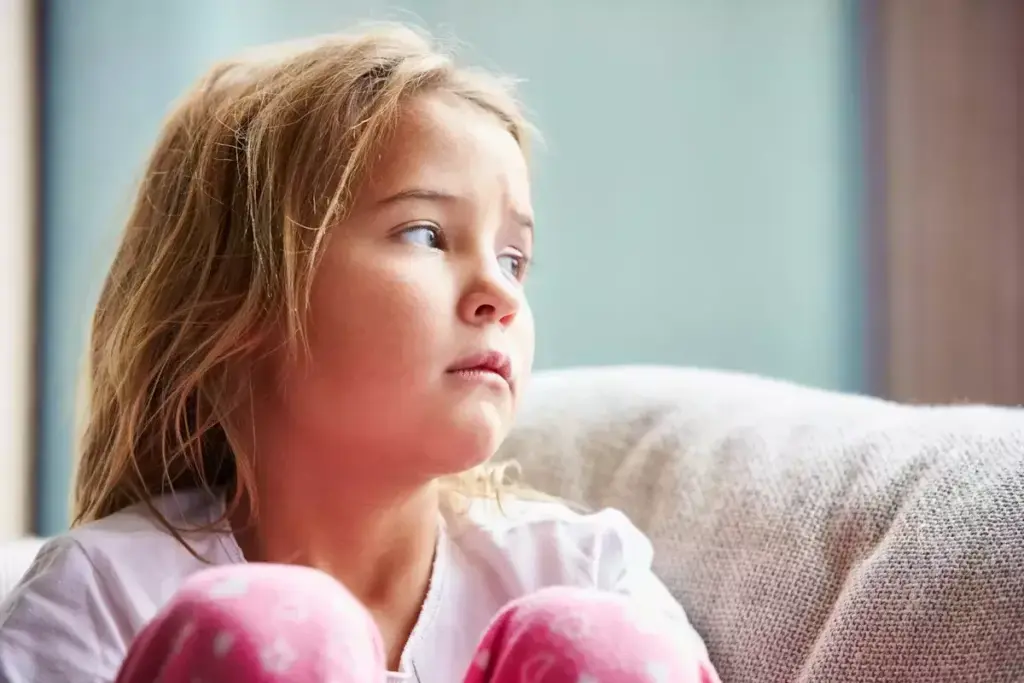
Anxiety shows up in different ways in kids at different ages. It’s important to know how it looks at each stage. This helps us support them better as they grow.
Early Childhood (Ages 3-5)
In early childhood, spotting anxiety can be tough. Young kids often can’t say how they feel. Look out for:
- Frequent tantrums or meltdowns
- Difficulty separating from caregivers
- Excessive worry about safety or events
- Fear of new or unfamiliar situations
For example, a 3-year-old might get upset at daycare. A 4-year-old might want a parent with them at the doctor. Spotting these signs early helps manage 3 year old anxiety.
Elementary School Age (Ages 6-12)
As kids start school, anxiety signs change. They might:
- Complain of physical symptoms like headaches or stomachaches
- Exhibit avoidance behaviors, such as refusing to go to school
- Show signs of restlessness or irritability
- Have difficulty concentrating on tasks
For example, a child with anxiety might often say they have a stomachache on school days. They might get frustrated with homework easily. Knowing these signs helps parents and teachers help them.
| Age Group | Common Signs of Anxiety |
| Early Childhood (3-5) | Tantrums, separation anxiety, excessive worry |
| Elementary School Age (6-12) | Physical complaints, avoidance behaviors, restlessness |
Adolescents (Ages 13-18)
In teens, anxiety can be more complex. It often mixes with the ups and downs of being a teenager. Look for:
- Social withdrawal or avoidance of social situations
- Perfectionism or excessive self-criticism
- Substance use as a coping mechanism
- Significant changes in eating or sleeping patterns
For example, a teen might pull back from activities they used to enjoy. They might be very hard on themselves over small things. Spotting these signs is key to helping them.
Knowing how anxiety looks at different ages helps us help kids. Early help is important for managing anxiety and improving their life.
Conclusion: When and How to Seek Help
Recognizing anxiety in kids is the first step to helping them manage their worries. When anxiety affects a child’s daily life, it’s time to seek professional help. Early treatment can greatly improve a child’s anxiety outcomes.
Cognitive Behavioral Therapy (CBT) is a common and effective treatment for child anxiety. This therapy helps children change their thought patterns. This leads to better ways to cope with anxiety. Early help can make a big difference in a child’s ability to manage anxiety.
If you’re worried about your child’s anxiety, take action. Talk to a healthcare professional about the best steps for your child. They will help you understand the next steps and what treatment involves.
Supporting children with anxiety needs a full approach. Knowing the signs of anxiety helps you support them better. With the right help, children can learn to manage their anxiety and live fulfilling lives.
FAQ
What are the common signs of anxiety in children?
Anxiety in kids shows up in different ways at different ages. Young children might cry a lot, cling to parents, or not want to play. Older kids and teens might have trouble focusing, get easily upset, or avoid certain places or activities.
At what age can anxiety start in children?
Anxiety can start at any age, even in toddlers. Studies show anxiety can be seen in kids as young as 3. About 11 percent of children between 3 and 17 have anxiety.
How common is anxiety in kids?
Anxiety is quite common in children, affecting about 11 percent of kids from 3 to 17. It’s important for parents and caregivers to know the signs to help early.
What are the age-specific signs of anxiety in kids?
Anxiety looks different at different ages. Young kids (3-5) might get really upset when separated or scared of certain things. School-age kids (6-12) might struggle with homework or not want to be around others. Teenagers (13-18) might get moody, irritable, or avoid certain activities.
How can I help my child manage their anxiety?
Helping a child with anxiety involves creating a safe and comforting space. Talk openly with them and teach ways to handle stress. Cognitive-behavioral therapy (CBT) is also a great help for kids with anxiety.
When should I seek professional help for my child’s anxiety?
If your child’s anxiety is really affecting their daily life, get professional help. A mental health expert can help figure out the best way to manage their anxiety.
What treatment options are available for children with anxiety?
Cognitive-behavioral therapy (CBT) is a top choice for kids with anxiety. Other options might include medicine, relaxation methods, or family therapy. A mental health professional can suggest the best treatment for your child.
References
Government Health Resource. Evidence-Based Medical Guidance. Retrieved from https://www.cdc.gov/children-mental-health/data-research/index.html[5