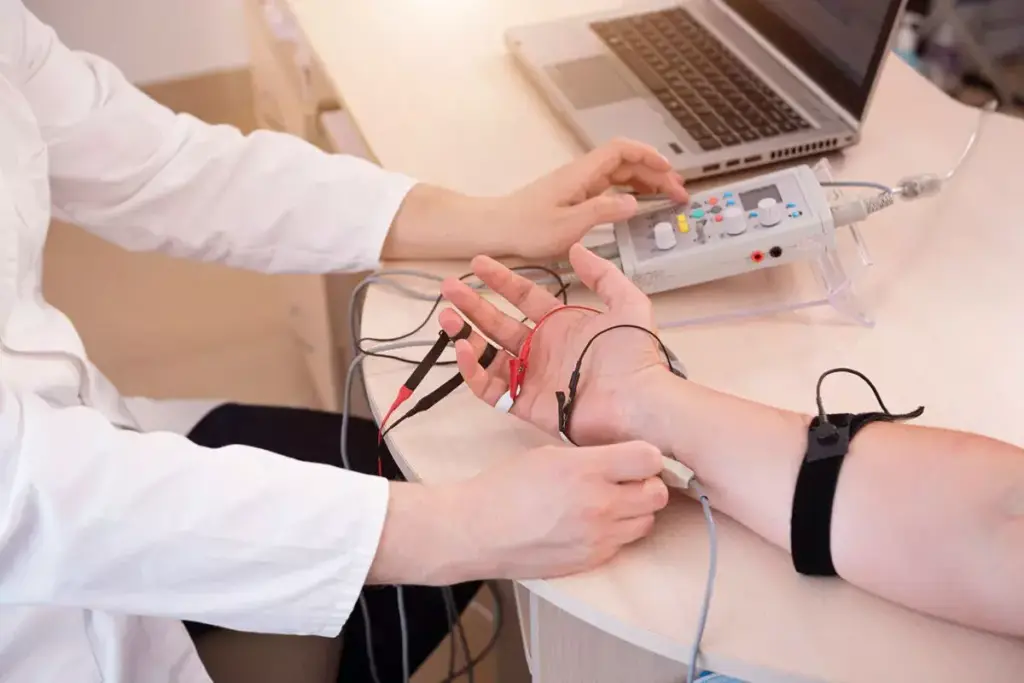
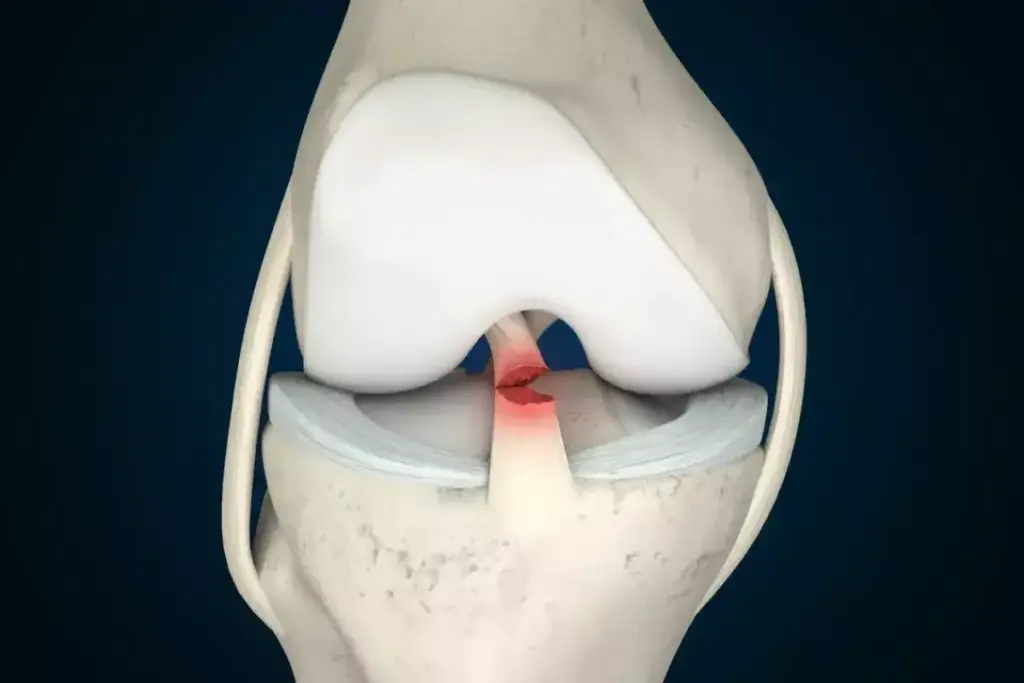
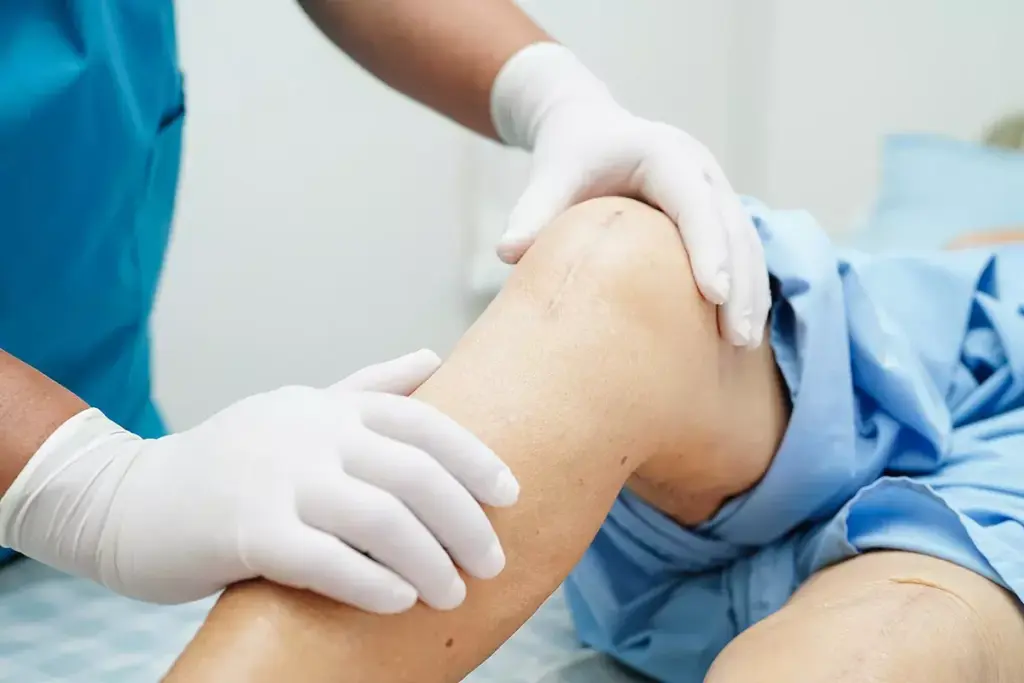
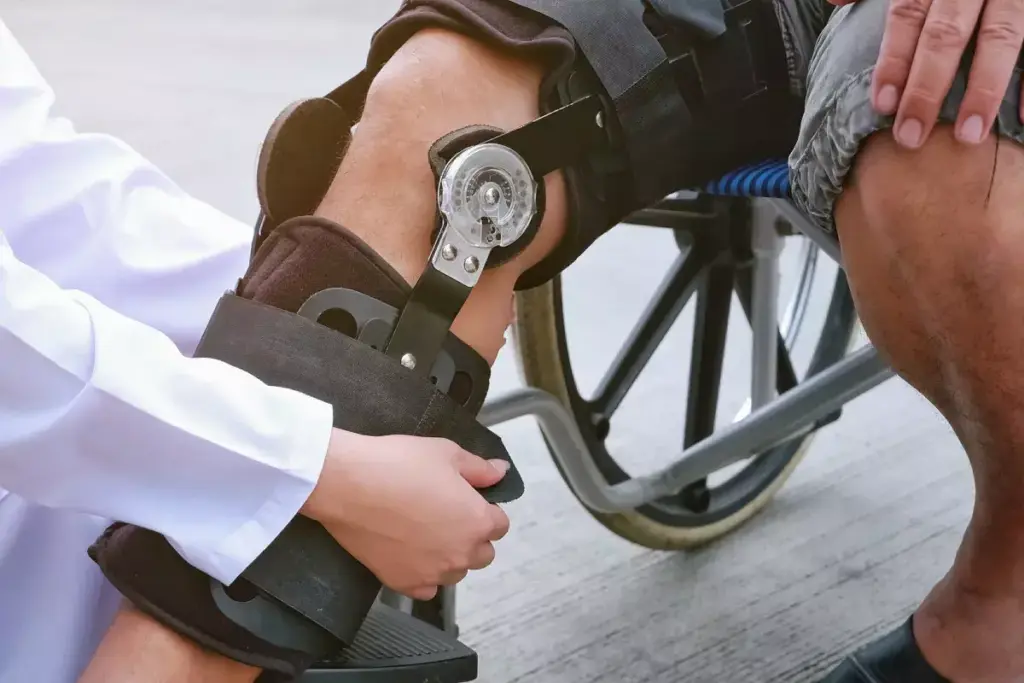
Recovering from cubital tunnel release surgery takes time and understanding. After the cast comes off, usually 2 to 4 weeks later, patients start a new phase. They work on getting their elbow to move and get stronger again.
At Liv Hospital, we help our patients through this important change. We stress how important physical therapy is. It helps them move better and avoid problems. Our team is dedicated to giving our patients the care they need for the best results.
As patients get better, they will see their condition improve slowly. Most people get back to using their elbow fully in 2 to 3 months. Knowing what to expect helps them recover smoothly and well.
Key Takeaways
- Cast removal marks the beginning of active rehabilitation after cubital tunnel release surgery.
- Physical therapy plays a critical role in regaining elbow mobility and strength.
- Recovery timelines vary, but most patients regain full function within 2 to 3 months.
- Liv Hospital provides complete care and support throughout the recovery process.
- Gradual improvement is expected, with a focus on minimizing possible complications.
Understanding Your Recovery Timeline

After cubital tunnel surgery, the cast comes off, and a new recovery phase starts. This is key for getting your arm strong and mobile again.
What to Expect When Your Cast Comes Off
When the cast is off, your arm might look different. The skin could be pale or wrinkly, and muscles weak. This is normal. Start with gentle range of motion exercises to regain flexibility and strength.
Gentle exercises are vital early on. They help avoid stiffness and aid healing. Always stick to the exercises your doctor suggests for the best recovery.
Typical Recovery Milestones Over 2-3 Months
In the next 2-3 months, elbow mobility and strength will improve a lot. Here’s what you can look forward to:
| Timeframe | Recovery Milestones |
| 1-2 weeks post-cast removal | Resume light desk work, start gentle exercises |
| 4-8 weeks | Gradually return to physically demanding jobs, improve strength |
| 3-6 months | Regain full functionality, resume normal activities |
Knowing these milestones helps you plan and stay on track. Also, watch out for signs of trouble like ongoing pain or numbness. If you notice anything odd, talk to your doctor right away.
Managing Your Arm After Cubital Tunnel Surgery Cast Removal
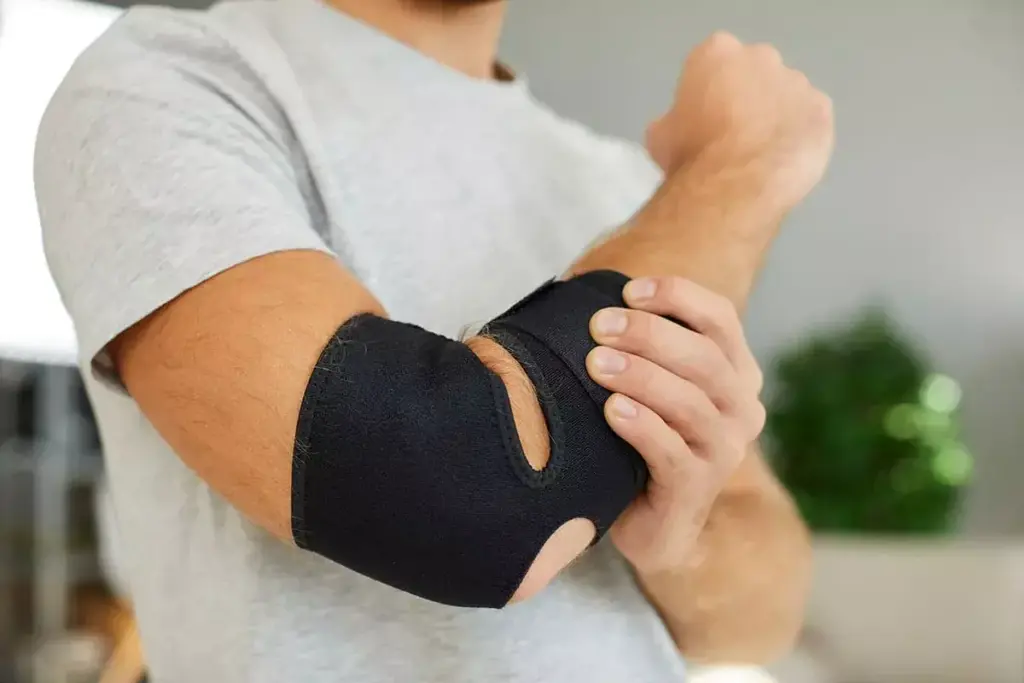
The time after removing the ulnar nerve surgery cast is key. Knowing how to care for your arm can greatly help your recovery. After the cast comes off, focus on several important steps for a smooth recovery.
Proper Wound Care and Scar Management
Keeping the surgical site clean and dry is vital after cubital tunnel syndrome surgery. Wash the area with mild soap and water, then pat it dry. Don’t soak the wound in water until your doctor says it’s okay.
For scar care, use a moisturizing lotion or cream on the scar once it’s healed. This can make the scar look better and keep the tissue flexible. Learn more about wound care after surgery.
Activity Restrictions to Follow
After carpal ulnar tunnel release or left cubital tunnel release surgery, follow certain activity rules. Avoid heavy lifting, bending, or anything that might strain your arm or cause injury.
- Avoid lifting objects heavier than 5 pounds for the first few weeks.
- Refrain from bending your elbow or twisting your arm.
- Limit repetitive motions with your hand or arm.
Warning Signs That Require Medical Attention
Watch for signs of complications after cubital tunnel syndrome surgery. If you notice any of these symptoms, get medical help right away:
- Increased pain or swelling around the surgical site.
- Numbness or tingling in your hand or fingers.
- Redness, warmth, or drainage from the wound, which could indicate infection.
- Weakness in your arm or hand.
Knowing how long you’ll be off work after cubital tunnel surgery is also important. This depends on your job and the surgery type. Usually, people can go back to work in a few weeks. But, talk to your doctor about this.
Rehabilitation Exercises for Optimal Recovery
After cubital tunnel surgery, a mix of exercises is key for recovery. These include gentle movements, strengthening, and nerve exercises. They help restore elbow function, prevent complications, and aid in healing.
Initial Gentle Range of Motion Techniques
We start with gentle elbow movements to avoid stiffness. Gentle flexion and extension exercises are done soon after the cast comes off. Forearm rotation exercises also help keep the elbow flexible and prevent scar tissue.
These exercises should be done slowly and within a safe range. It’s important not to push the joint too hard to avoid injury.
Progressive Strengthening Exercises
As the elbow heals, we move to strengthening exercises. Resistance band exercises help build muscle around the elbow. Weight-bearing exercises improve arm strength.
We increase the intensity of these exercises as the patient gets stronger. Our aim is to build strength without stressing the healing ulnar nerve too much.
Nerve Gliding Exercises for Ulnar Nerve Healing
Nerve gliding exercises help the ulnar nerve heal and move freely. These exercises involve gentle neck, shoulder, and arm movements. They help the nerve glide smoothly through the cubital tunnel.
Adding nerve gliding exercises to the recovery plan can lower nerve entrapment risks. It supports the best recovery after cubital tunnel surgery.
Conclusion: Returning to Normal Life After Surgery
Recovering from cubital tunnel surgery needs a full plan. This includes taking care of the wound, doing exercises, and slowly getting back to daily life. Knowing the recovery time and following the advice helps patients heal well and get back to normal after cubital tunnel release or ulnar release surgery.
Most people can do all their usual activities, like sports and lifting heavy things, by 3 months after surgery. It’s important to be patient and not hurry the healing process after surgery for cubital tunnel syndrome or a trapped nerve in the elbow. The aim of cubital tunnel surgery is to ease symptoms and help patients move freely again.
Following the exercises and activity limits in this article helps patients recover smoothly. We suggest patients work with their healthcare team to create a recovery plan that fits their needs after cubital tunnel surgery or ulnar release surgery.
FAQ
How long do I need to wear a cast or splint after cubital tunnel release surgery?
You’ll usually wear a cast or splint for 2 to 4 weeks. This helps keep the elbow joint stable. It also reduces movement that could harm the ulnar nerve.
What can I expect when my cast is removed after cubital tunnel surgery?
Once the cast is off, you’ll start doing gentle exercises. These exercises help you move your elbow again. You’ll also begin to do more activities as your strength comes back.
How long does it take to recover from cubital tunnel surgery?
It takes about 2-3 months to see big improvements in your elbow. But, it might take longer to fully recover.
What are the typical milestones during the recovery period after cubital tunnel surgery?
You’ll slowly get your elbow mobility and strength back. Your doctor will tell you what to expect and when. They’ll also guide you on when you can start doing normal things again.
How do I manage my wound and scar after cubital tunnel surgery?
Taking care of your wound and scar is very important. It helps them heal right and avoids problems. Always follow what your doctor says about caring for your wound and scar.
What activity restrictions should I follow after cubital tunnel surgery?
You should avoid activities that put too much stress on the surgery area. Your doctor will tell you which activities to avoid during your recovery.
What are the warning signs that require medical attention after cubital tunnel surgery?
Look out for signs like more pain, swelling, or numbness. If you notice these, call your doctor right away.
What rehabilitation exercises are recommended after cubital tunnel surgery?
Start with gentle exercises to move your elbow. Then, do strengthening exercises and nerve gliding exercises. These help your nerve heal and improve your elbow’s strength and mobility.
How long do I need to be off work after cubital tunnel surgery?
How long you’re off work depends on your job and how big the surgery was. Talk to your doctor for advice that fits your situation.
Can I perform nerve gliding exercises on my own after cubital tunnel surgery?
It’s best to do nerve gliding exercises with a doctor’s help. They can show you the right way to do them and check on your progress.