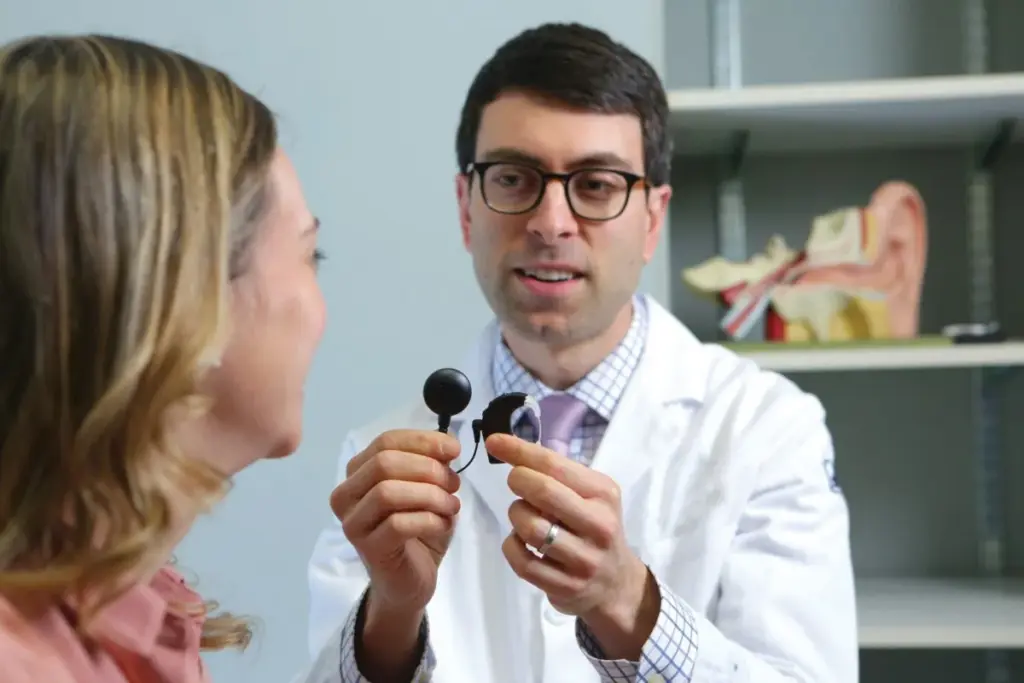
Recovering from cochlear implant surgery needs careful planning and following post-surgery care. The first healing period can be tough, but with the right care, most people can get back to normal in a few weeks.
The first days after surgery are key. Patients might feel some pain, swelling, and dizziness. By sticking to a recovery plan, you can reduce discomfort and have a smoother recovery. Usually, it takes 3 to 6 weeks before the device is turned on.
Key Takeaways
- Recovery from cochlear implant surgery involves a healing period of 3 to 6 weeks.
- Patients may experience minor discomfort, swelling, or dizziness post-surgery.
- Following a structured recovery plan can minimize discomfort.
- Most patients can resume normal activities within a few weeks.
- Proper wound care is essential for successful healing.
What to Expect After Cochlear Implant Surgery: The First Week

The first week after cochlear implant surgery is very important. It’s a time when patients need to watch out for side effects. They might feel different sensations and symptoms that are part of getting better.
Managing Pain and Discomfort
Right after surgery, some people might feel pain or headaches. It’s good to follow a pain plan given by your doctor. Taking the medicine as told helps keep you comfortable.
Common Side Effects and Their Management
| Side Effect | Management Tip |
| Pain | Take prescribed pain medication as directed |
| Headaches | Rest and stay hydrated |
| Dizziness | Move slowly and avoid sudden changes in position |
Bandage Care and Initial Healing
Keeping the bandage clean and dry is key in the early healing stages. Your healthcare team will give you specific instructions. Changing the bandage as told helps with healing and prevents infection.
Dealing with Dizziness and Ear Sensations
Feeling dizzy or having ear sensations like tinnitus is common. These feelings usually go away on their own. To feel better, move slowly and avoid heavy lifting. If dizziness lasts, talk to your doctor.
Knowing what to expect in the first week helps patients manage their recovery. It’s a time for patience, watching symptoms, and following care instructions.
The Recovery Timeline: Weeks 1-6
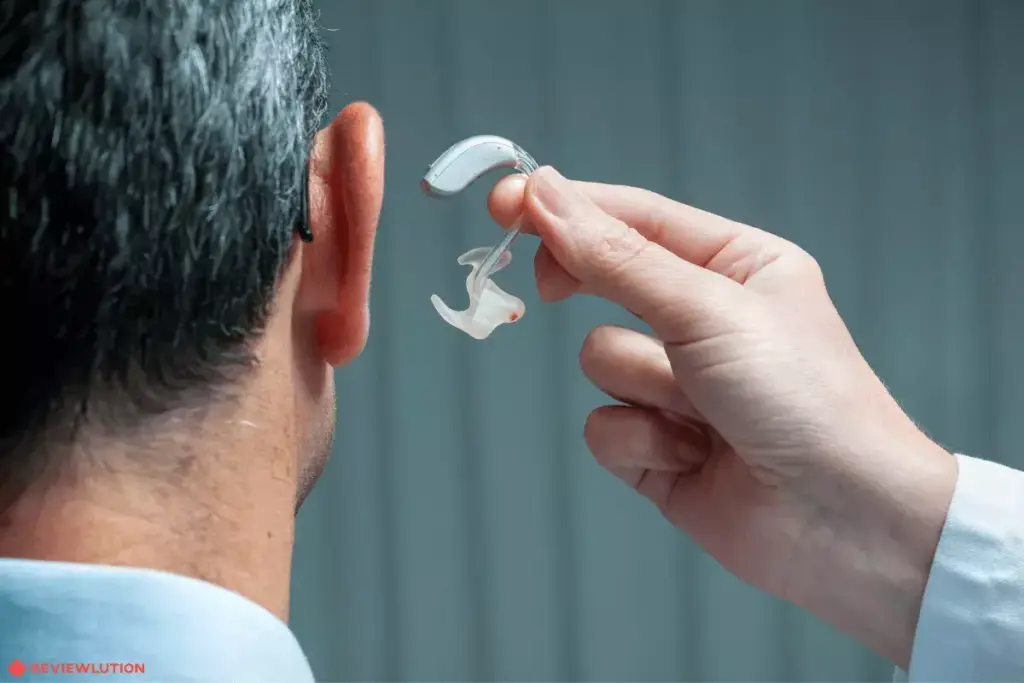
After cochlear implant surgery, knowing what to expect in the first six weeks is key. Each stage of recovery has its own challenges. Understanding these can help you manage your recovery better.
Week 1-2: Initial Healing Phase
The first two weeks are all about healing. You might feel pain, swelling, and discomfort. It’s important to keep the incision clean and dry. Most stitches dissolve on their own, so you won’t need to get them removed.
Key Care Tips for Weeks 1-2:
- Keep the incision site clean and dry
- Avoid heavy lifting or bending
- Follow your doctor’s instructions for pain management
A medical expert says, “Proper wound care is key in the first healing phase. It prevents infection and helps healing.”
– Medical Expert, ENT Specialist
Weeks 3-5: Managing Swelling and Scar Formation
Weeks 3-5 focus on managing swelling and scar formation. The scar behind your ear will fade and be hidden by hair. Keeping it clean and following your doctor’s scar care advice can help it look less noticeable.
| Week | Expected Symptoms | Care Recommendations |
| 3-4 | Swelling reduces, scar starts to form | Continue gentle scar care, massage if advised |
| 4-5 | Scar becomes less noticeable | Maintain good hygiene, follow-up with your doctor |
Week 6 and Beyond: Preparing for Device Activation
By week 6, you’re ready to prepare for device activation. This involves tests and adjustments to make sure the implant works well. Being patient and cooperative during this time is important for the best results.
When you can wash your hair after surgery, do it carefully. Wait until your doctor says it’s okay, usually 7-10 days after. Use gentle shampoo and avoid water on the incision site.
Recovering from cochlear implant surgery takes patience and following your doctor’s advice. Knowing the recovery timeline and following care guidelines ensures a successful recovery and the best performance of your implant.
Essential Post-Surgery Care Instructions
To avoid problems after cochlear implant surgery, it’s key to follow certain care steps. We give detailed instructions to help you recover well and smoothly.
Sleeping with Elevated Head Positioning
It’s important to sleep with your head up to reduce swelling. Use several pillows to keep your head higher than your heart. This helps reduce pain and aids in healing.
Safe Hair Washing Techniques
When washing your hair after surgery, be careful to keep water out of your ear. Avoid getting your head wet until the wound is fully healed. Clean around the surgery area gently without getting it wet.
Activity Restrictions and Exercise Limitations
After surgery, avoid hard activities that might harm the implant or the wound. Limit exercise and heavy lifting for a few weeks. Start doing normal activities again when your doctor says it’s okay.
| Activity | Recommended Post-Surgery Timeline |
| Light walking | Immediately after surgery |
| Moderate exercise (e.g., cycling) | 3-4 weeks post-surgery |
| Strenuous exercise (e.g., running, heavy lifting) | 6 weeks post-surgery |
When to Contact Your Doctor
Knowing when to call your doctor is important after surgery. Contact them right away if you have more pain, swelling, redness, or any odd symptoms. We’re here to help you through your recovery.
Key signs to watch for:
- Increased pain or swelling
- Redness or discharge around the surgical site
- Fever or chills
- Unusual or concerning symptoms
By following these care tips and talking often with your healthcare team, you can have a good recovery from cochlear implant surgery.
Conclusion: Ensuring a Successful Cochlear Implant Recovery
Recovering well from cochlear implant surgery means following care instructions and getting ready for rehab. Most people can go back to light work and daily tasks in 1-2 weeks. It’s key to practice and be patient during the rehab process.
Regular visits to the audiologist and doing auditory training exercises are important. This helps in getting the most out of your implant. Knowing about long-term side effects of cochlear implants is also helpful. Also, check with your doctor about flying after surgery.
By sticking to the recovery guidelines and being aware of the timeline, patients can have a smooth recovery. We support our patients from the start of recovery to beyond device activation. We offer full care and guidance every step of the way.
FAQ:
What can I expect during the first few days after cochlear implant surgery?
During the first few days, you can expect to feel a significant amount of fatigue as your body recovers from the general anesthesia and the surgical procedure. It is common to experience a sensation of fullness or “popping” in the operated ear, similar to being on an airplane, along with some mild swelling and bruising behind the ear. You will likely wear a bulky pressure dressing for the first 24 to 48 hours to minimize this swelling and protect the incision site while it begins the initial stage of healing.
How long does it take to recover from cochlear implant surgery?
Most patients find that the acute recovery phase lasts about one to two weeks, which is when the majority of surgical soreness and swelling subsides. While you may feel well enough to return to work or school within 7 to 10 days, full internal healing of the bone and tissue typically takes about three to five weeks. It is important to remember that physical recovery is separate from hearing recovery, as you will not actually use the device until it is activated by an audiologist roughly a month after the surgery.
How do I manage pain and discomfort after cochlear implant surgery?
Pain is usually manageable with over-the-counter medications like acetaminophen or ibuprofen, although your surgeon may provide a prescription for stronger pain relief for the first day or two. Keeping your head elevated with extra pillows while you sleep can significantly reduce throbbing and pressure at the surgical site. Additionally, avoiding sudden movements and ensuring you stay hydrated will help minimize the overall sense of discomfort and help your body process the remaining effects of the anesthesia.
When can I wash my hair after cochlear implant surgery?
Most surgeons advise waiting at least 48 to 72 hours before washing your hair, and even then, you must be extremely careful to keep the incision site dry. Once you are cleared to wash, you should use a gentle, fragrance-free shampoo and avoid rubbing or spraying water directly onto the area behind the ear. Many patients find it easiest to have someone help them wash their hair over a sink or to use a handheld showerhead to ensure the surgical dressing and incision remain undisturbed and moisture-free.
What are the long-term side effects of cochlear implants?
Long-term side effects are rare, but some users may experience persistent tinnitus or a minor change in their sense of taste on one side of the tongue due to the proximity of the taste nerve to the surgical site. There is also a small risk of the internal magnet causing skin irritation if the external processor is worn too tightly for long periods. Additionally, because the implant is an electronic device, users must be aware of certain restrictions regarding strong magnetic fields, such as those found in specific industrial environments or during certain types of MRI scans.
How soon can I fly after cochlear implant surgery?
Most surgeons recommend waiting at least two to three weeks before flying to ensure that the middle ear has had enough time to heal and that any trapped air or fluid has resolved. Changes in cabin pressure can be uncomfortable or potentially interfere with the healing process if the Eustachian tube is not yet functioning normally after surgery. It is always best to get a specific clearance from your surgical team before booking a flight, as they will evaluate your individual healing progress during your first follow-up appointment.
What are the activity restrictions after cochlear implant surgery?
For the first three to four weeks, you should avoid strenuous physical activities, heavy lifting, and any exercise that involves bending your head below your waist. These restrictions are in place to prevent increased blood pressure in the head, which can lead to bleeding or shifting of the internal implant. Activities that involve a high risk of head impact, such as contact sports, should be avoided for a longer period, and you should consult your doctor about when it is safe to resume swimming or diving.
How do I care for my cochlear implant scar?
Once the initial dressing is removed and the incision is closed, you should keep the area clean and dry, following your surgeon’s instructions regarding any topical ointments. After the sutures are removed or dissolved and the wound is fully closed, you can gently massage the scar with vitamin E oil or a silicone-based scar gel to help soften the tissue and improve the aesthetic outcome. Protecting the scar from direct sunlight with a hat or high-SPF sunscreen for the first year is also vital to prevent permanent darkening or discoloration of the skin.
What should I do if I experience dizziness or ear sensations after cochlear implant surgery?
If you experience dizziness or vertigo, the best course of action is to rest with your head elevated and avoid any sudden movements or bright lights. These sensations are usually temporary and occur because the inner ear balance system was stimulated during the electrode insertion. Most cases of post-surgical dizziness resolve on their own within a few days, but you should move cautiously to prevent falls and use any anti-nausea medication your doctor may have provided for this purpose.
When should I contact my doctor after cochlear implant surgery?
You should contact your surgical team immediately if you notice signs of infection, such as increased redness, warmth, or foul-smelling drainage from the incision site. Other warning signs include a fever over 101°F (38.3°C), severe or worsening dizziness, or a sudden, intense headache that does not respond to pain medication. It is also important to call if you experience any facial weakness or if you notice that the swelling behind your ear is increasing significantly rather than going down over time.
References:
National Center for Biotechnology Information. Evidence-Based Medical Insight. Retrieved from https://pubmed.ncbi.nlm.nih.gov/28455735/