

Recovering from cubital tunnel surgery needs patience and knowing what to expect. The ulnar nerve release surgery helps relieve pressure on the ulnar nerve. This nerve controls movement and feeling in the ring and little fingers.
Knowing the recovery timeline is key for setting realistic goals. Usually, it takes 2 to 3 months to fully recover. But, this time can change based on your health and the surgery’s complexity.
Understanding each stage of recovery helps patients prepare better. We’ll walk you through the recovery process. We’ll share tips to help you recover smoothly and successfully.
Key Takeaways
- Recovery from cubital tunnel release surgery typically takes 2 to 3 months.
- Patients are advised to elevate their arm above the heart for 24 to 48 hours post-surgery.
- Wearing a splint on the elbow for a few weeks can aid in healing.
- Moving fingers and applying an ice pack can help prevent swelling and stiffness.
- Most everyday activities can be resumed soon after surgery, following physician guidance.
Understanding Cubital Tunnel Surgery Recovery Time
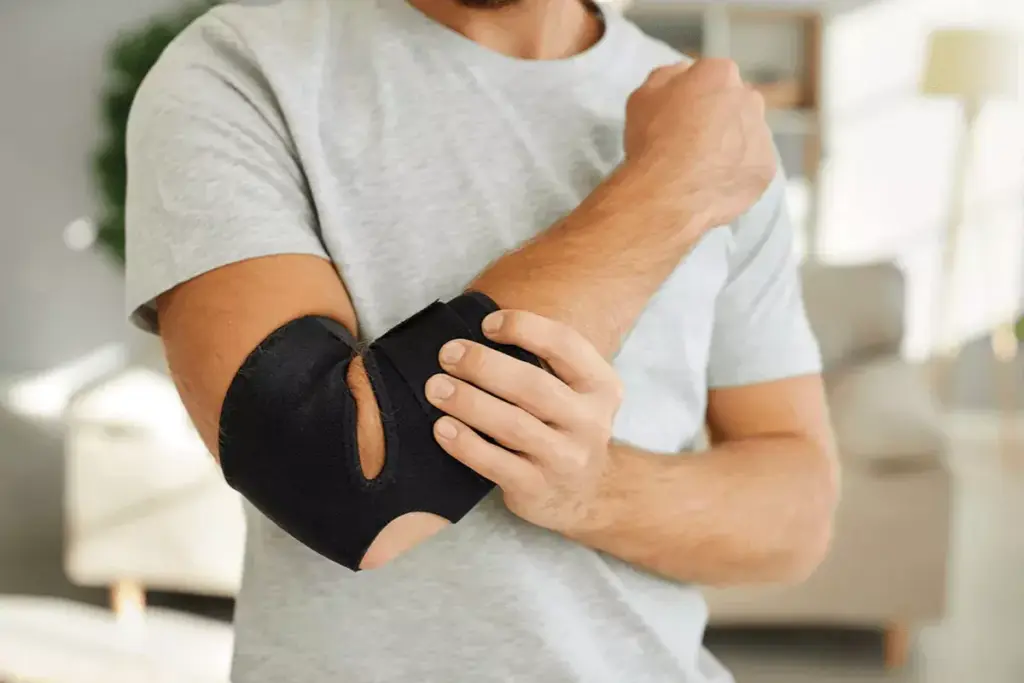
Knowing how long it takes to recover from cubital tunnel surgery is key for patients. This surgery is for cubital tunnel syndrome, which happens when the ulnar nerve gets compressed at the elbow. This can cause numbness, tingling, and weakness in the hand and fingers. The recovery time depends on how bad the condition is and the surgery type.
What Is Cubital Tunnel Syndrome?
Cubital tunnel syndrome happens when the ulnar nerve gets compressed or irritated at the elbow. This can be due to bending the elbow a lot, hitting the elbow, or doing the same thing over and over. Symptoms include numbness or tingling in the ring and little fingers, hand weakness, and elbow or forearm pain.
Types of Surgical Procedures
There are different ways to treat cubital tunnel syndrome through surgery, including:
- Simple Decompression: This method releases pressure on the ulnar nerve by cutting the tissue that’s compressing it.
- Ulnar Nerve Transposition: This procedure moves the ulnar nerve to a new spot to ease tension and compression.
- Medial Epicondylectomy: This involves removing part of the medial epicondyle to lessen pressure on the ulnar nerve.
Factors Affecting Recovery Duration
Several things can affect how long it takes to recover from cubital tunnel surgery, including:
| Factor | Description | Impact on Recovery |
| Severity of Condition | The extent of nerve damage and symptoms before surgery. | More severe cases may need longer recovery times. |
| Type of Surgery | The specific surgical technique used. | Some procedures may have shorter recovery times than others. |
| Patient Health | The overall health and age of the patient. | Patients with underlying health issues may have longer recovery times. |
General Recovery Timeline Overview
Recovery times can vary, but here’s a general idea. Right after surgery, patients might feel pain and swelling, which usually goes away in a few weeks. Most people can get back to normal activities in 3-6 months. But, full recovery, including nerve regeneration, can take up to a year or more in some cases.
Recovery Phases and Practical Management

Understanding the recovery journey after cubital tunnel surgery is key. It involves knowing the different phases and how to manage them. Each person’s recovery is unique, but it generally goes through several stages.
Immediate Post-Surgery Phase (0-2 Weeks)
The first few weeks after surgery are critical. Your arm will be in a splint or cast to protect the nerve. Keeping your arm up and following your doctor’s pain advice is important.
Key aspects of this phase include:
- Resting the arm and avoiding heavy lifting or bending
- Managing pain through medication and other recommended methods
- Monitoring for signs of complications, such as infection or nerve damage
Early Recovery Phase (2-6 Weeks)
As healing starts, you’ll begin to move and strengthen your arm. Physical therapy may start to help with motion and strength. It’s important to stick to your physical therapy plan.
Practical tips for this phase:
- Gradually increasing activity levels as comfort allows
- Engaging in physical therapy exercises as directed
- Continuing to manage pain and discomfort
Advanced Recovery Phase (6 Weeks-3 Months)
In the advanced phase, you’ll see big improvements. Your exercises will get tougher, and you can do more normal things. Keep up with physical therapy and increase exercise intensity.
| Activity | Week 6-8 | Week 8-12 |
| Physical Therapy | 2-3 times a week | 1-2 times a week |
| Strengthening Exercises | Moderate intensity | High intensity |
| Return to Work | Discuss with healthcare provider | Typically resume normal duties |
Long-Term Nerve Healing (3-18 Months)
The final stage is long-term nerve healing, which can last up to 18 months. You’ll see more improvements in feeling and strength. Patience and sticking to therapy or exercises is vital.
Remember, nerve recovery is slow, and some symptoms may stay.
Conclusion: Keys to Successful Recovery
Recovering from cubital tunnel surgery needs a deep understanding of the process. Following post-operative instructions is key. Whether it’s a left or right cubital tunnel release, several factors are important for recovery.
Good post-operative care and rehabilitation are essential. Patients with cubital surgery, including elbow surgery for carpal tunnel, must know what affects their recovery. Taking the right steps is vital for a successful outcome.
Knowing the recovery timeline and following rehabilitation plans helps patients get the best results. This is very important for those who had a trapped nerve in elbow surgery. Proper care can greatly improve long-term nerve healing.
We stress the need for patience and sticking to rehabilitation plans for the best results. By using the information given, patients can manage their recovery well. This helps them regain full functionality.
FAQ
What is cubital tunnel release recovery like?
Recovery from cubital tunnel release involves rest, physical therapy, and rehabilitation. It helps regain arm and hand strength and flexibility. The recovery time varies based on the condition’s severity and the surgery type.
How long does it take to recover from ulnar release surgery?
Recovery from ulnar release surgery can take weeks to months. Most patients can get back to normal activities in 3-6 months. But, full recovery might take up to a year or more.
What are the benefits of cubital tunnel surgery?
Surgery can greatly relieve symptoms like numbness, tingling, and pain in the hand and arm. It releases pressure on the ulnar nerve, improving nerve function and hand/arm function.
How long do I need to wear a cast after cubital tunnel surgery?
The need for a cast after surgery depends on the procedure and the surgeon’s advice. Some may need a cast to heal, while others might not.
Can I return to work after cubital tunnel surgery?
Time off work after surgery varies based on the job and recovery. Most patients need several weeks off. But, it depends on the specific situation.
What is the difference between cubital tunnel release and ulnar nerve transposition?
Both are surgical treatments for cubital tunnel syndrome. Cubital tunnel release releases tissue pressure on the nerve. Ulnar nerve transposition moves the nerve to reduce pressure.
How long does it take for the ulnar nerve to heal after surgery?
Healing time for the ulnar nerve after surgery varies. It depends on the condition’s severity and the surgery type. Generally, it takes several months to a year or more.
What are the risks and complications associated with cubital tunnel surgery?
Surgery carries risks like infection, nerve damage, and scarring. Following post-operative care and rehabilitation can minimize these risks.
Can physical therapy help with cubital tunnel syndrome recovery?
Yes, physical therapy is key in recovery. It helps regain arm and hand strength and promotes nerve healing and reduces scar tissue.
How can I manage pain after cubital tunnel surgery?
Pain management involves medication, rest, and rehabilitation. Working with a healthcare provider can help create a personalized pain management plan.
References
National Center for Biotechnology Information. Evidence-Based Medical Insight. Retrieved from https://pubmed.ncbi.nlm.nih.gov/29079193/