
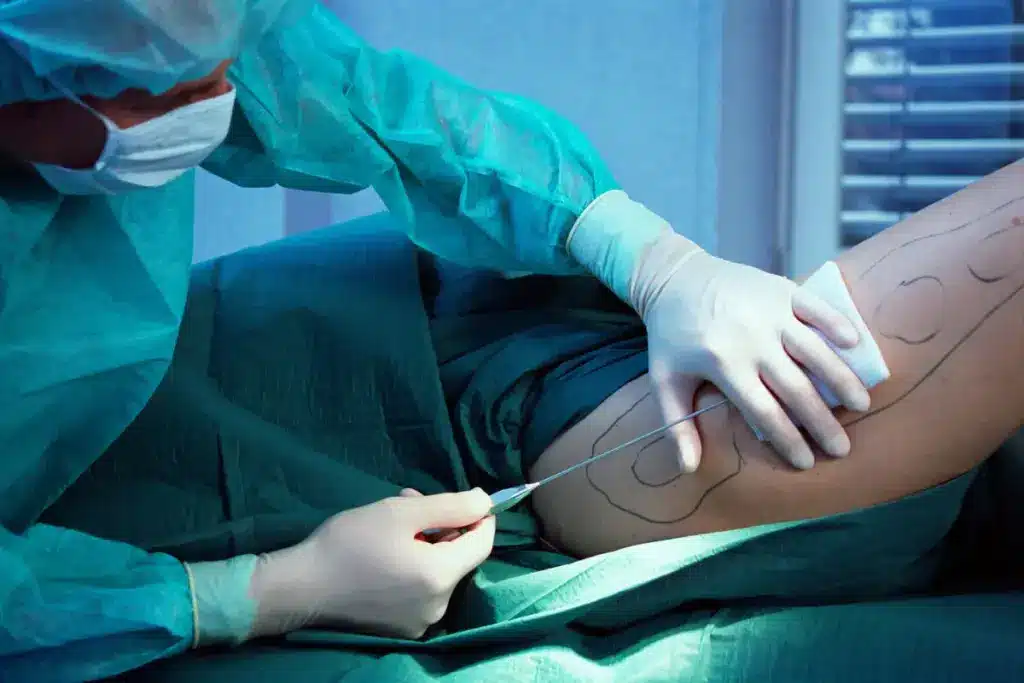
Thigh lift surgery, also known as thighplasty, reshapes the thighs. It removes excess skin and fat. This makes the thighs look toned and youthful. At Liv Hospital, we know the recovery process is as important as the surgery.
Recovering from thigh lift surgery needs a clear understanding of the recovery timeline and post-surgery care. The recovery from thigh lift procedures varies. This depends on the type of thighplasty done.
Key Takeaways
- Understand the different types of thigh lifts and their respective recovery expectations.
- Plan carefully for the recovery period, which can last from four to ten weeks.
- Follow diligent post-operative care instructions for a smooth healing process.
- Set realistic expectations about the timeline and restrictions during thigh lift recovery.
- Seek trusted expertise and patient-focused care from institutions like Liv Hospital.
Understanding Thigh Lift Surgery and Recovery Expectations
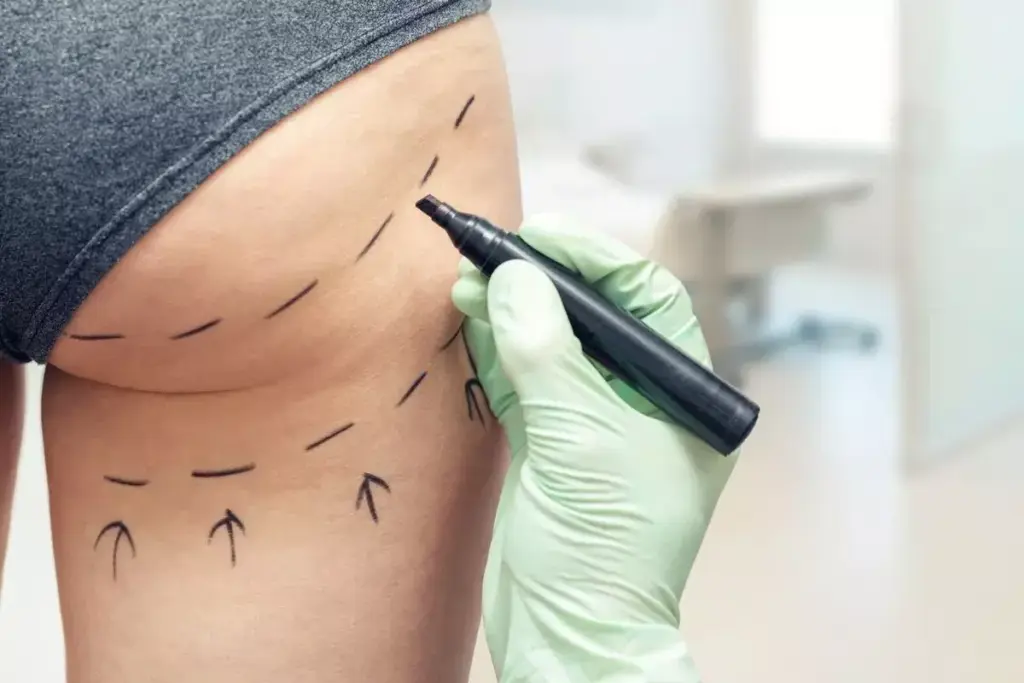
Thighplasty, or thigh lift surgery, aims to remove extra skin and fat. But, the recovery time is just as important as the surgery itself. Knowing what to expect during recovery can greatly affect the results.
Types of Thigh Lift Procedures
There are several thigh lift procedures, each with its own recovery needs. The main types include:
- Inner thigh lifts
- Mini thigh lifts
- Spiral thigh lifts
Inner thigh and mini thigh lifts usually need four to six weeks to recover. But, spiral thigh lifts might take eight to ten weeks or longer. The surgery’s extent greatly affects how long it takes to recover.
Factors Affecting Recovery Timelines
Several things can change how long it takes to recover from thigh lift surgery. These include:
| Factor | Description | Impact on Recovery |
| Extent of Surgery | The more extensive the surgery, the longer the recovery period. | More extensive surgeries like spiral thigh lifts require longer recovery times. |
| Overall Health | Patients with underlying health conditions may experience longer recovery times. | Pre-existing health conditions can complicate and prolong recovery. |
| Adherence to Post-Surgery Instructions | Following the surgeon’s instructions can significantly impact the recovery process. | Strict adherence to post-surgery care can lead to smoother and faster recovery. |
The first two days after surgery are key for a smooth recovery. Patients will likely see swelling, bruising, and some discomfort. These are normal signs of healing. By knowing these factors and the type of surgery, patients can better plan their recovery.
The Complete Thigh Lift Recovery Timeline
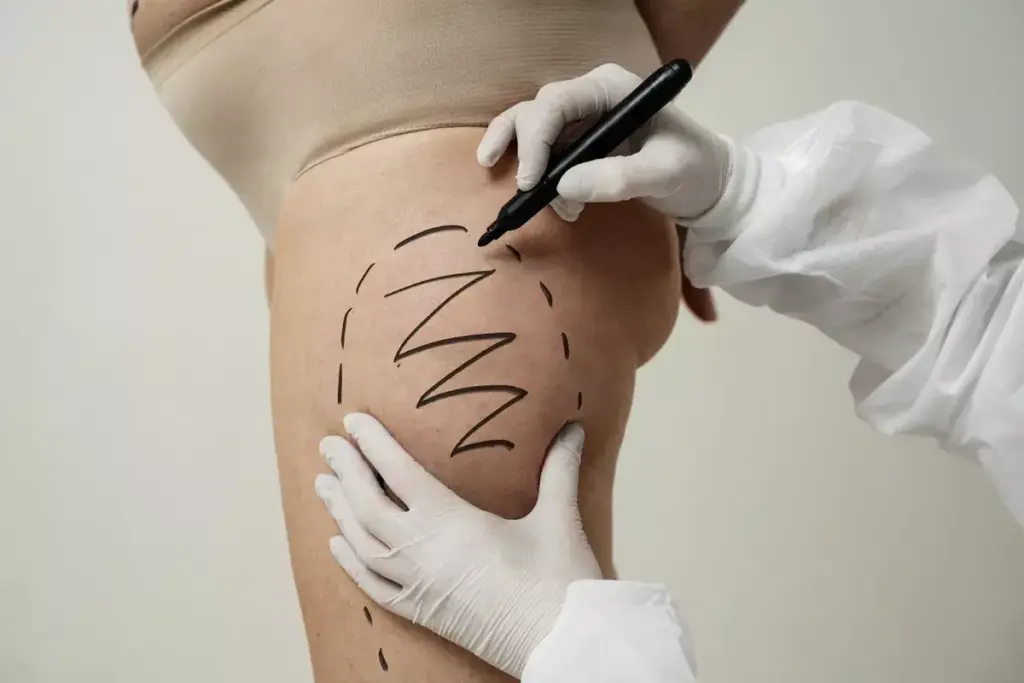
Recovering from thigh lift surgery takes time and patience. Knowing what to expect at each stage makes it easier. The recovery timeline is key to planning your healing well.
First Week: Rest and Initial Healing
The first week is vital for healing. Bed rest is recommended, then gentle walking to help blood flow. Swelling, bruising, and some pain are normal during this time.
Your surgeon will give you compression garments to reduce swelling. It’s important to use these as directed and follow all post-op care advice.
Weeks 2-4: Gradual Mobility Improvement
Weeks 2-4 see better mobility. Swelling and bruising lessen, and you’ll feel more comfortable. Start with gentle exercises to build strength and flexibility.
Keep up with your surgeon’s post-surgery care and activity advice for a smooth recovery.
Weeks 4-8+: Return to Normal Activities
By weeks 4-8, you can do most daily activities. But avoid hard exercise and heavy lifting. This is a time of ongoing improvement.
Stick to your surgeon’s guidelines and be patient. The full effects of the surgery may take months to show.
Essential Post-Surgery Care and Activity Guidelines
After thigh lift surgery, it’s important to follow certain care and activity guidelines. Your surgeon will give you specific instructions to help you recover well. It’s key to follow these carefully for the best results.
Compression Garment Requirements
Wearing compression garments is a must after a thigh lift. These garments help reduce swelling and improve blood flow. They also support the healing process.
It’s recommended to wear them for four to six weeks. Some surgeons might suggest wearing them for up to six months for better results.
Wound Care and Scar Management
Proper wound care is vital to avoid infections and aid in healing. Keep the wound clean and dry. Follow your surgeon’s advice for changing dressings.
For scar management, using silicone gel or sheeting can help. It can make scars less noticeable over time. Also, avoid direct sun on scars until they are fully mature.
Safe Sitting and Sleeping Positions
After surgery, it’s important to avoid putting pressure on the surgical site. When sitting, elevate your legs and avoid crossing them or bending at the knees. Sleeping on your back with a pillow under your knees can also help.
Avoid lying on your sides for the first few weeks. This helps reduce strain on your thighs.
Warning Signs and When to Contact Your Surgeon
While recovering, watch out for warning signs of complications. These include a lot of bleeding, severe pain, signs of infection, and unusual symptoms. If you notice any of these, contact your surgeon right away.
| Care Guidelines | Description | Duration |
| Compression Garments | Reduce swelling, improve circulation | 4-6 weeks (or as advised) |
| Wound Care | Keep clean and dry, follow dressing instructions | Until fully healed |
| Safe Sleeping Positions | Sleep on back with pillow under knees | First few weeks |
Conclusion: Ensuring Long-Term Success After Your Thigh Lift
Keeping the results of a thigh lift means living a healthy lifestyle. Looking at before and after photos can inspire you to keep your thighs looking good. Eating well and exercising regularly are key to keeping your results.
Doing the right exercises makes your thighs look better and helps your body shape. It’s also important to protect your skin from the sun to reduce scar visibility. Pictures of thigh lift scars after 2 years show that with care, scars can be less noticeable.
Seeing the difference before and after leg lift surgery can show you how important care is. By following your surgeon’s advice and staying healthy, you can enjoy your thigh lift’s benefits for many years.
FAQ
What is the typical recovery time for a thigh lift?
The recovery time for a thigh lift varies. It depends on the person and how big the surgery is. Generally, it takes 4-8 weeks to get back to normal.
What are the different types of thigh lift procedures and how do they impact recovery?
There are many thigh lift procedures. These include inner thigh lifts, mini thigh lifts, and spiral thigh lifts. Each one has its own recovery time and expectations.
How long do I need to wear a compression garment after thigh lift surgery?
You’ll need to wear a compression garment for 2-4 weeks. It helps with healing and reduces swelling.
What are the warning signs that I should look out for after thigh lift surgery?
Watch for signs like too much bleeding, infection, and scarring. If you see these, call your surgeon right away.
How can I manage scarring after a thigh lift?
Use techniques like silicone gel or sheeting, massage, and protect your skin from the sun. These can help make scars less noticeable.
When can I resume normal activities, such as exercise, after a thigh lift?
Avoid hard activities and exercise for 4-6 weeks. Then, start getting back to normal as your surgeon advises.
How can I ensure long-term success after a thigh lift?
Keep your weight stable, stay active, and protect your skin from the sun. These steps help keep your results looking good.
What is a spiral thigh lift and how does it differ from other types of thigh lifts?
A spiral thigh lift uses a curved incision to lift the thigh. It might have a different recovery time than other lifts.
How do I sit comfortably after a thigh lift?
Sit with your legs apart to avoid pressure on the surgery site. This helps with comfort and healing.
What are the benefits of a mini thigh lift compared to a traditional thigh lift?
Mini thigh lifts are less invasive. They often have a shorter recovery and less scarring than traditional lifts.
References
National Center for Biotechnology Information. Evidence-Based Medical Guidance. Retrieved from https://www.ncbi.nlm.nih.gov/pmc/articles/PMC5842179/[2



 Departments
 Related Videos
 Our Doctors
 News
News