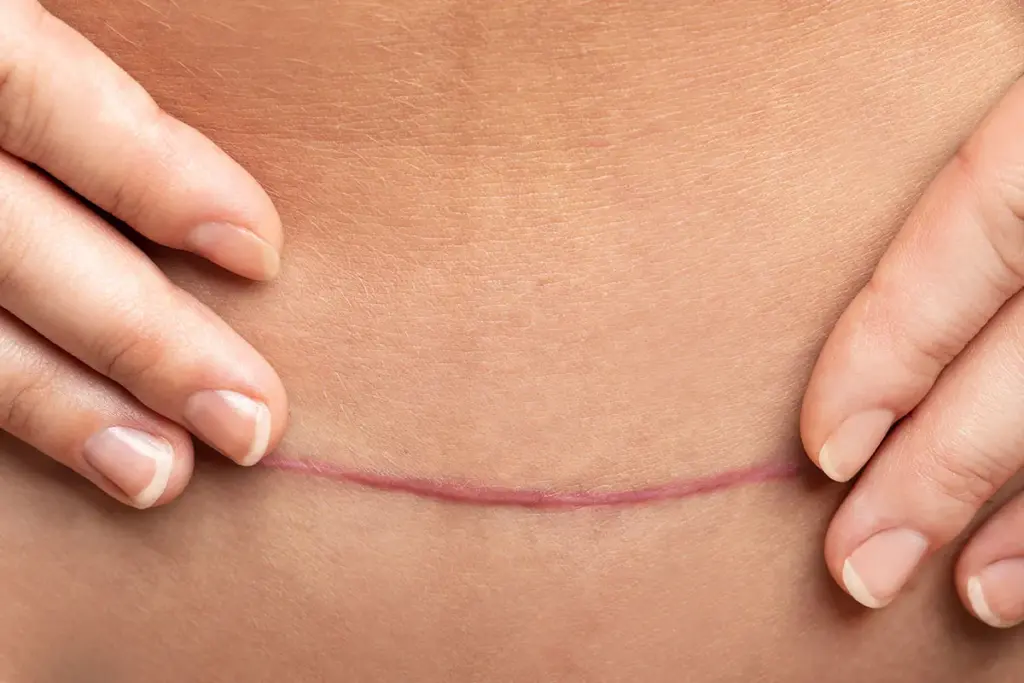
Scar bruising after an injury or medical procedure can be a big worry. It affects how you look and how you feel. At Liv Hospital, we know how much scar bruising can hurt. We’re here to help make it less visible.
When your body heals, bruising scars might show up. But, if we act fast after your treatment, we can make them less noticeable. This guide will show you why they happen, how to stop them, and how to treat them. We’ll use the latest science and advice from doctors. For more on caring for scars, check out this resource on post-operative scar care.
Key Takeaways
- Knowing why scar bruising happens is key to managing it.
- Good wound care and quick action can lessen bruising scars.
- There are many ways to make scar bruising less visible.
- Liv Hospital offers top-notch care and new treatments for scar bruising.
- Acting fast and focusing on the patient can really help.
Understanding Scar Bruising: Causes and Impact
Bruising on scars is not just a cosmetic issue; it shows how our body heals. Research shows that bruising scars happen as part of the healing process. We’ll look into why this happens, what makes it worse, and how it affects scar healing.
The Science Behind Bruising Scars
Scar formation goes through stages: inflammation, growth, and maturation. In the inflammatory stage, bleeding into the tissue can cause bruising. This stage is key for healing.
Scar development is complex, involving cells and molecules. Knowing these stages helps manage scars better. Easy bruising is a concern, and its link to scar bruising is interesting.
Risk Factors That Increase Bruising Severity
Several factors can make bruising around scars worse. These include:
- Age: Older people may bruise more because of less collagen and skin elasticity.
- Genetic predisposition: Some are more likely to bruise due to their genes.
- Medication: Some drugs, like anticoagulants, can raise bruising risk.
| Risk Factor | Description | Impact on Bruising |
| Age | Less skin elasticity and collagen | Bruising gets worse |
| Genetics | More fragile blood vessels | Higher bruising risk |
| Medication | Anticoagulant therapy | More bruising risk |
How Bruising Affects Scar Healing
Bruising can slow down scar healing by causing more inflammation. This can lead to more noticeable scars. So, managing bruising is key for better scar healing.
Knowing how bruising affects scar healing helps doctors help patients more. By tackling bruising causes, we can improve scar healing.
Immediate Steps to Prevent Scar Bruising
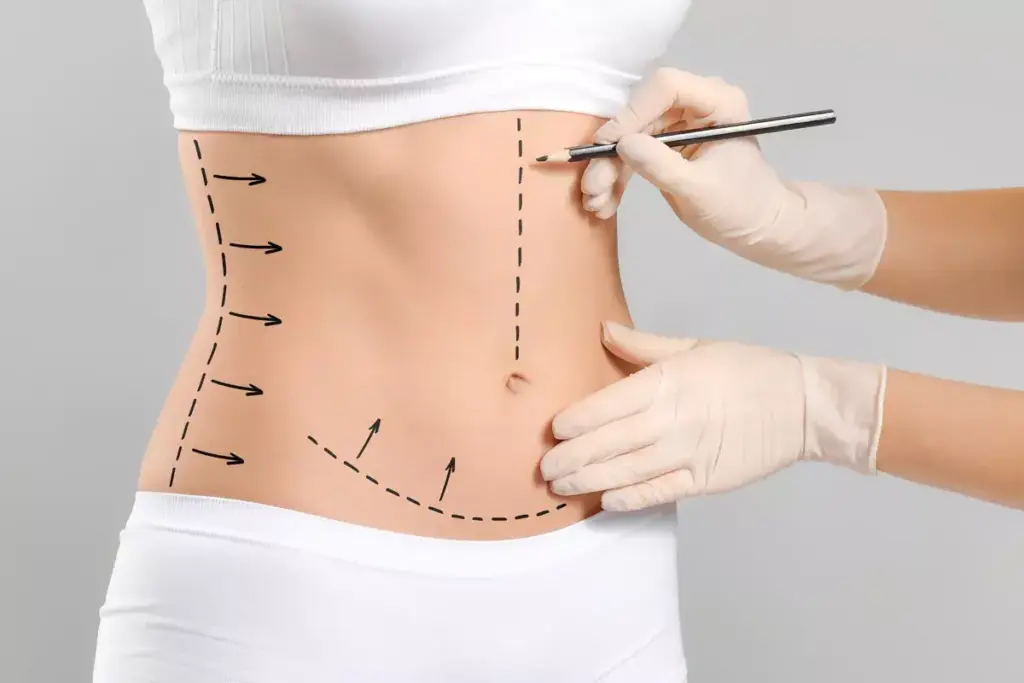
To prevent scar bruising, you need to prepare before and after a procedure. Knowing these steps can help lower the chance of bad bruising and aid in healing.
Pre-Procedure Preparations
Before a procedure, there are steps to take to avoid bruising. Always follow the advice from your healthcare provider. This might mean avoiding certain medicines like aspirin.
Also, a healthy lifestyle helps. Eating foods full of vitamins and minerals, like vitamin K, helps blood clot. Drinking water and resting well before the procedure also helps healing.
Post-Procedure Care Protocol
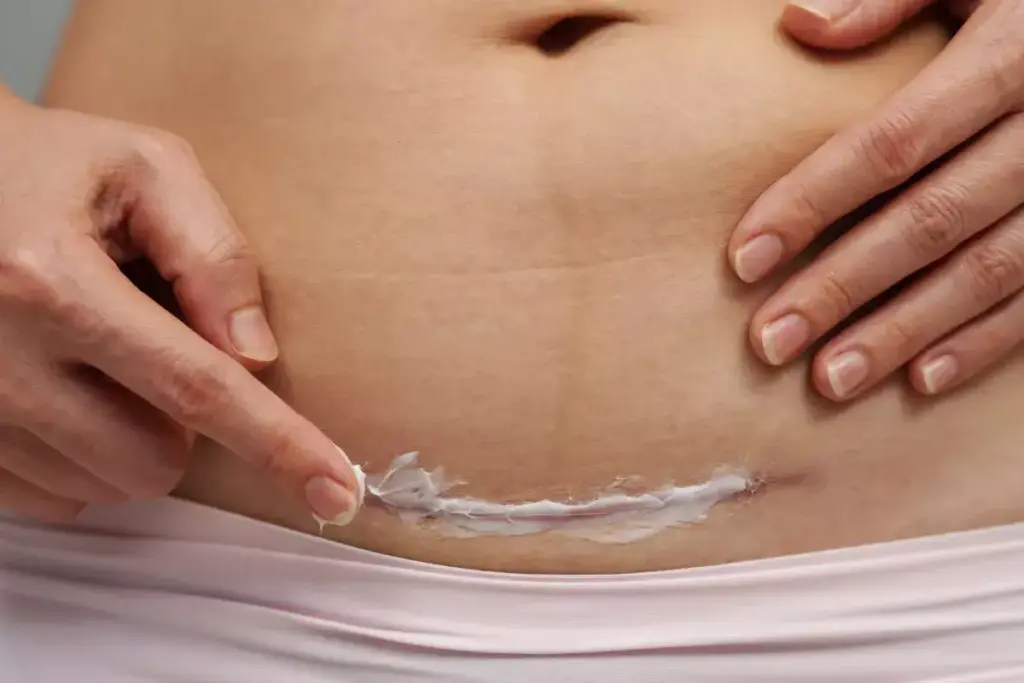
After a procedure, taking the right steps can lessen bruising scars. It’s key to follow your healthcare provider’s post-procedure advice. This might include using special creams to help with healing.
Doctors say, “Good wound care stops infections and helps healing.”
“Keeping the wound clean and dry, and using creams as told, can greatly lower risks.”
By doing these things, you can lessen bruising and help your body heal.
- Apply ice packs as directed to reduce swelling
- Elevate the affected area to minimize blood flow
- Follow a nutritious diet to support healing
By preparing before and following good care after, you can cut down on bruising and heal better.
Effective Treatment Options for Scar Bruising
Treating scar bruising needs a mix of creams and medical treatments. It’s key to make scars look better and keep skin healthy.
Clinically-Proven Topical Solutions
Topical treatments are a good start against scar bruising. They include creams and gels with vitamin K, arnica, and silicone. These ingredients help reduce bruising and aid in healing.
- Vitamin K creams: They help blood clot and lessen bruising.
- Arnica gel: A natural anti-inflammatory that reduces swelling and bruising.
- Silicone gel sheets: They flatten and soften scars, making them less noticeable.
Using these creams and gels regularly and as advised can be very effective. Always follow your healthcare provider’s guidance for the best results.
Advanced Medical Interventions
For serious scar bruising, more advanced treatments are needed. These include laser therapy, microneedling, and other methods that boost collagen and enhance skin texture.
- Laser therapy: It reduces bruising by boosting collagen and improving skin texture.
- Microneedling: It stimulates collagen, making scars less visible and reducing bruising.
Knowing the different treatments available helps both patients and doctors choose the right path for scar care. Always talk to a healthcare expert to find the best treatment for your scar bruising.
Conclusion
Understanding and managing scar bruising is key for those going through medical procedures. Our guide covers the causes, effects, and ways to lessen scar bruising. By taking the right steps before and after procedures, patients can reduce complications and heal better.
At our institution, we aim to provide top-notch healthcare to international patients. Our team is ready to offer personalized care and advice. We empower both patients and healthcare workers with the knowledge to manage scar bruising, aiming for better results and patient happiness.
Handling scar bruising well needs a mix of steps before, during, and after procedures. Using our guide, patients and doctors can work together. This way, they can lower the chance of bruising and help scars heal better.
FAQ
What is scar bruising and how does it occur?
Scar bruising happens when blood vessels get damaged during surgery or injury. This leads to bleeding in the tissue around the wound. It can cause discoloration and swelling, making it uncomfortable and unsightly.
What are the risk factors that increase bruising severity?
Several factors can make bruising worse. These include age, genetics, and certain medications like anticoagulants. Poor wound care and not following post-procedure instructions also play a role.
How can I prevent scar bruising?
To avoid scar bruising, follow the right steps before and after a procedure. Avoid certain medications and keep the wound clean and dry. Use topical creams or gels as advised by your doctor.
What are the most effective treatment options for scar bruising?
Effective treatments for scar bruising include topical solutions like arnica gel or vitamin K cream. Advanced treatments like laser therapy or microneedling are also options.
How long does it take for scar bruising to resolve?
The time it takes for bruising to go away varies. It can take weeks to months, depending on the severity and the individual.
Can I use home remedies to treat scar bruising?
Home remedies like arnica or ice packs might help with bruising. But, always check with your doctor first to make sure they’re safe and right for you.
Will scar bruising leave a permanent scar?
Most of the time, scar bruising won’t leave a permanent scar. But, severe bruising or poor wound care can lead to scarring or discoloration that lasts longer.
How can I minimize the appearance of bruising scars?
To reduce the look of bruising scars, follow a detailed scar care plan. This includes proper wound care, using topical treatments, and protecting from the sun. Gently massaging the area and using silicone gel or sheeting can also help.
References:
National Center for Biotechnology Information. Evidence-Based Medical Guidance. Retrieved from
https://www.ncbi.nlm.nih.gov/books/NBK586082/



 Departments
 Related Videos
 Our Doctors
 News
News