
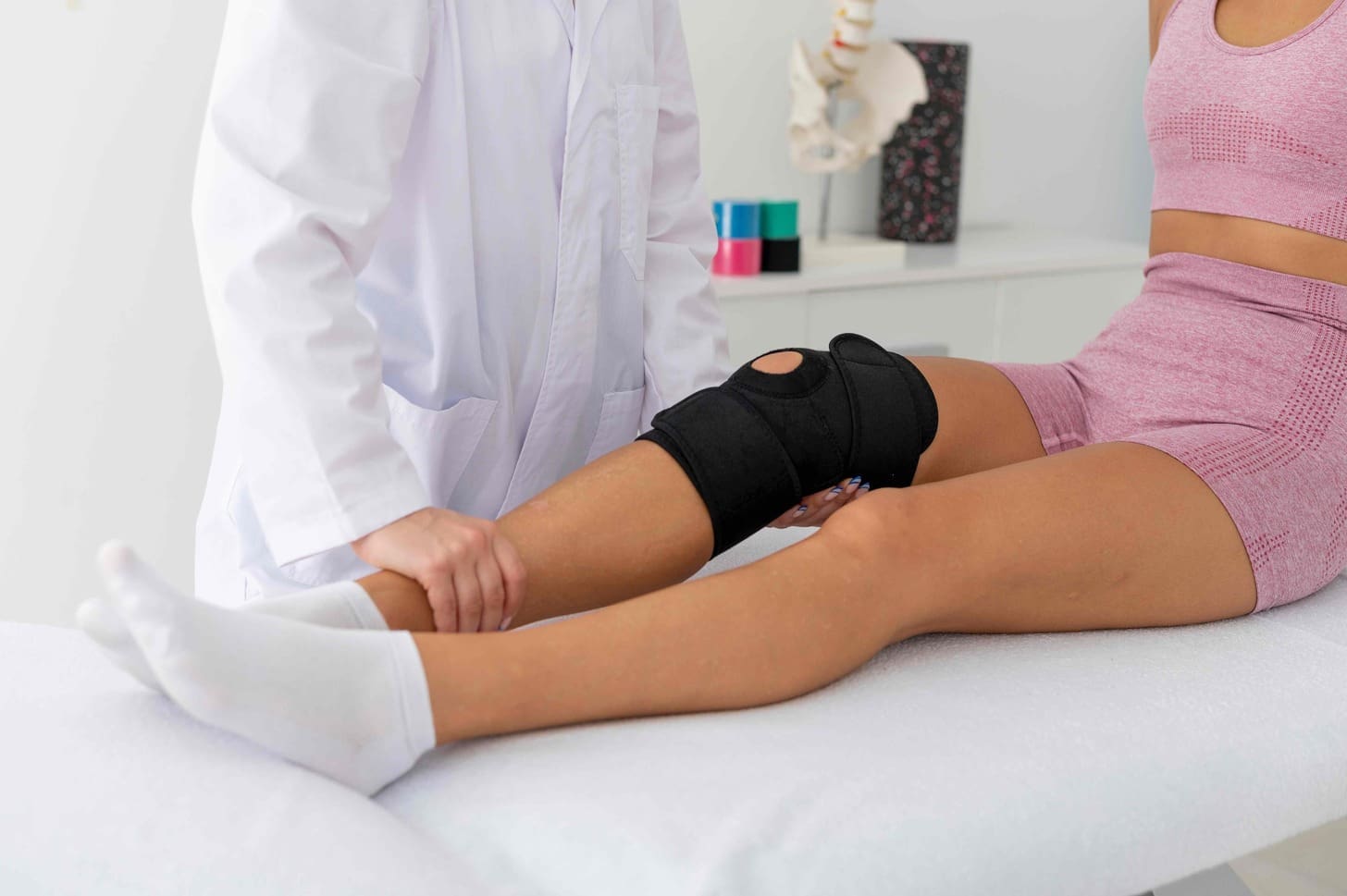
Reducing swelling is key after knee surgery. At Liv Hospital, we focus on elevation and proper techniques. Elevating the leg above heart level is a simple yet effective way to reduce swelling.
Keeping the knee elevated helps patients avoid complications and recover faster. We will cover the best recovery practices. This includes the right elevation techniques and other proven methods to reduce swelling.
Key Takeaways
- Elevating the leg above heart level reduces swelling
- Proper elevation techniques promote circulation and minimize discomfort
- Best practices for recovery include evidence-based methods to reduce swelling
- Liv Hospital provides advanced medical treatments for international patients
- Reducing swelling is vital for a safe and speedy recovery
Understanding Post-Knee Surgery Swelling
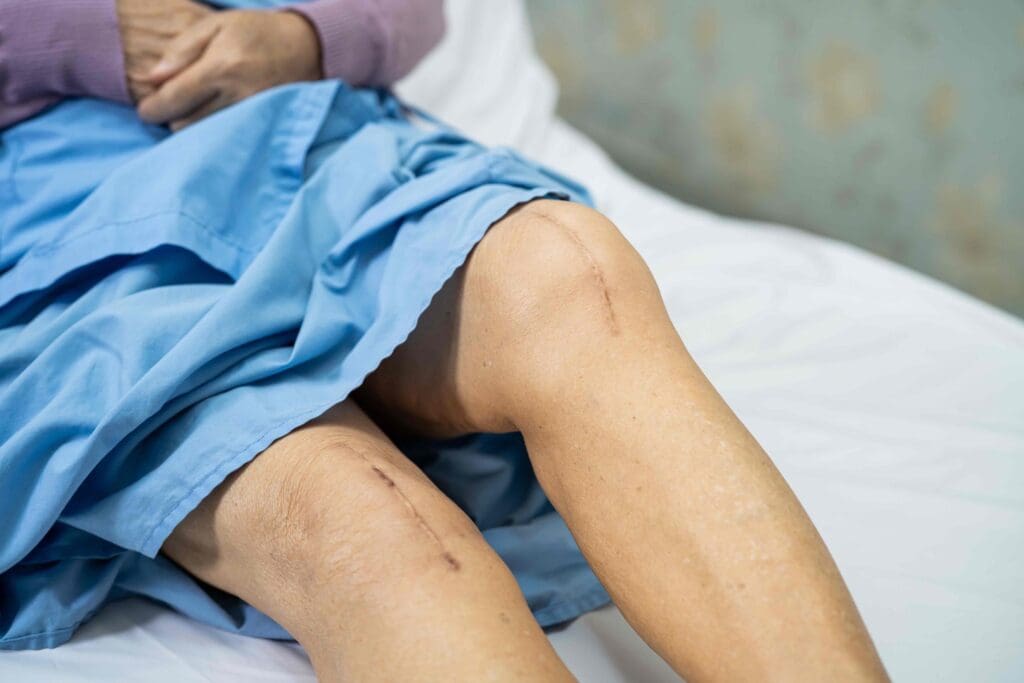
Swelling is common after knee surgery. Knowing why it happens helps us prepare. When we have knee surgery, our body reacts by swelling due to the trauma.
Why Swelling Occurs After Knee Surgery
Swelling after knee surgery is mainly because of the body’s inflammatory response. The surgery damages tissue, and the body starts to repair it. This leads to more fluid and white blood cells in the area, causing swelling.
The amount of swelling can change based on the surgery type. More complex surgeries usually cause more swelling. Your health, age, and how well you follow post-op instructions also play a role.
Normal Timeline for Post-Surgical Swelling
How long it takes for swelling to go down varies. But usually, it peaks in the first few days and then gets better. Knowing this helps us understand our recovery better.
| Timeframe | Expected Swelling Level | Actions to Reduce Swelling |
|---|---|---|
| 0-3 days post-surgery | Swelling peaks | Elevate leg, apply cold therapy |
| 4-7 days post-surgery | Swelling starts to reduce | Continue elevation, start gentle exercises |
| 1-2 weeks post-surgery | Swelling significantly reduced | Gradually increase activity level |
Understanding swelling after surgery helps us manage our recovery. It’s key to follow your doctor’s post-op instructions closely. This ensures the best healing and avoids complications.
The Importance of Elevation After Knee Surgery
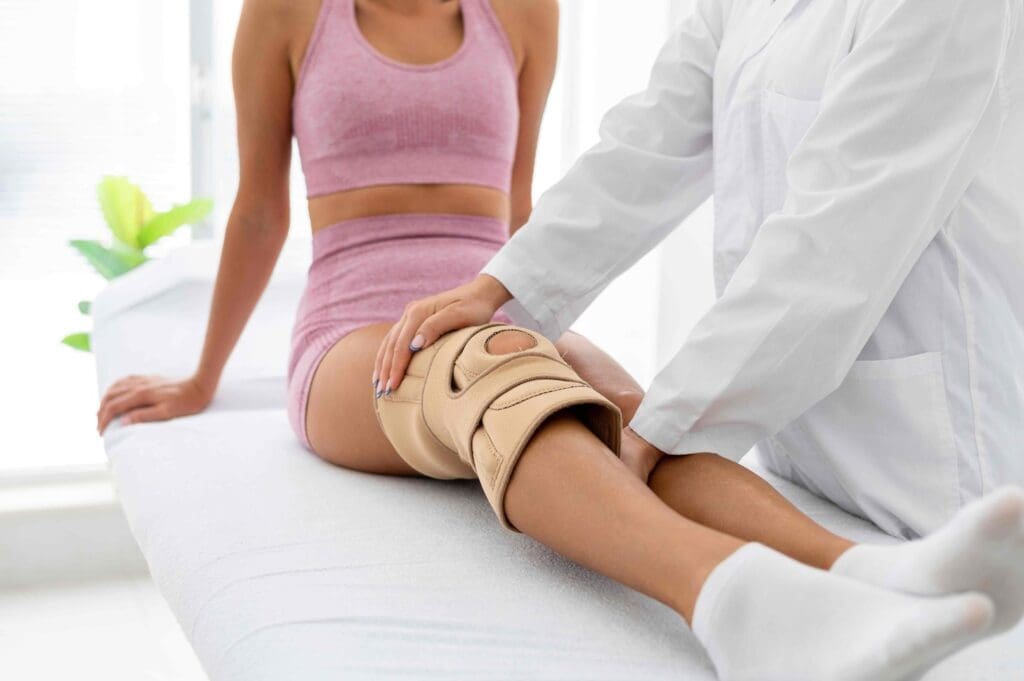
Elevating your leg after knee surgery is key to reducing swelling and aiding recovery. We suggest keeping your leg higher than your heart. This improves blood flow and cuts down on fluid buildup.
How Elevation Reduces Swelling
Elevation fights swelling by working against gravity’s pull on blood flow and fluid. Elevating your leg helps blood flow back to the heart. This reduces fluid in the knee.
Reducing swelling with elevation is simple. It involves placing your leg to let gravity help drain fluid. This method works well right after surgery.
The Science Behind Proper Elevation Techniques
The science of elevation is about how gravity impacts blood flow and fluid in the body. Elevating your leg above heart level uses gravity to improve blood return and lessen fluid.
Proper elevation is more than just lifting your leg. It’s about keeping it in the right spot for a while. We tell patients to elevate for 15-20 minutes, several times a day, for best results.
Combining elevation with other care methods like compression and cold therapy can greatly reduce swelling. This improves recovery for patients.
After Knee Surgery Should You Elevate Your Legs: Proper Techniques
Proper elevation techniques after knee surgery can greatly help with swelling and recovery. Elevating your legs correctly is a simple yet effective way to reduce swelling and aid in healing.
Optimal Positioning: Above Heart Level
To effectively reduce swelling, it’s important to elevate your leg above heart level. This helps to reduce blood flow to the affected area, which in turn minimizes swelling. We suggest using pillows or a wedge to support your leg in this position.
When elevating your leg, make sure your knee is straight and your foot is higher than your knee. You can achieve this by placing pillows under your calf and ankle. Just be sure not to put direct pressure on the back of your knee.
Duration and Frequency of Elevation
The length and frequency of elevation are key to its effectiveness. We recommend elevating your legs for at least 30 minutes, three to four times a day. Consistency is important; the more you elevate your leg, the better the swelling reduction.
| Elevation Duration | Frequency per Day | Expected Outcome |
|---|---|---|
| 30 minutes | 3-4 times | Reduced swelling and improved circulation |
| 1 hour | 2-3 times | Enhanced reduction in swelling and pain relief |
| 2 hours | 1-2 times | Significant reduction in post-operative swelling |
By following these guidelines for elevation, you can effectively reduce swelling after knee surgery and promote a smoother recovery. Always remember to consult with your healthcare provider for personalized advice on elevation techniques and duration.
Common Elevation Mistakes to Avoid
Elevating your leg after knee surgery is key, but many make mistakes. These errors can slow down healing. It’s important to use the right techniques to reduce swelling and aid in recovery.
Avoiding Direct Pillow Placement Under the Knee
One big mistake is putting a pillow under the knee. This can cause knee stiffness and loss of extension. It’s better to place a pillow under the calf or ankle to keep the knee straight.
To avoid this mistake, make sure any pillows or supports don’t bend the knee. This keeps the knee’s range of motion and prevents strain on the joint.
Proper Support for Calf and Ankle
Supporting the calf and ankle properly is vital. Use firm pillows or cushions that don’t sag. Elevate the leg above the heart to reduce swelling.
Adjust the support often to stay comfortable and avoid pressure on one spot for too long. This helps reduce discomfort and makes elevation more effective.
Knowing these common mistakes and how to avoid them can greatly improve recovery after knee surgery.
Recommended Exercises to Reduce Swelling
After knee surgery, doing specific exercises can help a lot. They can reduce swelling and improve how well you move. We suggest a mix of exercises to manage swelling and boost mobility.
Passive Range of Motion Exercises
Passive range of motion exercises are key in the early recovery days. They involve moving the knee without using the muscles around it. This keeps the knee flexible and less stiff.
To do these exercises, you can use your other leg or have someone help. For example, sit on the edge of a bed or chair. Then, lift your operated leg with the other leg, slowly bending and straightening the knee.
Ankle Pumps and Circulation Exercises
Ankle pumps are simple but very effective. They help improve blood flow and reduce swelling. To do ankle pumps, lie on your back and lift your legs a bit. Then, bend your ankles up and down, towards you and away from you. This helps blood flow better and reduces swelling.
Other circulation exercises are also good. Toe curls and toe spreads help keep the foot and ankle flexible. They also promote blood flow.
Start these exercises as your doctor suggests. Then, slowly do more as you get better. Adding these exercises to your daily routine can help reduce swelling and improve your recovery.
Activities and Movements to Avoid After Knee Replacement
After knee replacement surgery, it’s important to avoid high-impact activities and certain movements. This helps ensure a smooth recovery. Knowing which activities can harm your new joint is key.
High-Impact Activities
High-impact activities like running or jumping should be avoided. These can cause premature wear and tear on your new knee. This can lead to serious complications.
Here are some high-impact activities to steer clear of:
- Running or jogging
- Jumping rope
- High-impact aerobics
- Skiing or snowboarding
Twisting Movements
Twisting movements can also harm your new knee. Activities that involve twisting or pivoting can cause instability. This can lead to dislocation or other issues.
Avoid these to stay safe:
- Golfing or other sports that involve twisting
- Dancing that involves pivoting on the knee
- Any activity that requires sudden changes in direction
Other Harmful Motions for Your New Joint
Other harmful motions include deep bending or squatting. Heavy lifting is also a no-go. Any activity causing knee pain should be avoided.
- Deep bending or squatting
- Heavy lifting
- Any activity that causes pain or discomfort in the knee
Top orthopedic surgeon, said, “The key to a successful knee replacement is not just the surgery itself, but the post-operative care and rehabilitation.”
“Patients must be mindful of their activities and movements after knee replacement surgery to ensure the longevity of their new joint.”
By avoiding these harmful activities, you can greatly improve your knee replacement surgery’s outcome. This will help you enjoy a more active, pain-free life.
Additional Methods to Reduce Swelling
Swelling after knee surgery can be managed in several ways. Techniques like compression and cold therapy help. Elevation is key at first, but more methods can help too.
Compression Techniques and Garments
Compression helps by applying pressure to the area. This improves blood flow and reduces fluid. Compression stockings or sleeves are often used.
It’s important to get these garments from a healthcare professional. They ensure the right fit and pressure level. The pressure level, in mmHg, depends on the patient’s needs.
| Compression Level (mmHg) | Typical Use |
|---|---|
| 8-15 | Mild swelling, preventive care |
| 15-20 | Moderate swelling, post-surgical recovery |
| 20-30 | Significant swelling, severe post-operative edema |
Cold Therapy Applications
Cold therapy, or cryotherapy, is also effective. It reduces blood flow and inflammation. This helps with swelling after knee surgery.
Cold packs or cryotherapy devices are used for 15-20 minutes, several times a day. Always follow a healthcare provider’s advice to avoid damage.
Using compression and cold therapy can help reduce swelling. This makes recovery after knee surgery better.
Stair Climbing After Knee Replacement
After knee replacement surgery, many patients wonder when they can climb stairs again. Climbing stairs is a key skill that needs careful timing and technique. This ensures a safe and successful recovery.
Timeline for Safe Stair Navigation
The time it takes to navigate stairs safely varies. It depends on how well you recover and the advice from your rehab team. Usually, patients can try climbing stairs a few days to weeks after surgery.
It’s important to follow the advice from your healthcare team. They will check your strength, balance, and readiness for stairs. Working with your physical therapist is key to finding the right time to start.
Proper Techniques for Ascending and Descending Stairs
Using the right technique is vital when climbing stairs after knee surgery. It helps avoid straining the new joint and keeps you balanced. Here are some tips for safe climbing:
- When going up, lead with your good leg, using the phrase “up with the good.”
- When going down, lead with your operated leg, using “down with the bad.”
- Use the handrail for extra support and balance.
- Take stairs one step at a time, don’t rush.
For a visual guide, see the table below for step-by-step stair climbing techniques:
| Step | Ascending | Descending |
|---|---|---|
| 1 | Hold the handrail and step up with your good leg. | Hold the handrail and step down with your operated leg. |
| 2 | Bring your operated leg up to the same step. | Bring your good leg down to the same step. |
| 3 | Continue alternating, leading with your good leg. | Continue alternating, leading with your operated leg. |
For more on what to avoid after knee surgery, check our article on common mistakes after knee replacement.
When to Contact Your Doctor About Swelling
After knee surgery, knowing when to call your doctor is key. Swelling is normal, but some signs can mean trouble. It’s important to watch for these signs.
Normal vs. Abnormal Swelling Patterns
Swelling after knee surgery usually gets better over time. But, if it doesn’t, or gets worse, it might be a problem.
Characteristics of Normal Swelling: – It gets better over time – It’s even on both sides of the knee – You can manage it with elevation, compression, and medicine
Characteristics of Abnormal Swelling: – It doesn’t get better or gets worse – It’s uneven or in one spot – You have a lot of pain, redness, or warmth
| Swelling Characteristics | Normal Swelling | Abnormal Swelling |
|---|---|---|
| Duration | Gradually decreases | Persistent or increasing |
| Symmetry | Symmetrical around the knee | Asymmetrical or localized |
| Accompanying Symptoms | Managed with treatment | Severe pain, redness, or warmth |
Warning Signs That Require Medical Attention
Some symptoms with swelling mean you need to see a doctor fast. These include:
- Severe pain that doesn’t go away with medicine
- More redness or warmth around the knee
- Fever over 101.5°F (38.6°C)
- Swelling that gets worse
- Coldness or paleness of the leg
- Hard time moving the knee or leg
Doctors say, “Spotting these signs early can really help your recovery.”
“It’s vital for patients to know how their body reacts to surgery. Don’t wait to get help if something seems off.”
If you see any of these signs, call your doctor right away. Quick action can stop bigger problems and help you heal faster.
Conclusion: Long-Term Management of Knee Swelling
Managing knee swelling long-term is key to a good recovery after knee surgery. We’ve talked about ways to lessen swelling, like elevating your leg and using compression. These methods help a lot.
It’s important to keep up with these steps as your doctor tells you to. Elevating your leg helps a lot. Also, doing exercises like ankle pumps can help your blood flow and healing.
By using these methods and avoiding certain activities, you can keep swelling down. This makes your recovery smoother. For specific advice on managing swelling, talk to your doctor. They can help you make a plan that’s just right for you.
What is the best way to reduce swelling after knee replacement surgery?
Elevating your leg above heart level helps. Using compression and cold therapy also works well.
How long does it take for swelling to reduce after knee surgery?
Swelling usually goes down in a few weeks to months. But it depends on many factors.
What are the most common elevation mistakes to avoid after knee surgery?
Don’t put pillows under your knee. It bends your knee and cuts off blood flow. Instead, support your calf and ankle.
Can I climb stairs after total knee replacement surgery?
You can start climbing stairs a few days after surgery. But follow your doctor’s advice and use the right techniques.
What activities should I avoid after knee replacement surgery?
Avoid high-impact activities and twisting. These can harm your new joint.
How can I promote circulation and reduce swelling after knee surgery?
Do ankle pumps and other exercises. Use compression garments to help blood flow and reduce swelling.
When should I contact my doctor about swelling after knee surgery?
If you see abnormal swelling, more pain, or other signs, call your doctor. They can help.
What is the proper way to elevate my legs after knee surgery?
Elevate your legs above heart level. Use pillows for support. Do this often to lessen swelling.
Can I put my legs up after knee replacement surgery?
Yes, elevating your legs is key to reducing swelling. Just make sure to do it right.
How can I reduce swelling after TKR (Total Knee Replacement)?
Use elevation, compression, and cold therapy. Also, do gentle exercises like ankle pumps.
Reference
- Jacksonville Orthopaedic Institute. (n.d.). Elevating knee after surgery. https://www.joionline.net/library/elevating_knee_after_surgery