
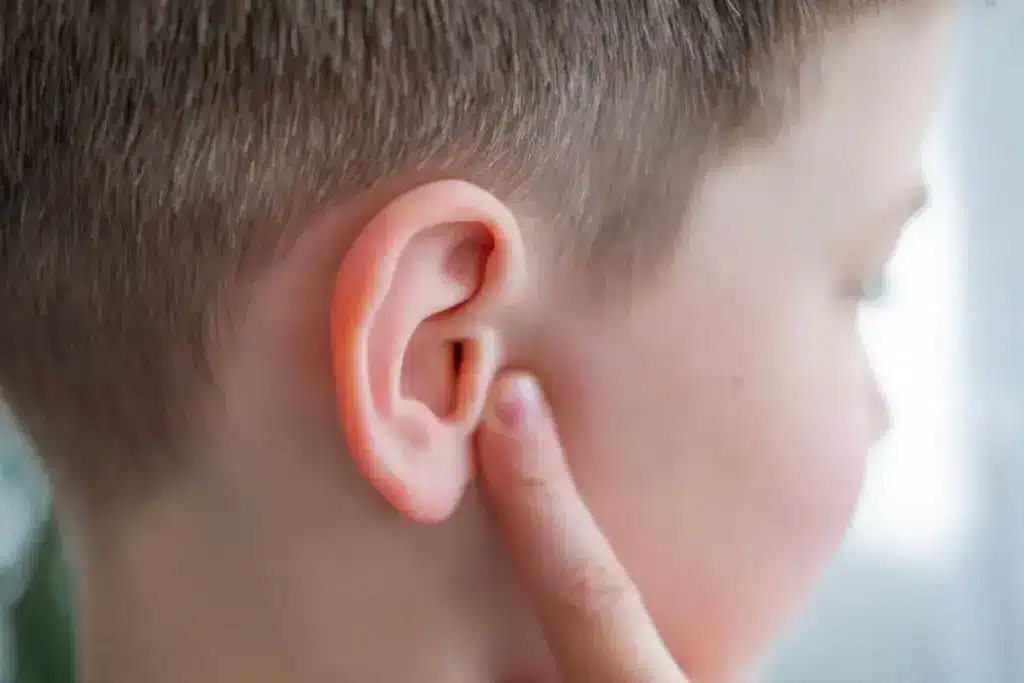
Ear pain can hit you out of nowhere, making everyday tasks hard. It’s a problem for both kids and grown-ups. Studies show that about 80% of kids get at least one ear infection by the time they’re grown.
For most mild ear pain, home care can help it go away in 2-3 days. You can try over-the-counter pain meds, warm compresses, and olive oil drops. At Liv Hospital, we know how important it is to find quick ear pain relief.
Earaches can be caused by ear infections, earwax buildup, and even sinus problems. Knowing why you have ear pain helps you find the right way to feel better. We offer reliable tips on earache home remedies for adults.
Key Takeaways
- Ear pain is a common issue affecting both children and adults.
- Most mild ear pain resolves within 2-3 days with home care.
- Effective home remedies include over-the-counter pain relievers and warm compresses.
- Earwax buildup and sinus congestion can cause earaches.
- Understanding the cause of ear pain is key to finding relief.
Understanding Ear Pain: Causes and Symptoms

Knowing why you have ear pain is key to feeling better. Ear pain can show up in many ways and come from different things. We’ll look at the usual causes and signs of ear pain.
Common Causes of Ear Pain
Ear pain can come from several sources, including:
- Infections: Ear infections are a common cause of ear pain, mostly in kids. These can happen in the outer, middle, or inner ear.
- Wax Buildup: Too much earwax can hurt by blocking the ear canal.
- Allergies: Allergies can cause ear pain by making the ear feel full and the Eustachian tube not work right.
- Teething: In babies, teething can sometimes make the ear feel sore.
Recognizing Ear Pain Symptoms
It’s important to know the signs of ear pain to get the right help. Common signs include:
- Sharp or dull pain: The pain can feel sharp, dull, or aching. It might stay the same or change.
- Hearing loss: Some people might hear less or feel like their ear is full.
- Fever: If it’s an infection, you might have a fever.
- Discharge: Sometimes, you might see discharge from your ear, which could mean an infection.
How to Relieve Ear Pain with 10 Effective Home Remedies
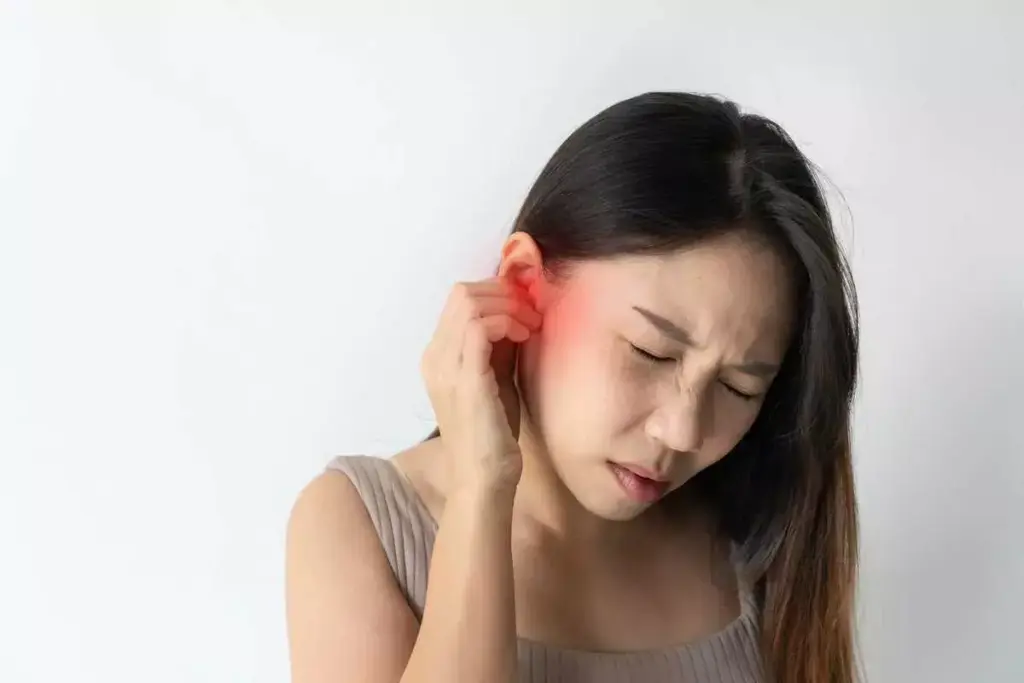
Ear pain can be really tough to deal with. But, there are many home remedies that can help. We’ll look at ways to ease earache pain, including medicines and natural treatments.
Over-the-Counter Pain Relievers
OTC pain relievers are a good choice for ear pain. Drugs like acetaminophen or ibuprofen can lessen pain and swelling. Always follow the dosage to avoid side effects.
Warm Compress Application
Using a warm compress on your ear can ease pain. Soak a cloth in warm water, wring it out, and place it on your ear for a few minutes. You can do this several times a day.
Cold Compress Therapy
At times, a cold compress works better than warm. Cold therapy can cut down swelling and dull pain. Use an ice pack or a cold, damp cloth wrapped in a towel on your ear for a few minutes.
Olive Oil Drops for Earwax
Olive oil drops can soften earwax, which might be causing pain. Warm some olive oil and put a few drops in your ear. Wait a few minutes before tilting your head to let it drain.
Here’s a quick rundown of the home remedies we talked about:
| Remedy | Description | Benefits |
| OTC Pain Relievers | Take acetaminophen or ibuprofen as directed | Reduces pain and inflammation |
| Warm Compress | Apply a warm washcloth to the affected ear | Eases pain and discomfort |
| Cold Compress | Apply a cold, damp washcloth or ice pack wrapped in a towel | Reduces inflammation and numbs pain |
| Olive Oil Drops | Put a few drops of warmed olive oil into the affected ear | Softens earwax and relieves pain |
When to Seek Medical Help for Ear Pain
It’s important to know when to see a doctor for ear pain. This can help avoid serious problems and get the right treatment. While some ear pain can be treated at home, some signs mean you need a doctor.
Warning Signs That Require Professional Attention
Look out for signs that your ear pain needs more than just home remedies. These include:
- Severe pain that doesn’t get better with over-the-counter pain relievers
- Fever, which is high or comes with chills
- Fluid or discharge from the ear, a sign of infection
- Hearing loss or feeling like your ear is full
- Dizziness or trouble balancing
If you or your child has any of these symptoms, get medical help fast. Seeing a doctor early can stop problems and help you get better.
Medical Treatments for Severe Ear Pain
When you go to the doctor for ear pain, they can offer different treatments. These depend on the cause and how bad your pain is. Treatments might include:
- Antibiotics for bacterial infections
- Ear drops to reduce swelling or fight infection
- More tests to find out what’s causing the pain, like earwax or a hole in the eardrum
For adults, finding ear pain relief is key. Doctors can tell you the best way to treat it. Sometimes, you might need more tests or see a specialist.
Knowing when to see a doctor for ear pain is very important. Don’t wait if you’re not sure about your symptoms or if they get worse.
Conclusion
Knowing why ear pain happens and what it feels like is key to getting help quickly. We talked about home fixes like pain meds, warm compresses, and olive oil for earwax. These can help ease ear pain. For more tips on ear pain, check out Sakra World Hospital’s ear pain resource.
To find quick relief from ear pain, mix home remedies with doctor advice. This approach helps adults with earaches feel better and keep their ears healthy.
It’s vital to see a doctor if ear pain doesn’t go away or gets worse. Getting a proper diagnosis and treatment can greatly improve your life. We urge everyone to start their journey to better ear health today.
FAQ
What are the most common causes of ear pain?
Common causes include ear infections, fluid buildup, earwax blockage, sinus pressure, TMJ disorders, and throat infections.
How can I relieve ear pain at home?
Relieve it with warm compresses, over-the-counter pain relievers, staying upright, and gentle jaw movements.
What are some signs that I need to seek medical attention for ear pain?
Seek care if you have severe or persistent pain, high fever, fluid drainage, hearing loss, or dizziness.
Can ear pain be a sign of a more serious condition?
Yes, ear pain can indicate middle ear infections, TMJ disorders, sinus infections, or referred pain from teeth/throat.
How can I prevent ear pain in the future?
Prevent it by treating infections promptly, managing allergies, keeping ears dry, and avoiding smoking or irritants.
Are there any home remedies that can help with earwax buildup?
Yes, earwax softening drops, warm olive oil, or gentle irrigation (if safe) can help.
Can I use painkillers for earache relief?
Yes, ibuprofen or acetaminophen are effective for reducing earache pain.
How can I ease earache pain quickly?
Use a warm compress, OTC pain relievers, and stay upright to relieve pressure.
What is the best way to calm ear pain?
The best approach is combining pain relievers, warm compresses, rest, and addressing the underlying cause.
When should I consider seeking medical help for inner ear pain?
Seek help if you have severe pain, dizziness, hearing loss, fever, or symptoms lasting more than a few days.
References
JAMA Network. Evidence-Based Medical Insight. Retrieved from https://jamanetwork.com/journals/jamapediatrics/fullarticle/190792