Feeling pain from hip to foot can really get in the way of your day. It’s a big problem for many people. One big reason for this pain is Greater Trochanteric Pain Syndrome (GTPS). This condition bothers millions of people around the world.
GTPS leads to trochanteric syndrome hip. It causes inflammation in the gluteal tendons and can also affect the bursa. Women are more likely to get it. It can really lower your quality of life.
At Liv Hospital, we get how tough GTPS can be. We focus on you, not just your symptoms. Our team uses the latest research to find the right treatment for you. We aim to fix the real problem causing your pain.
Key Takeaways
- GTPS is a common cause of lateral hip and thigh pain.
- The condition is more prevalent in women.
- Gluteal tendinopathy and bursal involvement are key characteristics.
- Accurate diagnosis is key for good treatment.
- Personalized treatment plans can really help.
Understanding Pain from Hip to Foot: Causes and Symptoms
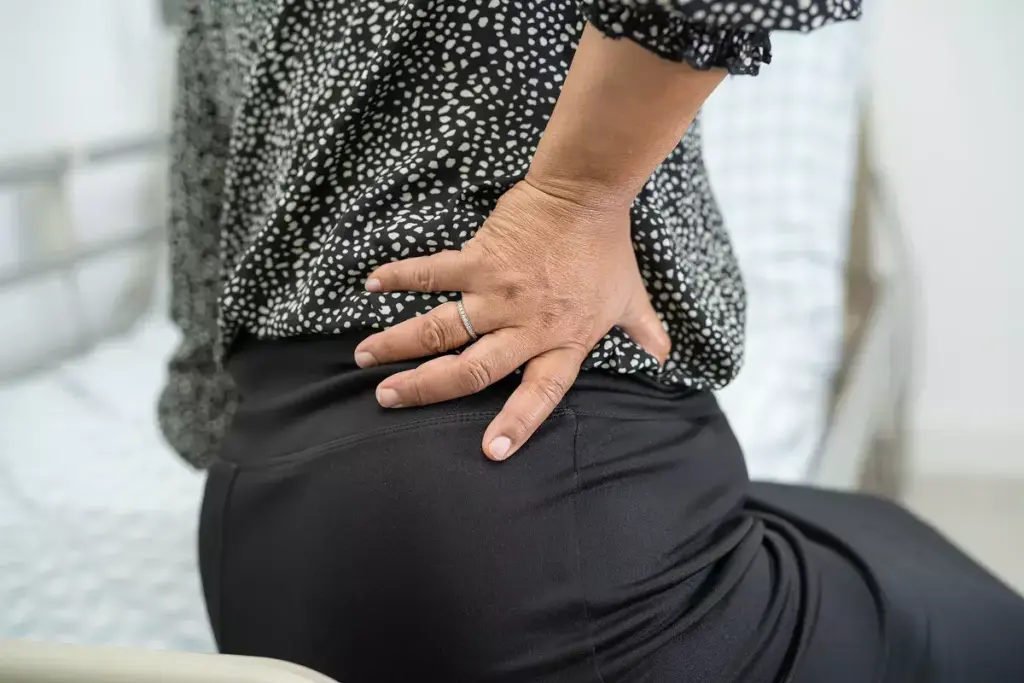
It’s important to know why pain moves from the hip to the foot. This pain can come from different conditions, like Greater Trochanteric Pain Syndrome (GTPS). We’ll look into GTPS, its effects, and what causes it.
What is Greater Trochanteric Pain Syndrome (GTPS)?
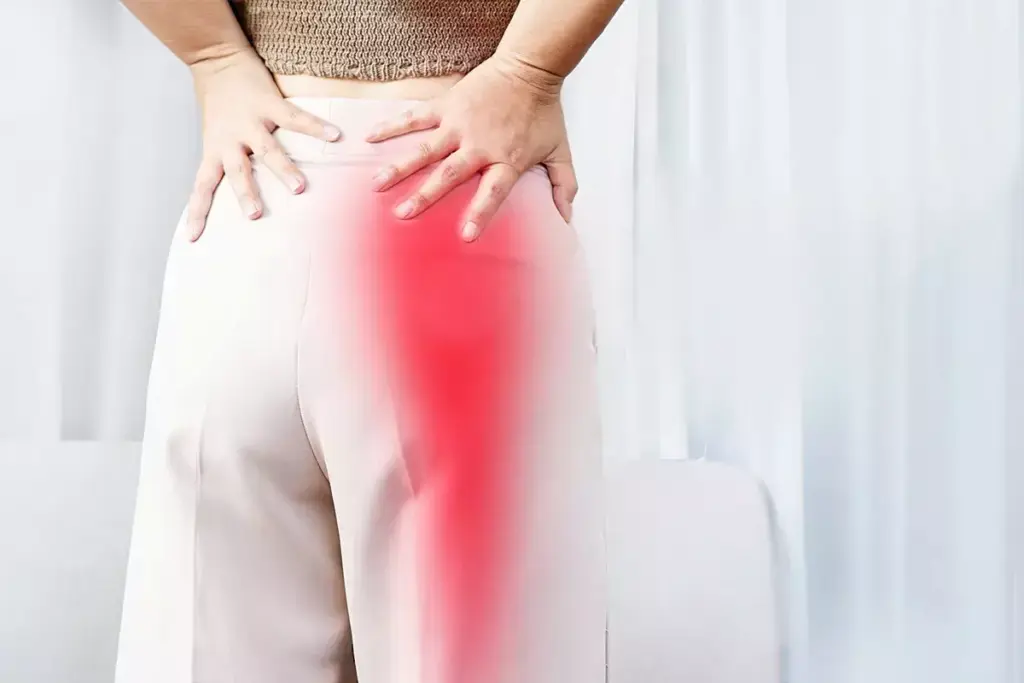
Greater Trochanteric Pain Syndrome (GTPS) is a condition that affects the gluteal tendons. It causes pain on the outer side of the hip and thigh. This pain can go down to the knee. It’s a common problem that can make moving hard.
Who is Most Affected by Hip and Thigh Pain
Hip and thigh pain, like GTPS, hits some groups more than others. Middle-aged and older people are more likely to get it because of wear and tear. Also, people who do a lot of hip movements, like runners or cyclists, are at risk. Knowing who gets it helps in finding better ways to prevent and treat it.
Common Triggers and Risk Factors
Many things can make pain in thigh and hip when walking worse. These include:
- Too much strain on the hip and thigh muscles
- Bad walking or running style
- Hitting the hip area
- Degenerative conditions like osteoarthritis
For more on hip and foot pain, check out this resource. Knowing what triggers this pain is key to preventing and treating GTPS and similar issues.
3 Conservative Solutions for Hip to Foot Pain Relief
Managing hip to foot pain often starts with simple, effective steps. These methods aim to lessen pain, boost function, and enhance life quality.
1. Rest and Activity Modification Techniques
Resting and changing how you move are key to easing hip upper thigh pain. Stay away from activities that make pain worse. This lets the affected areas heal. Taking regular breaks helps reduce discomfort.
“Rest is not inactivity,” experts say. It means avoiding actions that worsen the condition. Yet, it’s important to keep moving gently to avoid stiffness.
2. Targeted Physical Therapy Exercises
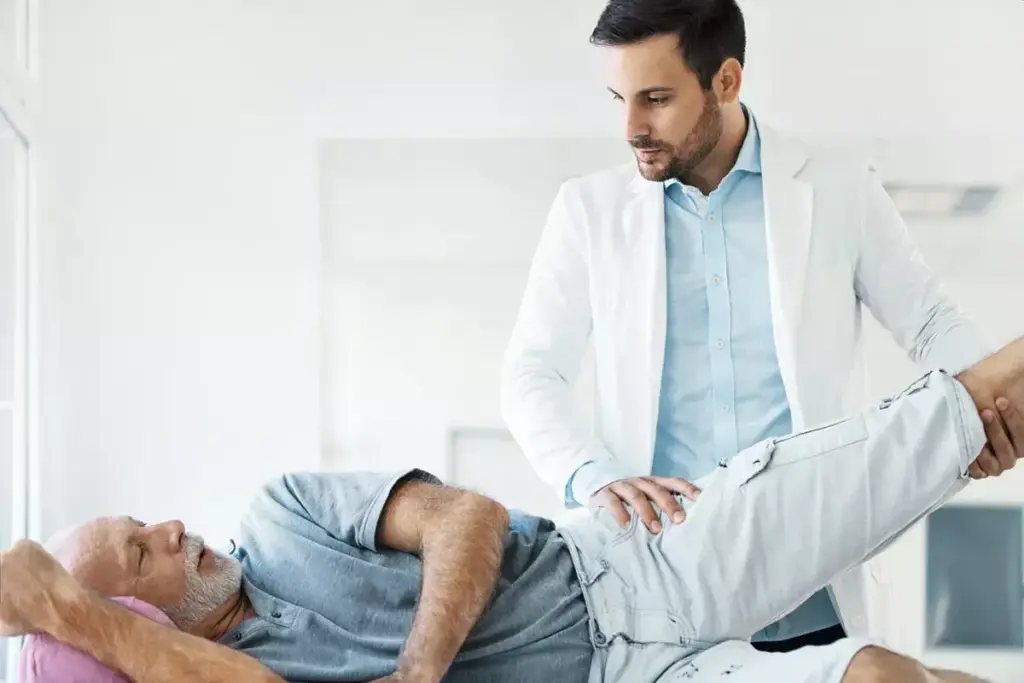
Physical therapy plays a big role in treating outer hip and thigh pain. A physical therapist creates a plan to strengthen muscles, improve flexibility, and increase joint mobility. These exercises help lessen pain and prevent future problems.
- Strengthening exercises for the gluteal and hip abductor muscles
- Stretching exercises to improve flexibility and range of motion
- Low-impact aerobic exercises to enhance overall fitness without exacerbating the condition
3. Proper Heat and Cold Therapy Application
Using heat and cold therapy is a simple yet effective way to manage trochanteric pain syndrome symptoms. Cold therapy, used early on, reduces inflammation and numbs pain. Heat therapy relaxes muscles, improves blood flow, and aids in healing.
Alternating between heat and cold or using one consistently, as a healthcare professional advises, can greatly help with pain lateral hip and surrounding areas.
By adding these conservative methods to their daily routine, people can manage hip to foot pain well. This improves their overall life quality.
4 Advanced Treatment Options for Persistent Pain from Hip to Foot
When simple treatments don’t work, there are advanced options for hip and thigh pain. It’s key to talk to a doctor about these choices if pain persists from hip to foot.
Effective Pain Management Medications
Pain meds are vital for ongoing pain. We suggest using over-the-counter drugs like acetaminophen or ibuprofen. Sometimes, stronger meds are needed.
Common Pain Management Medications:
| Medication Type | Examples | Primary Use |
| Over-the-counter | Acetaminophen, Ibuprofen | Pain relief, inflammation reduction |
| Prescription NSAIDs | Celecoxib, Meloxicam | Inflammation reduction, pain relief |
| Narcotic pain relievers | Oxycodone, Hydrocodone | Severe pain management |
When to Consider Corticosteroid Injections
Corticosteroid injections can help with inflammation and pain. We use them when other treatments don’t work or if there’s a lot of inflammation.
Corticosteroid injections quickly reduce inflammation by targeting the affected area. But, they’re used carefully because of possible side effects.
Benefits of Platelet-Rich Plasma (PRP) Therapy
PRP therapy uses your own blood’s platelet-rich plasma to aid healing. It’s a new way to treat injuries and conditions like greater trochanteric pain syndrome (GTPS).
PRP therapy is popular for its benefits:
- It promotes healing and tissue repair.
- It reduces inflammation.
- It’s a minimally invasive treatment.
Extracorporeal Shock Wave Therapy for GTPS
ESWT is a non-invasive method that uses shock waves to heal and reduce pain. It’s great for greater trochanteric pain syndrome (GTPS) and tendon issues.
Exploring these advanced treatments can help those with hip to foot pain find relief and improve their life quality.
Conclusion: Creating a Long-Term Plan for Hip Pain Management
Managing hip pain requires a mix of treatments and lifestyle changes. Knowing what causes thigh pain and trochanteric syndrome is key. A good plan might include physical therapy, heat or cold therapy, and pain meds.
For those with thigh and hip pain, a custom plan is vital. It should address pain in the leg and hip, including the upper outer thigh in women. Trying different treatments, like corticosteroid injections, can help find the right solution.
Working with a healthcare pro is important to create a plan that fits you. For more on rehab and exercises for hip and knee pain, check out Improve My Agility. Being proactive can help manage hip pain and boost your health.
FAQ
What is Greater Trochanteric Pain Syndrome (GTPS)?
GTPS is a condition that causes pain on the outside of the hip. It can also spread to the thigh. This pain is usually due to inflammation or irritation of the tendons and bursae around the greater trochanter, a bony part on the outside of the hip.
What are the common symptoms of GTPS?
Symptoms of GTPS include pain on the outer hip or thigh. You might also feel tenderness and discomfort when lying on the affected side. Activities like walking, climbing stairs, or running can make the pain worse.
Who is most likely to be affected by GTPS?
GTPS can affect anyone, but it’s more common in middle-aged and older adults, mainly women. People who do repetitive activities, have a history of trauma, or have biomechanical issues like leg length discrepancies are more likely to get it.
What are the causes of lateral hip pain?
Lateral hip pain, often linked to GTPS, can stem from several causes. These include tendonitis, bursitis, muscle strain, or biomechanical issues. Overuse, repetitive strain, or direct trauma to the hip area can also lead to GTPS.
How is GTPS diagnosed?
Diagnosing GTPS involves a clinical evaluation, medical history, and sometimes imaging studies like X-rays or MRI. A healthcare professional will assess the pain’s location and severity. They will also perform physical examinations to confirm GTPS.
What are the conservative management strategies for GTPS?
Conservative management for GTPS includes rest, activity modification, physical therapy exercises, and using heat and cold therapy. These methods aim to reduce pain, improve function, and aid in healing.
When should I consider advanced treatment options for GTPS?
If conservative methods don’t help, or if symptoms are severe, you might need advanced treatments. These could include pain medications, corticosteroid injections, PRP therapy, or extracorporeal shock wave therapy.
What is the role of physical therapy in managing GTPS?
Physical therapy is key in managing GTPS. It improves hip mobility, strengthens muscles, and corrects biomechanical issues. Targeted exercises can help reduce pain and enhance function.
Can GTPS be a chronic condition?
Yes, GTPS can become chronic if not managed properly. It’s important to have a long-term plan, including lifestyle changes and ongoing care, to prevent recurrence and manage symptoms effectively.
How can I prevent GTPS?
To prevent GTPS, avoid repetitive strain, maintain a healthy weight, and exercise regularly. Addressing biomechanical issues is also important. Proper warm-up and cool-down routines during physical activities can also help prevent GTPS.
References
National Center for Biotechnology Information. Evidence-Based Medical Insight. Retrieved from https://pmc.ncbi.nlm.nih.gov/articles/PMC4761624/