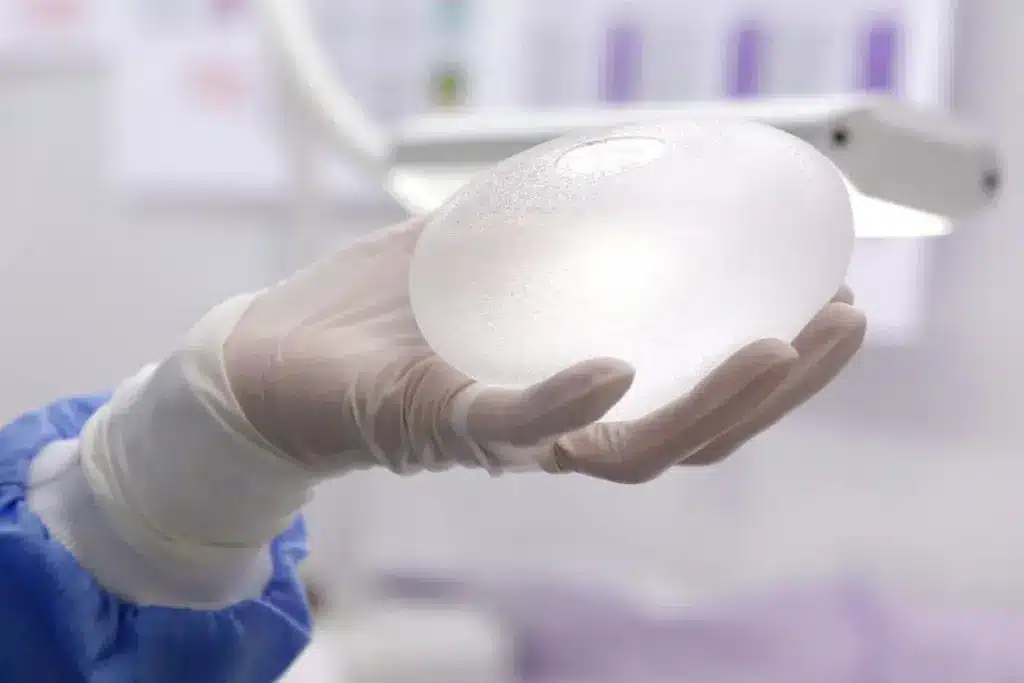
Breast surgery is a big medical step that can hurt a lot. Many women feel a lot of breast surgery pain after it’s done.
Studies show that 47.6% of patients have noticeable pain six months later. About 8.9% feel very severe pain. How much pain you feel can change a lot. It depends on the surgery type and how you handle pain.
We’ll look at the different breast surgeries, how much pain you might feel, and the chances of post mastectomy pain syndrome.
Key Takeaways
- Breast surgery can cause significant pain, varying in intensity and duration.
- Nearly half of the patients experience clinically significant pain six months post-surgery.
- Understanding the factors contributing to post-operative pain is important.
- Modern multidisciplinary care can reduce discomfort and help you recover better.
- Different types of breast surgeries have varying expected pain levels.
Understanding Pain After Breast Surgery

Breast surgery can be life-saving or life-changing. But, it can also lead to post-operative pain. Knowing the types of surgeries and their pain levels is key to managing recovery.
Types of Breast Surgeries and Expected Pain Levels
Different surgeries have different pain levels. For example, mastectomy and lumpectomy have different pain profiles. Mastectomy, which removes one or both breasts, usually has more pain than lumpectomy.
Statistics on Post-Operative Pain Experience
Research on post-operative pain helps us understand what to expect. Studies show acute pain is most intense in the first few days.
Acute Pain Statistics (First Days to Weeks)
Up to 74.6% of patients feel pain over 3/10 in the first days. But, this pain usually gets better over time.
Chronic Pain Development (20-30% of Women)
About 20-30% of women get chronic pain after surgery. A study shows long-term complications from radiation therapy can lower quality of life.
|
Time After Radiotherapy |
Incidence of Moderate to Marked Breast Fibrosis |
|---|---|
|
5 years |
15-19% |
|
10 years |
22-28% |
Risk Factors for Increased Pain Intensity
Several factors can make post-operative pain worse. These include the surgery type, pain tolerance, and any pre-existing pain. Knowing these can help tailor pain management plans.
The Reality of Post-Mastectomy Pain
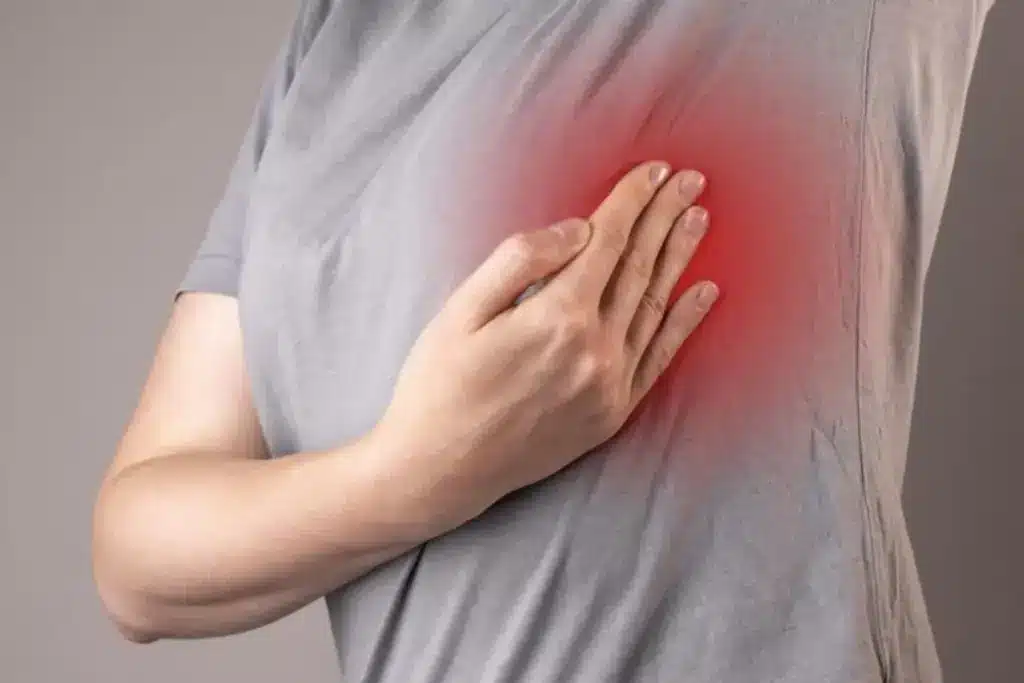
It’s important for patients to know about post-mastectomy pain. This pain is common after breast surgery. It can affect a woman’s life and recovery.
Acute vs. Chronic Pain Following Mastectomy
Pain after mastectomy can be acute or chronic. Acute pain happens right after surgery. Chronic pain lasts longer.
Studies show that pain intensity drops from 22.7 mm to 10.3 mm in four weeks. Understanding this change is key to managing pain.
Post-Mastectomy Pain Syndrome (PMPS)
Post-Mastectomy Pain Syndrome (PMPS) is a long-term pain issue. It’s caused by nerve damage. Symptoms include burning, tingling, and stabbing pain.
Research on PMC highlights PMPS as a major concern for pain management.
Common Pain Sensations and Locations
Pain after mastectomy varies. It can be felt in the chest, axilla, and arm.
Shooting and Stabbing Sensations
Patients often describe their pain as shooting or stabbing. These feelings are intense and linked to nerve damage.
Phantom Breast Pain
Some patients feel pain in their missing breast. This pain is called phantom breast pain. It’s distressing and needs careful management.
Healthcare providers must understand post-mastectomy pain to help patients. By recognizing the complexity of this pain, we can support patients better during their recovery.
How to Relieve Nerve Pain After Mastectomy: Effective Strategies
Managing nerve pain after mastectomy needs a mix of medical, physical, and self-care methods. It’s key to improve life quality for those who have had a mastectomy.
Medical Interventions for Nerve Pain Relief
Medical treatments are vital for nerve pain after mastectomy. They aim to lessen pain and better patient results.
Prescription Medications
Doctors often use medicines to handle nerve pain. These include drugs like anticonvulsants, antidepressants, and opioids. They pick the right one based on the pain’s type and how bad it is.
Nerve Blocks and Injections
Nerve blocks and injections are also used to ease pain. They work by using local anesthetics or steroids to stop pain signals.
Physical Therapy Approaches
Physical therapy is a big part of managing nerve pain. It includes gentle exercises, massage, and other treatments to reduce pain and boost movement.
At-Home Pain Management Techniques
At-home methods are key for managing pain every day. They include relaxation techniques, using heat or cold, and taking care of wounds to avoid problems.
Good care before and after surgery also helps with pain. New treatments like hyperbaric oxygen therapy might help lessen pain and scarring from breast cancer treatment.
By using these methods together, patients can get better pain relief and have a smoother recovery.
Preoperative Preparation to Minimize Post-Surgery Pain
Getting ready for surgery is key to less pain after and a better recovery. By taking steps before your breast surgery, you can change your experience and results.
The Importance of Preoperative Counseling
Talking to your doctor before surgery is very important. You’ll discuss your health history, the surgery, and what recovery will be like. This talk helps you know what to expect and can make you feel less anxious.
Managing Preoperative Anxiety
It’s important to manage your anxiety before surgery. Ways like relaxation exercises, meditation, and therapy can help. Talk to your doctor to find the best way for you.
Setting Realistic Pain Expectations
Knowing what pain you might feel after surgery helps you prepare. It’s good to have clear ideas about pain and recovery. This helps you manage your pain better and stick to your recovery plan.
Preparing Your Home for Recovery
Getting your home ready for recovery is a smart move. Make a comfy spot for resting, have what you need close, and have family or friends nearby. This way, you can relax and focus on getting better.
By focusing on these steps, you can play a big part in reducing pain after surgery. And you’ll have a better recovery experience.
Quality Perioperative Care and Its Impact on Pain
The care you get before, during, and after surgery greatly affects how you feel after. This care is key for managing pain and helping you recover well. It’s all about making sure you’re comfortable and have the best chance of a smooth recovery.
Modern Pain Management Protocols
Today, we use a mix of methods to manage pain. This approach combines different treatments to help you feel better without too many side effects. It’s tailored to fit your needs, making it the best way to handle pain.
The Role of Anesthesia Techniques
Anesthesia is a big part of managing pain during surgery. New methods like regional anesthesia and nerve blocks help a lot. They can cut down on the need for strong pain meds, which is good for your health.
Immediate Post-Surgical Care Strategies
Right after surgery, it’s important to watch your pain closely. Doctors and nurses will adjust your treatment as needed. They also stress the value of moving around early and using other ways to ease pain, like cold packs and relaxation techniques.
Hospital Discharge and Pain Management Planning
When you’re ready to go home, having a plan for pain is key. You’ll learn how to use your pain meds right and what to watch for. This helps you avoid going back to the hospital and makes your recovery smoother.
Good perioperative care can really change how you feel after surgery. It’s not just about the surgery itself but also about the care you get before and after. This care is vital for your comfort and recovery, and it’s something to think about for the long term.
Managing Specific Types of Breast Surgery Pain
Understanding the pain after breast surgery is key. Each surgery has its own pain patterns. Knowing these helps manage pain better.
Shooting Pain in Breast After Lumpectomy
Shooting pain after a lumpectomy can worry you. It often comes from nerve issues during surgery. Effective management strategies include meds, physical therapy, and sometimes nerve blocks.
Stil Sore 4 Weeks After Breast Reduction
Feeling sore 4 weeks after breast reduction is common. This pain comes from the surgery’s extensive tissue removal. Gradual improvement is expected as healing happens. Targeted physical therapy can help with this soreness.
Nerve Pain After Breast Augmentation
Nerve pain after breast augmentation is a possible issue. It can feel like sharp, stabbing pains or constant discomfort. Knowing the cause, like nerve compression, helps manage this pain.
Rib Pain Years After Mastectomy
Rib pain years after mastectomy can stem from posture changes, scar tissue, or costochondritis. Comprehensive evaluation and tailored treatment plans are vital for this long-term pain.
|
Type of Surgery |
Common Pain Characteristics |
Management Strategies |
|---|---|---|
|
Lumpectomy |
Shooting pain, nerve pain |
Medication, physical therapy, nerve blocks |
|
Breast Reduction |
Soreness, discomfort |
Physical therapy, pain management medication |
|
Breast Augmentation |
Nerve pain, sharp pain |
Nerve pain medication, physical therapy |
|
Mastectomy |
Rib pain, scar pain |
Comprehensive evaluation, tailored treatment plans |
Chronic pain affects 20–30% of women after breast surgery. It’s vital to manage pain well. Lymphedema, a condition with fluid buildup, also needs careful handling.
Dealing with Scar-Related Discomfort
Breast surgery can cause different kinds of scar pain, like stabbing and throbbing. Many patients face this issue after surgery. It can make their recovery harder.
Stabbing Pain in Surgical Scars
Stabbing pain in scars can be very upsetting. It’s caused by nerve damage or irritation while healing. Managing this pain well is important for a better life.
Throbbing Pain After Stitches
Throbbing pain after stitches is common too. It might come from the body’s reaction to the stitches or the healing process. Knowing the cause helps to reduce the pain.
Scar Tissue in Breast: Treatment Options
Scar tissue is a natural part of healing but can sometimes hurt. There are many ways to handle it, like physical therapy and topical treatments.
|
Treatment Option |
Description |
Benefits |
|---|---|---|
|
Massage Therapy |
Gentle massage to loosen scar tissue |
Reduces pain and improves mobility |
|
Topical Treatments |
Creams or gels applied directly to the scar |
Soothes the skin and reduces discomfort |
|
Physical Therapy |
Exercises to improve range of motion |
Enhances healing and reduces scar tightness |
Massage and Topical Treatments for Scar Pain
Massage and topical treatments are good for scar pain. Massage can make scar tissue less tight. Topical creams or gels can make the skin feel better.
Using these treatments in their recovery plan helps patients deal with scar pain. It makes their recovery better.
Unexpected Pain Scenarios: When to Seek Help
Pain is common after breast surgery. But, some pain scenarios need immediate attention. Knowing when to seek help is key for proper care and recovery.
Breast Pain After Hysterectomy
Some women feel breast pain after a hysterectomy. This could be due to hormonal changes or surgery-related factors. Talking to your healthcare provider about this pain is essential to find out the cause and treatment.
Sharp Pain in Reconstructed Breast
Sharp pain in a reconstructed breast is a concern. It might be from the surgery, nerve damage, or complications. Tell your surgeon about this pain for an evaluation and advice.
Pain That Worsens After Initial Improvement
If pain gets worse after it seems to get better, it might be a sign of a problem. Keep an eye on your pain and tell your healthcare provider about any changes. This is important for quick action.
Signs of Complications Requiring Medical Attention
Some signs mean you need to see a doctor right away. These include:
- Increasing pain intensity
- Redness or swelling around the surgical site
- Fever or chills
- Unusual discharge or odor
|
Signs of Complications |
Possible Causes |
Recommended Action |
|---|---|---|
|
Increasing pain intensity |
Infection, nerve damage |
Contact your healthcare provider |
|
Redness or swelling |
Infection, capsular contracture |
Seek immediate medical evaluation |
|
Fever or chills |
Infection |
Visit the emergency department |
Knowing these signs and getting medical help quickly is important. It can greatly improve your recovery and health. Always listen to your body and talk openly with your healthcare team.
Conclusion: Building Your Comprehensive Pain Management Plan
Managing pain after breast surgery needs a mix of strategies. Studies show that pain levels can vary. For example, acute pain averages 22.7 mm, while subacute pain is about 10.3 mm on a visual analog scale. We’ve looked at ways to reduce pain, like pre-op prep, quality care during surgery, and specific treatments for breast surgery pain.
Creating a detailed pain management plan is key for a smooth recovery. It’s about knowing the pain types from different surgeries, using medical treatments, physical therapy, and home remedies. Places like Liv Hospital follow the latest research to ensure top-notch care.
It’s vital to work with doctors to make a pain plan that fits you. This way, you can manage your recovery better, feel less pain, and stay healthy.
FAQ
Is breast surgery very painful?
Breast surgery can be painful for many women. The pain’s intensity and how long it lasts can vary. Knowing what causes pain and how to manage it can help reduce discomfort.
What are the common pain sensations and locations after mastectomy?
After mastectomy, women often feel shooting and stabbing pains. They might also experience phantom breast pain. Pain can be felt in the chest, armpit, or arm.
How can I relieve nerve pain after mastectomy?
To ease nerve pain after mastectomy, try a few things. This includes medical treatments, physical therapy, and home remedies.
What is post-mastectomy pain syndrome (PMPS)?
PMPS is a long-term pain condition after mastectomy. It causes ongoing pain in the chest, armpit, or arm.
How can I manage shooting pain in breast after lumpectomy?
To handle shooting pain after lumpectomy, use a mix of treatments. This includes medical help, physical therapy, and home care.
Is it normal to be sore 4 weeks after breast reduction?
Some soreness is okay after breast reduction. But, if you’re sore for 4 weeks, see a doctor. They can check for any issues.
How can I relieve nerve pain after breast augmentation?
To ease nerve pain after breast augmentation, try different methods. This includes medical treatments, physical therapy, and home remedies.
What causes rib pain years after mastectomy?
Rib pain after mastectomy can come from several sources. This includes scar tissue, nerve damage, or other issues.
Can scar tissue in breast cause pain?
Yes, scar tissue in the breast can lead to pain. This includes stabbing or throbbing feelings.
How can I manage throbbing pain after stitches?
To handle throbbing pain after stitches, use a variety of methods. This includes medical treatments, physical therapy, and home care.
What are the signs of complications requiring medical attention after breast surgery?
Look out for signs of complications after breast surgery. These include more pain, redness, swelling, or discharge from the site.
Can breast pain occur after hysterectomy?
Yes, breast pain can happen after hysterectomy. It might be due to hormonal changes or other factors.
How can I manage sharp pain in reconstructed breast?
To deal with sharp pain in a reconstructed breast, try different approaches. This includes medical treatments, physical therapy, and home remedies.
National Center for Biotechnology Information. Evidence-Based Medical Insight. Retrieved from
References
National Center for Biotechnology Information. Evidence-Based Medical Insight. Retrieved from https://pubmed.ncbi.nlm.nih.gov/12968958/[1