Seven practical steps demonstrating how to relieve pulled muscle in lower back pain and tension quickly. A pulled lower back muscle, or lumbar strain, is a common injury. It can cause a lot of pain and make daily activities hard. At Liv Hospital, we know this injury often comes from lifting heavy things, sudden twists, or bad posture.
If you’re feeling sharp pain or just a dull ache, our 7-step plan can help. We’ll show you how to get better and avoid getting hurt again. We’ll cover the reasons, signs, and ways to treat lower back strain to help you heal fully.
Key Takeaways
- Understanding the causes of a pulled lower back muscle is key to treating it right.
- Our 7-step guide offers a complete way to ease lumbar strain.
- Getting a proper diagnosis is vital to find the best treatment.
- Combining medical care with lifestyle changes can speed up healing.
- Staying safe from future injuries means keeping good posture and lifting right.
Understanding Pulled Lower Back Muscles
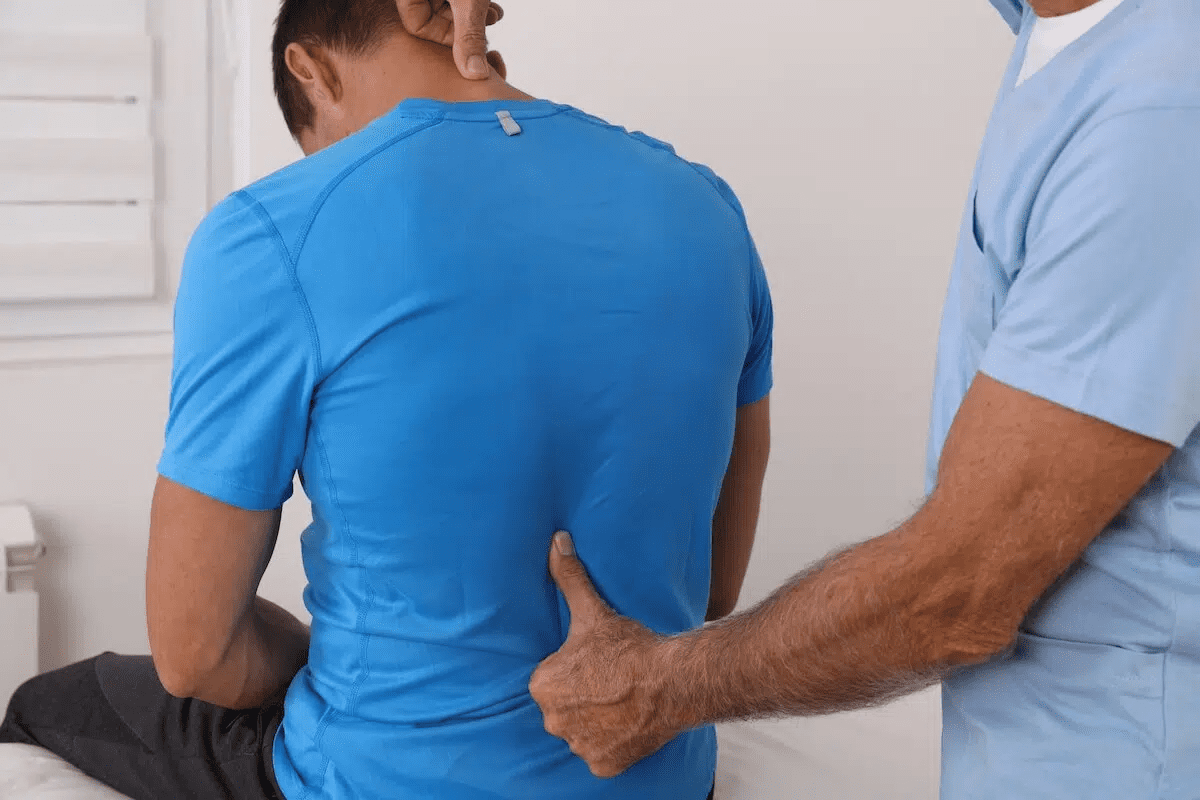
Lower back muscle strains happen when the muscle fibers stretch or tear. This usually comes from sudden injury or too much use. We’ll dive into what lumbar strain is, why it happens, and its types to fully grasp this condition.
What Is a Lumbar Strain?
A lumbar strain is when the muscles in the lower back stretch or tear. It causes pain and discomfort, from mild to severe. Lumbar strain is a common issue for people of all ages and activity levels.
Common Causes of Lower Back Muscle Strains
Many things can lead to lower back muscle strains. These include:
- Sudden injuries, such as falls or direct blows to the back
- Overuse or repetitive strain from activities like heavy lifting or bending
- Poor posture or biomechanics, leading to uneven stress on the muscles
- Excess weight, which puts additional strain on the lower back muscles
- An inactive lifestyle, resulting in weakened muscles and reduced flexibility
Different Types of Lower Back Strains
Lower back strains vary in severity and the muscles affected. The main types are:
- Mild strains, characterized by minimal pain and limited impact on daily activities
- Moderate strains, involving more significant pain and some limitation in movement
- Severe strains, marked by intense pain and considerable impairment of normal functions
Understanding lumbar strain, including its causes and types, helps us tackle treatment and prevention better.
Recognizing the Symptoms of a Pulled Lower Back Muscle
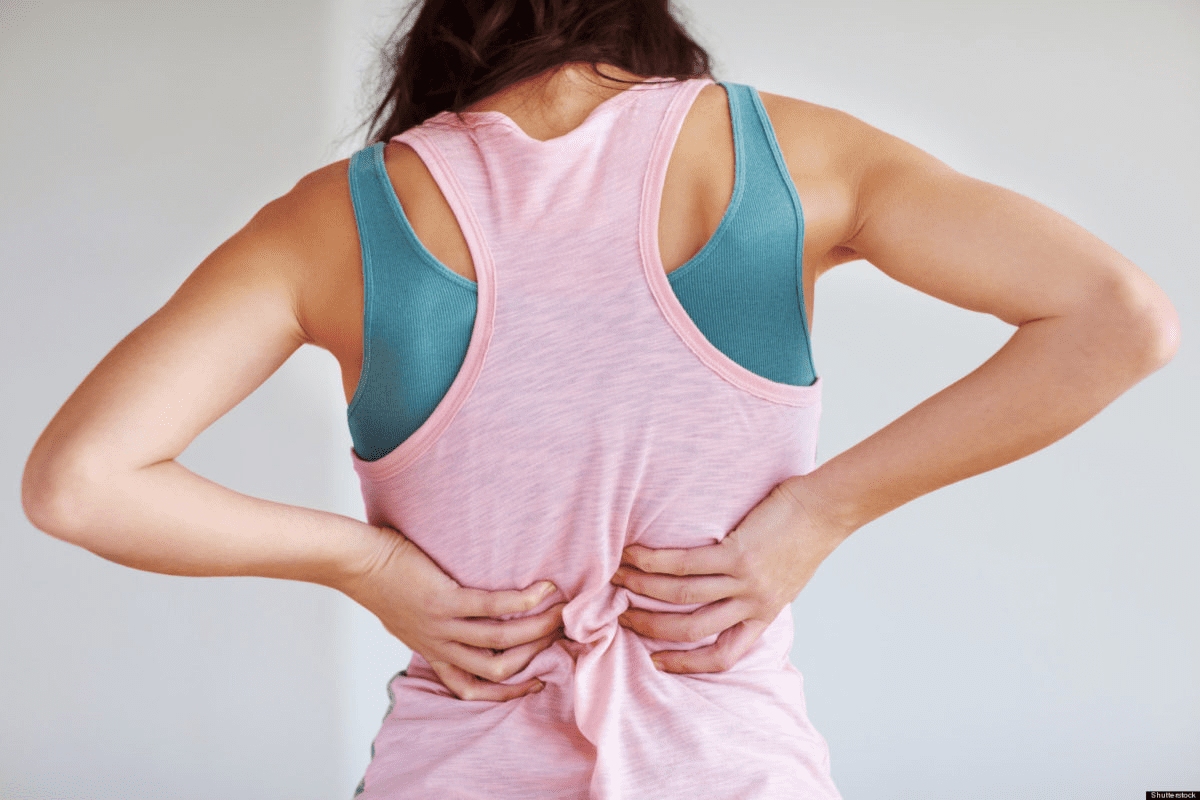
Knowing the signs of a pulled lower back muscle is key to healing and avoiding more harm. A pulled muscle in the lower back, or lumbar strain, shows in different ways. This depends on how bad the injury is and where it is.
Common Signs and Symptoms
A pulled lower back muscle can cause sharp pain, muscle spasms, stiffness, and less movement. These symptoms can really affect your daily life and how well you feel. Pain often gets worse when you move, and sometimes it spreads to your buttocks or legs.
Common signs and symptoms include:
- Ache and stiffness in the lower back muscles
- Pain that worsens with movement
- Limited range of motion
- Muscle spasms
Specific Symptoms by Location (Left Side vs. Right Side)
The location of the pulled muscle affects the symptoms. For example, a pulled muscle on the left side of the lower back may cause pain and stiffness mainly on the left side. This pain might also spread down to the left leg. On the other hand, a strain on the right side may affect the right side of the body in a similar way.
Knowing where the strain is helps in treating it better. Symptoms can differ based on the side affected and how severe the strain is.
When to Seek Medical Attention
While many pulled lower back muscles can be treated without a doctor, some need medical help. If you have severe pain, numbness, tingling, or weakness in your legs, or if the pain doesn’t get better or gets worse, see a doctor.
Also, if you’ve had a big injury or if you have symptoms like losing control of your bladder or bowel, get medical help right away.
How to Relieve Pulled Muscle in Lower Back: The Recovery Timeline
Knowing how long it takes for a pulled lower back muscle to heal is key. Studies show that over 90% of people with this injury get better in a month. The healing process has different stages, each needing special care for the best results.
Acute Phase (First 24-72 Hours)
The first stage, the acute phase, lasts from 24 to 72 hours. Here, we focus on lessening pain and swelling. Resting, avoiding hard activities, and using cold packs are recommended. Doctors say the first 72 hours are vital for controlling pain and swelling.
Subacute Phase (3-14 Days)
After the acute phase, we enter the subacute phase, lasting 3 to 14 days. We start with gentle stretches and exercises to boost flexibility and strength. It’s important to move slowly to prevent further injury. As pain goes down, we can do more and move better.
Key activities during the subacute phase include:
- Gentle stretching exercises
- Mobility exercises to improve flexibility
- Gradual increase in physical activity
Full Recovery Expectations (1-4 Weeks)
Recovery from a pulled lower back muscle usually takes 1 to 4 weeks. The time needed varies based on the injury’s severity and personal health. We stress the need for patience and sticking to the recovery plan for the best results.
“Most individuals can expect to make a full recovery from a lower back muscle strain within a month, provided they follow a structured recovery plan and avoid re-injury.”
By knowing and sticking to the recovery timeline, we can heal well and safely return to our activities.
Step 1: Immediate Rest and Ice Therapy
For those with a pulled lower back muscle, rest and ice are key. This first step helps lessen pain and swelling. It’s the start of a smoother healing journey.
The Importance of Relative Rest
Relative rest means avoiding activities that make the injury worse but not stopping all movement. It’s about finding a balance between rest and gentle mobility to help the muscles heal without losing flexibility and strength.
Don’t stay in bed too long, as it can make you stiffer and slow healing. Instead, move gently and avoid positions that hurt.
Cold Therapy Protocol for Acute Pain
Cold therapy is great for quick pain relief and swelling. Ice on the sore spot reduces blood flow, numbs the pain, and cuts down swelling.
- Wrap ice in a cloth and apply it for 15-20 minutes.
- Do this every 2-3 hours for the first 24-72 hours.
- Try a cold pack or frozen peas instead of ice.
Activities to Avoid During Initial Recovery
Stay away from activities that could make the injury worse during the first recovery phase. This includes:
- Heavy lifting or bending.
- High-impact activities like running or jumping.
- Sudden or jerky movements.
- Prolonged sitting or standing in one position.
By skipping these activities and using rest and ice, you can help your recovery. As we move forward, we’ll look at more ways to ease the pain of a pulled lower back muscle.
Step 2: Pain Management and Heat Therapy
Pain management and heat therapy are key to recovering from a pulled lower back muscle. First, you need to treat the injury. Then, focus on managing pain and making yourself comfortable to help your body heal.
Over-the-Counter Pain Medication Options
Over-the-counter (OTC) pain meds are important for dealing with lower back strain pain. Nonsteroidal anti-inflammatory drugs (NSAIDs) like ibuprofen and naproxen help reduce pain and swelling. Acetaminophen is also an option for pain relief, but it doesn’t fight inflammation.
When picking an OTC pain med, always follow the dosage instructions. Also, talk to a doctor if you have health issues or concerns.
- Ibuprofen: Good for cutting down inflammation and pain.
- Naproxen: Offers longer pain relief than ibuprofen.
- Acetaminophen: Good for those who can’t take NSAIDs.
When and How to Transition to Heat Therapy
After the first few days, you can start using heat therapy to aid in healing. Heat therapy boosts blood flow, eases stiffness, and lessens pain.
To use heat therapy well:
- Apply heat for 15-20 minutes at a time.
- Use a warm towel, heating pad, or heat wrap.
- Don’t put heat directly on your skin; use a cloth or towel first.
Natural Pain Relief Alternatives
There are natural ways to ease pain too. These can help along with OTC meds and heat therapy. Some options include:
- Arnica gel or cream: Applied topically, it may lessen pain and swelling.
- Turmeric: It has curcumin, which fights inflammation.
- Gentle massage: It can relax tight muscles and boost blood flow.
Always talk to a healthcare professional before trying new pain relief methods. This is important if you have health issues or are on other meds.
Step 3: Gentle Stretching and Mobility Exercises
Gentle stretching and mobility exercises are key in healing a pulled lower back muscle. They improve flexibility and help the muscle heal. These exercises are vital for getting back to normal.
Safe Stretches for Acute Lower Back Strain
When you first get a lower back strain, it’s important to start with gentle stretches. These stretches should not hurt. Some good ones are:
- Knee to Chest Stretch: Helps to relax the lower back muscles.
- Pelvic Tilt: Strengthens the abdominal muscles and relieves tension in the lower back.
- Cat-Cow Stretch: Promotes flexibility and reduces stiffness in the spine.
Progression of Movement During Recovery
As the pain gets better, you should move on to more active exercises. This helps you regain strength and flexibility. Here’s a sample plan:
Phase | Exercises | Duration |
Acute Phase (0-3 days) | Gentle stretches like Knee to Chest and Pelvic Tilt | 2-3 times a day |
Subacute Phase (3-14 days) | Introduction to Cat-Cow Stretch and gentle lumbar rotations | 3-4 times a day |
Strengthening Phase (after 14 days) | Progress to core strengthening exercises like planks and bridges | 4-5 times a day |
Exercises for Specific Areas
If you have pain on one side of your lower back, there are exercises that can help. For pain on the left side, try:
- Left Knee to Chest Stretch: Modify the knee to chest stretch to target the left side.
- Rotational Stretch: Gently rotate your torso to the left to stretch the lower left back.
For pain on the right side, adjust the stretches to focus on the right area. Always listen to your body and stop if the pain gets worse.
Adding gentle stretching and mobility exercises to your routine can greatly help in healing. It helps you regain strength and flexibility in your lower back.
Steps 4-5: Strengthening and Support Techniques
Strengthening your core and lower back muscles is key to a lasting recovery and avoiding injury again. We focus on exercises that stabilize the core, improve lower back health, and use supportive devices to help in the healing process.
Core Stabilization Exercises
Core stabilization exercises are essential for spine stability. The McGill Big 3 routine is very effective. It includes the modified curl-up, bird dog, and side bridge. These exercises build core strength and endurance, supporting the lower back.
To add core stabilization exercises to your routine:
- Begin with lower intensity and increase as your core gets stronger.
- Focus on proper form and technique to avoid straining your lower back.
- Do these exercises regularly, 2-3 times a week, for best results.
Lower Back Rehabilitation Movements
Lower back rehabilitation movements help restore strength and flexibility. Exercises like pelvic tilts, knee to chest stretches, and gentle lumbar extensions are helpful. They improve range of motion and reduce stiffness.
Exercise | Description | Repetitions |
Pelvic Tilt | Lie on your back with knees bent, tilt your pelvis upwards and then back down. | 10-15 |
Knee to Chest Stretch | Lie on your back, bring one knee towards your chest and hold. | 5-10 per leg |
Lumbar Extension | Lie on your stomach, slowly lift your upper body off the ground. | 5-10 |
Supportive Devices and Proper Posture
Using supportive devices and maintaining proper posture are vital for lower back health. Lumbar support belts can offer extra stability during recovery. Also, practicing good posture daily can greatly reduce lower back strain.
To keep proper posture:
- Stand up straight with your shoulders back and avoid slouching.
- When sitting, keep your feet flat on the floor or on a footrest, with your knees at or below hip level.
- Use a chair with adequate lumbar support or adjust your workspace to promote good posture.
Steps 6-7: Advanced Recovery and Return to Activity
To fully recover, we need to use progressive strengthening and check if we’re ready to do normal activities again. It’s key to balance getting stronger and not hurting ourselves again.
Progressive Strengthening Techniques
Using progressive strengthening is important for getting our lower back muscles strong again. We’ll make our exercises harder to keep pushing our muscles to recover.
- Start with low-intensity exercises and gradually increase the difficulty.
- Incorporate core stabilization exercises to support the lower back.
- Use resistance bands or light weights to add resistance to movements.
Example Progressive Strengthening Routine:
Exercise | Initial Intensity | Progressed Intensity |
Pelvic Tilts | 10 reps | 20 reps |
Bridges | 5 reps | 15 reps |
Planks | 20 seconds | 60 seconds |
Assessing Readiness for Regular Activity
Before we go back to normal activities, we must check if we’re ready. We look at our strength, flexibility, and pain levels.
- Check for pain or discomfort during daily activities.
- Assess the strength and stability of the lower back muscles.
- Evaluate flexibility and range of motion.
Preventing Re-Injury During Transition
To avoid hurting ourselves again, we must be careful and slow when going back to normal activities. We should keep good posture, use supports when needed, and keep doing our strengthening exercises.
Key strategies include:
- Maintaining a consistent exercise routine.
- Using proper lifting techniques to avoid strain.
- Gradually increasing activity levels.
By following these steps and listening to our bodies, we can have a successful recovery from a pulled lower back muscle.
Conclusion
Fixing a pulled lower back muscle needs a full plan. This includes knowing what’s wrong, spotting the signs, and using the right treatments. By taking the 7 steps we mentioned, you can ease the pain and stop it from happening again.
Getting better from a sprain in the lower back starts with rest and ice. Then, manage the pain, stretch gently, and get stronger slowly. It’s key to go back to normal activities carefully to avoid hurting yourself again.
Our way to treat lower back strain mixes rest, cold therapy, pain control, and specific exercises. Learning how to handle a tweaked lower back is the first step to healing and avoiding future problems.
By using these methods, we offer a clear plan for recovering from lower back strain. This plan is both effective and lasting, helping you find relief from pulled lower back muscles.
FAQ
What is a lumbar strain?
A lumbar strain is an injury to the muscles or tendons in the lower back. It happens when these muscles or tendons get over-stretched or torn.
What are the common causes of lower back muscle strains?
Common causes include sudden movements and heavy lifting. Poor posture and overuse also play a role. These can lead to muscle fatigue and strain.
How do I know if I have pulled a lower back muscle?
You might feel pain, stiffness, and limited mobility in your lower back. Muscle spasms are also a sign of a pulled muscle.
What are the symptoms of a pulled lower back muscle on the left side?
Symptoms include pain and stiffness on the left side of your lower back. You might also feel pain spreading to your buttock or leg.
How long does it take to recover from a pulled lower back muscle?
Recovery time varies, but most people heal in 1-4 weeks. This is with proper rest, treatment, and rehabilitation.
What is the best way to treat a pulled muscle in the lower back?
Treatment involves rest, ice therapy, and pain management. Gentle stretching and strengthening exercises also help. They promote healing and prevent re-injury.
Can I continue to exercise with a pulled lower back muscle?
Avoid activities that make the condition worse. Modify your exercise routine to avoid straining your lower back.
How can I prevent re-injury when returning to normal activities?
Gradually return to normal activities. Maintain proper posture and do regular strengthening and stretching exercises. This helps prevent re-injury.
What are some natural pain relief alternatives for lower back strain?
Natural pain relief includes heat or cold therapy, massage, and acupuncture. Herbal supplements like arnica or turmeric can also help, but only under a healthcare professional’s guidance.
When should I seek medical attention for a pulled lower back muscle?
Seek medical attention for severe pain, numbness, tingling, or weakness in your legs. Also, if you have trouble controlling your bladder or bowels.
References
National Center for Biotechnology Information. Evidence-Based Medical Guidance. Retrieved from https://www.ncbi.nlm.nih.gov/books/NBK542314/