

Feeling sharp, nagging pain on the top of your foot while running can really hurt. Studies show that foot injuries are common among runners. Pain on top of the foot is a big part of all foot pain cases.
At Liv Hospital, we know how much foot pain can stop you from being active. Our team is here to help. We use the latest in healthcare to treat you with care and skill.
Key Takeaways
- Foot pain on top of the foot is a common issue among runners.
- Causes include tendonitis, metatarsal stress fractures, and improper footwear.
- Addressing foot pain is key to staying active.
- Liv Hospital offers top-notch healthcare for international patients.
- Good treatment can ease running-related foot pain.
Common Causes of Running Foot Pain on Top of Foot
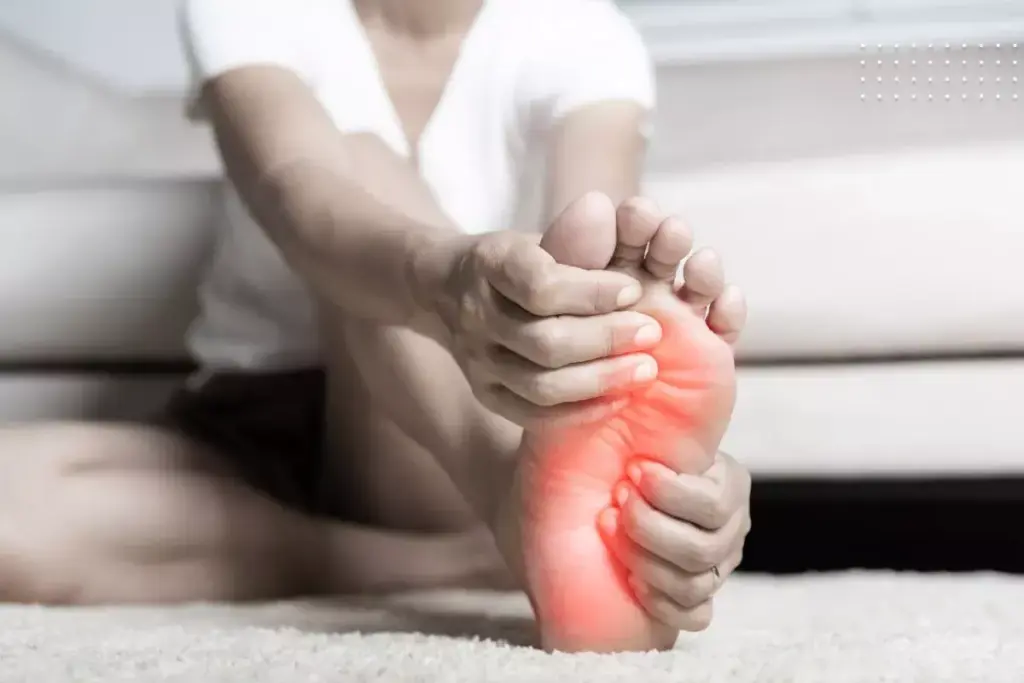
Foot pain on the top of the foot is common among runners. It comes from different reasons. Knowing these causes helps find ways to feel better.
Extensor Tendonitis and Overuse Injuries
Extensor tendonitis is when the tendons that lift and straighten the toes get inflamed. It often happens from overuse or repetitive strain. Runners who suddenly increase their running or change their route are at risk. It’s best to gradually increase your training.
Symptoms include pain and swelling on the top of the foot, getting worse with activity. For more on this, check out our detailed article.
Metatarsal Stress Fractures
Metatarsal stress fractures are small cracks in the foot bones. They’re caused by repetitive stress and overuse. Runners who suddenly start running more or harder are at risk. Wearing the right shoes and training slowly can help avoid this.
| Cause | Symptoms | Prevention |
| Metatarsal Stress Fractures | Pain, swelling on the top of the foot | Proper footwear, gradual training |
| Extensor Tendonitis | Pain, swelling, worsens with activity | Gradual training progression, proper stretching |
| Improper Footwear | Discomfort, pain on the top of the foot | Choosing the right shoe, proper lacing |
Improper Footwear and Training Errors
Wearing the wrong shoes is a big problem for foot pain. Shoes that are too tight or don’t fit right can cause pain. Also, running on hard surfaces or increasing intensity too fast can make it worse. Runners should choose the right shoes and be careful with their training.
Knowing why runners get foot pain on the top of the foot helps prevent and treat it. Whether it’s tendonitis, stress fractures, or bad shoes, being informed is key to feeling better.
Immediate Relief Strategies for Runners
For runners, pain on the top of the foot is common. It needs quick and effective relief. We know how important it is to fix this to keep running smoothly.
“The key to managing running-induced foot pain lies in immediate and effective relief measures,” as emphasized by sports medicine professionals. Our approach includes rest, proper footwear adjustments, and specific exercises to alleviate the discomfort.
R.I.C.E Method for Acute Pain
The R.I.C.E method, standing for Rest, Ice, Compression, and Elevation, is a widely recognized technique for managing acute pain and inflammation. By giving your foot a break and avoiding activities that aggravate the pain, you can start the healing process.
- Rest: Avoid activities that cause pain.
- Ice: Apply ice to reduce pain and inflammation.
- Compression: Use compression bandages to reduce swelling.
- Elevation: Elevate your foot above the level of your heart to reduce swelling.
Footwear Adjustments and Lacing Techniques
Adjusting your footwear and lacing techniques can significantly alleviate pressure on the top of the foot. Ensuring a proper fit and using appropriate lacing can make a substantial difference.
Proper lacing techniques can help reduce pressure on sensitive areas. Consider using different lacing patterns to alleviate tension on the top of the foot.
Self-Massage and Stretching Exercises
Self-massage and stretching exercises are key for reducing tension and promoting healing in the foot. Gentle massage techniques can help relax the tendons and muscles, while stretching can improve flexibility.
By adding these immediate relief strategies to your routine, you can manage pain on top of the foot from running. This way, you can keep training with little to no disruption.
Long-Term Prevention and Recovery Plan
Creating a long-term plan is key to avoiding and treating foot pain from running. This plan should include strengthening exercises, gradual training, and knowing when to get professional help.
Strengthening Exercises for Foot Stability
Strengthening the foot muscles is essential for stability and injury prevention. Toe curls and heel raises target the foot arch and ankle muscles. Marble pickups also improve toe strength and dexterity.
- Toe curls: Stand on a flat surface and curl your toes under, then release.
- Heel raises: Stand on the edge of a stair or curb with your heels hanging off, raise up onto your tiptoes, and then lower back down.
- Marble pickups: Place a marble on the floor and pick it up using your toes.
A study in the Journal of Orthopaedic & Sports Physical Therapy shows these exercises can lower foot injury risk in runners.
– Journal of Orthopaedic & Sports Physical Therapy
Gradual Training Progression and Form Correction
Slowly increasing training is vital to avoid overuse injuries, including top of the foot issues. Runners should not increase weekly mileage by more than 10% each week. Also, proper running form reduces foot stress.
Improving running form means using a midfoot or forefoot strike instead of heel striking. Keeping your posture upright and avoiding overstriding is also important.
When to Consult a Sports Medicine Professional
While self-care and prevention can manage many cases of foot pain, sometimes professional help is needed. If the pain is severe, persistent, or has swelling or bruising, get professional advice.
A sports medicine professional can assess the pain, find the cause, and suggest a treatment plan. They can also recommend orthotics and footwear to help prevent pain.
Conclusion
Understanding why your foot hurts when running is key to feeling better. We’ve talked about several reasons, like tendonitis, stress fractures, and bad shoes.
To ease the pain, try the R.I.C.E method, change your shoes, and massage your foot. Also, a plan to strengthen your foot and gradually get back to running can help. This way, you can avoid getting hurt again.
Recognizing the need to address foot pain is important for runners. If your foot keeps hurting, see a sports doctor for help.
Managing foot pain when running requires knowing the causes, using relief methods, and having a long-term plan. We aim to give you the best advice to keep your feet healthy and pain-free.
FAQ:
What are the most common causes of pain on top of the foot when running?
Common causes include extensor tendonitis and metatarsal stress fractures. Issues with footwear and training errors also play a role. Knowing these causes helps in finding relief and prevention.
How can I relieve pain on top of my foot immediately after running?
Use the R.I.C.E method (Rest, Ice, Compression, Elevation) for quick relief. Adjust your shoes and lacing, and try self-massage and stretching. These steps can lessen pain and swelling.
What are some long-term strategies for preventing running foot pain on top of the foot?
For long-term prevention, strengthen your foot with exercises. Gradually increase your training and work on your running form. Also, getting advice from a sports medicine expert can help avoid injuries.
Can improper footwear cause pain on top of the foot when running?
Yes, wearing the wrong shoes can lead to foot pain. Shoes that are too tight or don’t fit right can cause discomfort and injuries like extensor tendonitis.
How do I know if I have a metatarsal stress fracture?
A metatarsal stress fracture hurts the top of your foot more when you’re active. It feels better when you rest. If you think you have one, see a doctor for a diagnosis and treatment.
Are there any exercises that can help strengthen my foot and prevent pain?
Yes, toe curls and spreads can strengthen your foot. They help keep your foot stable and lower injury risk. Adding these exercises to your routine can improve your foot’s health.
When should I consult a sports medicine professional about my running foot pain?
See a sports medicine expert if your pain doesn’t go away or gets worse. Or if you’re not sure why you’re in pain. They can give you a detailed check-up and suggest the right treatment.
References:
National Center for Biotechnology Information. Evidence-Based Medical Insight. Retrieved from https://pmc.ncbi.nlm.nih.gov/articles/PMC4529586/