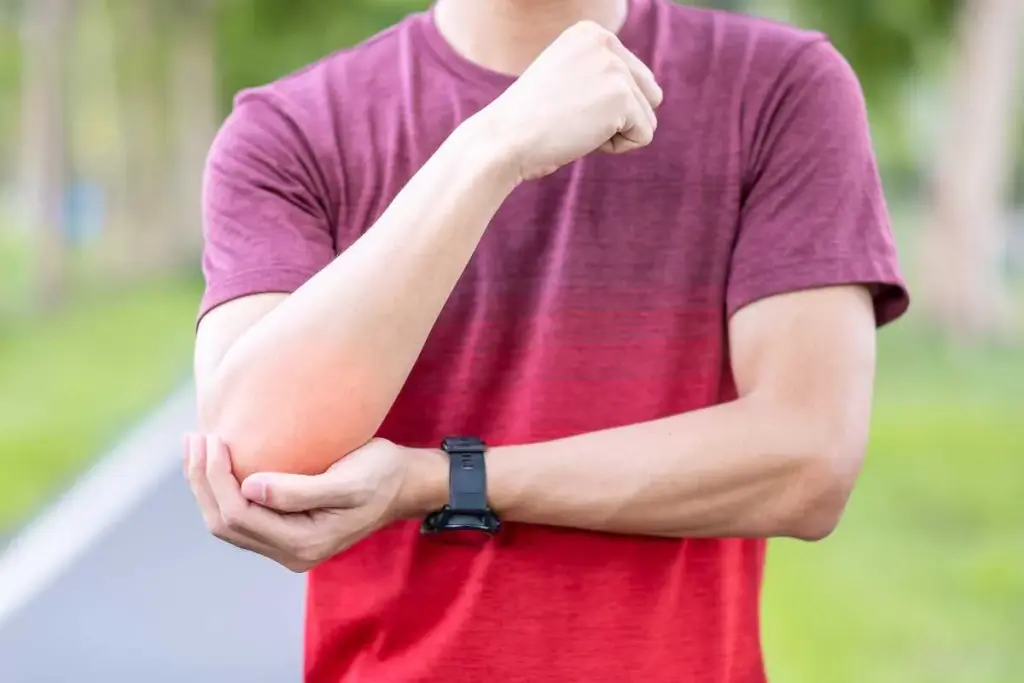
Tennis elbow, or lateral epicondylitis, affects millions worldwide. It causes pain and discomfort on the outside of the elbow. While it’s often linked to sports, it can also come from everyday activities.
Fortunately, most tennis elbow cases get better with simple treatments. The Medical organization says that if pain doesn’t go away, physical therapy might help. We’ll show you how to ease tennis elbow pain, covering different treatment options and their success rates.
Key Takeaways
- Understanding the causes and symptoms of tennis elbow
- Exploring conservative treatment strategies
- The role of physical therapy in relieving tennis elbow
- Effective ways to manage pain and discomfort
- Prevention techniques to avoid future occurrences
Understanding Tennis Elbow
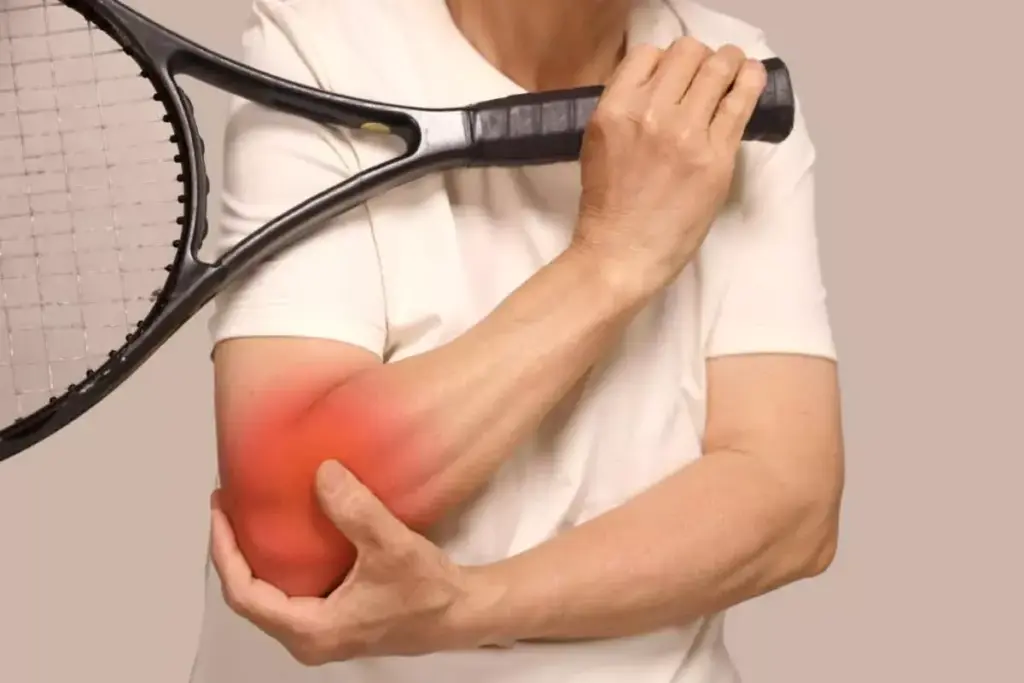
Knowing what causes and shows symptoms of tennis elbow is key to treating it well. Tennis elbow, or lateral epicondylitis, is a condition that causes pain on the outside of the elbow. This pain can be very bad and make daily tasks hard.
What Causes Pain on Outside of Elbow When Lifting
The pain on the outside of the elbow when lifting comes from tendons getting inflamed. These tendons attach to the lateral epicondyle, a bony bump on the outside of the elbow. This inflammation happens because of repeated strain on the forearm extensors, causing tiny tears in the tendons.
Activities like gripping, twisting, and lifting can make the condition worse. According to Access Orthopaedics, pain and tenderness on the outer elbow are common symptoms. The pain can also spread down into the forearm, showing why getting a proper diagnosis and treatment is so important.
Common Symptoms and Diagnosis
People with tennis elbow often feel pain or burning on the outside of the elbow. They might also have a weaker grip and pain when twisting or lifting. Doctors usually check for pain and tenderness during a physical exam.
They might use tests like the Cozen’s test or the Mill’s test. Getting a correct diagnosis is key to rule out other conditions that might cause similar symptoms. Sometimes, doctors might suggest X-rays or MRI scans to see how bad the tendon damage is.
Prevalence and Risk Factors
Tennis elbow is quite common, affecting people who do activities that involve repetitive arm and wrist movements. It’s more likely to happen in racquet sports, manual labor, or any job that requires gripping and twisting a lot.
| Risk Factor | Description |
| Racquet Sports | Playing tennis or other racquet sports that involve gripping and twisting. |
| Manual Labor | Engaging in jobs that require repetitive arm movements, such as carpentry or plumbing. |
| Age | Tennis elbow is more common in individuals between the ages of 30 and 50. |
Knowing these risk factors can help prevent and diagnose tennis elbow early. This ensures that treatment can start right away.
Effective Ways to Relieve Tennis Elbow

Tennis elbow can be really tough to deal with. But, there are many ways to make it better and help it heal. We know it’s hard, but with the right steps, you can feel better and use your elbow like before.
Immediate Self-Care Strategies
When you first get tennis elbow, taking care of yourself is very important. Start by resting and avoiding things that make it worse. Putting ice on the area can help with pain and swelling.
Also, using over-the-counter pain meds like ibuprofen or naproxen can help with pain and swelling.
Rest and Activity Modification are key steps at first. Giving your elbow a break and changing how you do things can really help. This might mean not lifting heavy, gripping too hard, or doing the same motion over and over.
Physical Therapy Exercises
Physical therapy is a big part of getting better from tennis elbow. It’s a good idea to talk to a physical therapist. They can make a plan to strengthen your forearm and improve flexibility. You might do wrist extensions, forearm exercises, and grip strengthening.
Strengthening the Muscles through these exercises helps you recover and prevents it from coming back. A physical therapist will show you how to do the exercises right.
Braces and Support Devices
Braces and support devices can also help by taking some pressure off the tendons. We often suggest using a tennis elbow brace or counterforce brace. They can help with pain during activities.
Choosing the right brace or support device depends on what you need and what you do. Talking to a healthcare professional can help find the best one for you.
Is Tennis Elbow Permanent? Recovery Timeline
Tennis elbow can be very painful, but it’s not always a permanent problem. How long it takes to get better varies a lot. This depends on how bad the condition is and how well the treatment works.
Does Tennis Elbow Go Away on Its Own?
Many times, tennis elbow gets better with rest and care. But, not everyone is lucky. Some people keep feeling pain if they keep doing things that make it worse. Access Orthopaedics says that most people get better without surgery, but it takes time.
Key factors influencing recovery include:
- Severity of the initial injury
- Effectiveness of the treatment plan
- Patient compliance with rehabilitation exercises
- Avoidance of aggravating activities
Typical Recovery Expectations
Recovery time for tennis elbow varies, but most see big improvements in months. Being patient and sticking to treatment is key. Here’s what to expect:
- Initial Phase (0-6 weeks): Rest, ice, and anti-inflammatory measures help reduce pain and inflammation.
- Rehabilitation Phase (6-12 weeks): Physical therapy exercises strengthen the forearm muscles and improve flexibility.
- Advanced Phase (3-6 months): Gradually return to normal activities, including sports, while continuing to strengthen the affected area.
When to Consider Medical Intervention
While many cases of tennis elbow get better with treatment, some need medical help. If symptoms don’t get better or get worse after months of trying to fix it yourself, see a doctor. Doctors can offer treatments like:
- Corticosteroid injections to reduce inflammation
- Platelet-rich plasma (PRP) therapy to promote healing
- Surgical options in severe cases
Getting help early and having a good treatment plan can really help. Most people can get better and go back to their usual activities.
Conclusion: Prevention and Long-Term Management
Managing tennis elbow well means taking care of yourself right away, getting physical therapy, and preventing it from coming back. The Medical organization says it’s important to build up your elbow’s strength and use it again. Doing exercises that make your forearm stronger and more flexible can help prevent it from happening again.
There are many good ways to treat tennis elbow, like physical therapy, braces, and support devices. Staying healthy and active, and using the right techniques in sports or activities, can also help. This can lower your chance of getting tennis elbow.
To manage tennis elbow for the long term, watch out for activities that might cause it. Taking steps to avoid these risks is important. By being proactive, you can live a healthier, more active life with fewer elbow injuries.
FAQ
What is tennis elbow and how is it caused?
Tennis elbow is a condition that causes pain on the outside of the elbow. It happens when you strain the tendons and muscles that control your wrist and fingers. This strain comes from doing the same thing over and over again.
How do you relieve tennis elbow symptoms?
To ease tennis elbow symptoms, start with self-care steps. This includes resting, using ice, and wearing a brace. Physical therapy exercises also help. They strengthen the muscles and improve movement.
Is tennis elbow permanent?
Most people can get better from tennis elbow with the right treatment. It’s not usually a permanent problem. But, if you don’t treat it, it can lead to chronic pain and limited movement.
Does tennis elbow go away on its own?
Sometimes, mild tennis elbow can get better with rest and self-care. But, if it doesn’t get better or gets worse, you should see a doctor. This can prevent more serious damage.
What are the best remedies for tennis elbow?
The best ways to treat tennis elbow include rest, ice, and wearing a brace. Physical therapy is also key. It helps strengthen the muscles and improve movement.
How can I prevent tennis elbow?
To avoid tennis elbow, stay active and warm up before exercising. Avoid doing the same thing over and over. This helps keep your tendons and muscles healthy.
What are the typical recovery expectations for tennis elbow?
Recovering from tennis elbow can take weeks to months. It depends on how bad it is and how well you treat it.
When should I consider medical intervention for tennis elbow?
If your symptoms don’t get better with self-care, see a doctor. They can check for other problems and guide you on the next steps.
How do I ease tennis elbow pain?
To reduce tennis elbow pain, use ice, take breaks, and change how you do activities. This helps lessen the strain on your tendons and muscles.
What is the best treatment for tennis elbow?
The best treatment for tennis elbow is a mix of physical therapy, bracing, and sometimes medical treatments. This can include injections or platelet-rich plasma (PRP) therapy.
References
National Center for Biotechnology Information. Evidence-Based Medical Insight. Retrieved from https://pmc.ncbi.nlm.nih.gov/articles/PMC6926298/