De Quervain’s tenosynovitis is a common condition that affects millions, mostly women over forty. It leads to inflammation and thickening of the tendon sheaths around the abductor pollicis longus and extensor pollicis brevis tendons.
This condition makes everyday tasks hard, like typing or doing childcare, because of wrist and thumb pain. At Liv Hospital, we focus on proper diagnosis and treatment. Our approach is centered on you, ensuring you get the best care.
Knowing about De Quervain’s tenosynovitis and its treatments is key to feeling better. We’ll help you understand the causes and options for treatment. This way, you can manage your condition well.
Key Takeaways
- De Quervain’s tenosynovitis affects the tendons controlling thumb movement.
- It causes pain and tenderness, mainly when forming a fist or grasping.
- Proper diagnosis is essential for effective treatment.
- Treatment options vary, from conservative management to surgical intervention.
- Early diagnosis improves treatment outcomes.
Understanding De Quervain’s Tenosynovitis: Causes and Risk Factors
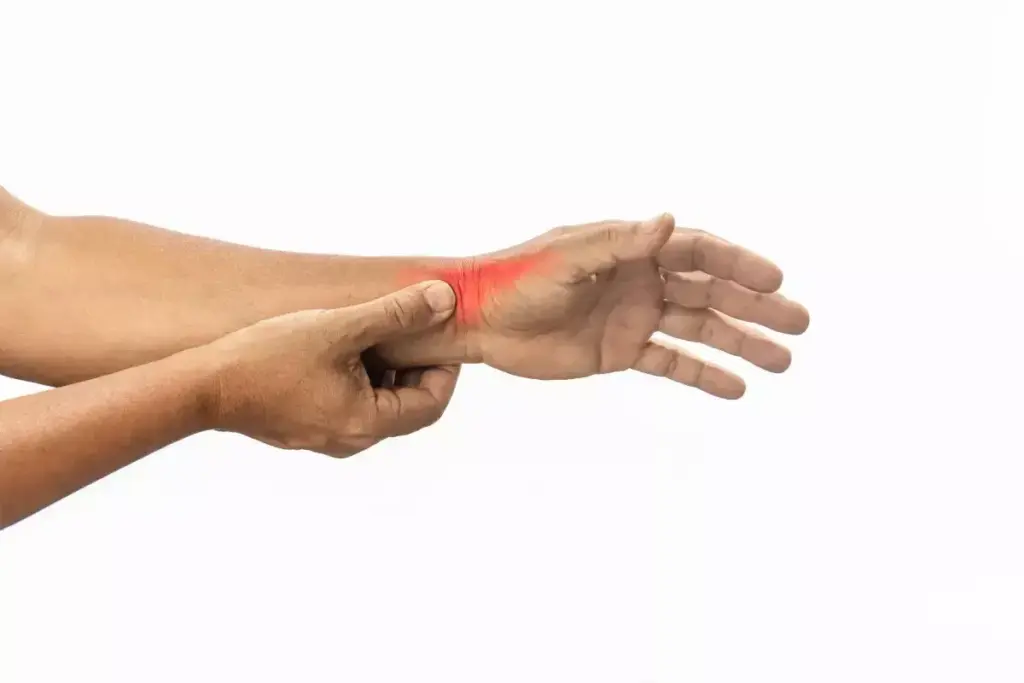
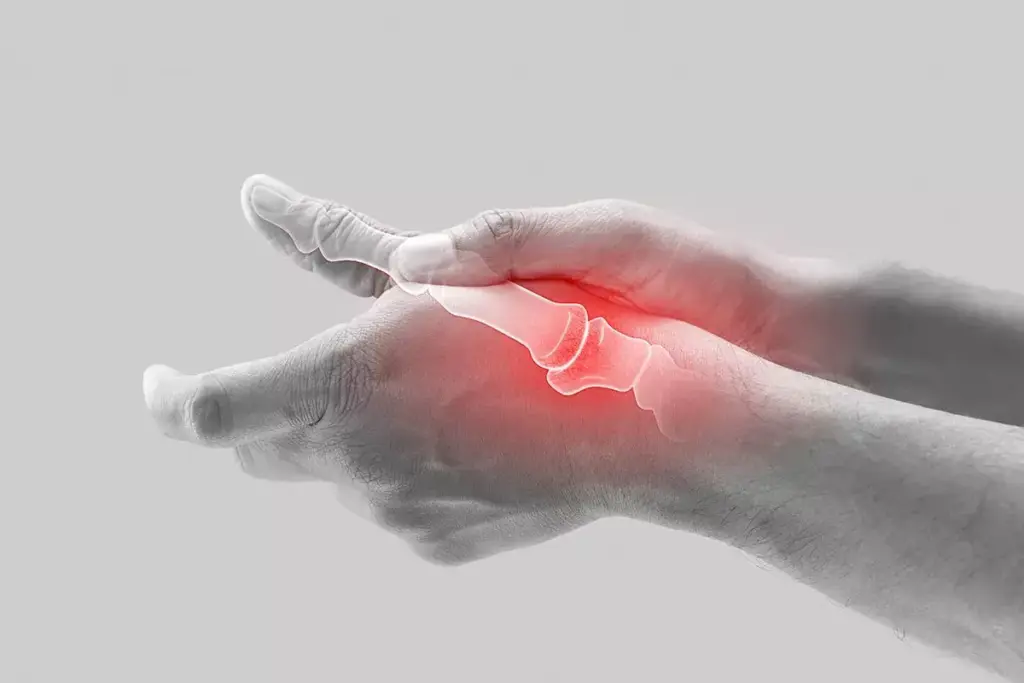
To understand De Quervain’s tenosynovitis, we need to look at the tendons involved and the risk factors. The condition affects the tendons on the thumb side of the wrist. These are the abductor pollicis longus and extensor pollicis brevis tendons. They control thumb movement and their inflammation causes pain and tenderness.
Anatomy of the Affected Tendons
The tendons in De Quervain’s tenosynovitis are key for thumb motion. The abductor pollicis longus tendon helps move the thumb outward. The extensor pollicis brevis tendon helps extend the thumb backward. These tendons run through a narrow tunnel in the wrist.
When these tendons get inflamed or irritated, it leads to De Quervain’s tenosynovitis.
Who Is Most at Risk?
De Quervain’s tenosynovitis affects some groups more than others. Women, between 30 and 50 years old, are more likely to get it than men. It’s also common during pregnancy and after having a baby due to hormonal changes and the stress of caring for a newborn.
| Risk Factor | Description |
| Gender | Women are more likely to be affected than men. |
| Age | Most common between 30 and 50 years old. |
| Pregnancy and Postpartum | Hormonal and mechanical factors increase risk. |
| Repetitive Hand or Wrist Movements | Activities involving repetitive thumb or wrist motion. |
Knowing these risk factors and the anatomy involved is key for preventing and treating De Quervain’s tenosynovitis.
Recognizing Pain in Wrist and Thumb: Symptoms and Diagnosis
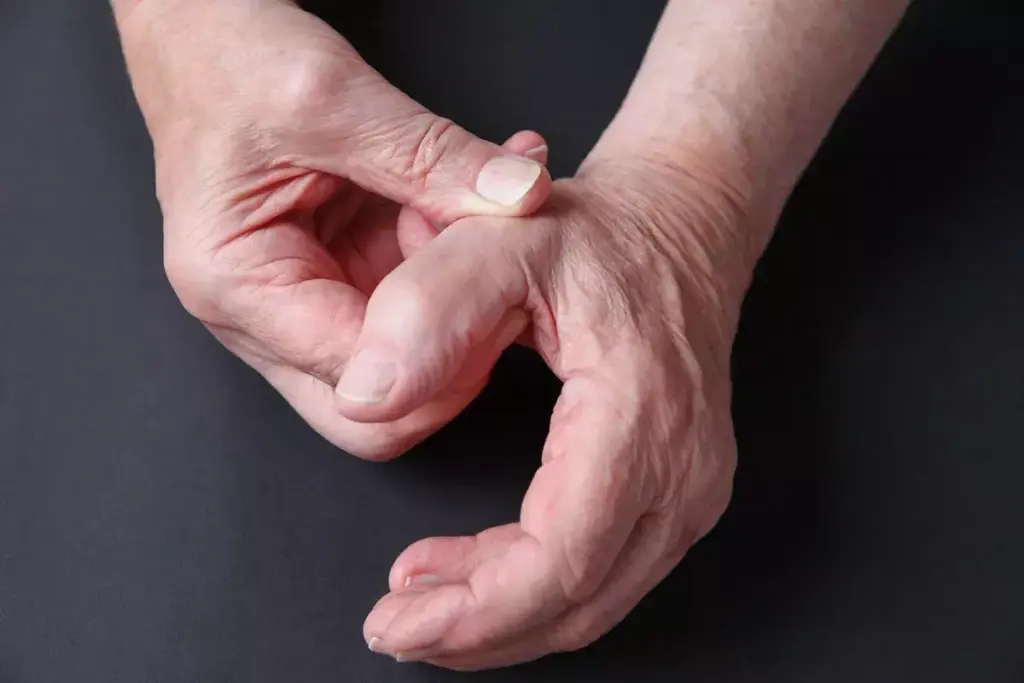
Understanding De Quervain’s tenosynovitis symptoms and diagnosis is key to managing it well. We’ll look at common symptoms and how doctors confirm the condition.
Common Symptoms to Watch For
De Quervain’s tenosynovitis causes pain and tenderness on the thumb side of the wrist. Symptoms can start slowly and may include:
- Swelling or tenderness just above the wrist joint
- Pain or difficulty when grasping or pinching objects with the thumb
- A “sticking” or “catching” sensation when moving the thumb
- Swollen tendons in the wrist, potentially leading to a decreased range of motion
The pain can feel sharp or dull and might spread up the forearm. Activities like gripping, twisting, or rotating the wrist can make symptoms worse. If you have ongoing pain or swelling, see a doctor for a proper diagnosis.
Diagnostic Tests and Procedures
Doctors use physical exams and medical history to diagnose De Quervain’s tenosynovitis. The Finkelstein test is a common test. It involves bending the thumb into the palm and then bending the wrist toward the little finger. If this action causes pain on the thumb side of the wrist, it might be De Quervain’s tenosynovitis.
Other tests may include:
- A detailed medical history to check for other causes of wrist pain, like wrist pain from other issues
- A physical exam to check for tenderness, swelling, and how well the wrist moves
- In some cases, imaging tests like X-rays or ultrasound to confirm the diagnosis or rule out other conditions
Getting an accurate diagnosis is important for effective treatment. If you have ongoing wrist or thumb pain, seeing a healthcare professional is the first step to feeling better.
Effective Treatment Options for De Quervain’s Tenosynovitis
Treatment for De Quervain’s tenosynovitis can vary. It can be simple self-care or more serious medical steps. The right treatment depends on how bad the symptoms are and how they affect daily life.
Self-Care and Home Remedies
First, you might try simple steps to ease pain and swelling. Rest your hand, avoid things that make it worse, and use pain relievers like ibuprofen. Cold packs can also help with pain and swelling.
It’s also important to use a splint to keep your thumb and wrist from moving too much. This helps the tendons heal without getting irritated more.
Medical Interventions
If simple steps don’t work, you might need medical help. One common choice is corticosteroid injections. These have been shown to reduce swelling well.
Studies show that adding thumb spica casting to injections can make treatment 93% effective. Without the casting, it’s 69% effective.
Corticosteroid injections help by reducing swelling around the tendons. They’re a good option for those who haven’t gotten better with simpler treatments.
| Treatment Approach | Success Rate | Key Benefits |
| Corticosteroid Injection Alone | 69% | Reduces inflammation, easy to administer |
| Corticosteroid Injection with Thumb Spica Casting | 93% | High success rate, immobilizes affected area for healing |
Surgical Options When Conservative Treatments Fail
If injections don’t help, surgery might be needed. The surgery releases the tendon sheath to ease pressure on the tendons.
Surgery is usually a last choice but can work well for severe cases. After surgery, physical therapy helps you regain strength and movement in your wrist and thumb.
Knowing all the treatment options helps both patients and doctors find the best plan for each person.
Conclusion: Prevention and Long-term Management
To avoid De Quervain’s Tenosynovitis, don’t overdo hand movements. Use ergonomic wrist supports and do exercises for your wrist and thumb. This can help ease pain.
Take breaks when doing repetitive tasks to rest your hands and wrists. Simple moves like wrist rotation, thumb stretching, and finger spreading help a lot. Also, keep good posture and use the right techniques for activities.
For long-term care, watch your daily activities and make changes if needed. Protecting your wrists and thumbs can prevent pain. This keeps your De Quervain’s Tenosynovitis tendons and muscles healthy.
FAQ
What is De Quervain’s tenosynovitis?
What are the tendons involved in De Quervain’s tenosynovitis?
What are the risk factors for developing De Quervain’s tenosynovitis?
How is De Quervain’s tenosynovitis diagnosed?
What are the treatment options for De Quervain’s tenosynovitis?
Can De Quervain’s tenosynovitis be prevented?
What is the Finkelstein test, and how is it used to diagnose De Quervain’s tenosynovitis?
Are there any long-term management strategies for De Quervain’s tenosynovitis?
Can De Quervain’s tenosynovitis resolve on its own?
References:
National Center for Biotechnology Information. Evidence-Based Medical Insight. Retrieved from https://www.ncbi.nlm.nih.gov/books/NBK442005/**[7