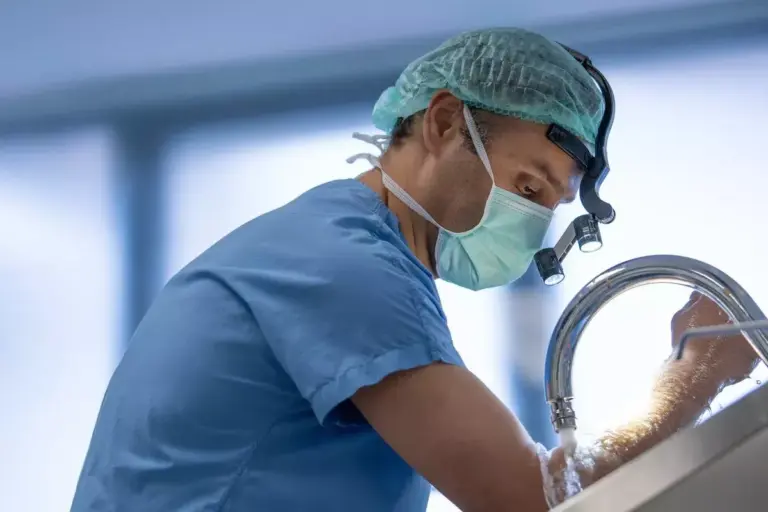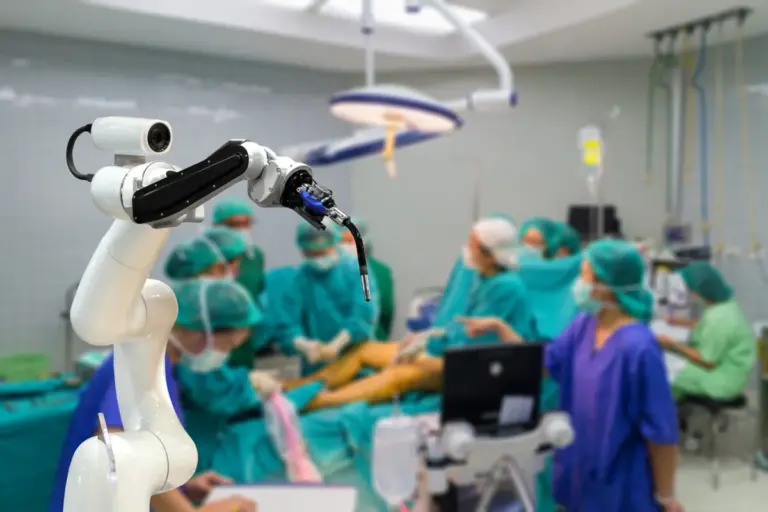
Comprehensive brain tumor removal at Liv Hospital - advanced techniques like fluorescence-guided surgery for precise tumor resection.

How to Remove a Brain Tumor: Step-by-Step Guide to Brain Tumor Surgery

Comprehensive brain tumor removal at Liv Hospital - advanced techniques like fluorescence-guided surgery for precise tumor resection.

Last Updated on November 26, 2025 by Bilal Hasdemir

How to Remove a Brain Tumor: Step-by-Step Guide to Brain Tumor Surgery
How to Remove a Brain Tumor: Step-by-Step Guide to Brain Tumor Surgery 2

At Liv Hospital, we lead in neurosurgery. We know how hard brain tumor removal can be. Our team uses the latest tech for the best results in brain cancer surgery.

Studies show the need for exact methods, like neuronavigation systems, for brain mass surgery. We focus on each patient, making sure every brain surgery tumor removal fits their needs.

Our team handles both simple and complex tumors with care. We offer hope and detailed care to those with this tough diagnosis. We promise top-notch healthcare and full support for our international patients.

Key Takeaways

  • Advanced technology and skilled specialists are key for successful brain tumor removal.
  • Precise techniques like neuronavigation systems boost surgical success.
  • A patient-centered approach means care tailored to each person.
  • Liv Hospital is dedicated to world-class healthcare for international patients.
  • Expert care is vital for dealing with brain tumor surgery’s challenges.

Understanding Brain Tumors and Their Impact

3d render of a medical background with male figure with tumours in brain highlighted

It’s key to understand brain tumors to create good treatment plans. These tumors can really affect someone’s life quality. Getting a diagnosis needs a detailed approach.

Types of Brain Tumors: Malignant vs. Non-Malignant

Brain tumors fall into two main groups: malignant and non-malignant. Malignant brain tumors are cancerous and grow fast, posing a serious threat. On the other hand, non-malignant (benign) brain tumors grow slower and don’t spread, but can cause problems because of their size and where they are.

We sort brain tumors by where they come from and how they behave. Common types include gliomas, meningiomas, and acoustic neuromas. Gliomas start from brain cells and can be low-grade or high-grade (like glioblastoma). Meningiomas are usually not cancerous and start from the meninges, which protect the brain and spinal cord.

Common Symptoms and Diagnosis

Symptoms of brain tumors vary a lot. They can include headaches, seizures, nausea, and weakness or numbness in limbs. Doctors use MRI and CT scans to get detailed info about the tumor.

Getting the right diagnosis is vital for treatment. We use top-notch tools to see how the tumor affects the brain and plan the best surgery.

Symptom Description Possible Tumor Location
Headaches Persistent and often severe Various, depending on tumor size and location
Seizures Can be focal or generalized Often in cerebral hemispheres
Numbness or Weakness Neurological deficits Motor or sensory pathways

When Surgery Becomes Necessary

Surgery is often the first step for many brain tumors, when symptoms are bad or life-threatening. The choice to have surgery depends on the tumor’s type, where it is, and the patient’s health.

We look at each case to find the best surgery plan. We consider how easy it is to reach the tumor and the surgery risks. New surgical methods and tools, like neuronavigation and intraoperative MRI, make surgery safer and more effective.

Pre-Surgical Evaluation and Planning

presurgery brain imaging

Before brain tumor surgery, a detailed pre-surgical evaluation is key. It helps decide the best surgical method and spots any risks.

Comprehensive Diagnostic Imaging

We use top-notch imaging to see the brain tumor clearly. Magnetic Resonance Imaging (MRI) and Computed Tomography (CT) scans show the tumor’s size and where it is. These tools help us plan the surgery and find any possible problems.

At times, we use functional MRI (fMRI) or Diffusion Tensor Imaging (DTI) too. They help us understand how the tumor affects important brain areas. This info is key for a safe and successful surgery plan.

Tumor Location and Accessibility Assessment

Figuring out where the tumor is and how to get to it is vital. We check how close it is to important brain parts and how easy it is to reach. This helps us choose the best surgery method, like open surgery or a less invasive option.

The tumor’s spot also affects how the patient will be positioned during surgery. We plan carefully to make sure the tumor is easily accessible. This reduces the chance of complications.

Surgical Risk Evaluation

Looking at the risks of brain tumor surgery is a big part of planning. We look at the patient’s health, the tumor’s type, and possible surgery problems. This helps us find ways to lower risks and aim for the best outcome.

By carefully looking at these factors and planning, we make brain tumor surgery safer and more effective. Our goal is to give each patient the care they need for the best results and a quick recovery.

Preparing for Brain Tumor Removal Surgery

Getting ready for brain tumor surgery is a big step. It needs careful planning, both for your body and mind. This helps make the surgery go smoothly and speeds up your recovery.

Medical Preparations

Medical prep is key before surgery. We check your health fully to spot any risks.

  • Comprehensive Health Assessment: We look at your medical history and current health. We also check your medications.
  • Diagnostic Tests: Tests like blood work and imaging studies help us understand your condition well.
  • Medication Management: We guide you on how to manage your meds before surgery. This includes stopping certain drugs that might get in the way.

Patient Instructions and Guidelines

We give you clear instructions to follow before surgery. This makes the process easier.

  1. Fasting and Dietary Restrictions: You’ll get advice on what to eat or not eat before surgery.
  2. Pre-Surgical Testing: We tell you which tests you need and when to do them.
  3. Logistical Arrangements: We help with plans for after surgery, like care, transport, and other needs.

“The key to a successful surgery lies not just in the skill of the surgeon, but in the thorough preparation of the patient.”

Psychological Preparation

Getting your mind ready is as important as your body. Surgery for a brain tumor can be very stressful and scary.

Psychological Preparation Strategies Description
Counseling and Support We offer counseling and support groups to help with anxiety and emotional stress.
Education and Information We give you all the details about the surgery and recovery. This helps reduce worries.
Relaxation Techniques We teach you ways to relax, like deep breathing and meditation, to handle stress.

By focusing on both your body and mind, we help you face surgery with confidence and strength.

The Brain Tumor Removal Procedure: Step-by-Step

Removing a brain tumor is a complex process. Neurosurgeons follow several key steps. We’ll walk you through from start to finish, including the surgical techniques.

Anesthesia Administration

The first step is giving anesthesia. General anesthesia keeps the patient asleep and pain-free. We watch their vital signs to keep the anesthesia right.

Craniotomy: Opening the Skull

With the patient asleep, we do a craniotomy. This means we remove a part of the skull to get to the brain. It’s a critical step that needs careful planning and advanced imaging.

Accessing the Tumor

After opening the skull, we carefully move through the brain to find the tumor. We use neuronavigation systems and intraoperative imaging to be precise and avoid damage.

Tumor Resection Techniques

Removing the tumor is the main part of the surgery. We use fluorescence-guided surgery to see the tumor clearly. Special tools help us remove it carefully, keeping important brain areas safe.

Step Description Key Techniques/Tools
1. Anesthesia Administration Patient is put under general anesthesia Anesthesia monitoring equipment
2. Craniotomy Portion of the skull is removed Advanced imaging, surgical drills
3. Accessing the Tumor Navigation through brain tissue to the tumor Neuronavigation systems, intraoperative imaging
4. Tumor Resection Removal of the tumor Fluorescence-guided surgery, specialized surgical tools

By following these steps and using the latest techniques, we aim for the best results for patients with brain tumors.

Advanced Techniques in Modern Brain Tumor Removal

Modern brain tumor removal has seen a big leap forward. Thanks to advanced neurosurgical techniques, patient outcomes have greatly improved. We use the latest technology to provide top-notch care.

Fluorescence-Guided Surgery

Fluorescence-guided surgery lets neurosurgeons see tumors more clearly during surgery. A special dye that only lights up in tumor cells helps us see the difference between tumor and healthy brain.

This method helps us remove tumors more accurately. It’s very helpful for tumors that are hard to spot.

Neuronavigation Systems

Neuronavigation systems give us real-time feedback during surgery. They help us find the tumor and navigate the brain’s complex paths.

  • These systems use advanced imaging to create detailed brain maps.
  • They let us track our tools in real-time.
  • This info is key to minimizing damage to the brain.

Intraoperative MRI and Ultrasound

Intraoperative MRI and ultrasound help us check how well we’ve removed the tumor during surgery.

Intraoperative MRI gives us high-resolution images to see if we’ve removed the tumor. Ultrasound provides real-time images without radiation.

Both are essential for making sure we remove the tumor completely while protecting the brain.

Awake Craniotomy

Awake craniotomy is a special surgery where the patient stays awake. It’s great for tumors near important brain areas like speech or motor function.

Keeping the patient awake lets us watch brain function closely. We can adjust our surgery to avoid harming these areas.

Surgical Approaches for Different Types of Brain Tumors

Brain tumors need special surgery to remove them safely. Each tumor is different, so the surgery must match. This ensures the tumor is removed well and the brain is not harmed.

Surgical Approaches for Malignant Tumors

Malignant tumors grow fast and are aggressive. They need a detailed and thorough surgery. The goal is to remove as much of the tumor as possible safely.

Fluorescence-guided surgery helps by showing the difference between tumor and healthy brain. This makes the surgery more precise.

For tumors near important brain areas, awake craniotomy is used. This lets the surgeon check the patient’s brain function during surgery.

Techniques for Non-Malignant Tumor Extraction

Non-malignant tumors can cause symptoms but are not cancerous. Surgery for these tumors aims to be as small as possible. This helps the patient recover faster and with less risk.

Endoscopic surgery is one method, using small tools and a camera through tiny cuts. For some tumors, like meningiomas, stereotactic radiosurgery might be an option. This is when surgery is too risky.

Addressing Challenging Tumor Locations

Tumors in hard-to-reach brain spots are tough for surgeons. Advanced imaging and neuronavigation systems help plan and do the surgery. These tools guide the surgeon through the brain’s complex paths.

For some tumors, a combined approach is needed. This might include different surgeries or steps. The choice depends on the tumor’s size, where it is, and the patient’s health.

Options for “Inoperable” Brain Tumors

An ‘inoperable’ brain tumor diagnosis doesn’t mean there are no treatment options. In fact, many new approaches are being explored. We know how tough it can be for patients with such diagnoses. We’re here to offer all the care we can.

Defining “Inoperable” Tumors

“Inoperable” brain tumors can’t be safely removed through surgery. This is because of their location, size, or the patient’s health. These tumors need a team effort to manage.

Alternative Treatment Options

For those with “inoperable” brain tumors, there are other ways to help. These include:

  • Radiation therapy to shrink the tumor
  • Chemotherapy to target cancer cells
  • Targeted therapy to address specific tumor characteristics
  • Palliative care to manage symptoms and improve patient comfort

Every patient is different. The best treatment plan is made with a team of experts.

Innovative Approaches for Complex Cases

New treatments are being developed for complex brain tumors. These include:

Treatment Description Benefits
Fluorescence-Guided Surgery Using fluorescent dyes to highlight tumor tissue during surgery More precise tumor removal
Immunotherapy Harnessing the immune system to fight cancer Potential for targeted treatment with fewer side effects
Clinical Trials Access to new and experimental treatments Opportunity to benefit from cutting-edge therapies

These new methods offer hope for complex brain tumor cases. They provide new ways to treat and possibly improve outcomes.

Post-Surgical Care and Recovery Process

Proper care after brain tumor surgery is key for a smooth recovery. Patients need thorough care to heal well and avoid complications.

Immediate Post-Operative Care

Right after surgery, patients stay in the ICU for close monitoring. Close monitoring helps the team catch and fix any problems quickly.

  • Vital signs like blood pressure and heart rate are watched closely.
  • Neurological checks are done often to see if the brain is working right.
  • Keeping the patient comfortable is a top priority, with pain meds given as needed.

Hospital Recovery Period

The time spent in the hospital varies based on the surgery and the patient’s health. During this time, a team of experts provides intensive care and support.

  1. Moving around as soon as possible is encouraged to avoid blood clots.
  2. Good nutrition is key for recovery, so patients get the right food.
  3. Family members learn how to care for the patient at home, including managing meds and watching for complications.

Discharge Instructions and Home Care

Before leaving the hospital, patients and their caregivers get detailed instructions for home care. This includes wound care, managing meds, and when to see the doctor again.

  • They learn how to handle common symptoms like headaches or tiredness.
  • They find out when it’s okay to start driving and go back to work.
  • They get contact info for the healthcare team in case they have questions or concerns later.

By following these instructions and getting the right care, patients can have a better recovery after brain tumor surgery.

Specialized Care at Leading Institutions Like Liv Hospital

Liv Hospital is known for its specialized care in treating brain tumors. It uses the latest neurosurgical facilities and focuses on the patient. This mix of technology and care is key for successful surgeries.

Advanced Neurosurgical Facilities

Our hospital has top-notch neurosurgical tools. These tools help our surgeons do complex surgeries with great accuracy. We use advanced techniques and gear for the best results for our patients.

Multidisciplinary Tumor Boards

At Liv Hospital, we take a multidisciplinary approach to brain tumor care. Our tumor boards include experts from many fields. They work together to create treatment plans that fit each patient’s needs. This teamwork ensures our patients get the best care possible.

Patient-Centered Approach to Brain Tumor Care

We focus on a patient-centered approach. We know every patient is different. Our team offers emotional support and clear information during treatment. This way, patients and their families feel supported and informed.

By using advanced facilities, multidisciplinary teams, and a patient-focused approach, Liv Hospital offers specialized care. This care sets a high standard in treating brain tumors.

Conclusion: Life After Brain Tumor Surgery

Life after brain tumor surgery can be tough but rewarding for many. Thanks to new neurosurgery methods, many people live fulfilling lives post-treatment. At places like Liv Hospital, patients get top-notch care to help them recover and improve their outcomes.

The path to getting better includes a detailed care plan after surgery. This plan includes regular check-ups and rehab. Knowing what to expect can help patients prepare for their journey. For more details on recovery and life after surgery, check out Liv Hospital’s resource page.

As medical tech keeps getting better, the outlook for brain tumor surgery patients is looking up. By focusing on the patient and using the latest neurosurgery tools, doctors can make life after surgery better for their patients.

FAQ

What is brain tumor removal surgery?

Brain tumor removal surgery, also known as brain tumor resection, is a procedure to remove a tumor from the brain. We use advanced techniques and technology to ensure the best possible outcomes for our patients.

How is a brain tumor diagnosed?

A brain tumor is diagnosed through imaging tests like MRI or CT scans, and sometimes a biopsy. We use these tools to determine the type and severity of the tumor.

What are the different types of brain tumors?

Brain tumors can be either malignant (cancerous) or non-malignant (benign). We treat various types, including gliomas, meningiomas, and acoustic neuromas, among others.

When is surgery necessary for a brain tumor?

Surgery is often needed when a brain tumor causes symptoms, grows in size, or is suspected to be malignant. We evaluate each case to determine the best treatment.

What is fluorescence-guided surgery?

Fluorescence-guided surgery uses a special dye to highlight the tumor tissue. This allows for more precise removal of the tumor, making the surgery safer and more effective.

What is an “inoperable” brain tumor?

An “inoperable” brain tumor is one that cannot be safely removed through surgery. We explore alternative treatments, like radiation therapy and chemotherapy, for such cases.

How long is the recovery period after brain tumor surgery?

The recovery period varies based on the case and surgery type. We provide personalized care and instructions to help with a smooth recovery.

What are the risks associated with brain tumor removal surgery?

Risks include infection, bleeding, and damage to surrounding brain tissue. We take precautions to minimize these risks.

Can a benign brain tumor be removed?

Yes, benign brain tumors can often be removed through surgery. We use advanced techniques for safe and effective removal.

What is the role of a multidisciplinary tumor board in brain tumor treatment?

A multidisciplinary tumor board brings together specialists to develop a treatment plan tailored to the patient’s needs. This team includes neurosurgeons, oncologists, and radiologists.

How do I prepare for brain tumor removal surgery?

We provide detailed instructions on preparing for surgery, including tests, medications, and lifestyle adjustments. We also offer support for psychological preparation.

What are the benefits of using neuronavigation systems during brain tumor surgery?

Neuronavigation systems provide real-time guidance during surgery. This enhances the precision and safety of the procedure, helping us accurately locate and remove the tumor.

What is awake craniotomy?

Awake craniotomy is a technique where the patient remains awake during part of the procedure. This allows us to monitor the patient’s neurological function in real-time, ensuring the preservation of critical brain areas.

What can I expect during the hospital recovery period?

During the hospital recovery period, we closely monitor the patient’s condition, manage pain, and provide rehabilitation support as needed. Our team is dedicated to ensuring a comfortable and safe recovery.

Are there any alternative treatments for brain tumors that cannot be removed surgically?

Yes, alternative treatments include radiation therapy, chemotherapy, and other innovative approaches. We work with patients to determine the best treatment plan for their specific case.

30
Years of
Excellence

Trusted Worldwide

With patients from across the globe, we bring over three decades of medical expertise and hospitality to every individual who walks through our doors.  

Book a Free Certified Online Doctor Consultation

Doctors

Table of Contents