
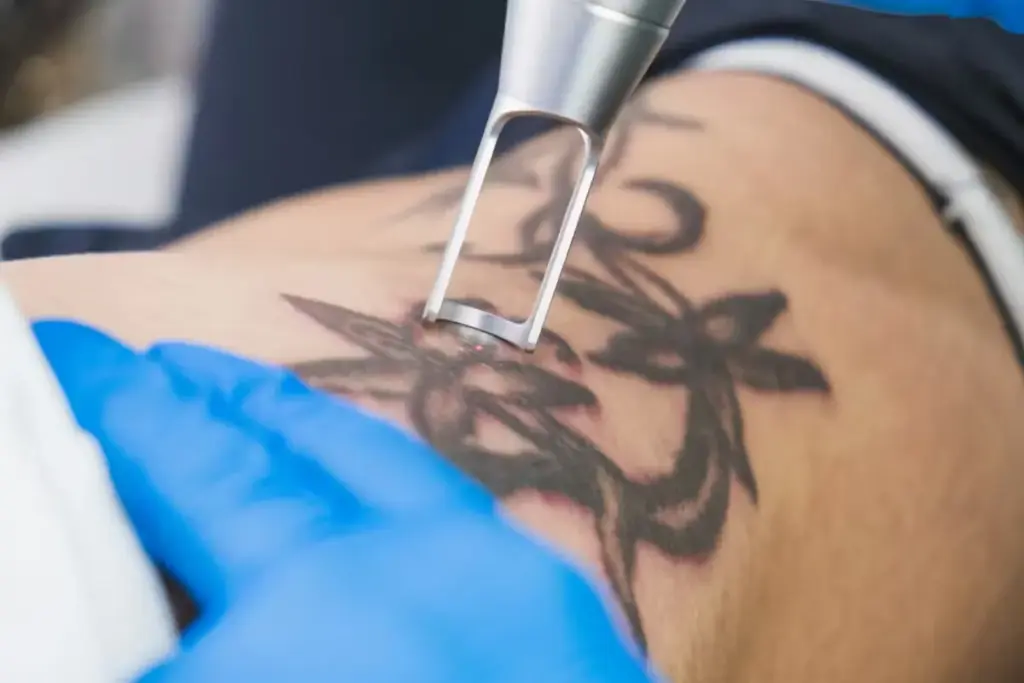
Tattoos are often seen as permanent decisions inked into the skin. But modern methods offer hope and confidence for those seeking to remove unwanted body art. We know that tattoo removal is increasingly sought after. It’s driven by the desire to erase past regrets or simply to refresh one’s appearance.
As the demand for effective tattoo removal methods grows, individuals face multiple options. These include surgical excision and chemical peels. It’s important to understand the advantages and limitations of each method. This knowledge is key to making an informed decision.
Key Takeaways
- Surgical excision offers immediate removal for small tattoos.
- Chemical peels provide a gradual fading of unwanted ink.
- Each method has its own set of benefits and considerations.
- A thorough evaluation by a qualified professional is essential.
- Understanding the available options is key to a successful outcome.
Understanding Tattoo Removal Options
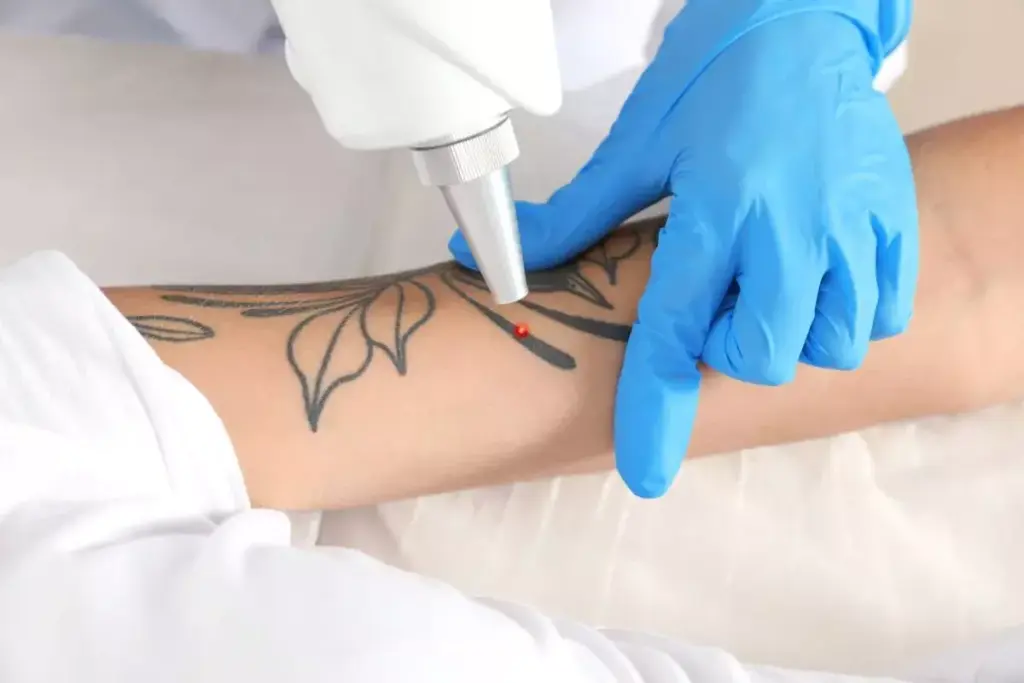
Deciding to remove a tattoo can be due to many reasons. These reasons vary from personal to professional. It’s clear that people have different reasons for wanting to get rid of their tattoos.
Why People Seek Tattoo Removal
There are many reasons for removing tattoos. Some want to advance in their careers or grow personally. Others might not like the tattoo’s design or quality anymore.
Career advancement is a big reason. Some jobs or workplaces don’t like tattoos. Also, personal growth and changing tastes can make people want to remove their tattoos.
Overview of Available Methods
There are several ways to remove tattoos. Each method has its own benefits and risks. It’s important to know about these options before making a choice.
| Removal Method | Effectiveness | Potential Risks |
| Laser Removal | Highly effective for most tattoo inks | Skin irritation, infection |
| Surgical Excision | Effective for small to medium-sized tattoos | Scarring, surgical risks |
| Chemical Peels | Less effective, variable results | Skin irritation, uneven skin tone |
When thinking about tattoo removal, it’s key to consider each method’s effectiveness and risks. Choosing the right technique depends on your situation and what you want to achieve.
Surgical Excision for Tattoo Removal
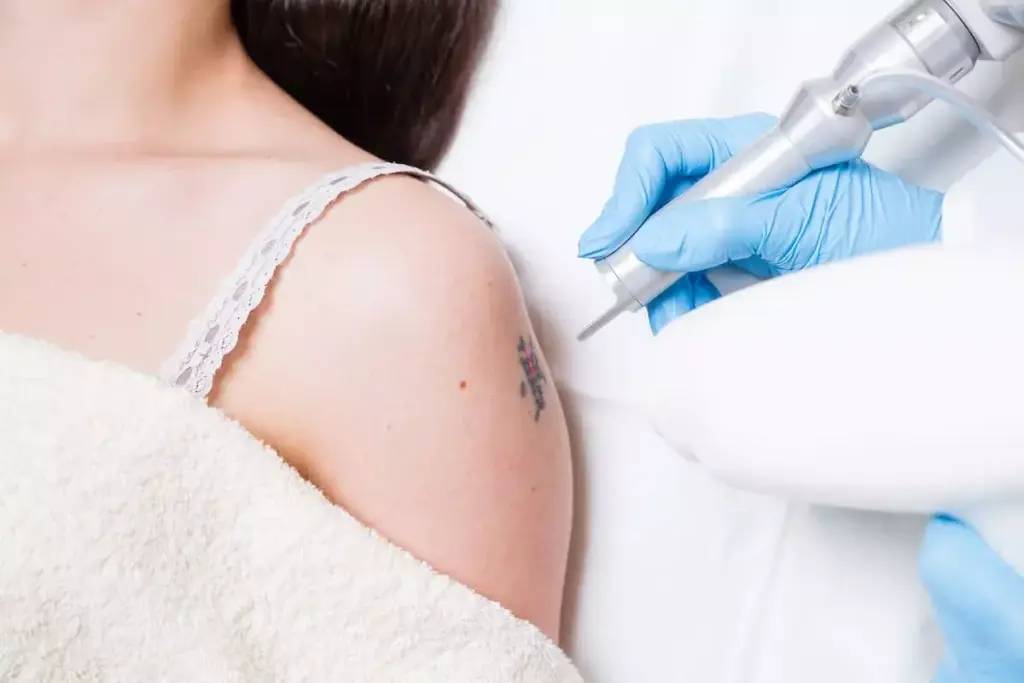
Surgical excision is a direct way to remove tattoos by cutting out the tattooed skin. It works well for small tattoos and can remove them completely in one go.
The Surgical Procedure Explained
The process starts with numbing the area around the tattoo with local anesthesia. This makes the procedure painless. The surgeon then cuts out the tattooed skin, making sure to get all the ink.
After that, the skin is stitched back together. The wound then heals on its own.
This method is best for small to medium-sized tattoos. The size and where the tattoo is located are key factors in choosing this method.
Advantages of Surgical Excision
One big plus of surgical excision is that it can remove tattoos completely in one session. This is great for those who want their tattoos gone fast. It’s also good for tattoos that don’t respond well to other removal methods.
Limitations and Possible Complications
While it has its benefits, surgical excision has its downsides. Scarring is a big concern because it involves cutting and stitching. How much scarring happens depends on the tattoo size, the surgeon’s skill, and how well you heal.
Let’s look at how different tattoo sizes affect scarring and recovery:
| Tattoo Size | Scarring Likelihood | Recovery Time |
| Small | Moderate | 1-2 weeks |
| Medium | High | 2-4 weeks |
| Large | Very High | 4-6 weeks |
The table shows that bigger tattoos mean more scarring and longer healing times. It’s important to talk to your surgeon about these risks before deciding on surgical excision.
Chemical Peel Tattoo Removal
Chemical peels are a gentle way to remove tattoos by peeling off skin layers with ink. A chemical solution is applied to the skin. This process helps to fade the tattoo over time.
Targeting Tattoo Ink
Chemical peels work by using a solution that makes the skin blister and peel. This method’s success depends on the tattoo’s color and the skin type. Lighter ink colors usually respond better to these treatments.
The Treatment Process and Timeline
The process involves several sessions, spaced weeks apart, for skin recovery. Each session applies the chemical solution to the tattooed area. The number of sessions needed varies based on the tattoo’s size, color, and skin response.
It’s important to remember that chemical peel tattoo removal is a slow process. Results can differ, and sometimes, tattoos may not be fully removed.
Side Effects and Recovery Considerations
Side effects like skin irritation, hyperpigmentation, or scarring are possible. Following aftercare instructions carefully is key to avoid these risks. Patients should also attend follow-up appointments as advised.
In summary, chemical peel tattoo removal is a non-surgical option for tattoo removal. While it has its drawbacks and side effects, it can work well for some, mainly those with lighter tattoos.
Conclusion
When it comes to tattoo removal, people have several options. These include surgical excision and chemical peels. Each method has its own benefits and things to consider.
The choice between them depends on the tattoo’s size, location, and what the person prefers. We’ve looked into surgical excision and chemical peels. It’s important to know the good and bad of each to make a smart choice.
For the best tattoo removal, talking to a professional is key. They can help decide the best treatment based on your skin, ink color, and tattoo size. This helps in choosing between surgical removal of tattoo and chemical peel tattoo removal.
By understanding these factors and the procedures, you can make a well-informed decision. This is about plastic surgery tattoo removal or surgical tattoo removal.
The main goal of tattoo removal excision or other methods is safe and effective removal. Choosing the right method and following aftercare can help avoid problems. This way, you can get the results you want.
FAQ
What is the difference between surgical excision and chemical peel for tattoo removal?
Surgical excision removes the tattoo in one go. Chemical peel breaks down the ink with a solution, needing many sessions.
Is surgical excision of tattoo suitable for all tattoo sizes?
No, it’s best for small tattoos. Large ones might need many surgeries and leave big scars.
How does chemical peel tattoo removal work?
It uses a chemical solution to get into the skin. This solution breaks down the ink, which the body then removes.
What are the possible side effects of chemical peel tattoo removal?
You might get skin irritation, redness, or changes in skin color. There’s also a risk of scarring.
Can I undergo tattoo removal surgery if I have sensitive skin?
If you have sensitive skin, surgery might be riskier. You could get scarring or skin irritation. Always talk to a professional first.
How many sessions are required for tattoo removal using chemical peels?
It depends on the tattoo’s size, color, and where it is. Your skin type also plays a part.
Is tattoo removal excision painful?
It’s done under local anesthesia to reduce pain. But, you might feel some pain when you’re healing.
Can I surgically remove a tattoo on my own?
No, doing it yourself is not safe. It can cause serious problems like infections, scarring, and permanent damage.
Are there any alternative tattoo removal methods beside surgical excision and chemical peels?
Yes, there’s laser tattoo removal, which is popular and works well. There are also other non-invasive options.
How do I choose the best tattoo removal method for my needs?
Talk to a professional to find the right method. They’ll consider your skin, tattoo details, and what you need.
Reference
National Center for Biotechnology Information. Evidence-Based Medical Guidance. Retrieved from https://pubmed.ncbi.nlm.nih.gov/8056595/



 Departments
 Related Videos
 Our Doctors
 News
News