Getting a diagnosis of basal cell carcinoma can be scary. But knowing your treatment options is a big step towards feeling better. At Liv Hospital, we use the newest research and care with kindness to make treatment plans that work best for you.
BCC is the most common skin cancer and is very treatable, if caught early. We’ll walk you through how to remove it and treat it. We’ll focus on surgery as the main way to cure it.
Techniques like Mohs micrographic surgery have high success rates, mainly for face lesions. At top centers, patient safety and success are top priorities. They use the latest, best practices from around the world.
Key Takeaways
- Early detection of basal cell carcinoma is key for good treatment.
- Mohs micrographic surgery is a top choice for removing BCC, mainly on the face.
- Surgery is the main way to cure basal cell carcinoma.
- Top medical centers focus on keeping patients safe and successful.
- Knowing your treatment options can help you feel more at ease.
Understanding Basal Cell Carcinoma
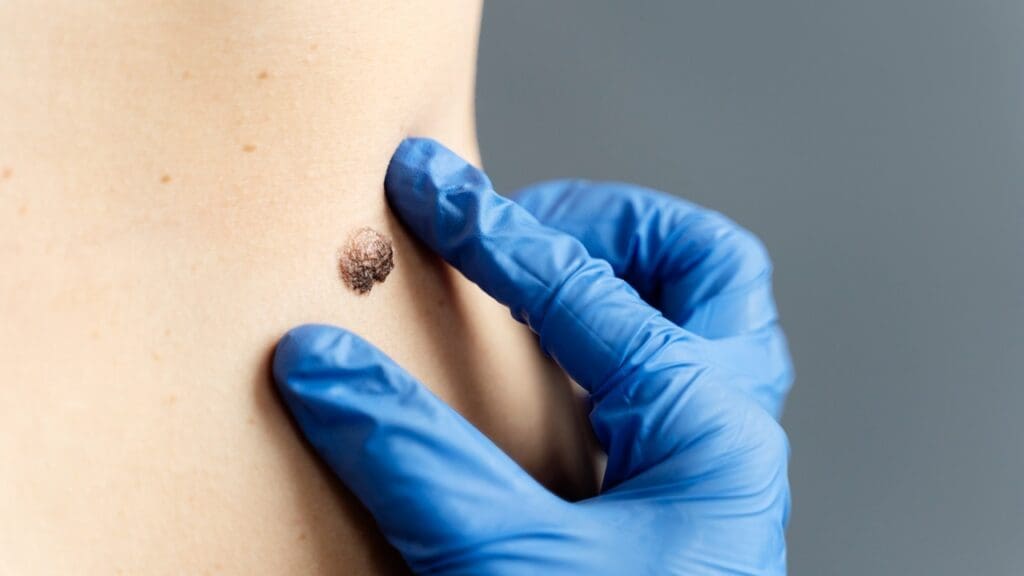
Basal cell carcinoma is the most common skin cancer. It starts in the basal cell layer of the skin. If not treated, it can cause damage to the area.
What Is Basal Cell Carcinoma?
Basal cell carcinoma is a skin cancer that starts in the deepest layer of the skin. It grows abnormally but rarely spreads. Knowing the warning signs is key to catching it early.
Common Causes and Risk Factors
UV radiation from the sun or tanning beds causes basal cell carcinoma. Fair skin, family history of skin cancer, and radiation therapy are also risk factors. People with a history of sunburns are at higher risk.
| Risk Factor | Description | Prevention Strategy |
|---|---|---|
| UV Radiation | Exposure to UV rays from sun or tanning beds | Use sunscreen, wear protective clothing |
| Fair Skin | Less melanin, more susceptible to UV damage | Avoid prolonged sun exposure |
| Family History | Genetic predisposition to skin cancer | Regular skin checks |
Signs and Symptoms to Watch For
It’s important to know the signs of basal cell carcinoma. Look for new or changing growths on the skin. These can be shiny bumps, pink patches, or sores that won’t heal. Spotting these signs early can lead to quick medical help.
Early detection and treatment of basal cell carcinoma greatly improve outcomes. By knowing the causes, risk factors, and signs, people can prevent it and get timely medical care.
Diagnosis Process for Basal Cell Carcinoma
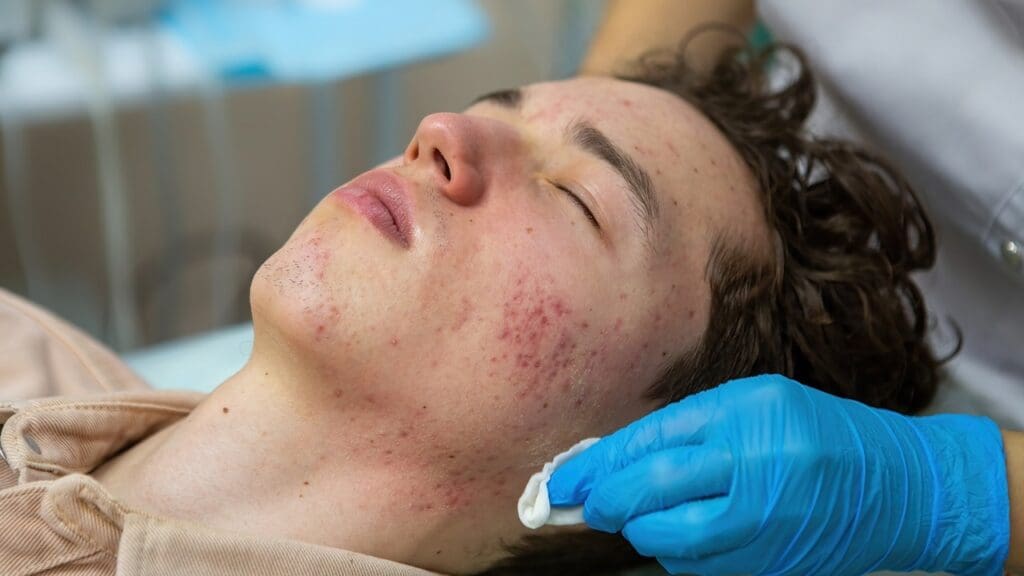
The process to diagnose basal cell carcinoma starts with a skin check. This step can make many people anxious. We aim to help you through it with care and precision.
Initial Skin Examination
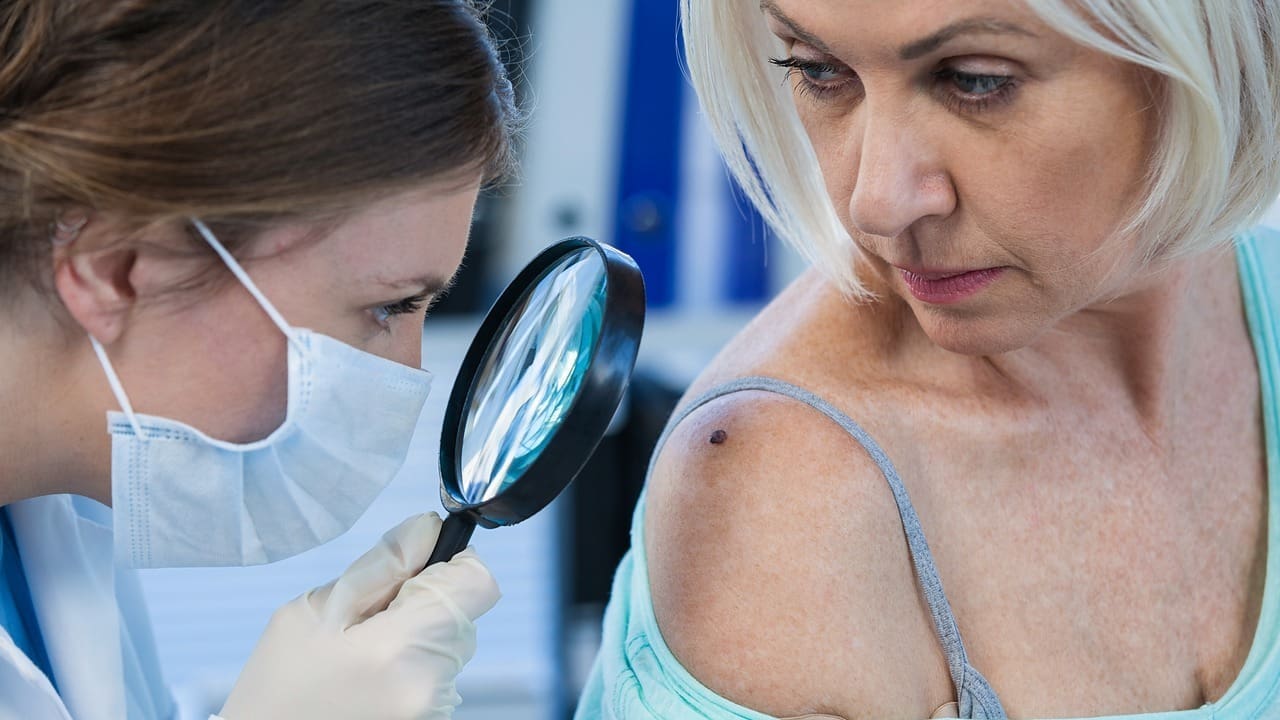
A dermatologist will first examine your skin closely. They look for any unusual growths that might be basal cell carcinoma. Early detection is key for a good treatment outcome.
Biopsy Procedures
If a suspicious growth is found, a biopsy is done to check for cancer cells. There are different biopsy methods, like shave, punch, and excisional biopsies. The right method depends on the growth’s size, location, and type.
| Biopsy Type | Description | Use Case |
|---|---|---|
| Shave Biopsy | Removes the top layers of the skin | Superficial lesions |
| Punch Biopsy | Removes a small cylindrical sample | Deeper or larger lesions |
| Excisional Biopsy | Removes the entire lesion | Suspicious or large lesions |
Understanding Your Diagnosis Results
After the biopsy, the sample is analyzed in a lab. We’ll help you understand your results, including the cancer type and stage. Knowing your diagnosis is the first step towards effective treatment.
Getting a basal cell carcinoma diagnosis can be tough. But with the right support, you can face treatment with confidence. Our team is here to offer you the care and guidance you need.
Treatment Options Overview
There are many ways to treat basal cell carcinoma. Each method has its own benefits and things to consider. The right treatment depends on the cancer’s size, location, and stage, and the patient’s health.
Factors That Determine Treatment Approach
Several important factors decide how to treat basal cell carcinoma. These include the tumor’s size and location, the cancer’s stage, and the patient’s health and wishes.
- Tumor Size and Location: Larger tumors or those in sensitive areas may need more aggressive or specialized treatments.
- Cancer Stage: The cancer’s stage helps decide if a simple or more complex treatment is needed.
- Patient Health: Some treatments might not be right for patients with certain health issues, so other options are considered.
Comparing Effectiveness of Different Methods
Each treatment for basal cell carcinoma works differently. Mohs micrographic surgery is often the top choice because it has a high success rate and saves more tissue.
Other treatments, like surgical excision, cryotherapy, and topical medications, might be suggested based on the tumor and patient’s preferences.
Working With Your Dermatologist to Choose the Right Option
Choosing the best treatment for basal cell carcinoma is a team effort. “The key to successful treatment is a personalized plan that takes into account the unique aspects of each patient’s case.”
We team up with our patients to understand their concerns. We explain the treatment options in detail. Then, we create a plan that meets their specific needs and wishes.
Mohs Micrographic Surgery: The Gold Standard
Mohs micrographic surgery is a top choice for treating basal cell carcinoma, mainly on the face. It’s a precise way to remove cancer while keeping healthy skin intact. This method has changed how we treat skin cancer for the better.
How Mohs Surgery Works
Mohs surgery removes thin layers of skin tissue one by one. We take out the tumor and a bit of skin around it. Then, we check it under a microscope for cancer cells.
If we find cancer, we do it all again until it’s gone. This way, we make sure to remove all cancer cells and keep scarring down.
When Mohs Is Recommended
Mohs surgery is best for basal cell carcinomas on the face, ears, or near the eyes. It’s also good for big tumors or those that grow fast. Our doctors decide if Mohs is right for you based on your case.
Success Rates and Benefits
Mohs surgery works very well, with cure rates of 97% to 99% for first-time cases. It’s great because it saves a lot of skin, which is important for looks and function. It also means you might not need more surgeries, which is good for recovery time and less scarring.
We’re proud to offer top-notch care at our place. Our team of experts works with you to find the best treatment for your skin cancer. We use Mohs surgery when it’s the best choice.
Standard Basal Cell Carcinoma Surgery Procedures
The standard way to treat basal cell carcinoma is through surgical excision. This method removes the tumor completely while keeping healthy tissue intact.
Surgical Excision Technique
Surgical excision removes the tumor and some healthy skin around it. This approach is good at getting rid of cancer cells and lowering the chance of it coming back.
We use local anesthesia to make the area numb. This makes the procedure as painless as possible. The surgeon then carefully takes out the tumor and some healthy skin around it.
Determining Appropriate Margins
The size of the margin needed depends on the tumor’s size, location, and how aggressive it is. For low-risk tumors, a margin of 2-5 mm is usually enough.
| Tumor Characteristics | Recommended Margin |
|---|---|
| Low-risk, small tumors | 2-3 mm |
| High-risk or larger tumors | 4-5 mm or more |
What to Expect During the Procedure
Here’s what you can expect during the surgery:
- Administration of local anesthesia to numb the area
- Removal of the tumor along with the determined margin
- Wound closure, which may involve stitches or other techniques
Post-procedure care instructions will be given to help with healing and prevent complications.
Knowing about the surgical excision technique and what happens during the surgery helps you prepare for basal cell carcinoma surgery.
Non-Surgical Treatment Alternatives
Patients with basal cell carcinoma now have non-surgical treatment options. These alternatives are good for superficial or low-risk cases. They offer a choice for those who don’t want surgery.
Cryotherapy for Superficial BCC
Cryotherapy freezes the tumor with liquid nitrogen. It’s great for superficial basal cell carcinoma. The process is quick and done in a clinic. It kills cancer cells by freezing them, which then fall off.
Laser Therapy Applications
Laser therapy uses light to kill cancer cells. It’s less invasive than surgery and can look better. It’s best for superficial or thin basal cell carcinomas.
Topical Medications and Their Effectiveness
Topical medications are creams or gels for the skin. They treat superficial basal cell carcinoma. They boost the immune system or kill cancer cells directly. Their success depends on the cancer type and stage.
Radiation Therapy Options
Radiation therapy kills cancer cells with high-energy rays. It’s for those who can’t have surgery or have cancer in sensitive areas. It’s very effective for some basal cell carcinoma types.
Radiation therapy is a great option for basal cell carcinoma. It’s good when surgery isn’t ideal for looks or function.
“Radiation therapy offers a highly effective treatment for basal cell carcinoma, with excellent cure rates for certain tumor types and locations.”
Preparing for Your Basal Cell Carcinoma Removal
A successful basal cell carcinoma removal surgery starts with good preparation. This step is key for a smooth and effective surgery.
Pre-Surgery Consultation
We will have a pre-surgery talk to go over your medical history and the surgery details. This is your chance to ask questions and understand the risks and benefits.
Medication Considerations
Tell us about any medications you’re taking, like blood thinners. They might affect the surgery. We’ll tell you if you should keep taking them or stop before the procedure.
Day-of-Procedure Instructions
On surgery day, follow our instructions carefully. Arrive on time, bring someone with you, and be ready for after-care.
What to Bring and Wear
Wear comfy clothes that let us easily access the surgery area. Also, bring your insurance cards, any necessary documents, and a list of your medications.
| Item to Bring | Reason |
|---|---|
| Insurance Cards | For billing purposes |
| List of Medications | To inform us about your current medications |
| Comfortable Clothing | For ease of access and comfort during the procedure |
By following these tips, you can help make your basal cell carcinoma removal surgery a success. And you’ll have a smooth recovery.
Recovery and Aftercare Following BCC Removal
Recovery and aftercare after basal cell carcinoma removal are key to a good outcome. Taking good care during this time helps your healing, lowers the chance of problems, and lessens scarring.
Immediate Post-Procedure Care
Right after your basal cell carcinoma removal, we’ll give you clear instructions for the treated area. It’s very important to follow these steps to heal right. Keeping the wound clean and dry is key, and we might suggest a special dressing or ointment.
Resting the treated area and not doing too much is also important early on. We’ll tell you how much activity is okay and any changes to your daily life.
Wound Management and Dressing Changes
Good wound management is key for healing and avoiding infection. We’ll teach you how to change dressings and clean the wound. It’s important to follow these steps to avoid problems.
For more details on wound care and management, check out our guide on removing skin cancer. It has lots of advice on caring for your wound after treatment.
Managing Pain and Discomfort
Some pain or discomfort is normal after basal cell carcinoma removal. We’ll talk about pain relief options with you, like over-the-counter meds or prescription drugs. It’s important to follow our advice to manage your pain well.
Recognizing Signs of Complications
Though rare, complications can happen. Knowing the signs is important, like more redness, swelling, or discharge, fever, or a lot of pain. If you notice these, contact us right away so we can check and fix any problems quickly.
Special Considerations for Facial BCC and Sensitive Areas
Facial basal cell carcinoma is tricky to treat because of its location. The goal is to remove the tumor without harming the surrounding tissue. This is important for both function and appearance.
Cosmetic Outcomes and Scar Management
When basal cell carcinoma appears on the face, the cosmetic outcome is a big worry. Scar management techniques, like creams or silicone gel sheets, can help reduce scar visibility. We work with patients to find the best way to manage scars and improve looks.
Reconstructive Options After Removal
After removing the tumor, some people need reconstructive surgery. Reconstructive options can be simple or complex, like skin grafts or flap reconstruction. The choice depends on the tumor’s size, location, and the patient’s health.
Differences in Treatment Approach by Location
The location of basal cell carcinoma affects treatment. Tumors near sensitive areas, like the eyes or lips, need special care. A study on SpringerLink shows that treatment plans vary by location. This highlights the need for personalized care.
Considering the unique challenges of facial basal cell carcinoma, we create treatment plans. These plans aim to remove the tumor while preserving function and appearance.
Conclusion: Life After Basal Cell Carcinoma Treatment
Finishing treatment for basal cell carcinoma starts a new chapter in your life. We’re here to support you every step of the way. We make sure you get the care you need after treatment.
Getting regular check-ups is key after basal cell carcinoma treatment. We suggest a follow-up plan to watch for any signs of the cancer coming back. This care is important for your health and lets us answer any questions you have.
Preventing future skin cancers is also important. We’ll help you find ways to protect your skin from the sun and check it regularly. By being proactive, you can keep your skin healthy and lower your risk of more cancers.
Our institution is all about top-notch healthcare and full support for our patients. We’re here to help you at every step, from finding out you have cancer to after treatment and beyond.
FAQ
What is basal cell carcinoma, and how is it diagnosed?
Basal cell carcinoma is a type of skin cancer. It starts in the basal cell layer of the skin. A dermatologist will look at the skin and take a biopsy to confirm it.
What are the treatment options for basal cell carcinoma?
There are many ways to treat basal cell carcinoma. These include Mohs surgery, standard surgery, cryotherapy, laser, topical meds, and radiation. The best option depends on the cancer’s size, location, and stage, and the patient’s health.
How deep do they cut for squamous cell carcinoma?
The depth of the cut for squamous cell carcinoma varies. It depends on the tumor’s size and location. The goal is to remove the tumor and some healthy skin around it.
What is Mohs micrographic surgery, and when is it recommended?
Mohs surgery is a detailed method for removing cancer. It removes tissue layer by layer and checks it right away. It’s best for face lesions and is the top choice for basal cell carcinoma.
How is basal cell carcinoma removed from the face?
For face lesions, Mohs surgery or standard surgery are used. The choice depends on the cancer’s size, location, and stage, and the patient’s health.
What is the recovery process like after basal cell carcinoma removal?
After removal, the skin needs care and dressing changes. Patients might feel pain, which can be managed with medicine.
How can I prevent future skin cancers?
To prevent skin cancers, protect your skin from the sun, check your skin regularly, and avoid UV radiation from tanning beds.
What are the benefits of Mohs micrographic surgery?
Mohs surgery has high success rates and is gentle on sensitive areas. It’s a great choice for the face.
How is standard surgical excision performed?
Standard surgery removes the tumor and some healthy skin. The amount of skin removed depends on the tumor’s size and location.
What are the non-surgical treatment alternatives for basal cell carcinoma?
Non-surgical options include cryotherapy, laser, topical treatments, and radiation. These are for early or low-risk cases.
References:
Ultraviolet Radiation, Skin Cancer, and DNA Repair (PMC). Available at: https://pmc.ncbi.nlm.nih.gov/articles/PMC4078227/
ASDS. ASDS Releases Consensus Recommendations on Basal Cell Carcinoma. Available at: https://www.asds.net/Skin-Experts/News-Room/Press-Releases/ASDS-Releases-Consensus-Recommendations-on-Basal-Cell-Carcinoma asds.net
Basal Cell Carcinoma: Epidemiology, Pathogenesis, Clinical Features, Diagnosis, and Management (PMC). Available at: https://pmc.ncbi.nlm.nih.gov/articles/PMC3135095/
Keys Dermatology. The Top Basal Cell Carcinoma Treatment Options. Available at: https://www.keysdermatology.com/the-top-basal-cell-carcinoma-treatment-options/ keysdermatology.com