Dealing with uterine fibroids can be challenging, and seeking the right treatment is crucial. At Liv Hospital, our expert team utilizes laparoscopic surgery to deliver effective, minimally invasive treatment with outstanding results.
We understand that fibroidectomy is a highly effective procedure that offers numerous benefits, including reduced recovery time and fewer complications. Our team is dedicated to providing world-class healthcare with complete support for international patients.
Key Takeaways
- Minimally invasive laparoscopic surgery for effective fibroid treatment
- Reduced recovery time and fewer complications
- Expert care from a team dedicated to international patients
- Personalized treatment plans for optimal results
- State-of-the-art facilities and technology
Understanding Uterine Fibroids and Their Impact
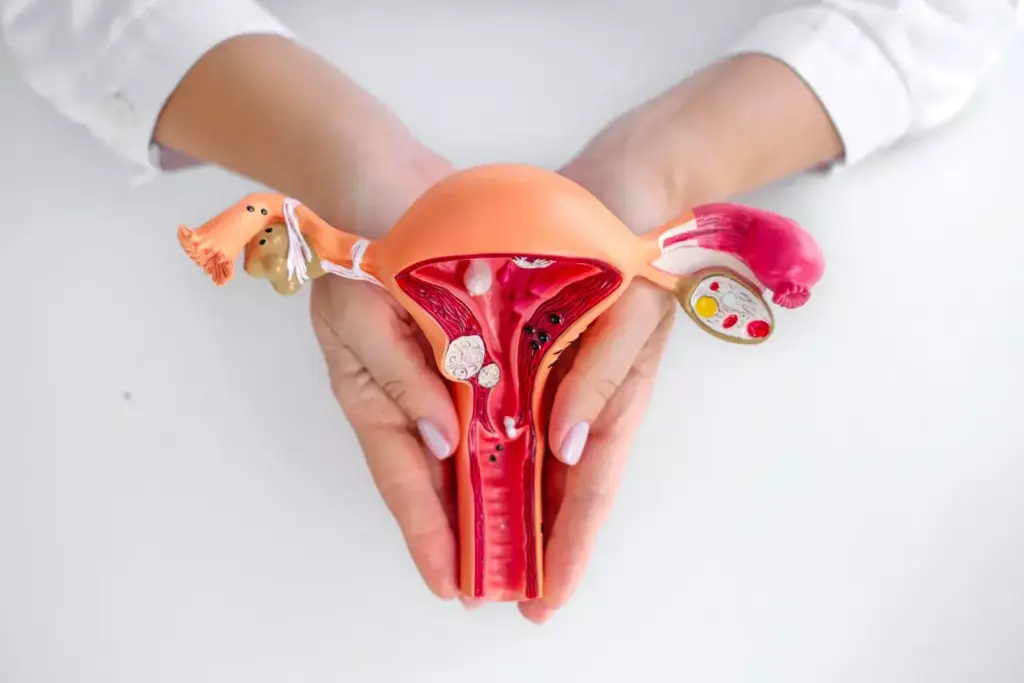
The presence of uterine fibroids can significantly affect a woman’s quality of life. Uterine fibroids are growths that can develop in or around the uterus, often causing a range of symptoms that can impact daily activities and overall well-being.
What Are Uterine Fibroids?
Uterine fibroids, also known as leiomyomas, are non-cancerous growths that develop in or around the uterus. They can vary in size, number, and location, and are influenced by hormonal factors, particularly estrogen.
These growths are common among women of reproductive age, and their exact cause is still not fully understood. However, it is known that fibroids can be affected by hormonal changes, genetics, and other factors.
Common Symptoms and Complications
Fibroids can cause a variety of symptoms, including heavy menstrual bleeding, prolonged menstrual periods, pelvic pain or pressure, and frequent urination. If left untreated, fibroids can lead to complications such as anemia due to excessive bleeding, infertility, and miscarriage.
The symptoms and complications associated with uterine fibroids can significantly impact a woman’s quality of life, causing discomfort, pain, and emotional distress.
| Symptom/Complication | Description | Impact on Quality of Life |
|---|---|---|
| Heavy Menstrual Bleeding | Excessive bleeding during menstrual periods | Anemia, fatigue, and social embarrassment |
| Pelvic Pain or Pressure | Pain or discomfort in the pelvic region | Discomfort during daily activities and intimacy |
| Infertility and Miscarriage | Difficulty conceiving or maintaining pregnancy | Emotional distress and challenges in family planning |
When Surgery Becomes Necessary
Surgery becomes a necessary option when fibroids cause significant symptoms that affect a woman’s quality of life, or when they lead to complications. Laparoscopic uterine fibroid removal is a recommended surgical approach for women with symptomatic fibroids who wish to preserve their uterus.
This minimally invasive surgical technique offers a safe and effective solution for removing fibroids while minimizing recovery time and reducing the risk of complications.
Benefits of Laparoscopic Uterine Fibroid Removal
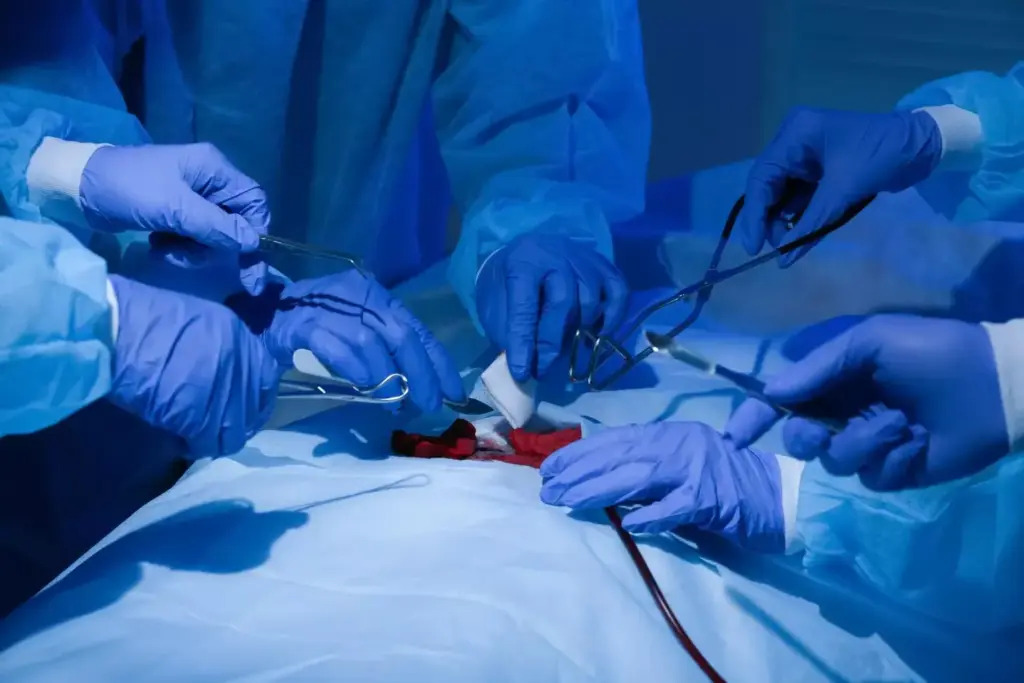
Laparoscopic uterine fibroid removal has revolutionized the treatment of fibroids, offering numerous benefits to patients. This minimally invasive procedure is designed to reduce recovery time, lower complication rates, and preserve fertility, making it an attractive option for women seeking effective fibroid treatment.
Advantages Over Traditional Open Surgery
Laparoscopic surgery offers several advantages over traditional open surgery, including smaller incisions, less blood loss, and reduced risk of complications. By choosing laparoscopic uterine fibroid removal, patients can benefit from a more precise and gentle approach to fibroid treatment.
Reduced Recovery Time and Hospital Stay
One of the significant benefits of laparoscopic fibroid removal is the reduced recovery time. Patients typically experience less post-operative pain and can return to their normal activities sooner compared to open surgery. This results in shorter hospital stays, allowing patients to recover in the comfort of their own homes.
Lower Complication Rates
Laparoscopic myomectomy is associated with lower complication rates compared to traditional open surgery. The minimally invasive nature of the procedure reduces the risk of infection, adhesions, and other complications, making it a safer choice for patients.
Preservation of Fertility
For women of childbearing age, preserving fertility is a critical consideration. Laparoscopic uterine fibroid removal is designed to preserve the integrity of the uterus, allowing women to maintain their reproductive health and potentially conceive in the future. Our surgeons take a meticulous approach to ensure that the procedure is performed with the utmost care, minimizing the risk of damage to the surrounding tissue.
Candidates for Laparoscopy Fibroid Surgery
Identifying the right candidates for laparoscopic fibroid surgery is crucial for a successful outcome. Laparoscopic uterine fibroid removal is a highly specialized procedure that requires careful patient selection to ensure the best results.
Ideal Patient Profile
The ideal candidate for laparoscopic fibroid surgery is a woman who has symptomatic fibroids and wishes to preserve her uterus. Typically, these are women who are looking for a minimally invasive alternative to traditional open surgery or hysterectomy. Our experienced surgeons assess each patient’s individual needs, considering factors such as overall health, symptoms, and reproductive plans.
Size and Number Limitations
While laparoscopic fibroid surgery can be highly effective, there are limitations related to the size and number of fibroids. Generally, surgeons can successfully remove up to five fibroids that are less than 10cm in size using the laparoscopic approach. However, larger or more numerous fibroids may still be treated laparoscopically, depending on the surgeon’s assessment and expertise.
Contraindications for Laparoscopic Approach
Certain conditions may make a patient less suitable for laparoscopic fibroid surgery. These include extensive adhesions from previous surgeries, large or complex fibroids that are deeply embedded in the uterine wall, or a history of multiple abdominal surgeries. Our surgeons conduct thorough evaluations to identify any potential contraindications and discuss alternative treatment options when necessary.
Ultimately, the decision to undergo laparoscopic fibroid surgery should be made after a comprehensive consultation with a qualified surgeon. We are committed to providing personalized care and guiding our patients through every step of their treatment journey.
Pre-Surgical Evaluation and Testing
To ensure a safe and effective laparoscopic uterine fibroid removal procedure, patients must undergo a series of pre-surgical evaluations and tests. This comprehensive assessment is crucial in determining the best approach for the surgery and identifying any potential risks or complications.
Required Diagnostic Imaging
Diagnostic imaging plays a vital role in pre-surgical evaluation. We use imaging techniques such as ultrasound and MRI to assess the size, number, and location of fibroids.
These imaging tests help us understand the anatomy of the patient’s uterus and surrounding structures, allowing us to develop a tailored surgical plan.
Laboratory Tests
Laboratory tests are another critical component of pre-surgical evaluation. We conduct various blood tests to assess the patient’s overall health and detect any underlying conditions that could impact the surgery or recovery. As emphasized by medical professionals, “A thorough pre-operative evaluation is essential to minimize risks and ensure the best possible outcome.”
- Complete Blood Count (CBC) to check for anemia or infection
- Blood Type and Rh Factor to prepare for potential blood transfusions
- Coagulation Studies to assess bleeding risks
Consultation with Surgeon
A consultation with the surgeon is a crucial step in the pre-surgical evaluation process. During this meeting, we discuss the patient’s medical history, the details of the planned surgery, and address any questions or concerns the patient may have. This consultation is an opportunity for us to explain the procedure, the expected recovery process, and to ensure that the patient is fully informed and prepared.
As part of this consultation, we also assess the patient’s overall health and discuss any necessary preparations, such as stopping certain medications or adjusting lifestyle habits before the surgery.
Medical History Assessment
Assessing the patient’s medical history is vital to identify any factors that could influence the surgery or recovery. We review the patient’s past medical conditions, previous surgeries, and any allergies or sensitivities. This information helps us to anticipate and mitigate any potential risks associated with the procedure.
By combining the results of diagnostic imaging, laboratory tests, and a thorough medical history assessment, we can ensure that our patients are well-prepared for laparoscopic uterine fibroid removal and achieve the best possible outcomes.
Preparing for Your Laparoscopic Fibroid Surgery
To ensure a successful laparoscopic fibroid surgery, patients must follow a series of pre-surgical instructions and guidelines. We understand that preparing for surgery can be daunting, but with the right information, you can feel more in control and prepared for the process ahead.
Weeks Before Surgery
In the weeks leading up to your surgery, we will provide you with detailed instructions on how to prepare. This includes:
- Undergoing any required diagnostic tests or examinations
- Managing your medications, including any necessary adjustments or cessation
- Avoiding certain foods or substances that could interfere with surgery
It’s essential to follow these instructions carefully to minimize risks and ensure the best possible outcome.
Days Before Surgery
As your surgery date approaches, we’ll guide you through the final preparations. This includes:
- Confirming your arrival time and details for the day of surgery
- Following a specific dietary regimen, which may include fasting or a clear liquid diet
- Arranging for someone to accompany you to the hospital and stay with you after the procedure
By following these steps, you can help ensure a smooth and successful surgical experience.
Night Before and Morning of Surgery
On the night before your surgery, we recommend getting plenty of rest and following any specific instructions we’ve provided regarding your medications or diet. On the morning of surgery, please:
- Follow the dietary instructions provided by our team
- Take any prescribed medications as directed
- Arrive at the hospital at the designated time
What to Bring to the Hospital
To make your stay as comfortable as possible, please bring:
- Comfortable clothing to change into after the surgery
- Any necessary personal items, such as glasses or hearing aids
- A list of your current medications and dosages
By being well-prepared and following our instructions, you can help ensure a successful laparoscopic fibroid surgery and a smooth recovery. If you have any questions or concerns, don’t hesitate to reach out to our team for support.
The Laparoscopic Uterine Fibroid Removal Procedure
Our surgeons utilize the latest advancements in laparoscopic technology to perform uterine fibroid removal with utmost precision and care. This minimally invasive procedure involves several key steps, ensuring that patients receive the best possible treatment.
Anesthesia Administration
The first step in the laparoscopic uterine fibroid removal procedure is the administration of anesthesia. We ensure that our patients are comfortable and pain-free throughout the surgery by using general anesthesia, which renders the patient unconscious during the procedure.
Incision Placement
Following anesthesia administration, our surgeons make a few small incisions in the abdomen. These incisions are strategically placed to allow for the insertion of a laparoscope and surgical instruments. The laparoscope provides a clear view of the uterus and fibroids on a video monitor, guiding the surgical team during the procedure.
Surgical Instruments and Equipment
The laparoscopic uterine fibroid removal procedure relies on specialized surgical instruments and equipment. These include:
- Laparoscopes with high-definition cameras
- Specialized grasping and dissecting instruments
- Electrosurgical units for precise cutting and coagulation
Our surgical team is trained in the use of these advanced tools to ensure the safe and effective removal of fibroids.
By combining advanced technology with the expertise of our surgeons, we provide a laparoscopic uterine fibroid removal procedure that is both safe and effective, minimizing recovery time and preserving the patient’s overall health.
Step-by-Step Surgical Process
Our surgeons follow a meticulous step-by-step process to ensure the successful removal of fibroids. This process involves several critical stages, each requiring precision and care.
Initial Entry and Visualization
The first step in the laparoscopic removal of uterine fibroids is gaining initial entry and visualization. We make small incisions through which a laparoscope and surgical instruments are inserted. The laparoscope is connected to a video camera, providing a clear view of the internal organs on a monitor.
Locating and Accessing Fibroids
Once inside, we carefully locate the fibroids. Advanced imaging techniques help us identify the size, number, and location of the fibroids. We then access the fibroids using specialized instruments designed for this purpose.
Fibroid Excision Techniques
The next step is the excision of the fibroids. We use precise techniques to remove the fibroids while minimizing damage to the surrounding uterine tissue. The choice of technique depends on the size and location of the fibroids.
- Small fibroids may be removed en bloc.
- Larger fibroids may require morcellation.
Uterine Reconstruction and Closure
After removing the fibroids, we reconstruct the uterus to restore its normal anatomy. This step is crucial for preserving fertility and minimizing the risk of complications. We then close the incisions, completing the surgical process.
- The uterus is sutured to repair any defects.
- The laparoscope and instruments are removed.
- The incisions are closed with sutures or staples.
Throughout the step-by-step surgical process, our surgeons work with precision and care to ensure the best possible outcomes for our patients.
Advanced Techniques in Laparoscopic Treatment for Fibroids
Advancements in laparoscopic treatment for fibroids have revolutionized the way we approach gynecologic care. The integration of cutting-edge technologies and innovative surgical techniques has significantly improved patient outcomes, reducing recovery times and enhancing overall satisfaction.
Harmonic Scalpel Technology
One of the key advancements in laparoscopic fibroid treatment is the use of harmonic scalpel technology. This technique utilizes ultrasonic vibrations to dissect and coagulate tissue, minimizing bleeding and reducing the risk of complications. The harmonic scalpel is particularly effective in delicate procedures, allowing for precise tissue handling and reduced thermal damage.
According to a study published in the Journal of Minimally Invasive Gynecology, the use of harmonic scalpel technology in laparoscopic myomectomy resulted in significantly less blood loss and shorter hospital stays compared to traditional methods.
Barbed Sutures for Efficient Closure
Another significant advancement is the use of barbed sutures for closure. These sutures feature tiny barbs that grasp the tissue, eliminating the need for knot tying and reducing the risk of suture slippage. This innovation not only speeds up the closure process but also provides a more secure and consistent wound closure.
| Feature | Traditional Sutures | Barbed Sutures |
|---|---|---|
| Knot Tying Required | Yes | No |
| Suture Security | Dependent on knot integrity | Enhanced by barbs |
| Closure Speed | Slower due to knot tying | Faster, more efficient |
Robotic-Assisted Laparoscopy
Robotic-assisted laparoscopy represents a significant leap forward in laparoscopic surgery. This technology provides enhanced visualization, precision, and dexterity, allowing surgeons to perform complex procedures with greater ease and accuracy. The robotic system’s 3D visualization and articulated instruments enable intricate dissections and suturing, improving overall surgical outcomes.
“Robotic-assisted surgery has transformed the field of minimally invasive gynecology, offering unparalleled precision and control.” – Gynecologic Surgeon
Single-Incision Laparoscopic Surgery
Single-incision laparoscopic surgery (SILS) is another advanced technique gaining popularity. This approach involves performing the entire procedure through a single incision, typically in the navel, resulting in less visible scarring and potentially less post-operative pain. SILS requires specialized training and equipment but offers the benefits of reduced trauma to the abdominal wall and improved cosmetic outcomes.
As we continue to adopt and refine these advanced techniques, our patients benefit from the latest innovations in laparoscopic treatment for fibroids, ensuring the best possible care and outcomes.
Post-Operative Recovery Process
Understanding the post-operative recovery process is essential for patients who have undergone laparoscopic uterine fibroid removal. We provide comprehensive care and guidance to ensure a smooth and effective recovery.
Immediate Recovery Period
After the surgery, patients are closely monitored in the recovery room. We manage pain effectively and watch for any immediate complications. Most patients can go home the same day or the following morning, depending on their condition and our medical team’s assessment.
Pain management is a priority during this phase. We use a combination of medications and other techniques to minimize discomfort.
First Week After Surgery
During the first week, patients are advised to rest and avoid strenuous activities. We recommend a healthy diet rich in nutrients to support healing. It’s also important to stay hydrated and follow our instructions regarding wound care and medication.
Some patients may experience fatigue or mild discomfort, which is normal. We are available to address any concerns or questions during this period.
Long-Term Recovery Timeline
The full recovery timeline can vary among individuals, but most patients can resume normal activities within 2-4 weeks. We provide personalized guidance based on the patient’s progress and specific needs.
It’s crucial to attend follow-up appointments so we can monitor healing and address any issues promptly.
Physical Activity Restrictions and Guidelines
We advise patients to avoid heavy lifting, bending, or strenuous exercise for several weeks after surgery. Gradually, patients can return to their normal activities, including exercise, as comfort and strength allow.
Specific guidelines will be provided based on the individual’s condition and the complexity of the surgery.
Choosing the Right Surgeon and Facility
When it comes to laparoscopic fibroid surgery, the expertise of your surgeon and the quality of the facility can significantly impact your outcome. At our institution, we understand the importance of making an informed decision when selecting a surgeon and medical facility for your procedure.
Qualifications to Look For
When researching potential surgeons, it’s essential to consider their qualifications and experience in performing laparoscopic uterine fibroid removal surgeries. Look for surgeons who are board-certified and have a proven track record of successful outcomes. We recommend checking if your surgeon has specialized training in minimally invasive gynecological surgery.
Questions to Ask Your Surgeon
During your initial consultation, prepare a list of questions to ask your surgeon. Some key inquiries include:
- What experience do you have with laparoscopic fibroid removal procedures?
- What are the potential risks and complications associated with this surgery?
- What steps will be taken to ensure my comfort and safety during the procedure?
Hospital Considerations
The quality of the hospital or surgical facility is just as important as the surgeon’s expertise. Look for facilities that are accredited by reputable organizations and have a strong reputation for patient care. Consider the following factors:
- Availability of advanced medical technology
- Quality of nursing and support staff
- Patient satisfaction ratings
Insurance and Cost Factors
Understanding the financial aspects of your surgery is crucial. Check if your insurance provider covers laparoscopic fibroid removal procedures and what out-of-pocket expenses you might incur. We also recommend inquiring about financing options or payment plans if available.
| Factor | Description | Importance Level |
|---|---|---|
| Surgeon’s Experience | Number of laparoscopic fibroid removal surgeries performed | High |
| Facility Accreditation | Accreditation status from recognized healthcare accrediting organizations | High |
| Insurance Coverage | Extent of coverage for the procedure by your insurance provider | Medium |
| Patient Reviews | Feedback from previous patients regarding their experience | Medium |
At our institution, we pride ourselves on having a team of experienced surgeons and state-of-the-art facilities. We encourage you to do your research and ask questions to ensure you receive the best possible care for your laparoscopic fibroid removal surgery.
Conclusion: The Future of Minimally Invasive Fibroid Treatment
The field of minimally invasive gynecologic surgery is continually evolving, with new technologies and techniques being developed to improve patient outcomes. Laparoscopic uterine fibroid removal is an excellent example of this trend, reflecting a broader shift toward less invasive procedures that reduce recovery time and complications.
We are committed to staying at the forefront of advancements in laparoscopic surgery, ensuring that our patients receive the best possible care. As the future of minimally invasive fibroid treatment continues to unfold, we remain dedicated to providing our patients with the latest and most effective treatments available.
Our commitment to providing world-class healthcare with complete support for international patients drives us to continually update our techniques and technologies. By doing so, we aim to make laparoscopic uterine fibroid removal a safe and accessible option for those seeking relief from fibroid symptoms.
What is laparoscopic uterine fibroid removal?
Laparoscopic uterine fibroid removal is a minimally invasive surgical procedure used to remove uterine fibroids while preserving the uterus. This technique involves making small incisions in the abdomen to insert a laparoscope and surgical instruments, allowing for a faster recovery and fewer complications.
How is a fibroid removed?
During laparoscopic uterine fibroid removal, our surgeons use specialized instruments to carefully dissect and remove the fibroids from the uterus. The procedure involves several steps, including initial entry and visualization, locating and accessing the fibroids, fibroid excision, and uterine reconstruction.
What are the benefits of laparoscopic fibroid removal?
The benefits of laparoscopic fibroid removal include reduced recovery time, lower complication rates, and preservation of fertility. This minimally invasive procedure also results in less post-operative pain and scarring compared to traditional open surgery.
What is the recovery time for laparoscopic fibroid removal?
The recovery time for laparoscopic fibroid removal varies, but most patients can expect to return to their normal activities within a few weeks. Our team will provide you with detailed instructions on how to manage your recovery, including pain management, dietary recommendations, and physical activity restrictions.
Is laparoscopic fibroid removal a safe procedure?
Yes, laparoscopic fibroid removal is a safe procedure when performed by experienced surgeons. We utilize the latest technology and techniques to minimize risks and ensure the best possible outcomes for our patients.
Can I get pregnant after laparoscopic fibroid removal?
Yes, laparoscopic fibroid removal is designed to preserve the uterus, allowing for the possibility of future pregnancy. Our surgeons will discuss your individual situation and provide guidance on the potential impact on your fertility.
What are the qualifications of the surgeons performing laparoscopic fibroid removal?
Our surgeons are highly experienced and trained in the latest techniques, including harmonic scalpel technology, barbed sutures, and robotic-assisted laparoscopy. We encourage you to ask questions and research our qualifications to ensure you receive the best possible care.
How do I prepare for laparoscopic fibroid surgery?
Our team will provide you with detailed instructions on how to prepare for your laparoscopic fibroid surgery, including what to bring to the hospital, how to manage your medications, and other necessary steps to ensure a smooth procedure.
What are the potential complications of laparoscopic fibroid removal?
As with any surgical procedure, there are potential complications associated with laparoscopic fibroid removal. Our team will discuss these risks with you and take steps to minimize them, ensuring the best possible outcome.
How is pain managed after laparoscopic fibroid removal?
Our team will provide you with detailed instructions on how to manage your pain after laparoscopic fibroid removal, including medication recommendations and other strategies to ensure a comfortable recovery.
What is the cost of laparoscopic fibroid removal?
The cost of laparoscopic fibroid removal varies depending on several factors, including the complexity of the procedure and your insurance coverage. We encourage you to discuss your costs and insurance options with our team to understand the financial aspects of your care.
References:
• PMC. (n.d.). Laparoscopic Myomectomy – PMC. https://pmc.ncbi.nlm.nih.gov/articles/PMC7214085/
• PMC. (n.d.). Original table of contents page – PMC. https://www.ncbi.nlm.nih.gov/pmc/articles/PMC5354004/