At Liv Hospital, we know how complex aortic aneurysms can be. We provide precise and caring treatment. When an aneurysm is big or growing fast, surgery is key. We’ll walk you through the steps of fixing an aortic aneurysm with open heart surgery.
Our skilled teams use the latest methods to reach the heart and aorta. They remove the bad part and put in a new synthetic graft. This detailed surgery is for aneurysms over 2 inches or those causing big problems.
Key Takeaways
- Open heart surgery is considered for large or rapidly growing aortic aneurysms.
- The procedure involves removing the diseased aortic section and replacing it with a synthetic graft.
- Modern techniques and expert teams ensure precise and compassionate care.
- Surgical intervention is critical for aneurysms causing serious symptoms.
- Liv Hospital offers top-notch healthcare with full support for international patients.
Understanding Aortic Aneurysms
The aorta is the main artery in our body. It can get bulges called aneurysms, which are serious. An aortic aneurysm happens when a part of the aorta gets too big. This can lead to a rupture if not treated.
What Is an Aortic Aneurysm?
An aortic aneurysm is a bulge in the aorta. This artery carries blood from the heart to the rest of the body. If it ruptures, it can be very dangerous.
Key characteristics of an aortic aneurysm include:
- A bulge or dilation in the aortic wall
- Potential for rupture, leading to severe bleeding
- Often asymptomatic until rupture occurs
Types of Aortic Aneurysms
Aortic aneurysms can be classified by their location and characteristics. The main types are:
| Type | Description | Location |
|---|---|---|
| Ascending Aortic Aneurysm | Aneurysm occurring in the ascending part of the aorta | Near the heart |
| Thoracic Aortic Aneurysm | Aneurysm in the thoracic (chest) region of the aorta | Chest area |
| Abdominal Aortic Aneurysm | Aneurysm located in the abdominal segment of the aorta | Abdominal region |
Knowing the type of aneurysm is key for the right treatment.
When Surgery Becomes Necessary
Surgery is often needed for aortic aneurysms at risk of rupture. The decision to have surgery depends on the aneurysm’s size, location, and the patient’s health.
Indications for surgery include:
- Aneurysm size exceeding 5.5 cm in diameter
- Rapid growth of the aneurysm
- Symptoms such as pain or tenderness near the aneurysm
We will talk more about surgery in the next sections. This includes surgical repair of aortic aneurysm and repair of ascending aortic aneurysm.
Pre-Surgical Assessment and Diagnosis

Getting a precise pre-surgical check-up is key for those with aortic aneurysms. It helps pick the best treatment plan. We use a detailed check-up to look at the aneurysm and the patient’s health.
Diagnostic Imaging Techniques
Imaging is vital for checking aortic aneurysms. CT scans, MRI, and ultrasound help find out the aneurysm’s size, location, and shape. A study in the Perioperative Medicine Journal shows these tools are key for planning surgery.
The right imaging tool depends on the patient and the aneurysm. For example, CT scans are great for measuring size and shape. MRI gives detailed views of the aortic wall and nearby areas.
Risk Assessment Criteria
Figuring out the risk of rupture is important for deciding if surgery is needed. We look at the aneurysm’s size, how fast it’s growing, and the patient’s health. The risk assessment criteria help us find out who needs surgery the most.
- Aneurysm size and growth rate
- Patient’s age and health issues
- Family history of aortic aneurysms
The Significance of Aortic Measurements
Aortic measurements are key for diagnosing and watching aortic aneurysms. The aorta’s diameter is a big factor in rupture risk. We use imaging to track the aorta’s diameter changes, helping decide when to operate.
Experts say, “Getting the aorta’s diameter right is key for knowing rupture risk and planning surgery.” Keeping a close eye on measurements is essential for good management.
Open Heart Surgery for Aortic Aneurysm: Overview
Open heart surgery is a key treatment for aortic aneurysms. It involves a big chest incision to reach the heart and aorta. Surgeons then fix or replace the damaged area.
We choose the right surgical approaches based on the aneurysm’s size and location. For example, aneurysms in the ascending aorta need a different method than those in the aortic arch or descending aorta. Knowing this helps us pick the best treatment.
Surgical Approaches for Different Aneurysm Types
The type and location of the aneurysm guide the surgery. Aneurysms near the aortic root might need a complex repair that also fixes the aortic valve. We customize our treatment for each patient’s unique situation.
Benefits Over Endovascular Techniques
Open heart surgery has advantages over endovascular repair. It lets us see and fix the aneurysm directly, which might lower future risks. This method is great for younger patients or those with complex aneurysms.
Patient Selection Criteria
Choosing the right patients for open heart surgery is complex. We look at their health, the aneurysm’s details, and other factors. These include age, other health issues, and the aneurysm’s size and growth.
By carefully evaluating these, we offer care that fits each patient’s needs. This approach improves outcomes and enhances their quality of life.
Preparing the Patient for Aortic Repair Surgery
The journey to a successful aortic repair surgery starts with thorough preparation. This includes various tests and evaluations. We aim to make our patients feel informed and supported.
Preoperative Testing Protocol
Before surgery, patients undergo tests to check their health and identify risks. These tests include electrocardiograms (ECGs) for heart function, chest X-rays for lung health, and blood tests for underlying conditions. Advanced imaging like CT scans or MRI helps us plan the surgery.
For more details on preoperative testing, visit the University of Michigan’s Vascular Surgery guidelines.
Medication Management
Managing medications is key before surgery. We review and adjust medications to reduce risks. This includes stopping anticoagulants and antiplatelet drugs to prevent bleeding. Our team provides clear instructions to ensure safety.
Anesthesia Considerations
Anesthesia is vital for comfort and safety during surgery. Our anesthesiologists create a personalized anesthesia plan. They choose the right type of anesthesia and monitor vital signs closely. We also discuss pain management strategies with patients for comfort after surgery.
By managing these aspects carefully, we improve the success and safety of aortic repair surgery. Our team is dedicated to providing complete care and support to our patients.
Surgical Team and Equipment Setup
The success of aortic repair surgery depends on a skilled surgical team and the right equipment setup. Aortic aneurysm repair is a complex task that needs precision and a deep understanding of the patient’s health.
Key Team Members and Their Roles
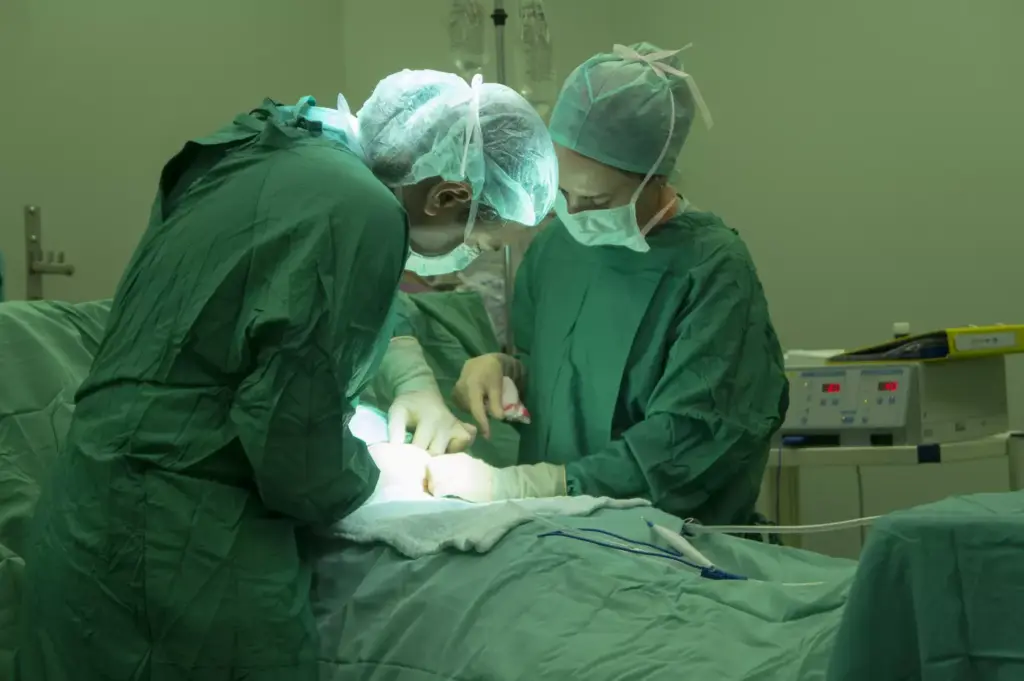
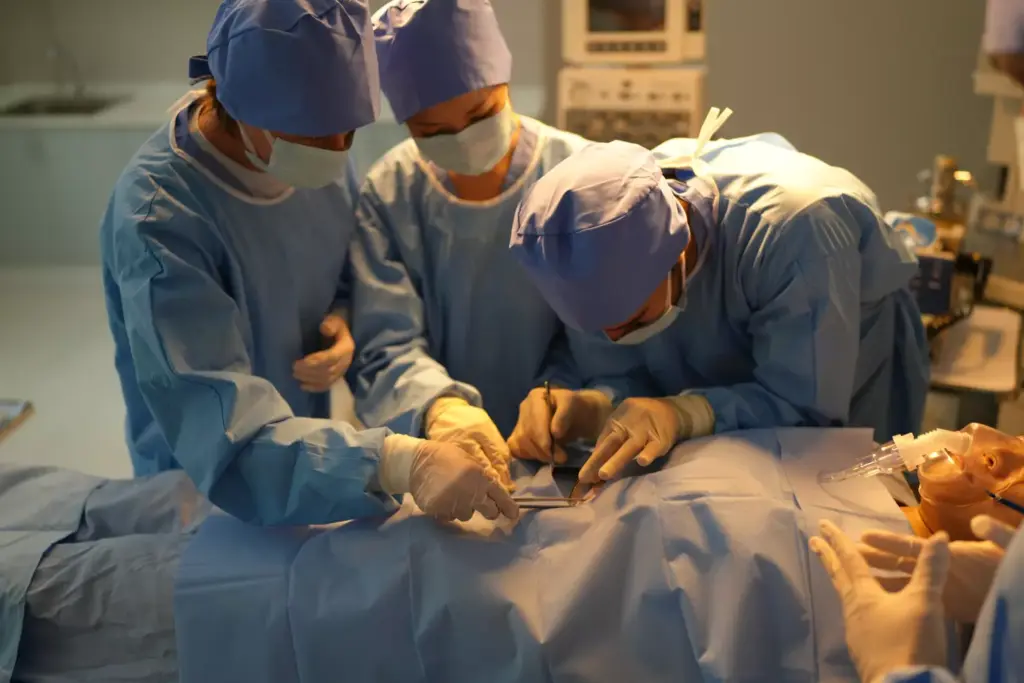
The team for aortic repair surgery includes many healthcare professionals. Cardiothoracic surgeons lead, using their expertise in the surgery. Anesthesiologists handle anesthesia and watch the patient’s vital signs.
Nurses, like scrub nurses and circulating nurses, help the surgeons and manage the room. Perfusionists run the cardiopulmonary bypass machine, key for blood flow and oxygen during surgery.
Essential Surgical Equipment
The equipment for aortic repair surgery is very specialized. The cardiopulmonary bypass machine is vital, allowing blood flow to be diverted. This creates a bloodless field for surgery.
Other key tools include surgical instruments for precise work, like forceps and sutures. Monitoring equipment, like electrocardiograms, track the patient’s health in real-time.
Operating Room Preparation
Preparing the operating room is detailed. It involves setting up equipment, sterilizing instruments, and controlling the room’s temperature and humidity.
The team does a time-out procedure before surgery. They check the patient’s identity, the surgery site, and the procedure. This step is key for patient safety and avoiding mistakes.
With a well-coordinated team and the right equipment, aortic repair surgery success rates can improve.
Initial Surgical Access: The Sternotomy Procedure
Surgeons start by making a precise cut through the sternum. This step is key to reach the heart and aorta. It makes the next steps easier.
Performing a Median Sternotomy
A median sternotomy is the top choice for aortic access. We cut the sternum vertically to see the heart and aorta clearly. This method gives us the best view for fixing the aortic aneurysm.
“The median sternotomy is a well-established technique that offers the best exposure for complex aortic repairs,” say cardiovascular surgeons. It lets us work on the aorta’s complex area with great care.
Establishing Cardiopulmonary Bypass
After the sternotomy, we set up cardiopulmonary bypass (CPB). We use tubes to take blood from the aorta and right atrium. This machine takes over the heart and lungs’ jobs, making the repair safer.
CPB is key in aortic surgery. It stops the heart, letting us fix the aorta without blood flow getting in the way.
Accessing the Aorta
With CPB ready, we carefully open the aorta to reach the aneurysm. This part needs careful work to not harm nearby tissues. After accessing the aorta, we can start the repair, like replacing a part or doing a complex fix.
We aim to give the best treatment for the aortic aneurysm. We use the latest methods and tools for this.
Surgical Repair of Ascending Aortic Aneurysm
We focus on fixing ascending aortic aneurysms during surgery. We use special techniques to make sure the repair lasts long. This helps the aorta work right again and lowers the chance of problems.
Intraoperative Assessment
Checking the aneurysm during surgery is key. Transesophageal echocardiography (TEE) helps a lot. It shows the aneurysm’s size and how it affects nearby areas.
Visual inspection by the team also helps. They see how the aneurysm affects nearby important parts.
Valve-Sparing Techniques
When the aortic valve is okay but the aorta is not, we use special methods. David’s procedure and Yacoub’s remodeling technique help keep the patient’s own valve. This means they don’t need to take medicine to prevent blood clots for life.
- David’s procedure puts the aortic valve back in a graft.
- Yacoub’s technique changes the aortic root to fit the native valve.
Complete Replacement Methods
If the aortic valve is bad or the aneurysm is big, we might need to replace the whole aorta. This includes the diseased part and sometimes the valve too. We use a synthetic graft or a composite valve-graft prosthesis for this.
Choosing the right method depends on many things. These include the patient’s age, how big the aneurysm is, and if there’s valve disease.
Graft Selection and Replacement of Ascending Aorta
In treating ascending aortic aneurysms, the graft type is key. Choosing the right graft depends on the patient’s health, aneurysm size and location, and graft material. These factors are critical for success.
Synthetic Graft Materials
Synthetic grafts are made from Dacron or Gore-Tex. They are strong and work well in many surgeries. They can handle the aorta’s high pressure. But, there’s a chance of graft infection or blood clotting.
“Synthetic grafts have changed vascular surgery,” a top surgeon said. “They last long and resist wear and tear, making them great for many patients.”
Ascending Aorta Cadaver Grafts
Cadaver grafts come from human donors. They might fit better and lower some risks. But, they’re hard to find and there’s worry about durability and disease risk.
Composite Valve-Graft Prostheses
For diseased valves and aneurysms, a composite graft is used. It has a synthetic graft and a valve. This graft fixes both problems at once, making surgery simpler.
Size and Configuration Considerations
The graft’s size and shape are very important. It must fit the aorta well and allow blood to flow smoothly. Planning before surgery and checking during it are key to finding the best fit.
We look at many things when picking a graft. These include the patient’s body, the aneurysm’s size, and the graft’s material. The right graft can greatly improve a patient’s outcome.
Anastomosis Techniques in Aorta Repair
In aorta repair, anastomosis techniques are key to success. They connect the graft to the native aorta. This process needs precision and skill to avoid problems.
Proximal Anastomosis Methods
Proximal anastomosis is a critical step. It connects the graft to the ascending aorta. We use different methods to make sure the connection is secure and leak-free. The method chosen depends on the patient’s anatomy and the aneurysm’s size.
Techniques Used:
- End-to-end anastomosis
- End-to-side anastomosis
- Teflon felt reinforcement
Distal Anastomosis Approaches
Distal anastomosis connects the graft to the distal aorta. This step is vital for restoring blood flow and preventing complications. We choose the best technique based on the patient’s condition.
Aortic Arch Handling Techniques
Repairing the aortic arch requires special techniques to avoid damage. We use various methods to keep the aortic arch intact.
Ensuring Hemostasis
Ensuring hemostasis is critical to prevent bleeding during and after surgery. We use different techniques and materials to keep the surgical site bloodless.
| Technique | Description | Benefits |
|---|---|---|
| End-to-end Anastomosis | Direct connection of graft to aorta | Reduces risk of endoleak |
| Teflon Felt Reinforcement | Use of Teflon felt to reinforce anastomosis | Enhances durability of connection |
| Suturing Techniques | Precise suturing to ensure tight seal | Minimizes risk of bleeding |
Post-Procedure Critical Steps
The time after aortic aneurysm repair is key. The surgical team watches over the patient closely. They take important steps to help the patient recover well.
Weaning from Cardiopulmonary Bypass
First, the patient is weaned from cardiopulmonary bypass (CPB). This means slowly taking away the CPB machine’s support. This lets the heart work on its own again. Getting the patient off CPB right is very important to avoid problems and keep the heart pumping well.
While weaning, we watch the patient’s heart closely. We check their blood pressure, heart output, and other signs. This helps us make sure the heart is working smoothly.
Assessing Repair Integrity
After getting off CPB, we check if the repair is good. We use tools like transesophageal echocardiography (TEE) to see if the repair is working right. It’s very important to make sure the repair is strong to avoid problems later.
We also look for any signs of bleeding or other issues. This careful check helps us fix any problems quickly. It helps the patient get the best care possible.
Sternal Closure Techniques
Closing the sternum is a big step after surgery. We use different methods to make sure it’s closed well. It’s important to close the sternum right to help the patient heal, avoid infection, and reduce pain.
The method we choose depends on the patient’s health, the surgery’s complexity, and the surgeon’s choice. Our goal is to make sure the sternum is stable and secure for the patient’s recovery.
Drain Placement
Drains are also important after surgery. They help get rid of extra fluid, blood, or air. Placing drains carefully helps avoid problems like hematoma or seroma.
We keep a close eye on the drains after surgery. We adjust or remove them as needed. This careful attention helps the patient recover better and lowers the chance of complications.
Conclusion: Recovery and Long-Term Outcomes
Patients need careful watching after aortic repair surgery. We stress the need for good post-operative care for a smooth recovery. Most patients see big health improvements after surgery.
We keep a close eye on patients for any issues during recovery. The quality of care after surgery greatly affects success. We help patients get the support they need.
Many factors affect long-term results after surgery. These include the patient’s health and how well the surgery works. With the right care, many patients live active, happy lives after surgery.
What is an aortic aneurysm and how is it diagnosed?
An aortic aneurysm is a bulge in the aorta, the main blood vessel. It’s diagnosed with imaging tests like CT scans, MRI, or ultrasound.
When is surgery necessary for an aortic aneurysm?
Surgery is needed for large, growing, or symptomatic aneurysms. The decision is based on the aneurysm’s size and the patient’s health.
What are the different types of aortic aneurysms?
Aortic aneurysms are classified by location, shape, and cause. Common types include ascending, descending, and thoracoabdominal aortic aneurysms.
What is open heart surgery for aortic aneurysm repair?
Open heart surgery involves a big chest incision. It allows for direct repair or replacement of the aneurysm with a graft.
What are the benefits of open heart surgery over endovascular techniques?
Open heart surgery offers a durable repair. It’s preferred for complex or large aneurysms, allowing for direct visualization and repair.
How is the patient prepared for aortic repair surgery?
Patients undergo a detailed preoperative evaluation. This includes testing and medication management to prepare them for surgery.
What is the role of cardiopulmonary bypass in aortic repair surgery?
Cardiopulmonary bypass diverts blood flow. It allows the surgeon to operate on a heart that’s not beating.
How is the graft selected for replacing the ascending aorta?
The graft is chosen based on the aorta’s size and the patient’s needs. Options include synthetic, cadaver, and composite grafts.
What are the key steps in the post-procedure period after aortic repair surgery?
Post-procedure steps include weaning from cardiopulmonary bypass and assessing repair integrity. Managing post-operative bleeding is also important.
What is the recovery process like after aortic repair surgery?
Recovery involves a stay in the intensive care unit. It’s followed by rehabilitation and follow-up care to monitor progress.
What are the risks associated with aortic repair surgery?
Risks include bleeding, infection, stroke, and cardiac complications. Rupture risk is also a concern if the aneurysm isn’t repaired.
How do you fix an aortic aneurysm?
Aortic aneurysms can be fixed with open heart surgery or endovascular techniques. The choice depends on the aneurysm’s size, location, and complexity, along with the patient’s health.
What is the significance of aortic measurements in making treatment decisions?
Aortic measurements are key in determining the aneurysm’s size and growth rate. They guide treatment decisions.
What is the role of the surgical team in aortic repair surgery?
The surgical team, including the surgeon, anesthesiologist, and perfusionist, work together for a successful outcome.
What is ascending aortic aneurysm surgery?
Ascending aortic aneurysm surgery repairs or replaces the ascending aorta. This is the part of the aorta that arises from the heart.
References
- Dartmouth-Hitchcock. (n.d.). Aortic aneurysm repair: Ascending aorta. https://www.dartmouth-hitchcock.org/heart-vascular/aortic-aneurysm-repair-ascending-aorta
- Columbia Surgery. (n.d.). Valve-sparing aortic root replacement (David procedure). https://columbiasurgery.org/conditions-and-treatments/valve-sparing-aortic-root-replacement-david-procedure
- UCSF Department of Surgery. (n.d.). Open aortic aneurysm repair. https://vascularsurgery.ucsf.edu/procedure/open-aortic-aneurysm-repair
- Vascular.org. (n.d.). Open surgery treatment of an aortic dissection. https://vascular.org/your-vascular-health/your-care-journey/treatments/open-surgery-treatment-aortic-dissection
- MMCTS. (n.d.). Tutorial 1936. https://mmcts.org/tutorial/1936