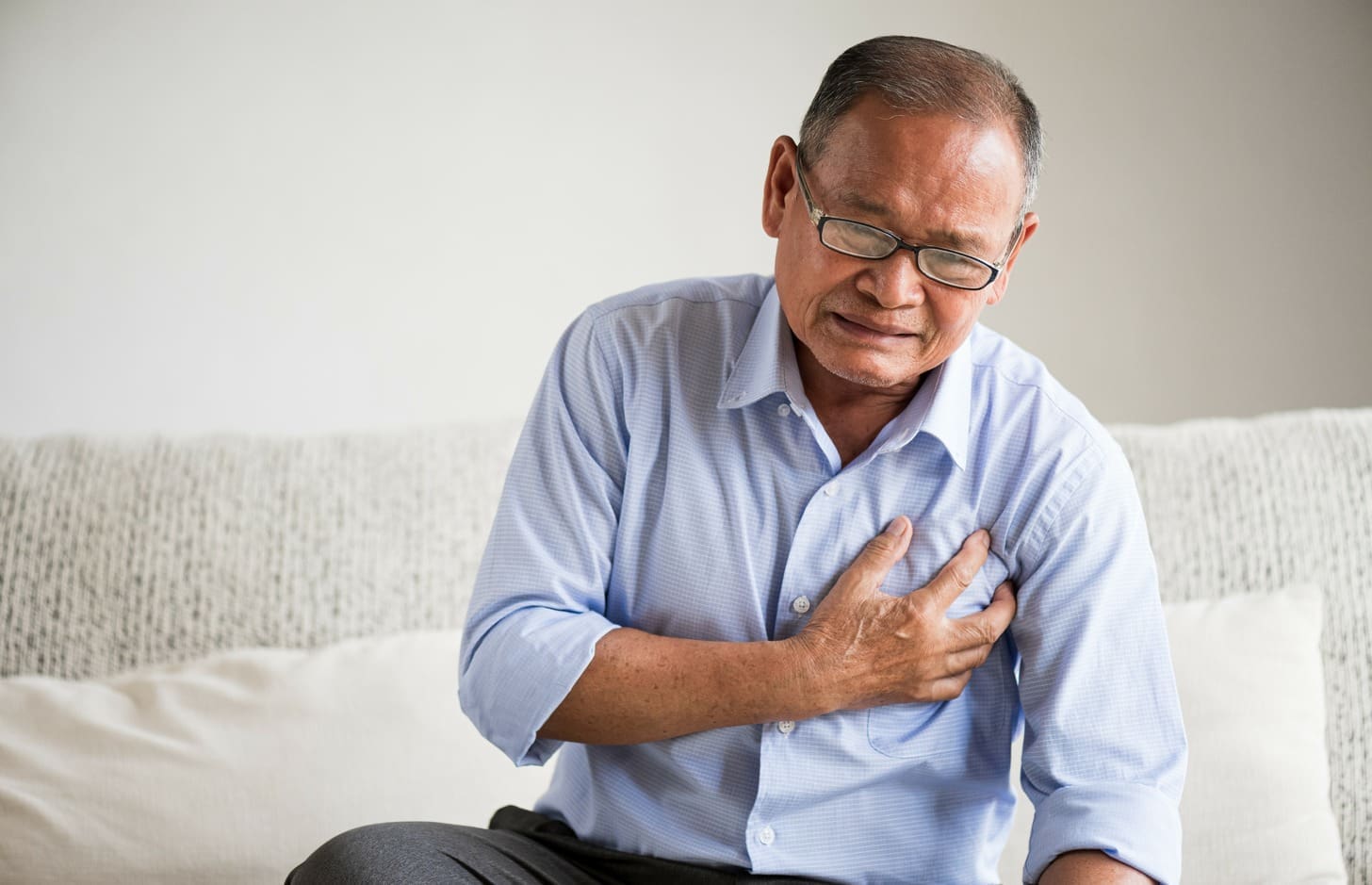
When a heart attack happens, time is of the essence. Knowing how to act fast can make a big difference. At Liv Hospital, we stress the need for quick action and have a clear plan for emergencies.
Getting medical help right away is key to saving lives and reducing damage. Studies show that quicker responses lead to better survival rates. We guide you on what to do if you or someone has a heart attack. This way, you’ll know how to act in this urgent situation.
Key Takeaways
- Act quickly in case of a heart attack to minimize damage.
- Call emergency services immediately.
- Provide initial care until medical help arrives.
- Understand the importance of timely medical intervention.
- Be prepared with a clear emergency plan.
Understanding Heart Attacks: A Life-Threatening Emergency
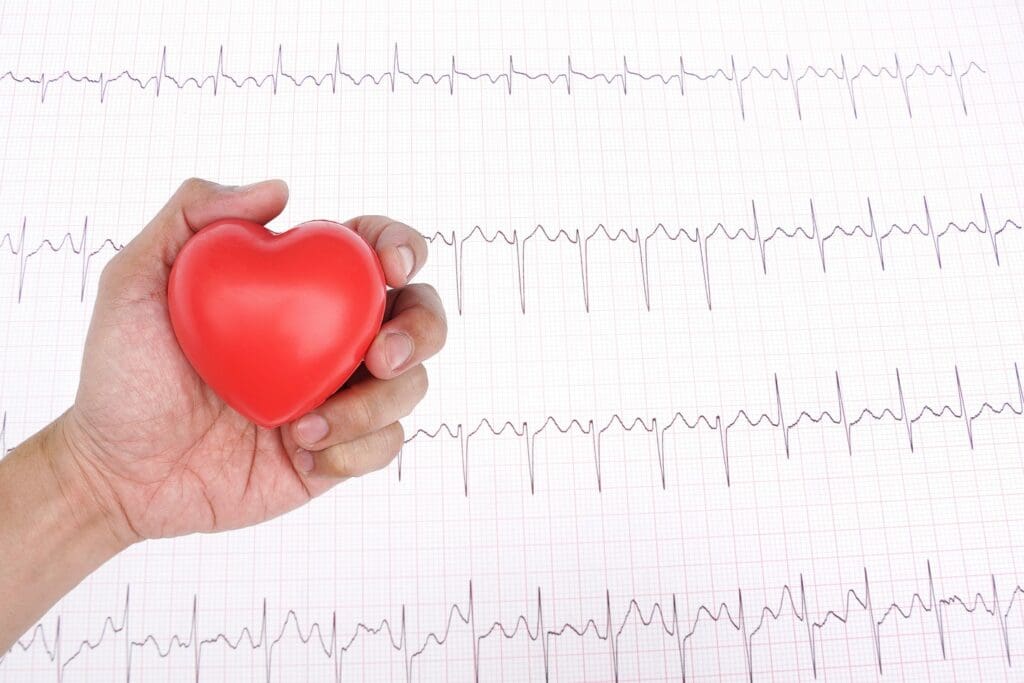
Knowing what happens during a heart attack is key to quick action. A heart attack, or myocardial infarction, happens when blood flow to the heart is blocked. This blockage damages or kills part of the heart muscle.
What Happens During a Heart Attack
A heart attack is usually caused by a blood clot on atherosclerosis (plaque) in a coronary artery. This clot stops oxygen and nutrients from reaching the heart. This causes damage or death to the heart tissue.
The severity of a heart attack can vary. Some people may have mild symptoms, while others may have severe ones. The damage depends on where and how long the blockage lasts.
Why Immediate Response Is Critical
Quick action is vital because early treatment reduces heart muscle damage. Prompt medical care can greatly improve survival chances and lower the risk of complications.
Acting quickly can save heart muscle and improve outcomes. Waiting too long can cause more damage. This could lead to long-term disability or death.
The Golden Hour: Time Is Heart Muscle
The first hour after heart attack symptoms start is called the “golden hour.” This time is critical because quick medical help can greatly reduce heart damage.
| Time Frame | Potential Damage | Importance of Intervention |
|---|---|---|
| Within 1 hour | Minimal damage | High |
| 1-3 hours | Moderate damage | Very High |
| After 3 hours | Significant damage | Critical |
Understanding the “golden hour” shows how urgent it is to act fast when heart attack symptoms appear. Recognizing signs and acting quickly can greatly improve survival and recovery.
Recognizing the Warning Signs of a Heart Attack

It’s vital to know the signs of a heart attack to get help quickly. Heart attacks show specific warning signs. We need to be aware of these to act fast.
Common Symptoms to Watch For
Heart attack symptoms include chest pain or discomfort. This is often felt as a squeezing or pressure. Other signs are shortness of breath, nausea, and dizziness.
Some people feel pain in their arms, back, neck, jaw, or stomach.
How Symptoms May Differ in Men and Women
Men and women both can have chest pain during a heart attack. But, women are more likely to have different symptoms. They might feel sharp pains in their upper back, shoulders, or arms.
Women may also feel tired, dizzy, or have irregular heartbeats without chest pain.
Atypical Presentation in Elderly and Diabetic Patients
Elderly people and those with diabetes might show different heart attack symptoms. This makes it harder to diagnose. Elderly patients might seem confused, weak, or have trouble breathing without chest pain.
Diabetic patients might not feel pain in the usual way. This is because of nerve damage.
When to Be Concerned: Distinguishing Heart Attack from Other Conditions
It’s important to tell the difference between heart attack symptoms and other conditions. This includes anxiety attacks, indigestion, or muscle pain. If you’re not sure, it’s best to get medical help.
Look for signs like cold sweats or lightheadedness. These can mean a heart attack is happening.
Knowing these warning signs helps us react quickly in emergencies. It’s key to understand how symptoms can differ among different groups.
What to Do in Case of Heart Attack: The First Critical Steps
Acting fast and right during a heart attack is key to less damage and quick medical help. The first minutes are very important. They can greatly affect the outcome.
Call 911 Immediately
The first thing to do in a heart attack is to call 911 or your local emergency number right away. This gets medical help coming as fast as they can.
Sitting Down and Staying Calm
While waiting for help, sit down in a comfy spot. Try to stay calm. This helps your heart not work too hard.
Loosening Tight Clothing
Loosen any tight clothes around your neck, chest, or waist. This can help blood flow better and make you feel less uncomfortable.
What Information to Provide to Emergency Dispatchers
When you call 911, give clear and simple info to the dispatcher. Tell them where you are, what’s happening, and any important details about the person’s health.
| Information to Provide | Details |
|---|---|
| Location | Exact address or nearest landmark |
| Nature of Emergency | State that it’s a heart attack |
| Person’s Condition | Describe symptoms and any relevant medical history |
By taking these steps, you help make sure the person having a heart attack gets the care they need fast.
Medication Administration During a Heart Attack
Knowing how medication works during a heart attack is key. The right drugs can ease symptoms and help the heart. This is important for a good outcome.
When and How to Take Aspirin
Aspirin is important for heart attacks because it stops blood clots. If you’re having a heart attack, chewing an aspirin helps it work faster. But, always check with a doctor or emergency team first. They’ll tell you if it’s safe for you.
Using Prescribed Nitroglycerin
Nitroglycerin can ease chest pain by improving blood flow. Use it exactly as your doctor says. It’s usually taken under the tongue, and you must follow the dose and timing they give you.
Medications to Avoid
Some medicines can make a heart attack worse. Don’t take any medicine not approved by a doctor or emergency team during a heart attack. Some drugs can react badly with treatments given by first responders. It’s safer to only take what’s prescribed.
Oxygen Administration by Emergency Personnel
Emergency teams might give you oxygen to help your heart. Oxygen therapy is a common treatment. It helps protect the heart muscle. We count on emergency teams to decide if you need oxygen and how much.
What to Do If You’re Having a Heart Attack Alone
Having a heart attack alone is scary. But knowing what to do can help you survive. It’s important to act fast and follow the right steps to get help.
Calling for Emergency Help
The first thing to do is call for emergency help right away. Dial 911 or your local emergency number. If you can’t get a signal, look for a landline or wait until you can call safely.
When you call, tell them where you are and what’s happening. Stay on the line and do what the dispatcher tells you.
Self-Administration of First Aid
If you can, you can help yourself. If you have aspirin and aren’t allergic, take an aspirin tablet (325 mg). But check with your doctor first.
If you have nitroglycerin, take it as your doctor said. It can help with chest pain by improving blood flow.
Preparing for EMS Arrival
While waiting for EMS, try to stay calm. Sit or lie down comfortably and loosen tight clothes to breathe better.
If you’re in a building, open the door for EMS. If you’re at home, tell a neighbor or friend so they can help or check on you.
Reaching Out to Neighbors or Passersby
If it’s safe, ask neighbors or passersby for help. They can give first aid or wait with you until EMS gets there.
To show what to do during a heart attack alone, here’s a quick guide:
| Step | Action | Details |
|---|---|---|
| 1 | Call for Emergency Help | Dial 911 or local emergency number. Provide location and describe symptoms. |
| 2 | Self-Administer First Aid | Take aspirin if available and not allergic. Use prescribed nitroglycerin as directed. |
| 3 | Prepare for EMS Arrival | Stay calm, loosen tight clothing, and unlock doors for easy access. |
| 4 | Reach Out for Additional Support | Inform neighbors or passersby for possible help. |
Helping Someone Experiencing a Heart Attack
If you’re with someone having a heart attack, your actions can make a big difference. Stay calm and offer the right support until help arrives.
Keeping the Person Calm and Comfortable
It’s important to keep the person calm. This helps reduce stress and strain on their heart. Encourage them to sit down and rest. Also, loosen any tight clothing that might be uncomfortable.
Monitoring Vital Signs
It’s key to watch the person’s vital signs, like pulse and breathing rate. Check these often and be ready to tell the emergency responders about any changes.
Gathering Important Medical Information
Getting the right medical info is very helpful for emergency responders. This includes any medicines they take, their medical history, and allergies.
Here’s a quick reference table for the key information to gather:
| Information | Details |
|---|---|
| Medications | List of current medications, dosages, and frequencies |
| Medical History | Previous heart conditions, surgeries, or other relevant medical history |
| Allergies | Any known allergies, specially to medications |
Supporting the Person Until Emergency Services Arrive
Stay with the person and tell them help is coming. Be ready to give the medical info to the emergency responders when they get there.
By following these steps, we can give vital support to someone having a heart attack. This could help improve their outcome.
When CPR Becomes Necessary
Cardiac arrest, a serious issue from heart attacks, needs quick CPR action. CPR helps keep blood flowing and boosts survival chances when the heart stops.
Recognizing Cardiac Arrest
Spotting cardiac arrest is key to saving lives. It happens when the heart suddenly stops. Look for sudden collapse, loss of consciousness, and no breathing or odd breathing.
Key signs to look for:
- No response to verbal commands or physical stimuli
- No breathing or abnormal breathing patterns
- No pulse
Performing Hands-Only CPR
Hands-only CPR is best for those not trained in CPR with breaths. It means doing chest compressions fast and steady.
Steps for Hands-Only CPR:
- Call 911 or your local emergency number
- Start chest compressions by pushing hard and fast in the center of the chest
- Continue until emergency medical personnel arrive
CPR with Rescue Breaths
Those trained in CPR can do CPR with breaths. This method is more effective, with 30 compressions to 2 breaths.
| CPR Component | Description |
|---|---|
| Chest Compressions | 30 compressions at a rate of 100-120 per minute |
| Rescue Breaths | 2 breaths after 30 compressions, ensuring the chest rises |
Switching Rescuers to Prevent Fatigue
Doing CPR can get tiring fast. Switching who does CPR every 2 minutes helps keep it effective.
Knowing when CPR is needed and how to do it right can save lives. It’s all about acting fast and doing CPR well during a heart attack.
Using an Automated External Defibrillator (AED)
Knowing how to use an Automated External Defibrillator (AED) is key to saving lives. An AED is a portable device that can diagnose and treat serious heart problems. It’s made for non-medical people, making it vital in public areas and emergencies.
Locating and Accessing an AED
Finding an AED is the first step. They are in places like malls, airports, and offices. Knowing where AEDs are in our community and workplaces is important.
Key locations to check for AEDs include:
- Public gathering places
- Workplaces
- Schools
- Gyms and sports facilities
Step-by-Step AED Application
Using an AED is simple:
- Turn on the AED.
- Expose the person’s chest and attach the electrode pads as shown on the diagrams on the pads.
- The AED will analyze the heart rhythm.
- If a shock is advised, ensure no one is touching the person and press the shock button.
- Continue CPR as directed by the AED.
AED Safety Considerations
While AEDs are safe, there are precautions:
- Ensure the person is not in contact with water or other conductive surfaces.
- Avoid using AEDs in close proximity to flammable materials.
- Be cautious with individuals who have certain medical implants or conditions.
Continuing Care After AED Use
After using an AED, keep caring until help arrives:
- Continue CPR as necessary.
- Monitor the person’s vital signs.
- Provide any relevant medical information to the emergency responders.
We should also be ready to share details about the AED use. This includes how many shocks were given and any other actions taken.
The Hospital Phase and Recovery Process
After a heart attack, the recovery starts in the hospital. Here, a detailed check-up and treatment begin. Knowing what to expect can ease worries and help patients prepare for their recovery.
What to Expect in the Emergency Room
When you arrive at the hospital, the emergency team quickly assesses you. “Time is muscle” in heart attacks, so fast action is key. You’ll get tests like ECGs and blood work to see how bad the attack was.
The emergency team works to make you stable. They give medicines for pain, breathing issues, and stress. Sometimes, they do procedures like angioplasty to fix the heart.
Common Treatments and Procedures
In the hospital, treatments aim to protect the heart and prevent more problems. Some common ones are:
- Medicines to break up clots or stop new ones
- Procedures like angioplasty and stenting to open blocked arteries
- Coronary artery bypass grafting (CABG) in severe cases
- Monitoring in special care units
These treatments are chosen based on your specific situation and health history. They’re designed to help you recover the best way possible.
The Initial Recovery Period
The first part of your recovery in the hospital is very important. You’re watched closely for any complications. Your care team manages your condition with medicines and treatments.
Rest and gentle exercises are key in the early stages. Your healthcare team helps you find a balance between rest and activity. This helps you heal and avoid getting weaker.
Cardiac Rehabilitation and Long-Term Recovery
Cardiac rehabilitation is a big part of long-term recovery after a heart attack. It includes:
- Exercise to boost heart health
- Learning about heart-healthy living
- Support for emotional and mental health
The American Heart Association says cardiac rehab helps you recover, lowers future heart risks, and improves health. It helps you regain strength and live a better life.
Long-term recovery also means making lifestyle changes. This includes eating well, quitting smoking, and managing stress. With the right support, patients can recover well and live a healthier life.
Conclusion: Preparation Saves Lives
Being ready for a heart attack can greatly improve results. It’s key to know how to act when it happens. Heart attack preparedness means more than just knowing the signs. It’s about acting fast and right.
Knowing what to do during a heart attack can reduce damage and save lives. The role of quick and correct response is huge. We must stay calm, call for help right away, and give the right first aid.
Our readiness to handle a heart attack is tied to our preparation. We need to know the warning signs and act fast. With the right knowledge and prep, we can change a heart attack’s outcome.
What are the common symptoms of a heart attack?
Symptoms include chest pain or discomfort, shortness of breath, nausea, and dizziness. Men and women may show different signs. The elderly or those with diabetes might have unusual symptoms.
What should I do if I’m having a heart attack?
Call 911 or local emergency services right away if you’re having a heart attack. Sit down, stay calm, and loosen tight clothes. If told to, take an aspirin.
How can I help someone who is having a heart attack?
Keep the person calm and comfortable. Watch their vital signs and gather medical info. Support them until help arrives.
What is the importance of the “golden hour” during a heart attack?
The first hour, or “golden hour,” is key for effective help. Quick action improves survival chances and reduces heart damage.
When should I perform CPR on someone having a heart attack?
Start CPR if the person’s heart stops. Recognize cardiac arrest and start CPR, with or without breaths if trained.
How do I use an Automated External Defibrillator (AED)?
Find and use an AED. Follow the steps, stay safe, and care for the person afterward.
What can I expect during the hospital phase and recovery process?
At the hospital, expect a full check-up and treatment plan. You might get medicines and procedures to help your heart. Cardiac rehab is key for recovery.
What to do if someone has a heart attack and is alone?
If alone, call for emergency help right away. If you can, take aspirin if advised. Get ready for emergency services to arrive.
What medications are typically administered during a heart attack?
Aspirin might be given to prevent clotting. Nitroglycerin can ease chest pain by improving blood flow. Oxygen might also be given.
How can I prevent fatigue while performing CPR?
It’s important to switch rescuers to avoid getting too tired while doing CPR.
What information should I provide to emergency dispatchers during a heart attack?
Give clear details about the person’s condition, including symptoms, medical history, and any medicines they take.
References
- Heart Disease Facts. Retrieved from: https://www.cdc.gov/heart-disease/data-research/facts-stats/index.html
- World Heart Report. Retrieved from: https://world-heart-federation.org/wp-content/uploads/World_Heart_Report_2025_Online-Version.pdf
- Heart Attack. Retrieved from: https://www.heart.org/en/health-topics/heart-attack
- About Heart Attack Symptoms, Risk, and Recovery. Retrieved from: https://www.cdc.gov/heart-disease/about/heart-attack.html