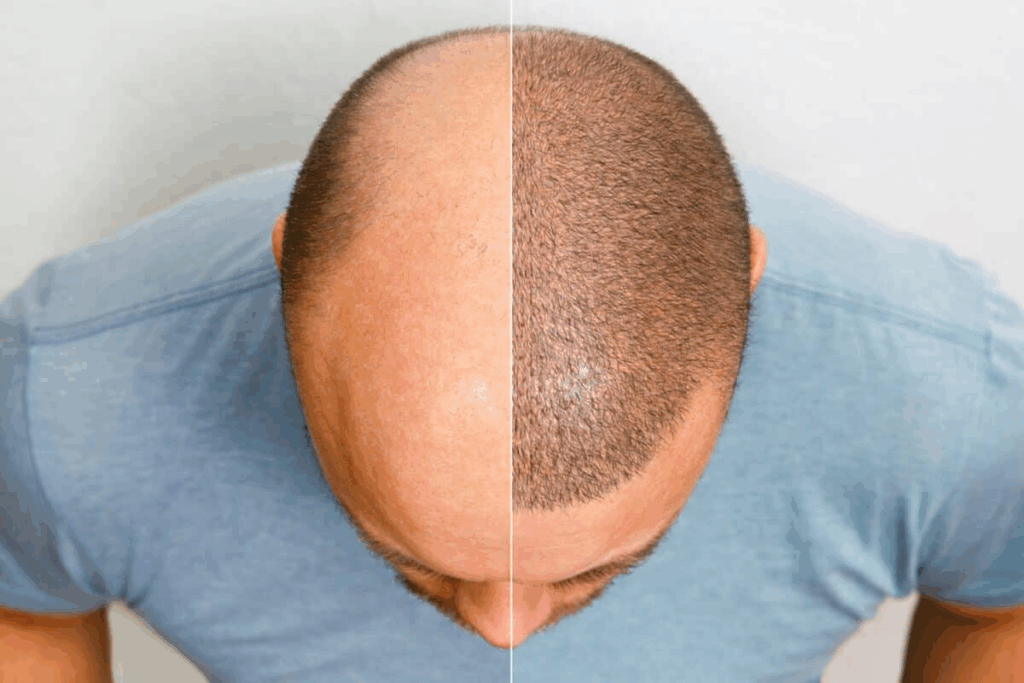
Losing weight is a big win, but it can also cause hair loss. This problem often comes from not getting enough nutrients and stress on the body. But, the good news is that you can fix it with the right food choices. Detailed nutritional plan and supplements for how to reverse hair loss from weight loss effectively and safely.
It’s important to know how diet and hair health are connected. By eating the right foods, you can help your hair grow back. We’ll show you how to use nutrition to fix hair loss and keep you healthy.
Key Takeaways
- Nutritional deficiencies can cause hair loss after weight loss.
- Proper nutrition is key to reversing hair loss.
- A well-balanced diet supports hair regrowth and overall health.
- Understanding the link between diet and hair health is essential.
- A complete nutrition guide can help individuals address hair loss.
The Science Behind Weight Loss-Induced Hair Shedding

When we lose weight, our body changes in ways that can affect our hair. This includes how our body responds to stress and lacks nutrients. Losing weight quickly can lead to a condition called telogen effluvium, causing more hair to fall out.
Understanding Telogen Effluvium
Telogen effluvium is a scalp disorder that makes hair thin or fall out, often after stress or losing a lot of weight. Hair grows in cycles, with most in the growth phase and a few in the resting phase. But, when we lose weight quickly, more hair moves to the resting phase, leading to more shedding about 3-4 months later.
The 3-Month Delay: Why Hair Loss Follows Weight Loss
The delay in hair loss after weight loss is because of the hair growth cycle. Hair follicles go through growth, transition, and rest phases. Stress, like quick weight loss, pushes more hair into the resting phase. It takes about 3 months for these hairs to fall out, which is why hair loss often happens after weight loss.
Research Findings on Weight Loss and Hair Health
Studies show that losing a lot of weight can lead to not getting enough nutrients, which harms hair health. A study on people who had bariatric surgery found they lost a lot of hair because they didn’t absorb enough protein, iron, and zinc.
Nutrient | Role in Hair Health | Effect of Deficiency |
Protein | Building block of hair | Hair loss, thinning |
Iron | Oxygen carrier for hair follicles | Hair loss, fatigue |
Zinc | Regulator of hair growth | Hair loss, skin problems |
Knowing how weight loss affects hair is key to stopping hair loss. By fixing nutritional gaps and managing stress, we can protect our hair from the effects of weight loss.
Nutritional Deficiencies That Trigger Hair Loss

Reducing calories can help with weight loss but might harm hair health if not done right. When we cut down on calories, our body has to choose which nutrients to use first.
How Caloric Restriction Affects Hair Follicles
Too little food can make our body not get enough nutrients for hair growth. Hair follicles need specific nutrients to keep growing. Without them, hair can stop growing and fall out more.
The Body’s Nutrient Prioritization During Dieting
When we eat fewer calories, our body focuses on important organs like the heart and brain. This means hair growth gets less attention, leading to hair loss.
Signs Your Hair Loss Is Nutrition-Related
Knowing if hair loss is due to diet is key to fixing it. Look for signs like a lot of hair falling out, hair texture changes, and hair loss that doesn’t stop after weight loss. If you see these, check your diet to make sure you’re getting enough nutrients.
Understanding how diet affects hair loss helps us prevent it. Eating a balanced diet is vital for keeping hair healthy while losing weight.
Protein: The Critical Nutrient for Hair Recovery
After losing weight, rebuilding hair health is key. Our body’s needs change, often leading to hair loss. Protein is vital for hair, helping it grow back.
Why Deficiency Is the #1 Hair Loss Factor
Protein deficiency is a top reason for hair loss after weight loss. Hair is made of keratin, a protein. Without enough protein, hair growth slows down.
Key reasons protein deficiency leads to hair loss:
- Hair is mostly protein, and it needs enough to grow.
- When dieting, we might not get enough protein, causing hair loss.
- Protein helps make keratin, a key hair component.
Optimal Protein Intake Calculations
Figuring out the right protein intake for hair recovery depends on several factors. These include age, weight, activity level, and health. For those losing hair due to weight loss, more protein is often needed.
A good rule of thumb is to eat at least 0.8 grams of protein per kilogram of body weight daily. For example, a 60 kilogram person should aim for 48 grams of protein. But, if you’re active or have lost a lot of weight, you might need more.
Activity Level | Recommended Protein Intake (grams/kg body weight) |
Sedentary | 0.8 |
Moderately Active | 1.2-1.6 |
Very Active | 1.6-2.2 |
Best Protein Sources for Hair Regrowth
Not all proteins are good for hair regrowth. Look for high-quality sources rich in essential amino acids.
Top protein sources for hair health:
- Lean meats like chicken and turkey.
- Fish, like salmon, which is high in omega-3 fatty acids.
- Eggs, a complete protein.
- Dairy products, including milk, cheese, and yogurt.
- Legumes, such as lentils and chickpeas.
- Nuts and seeds, including almonds and chia seeds.
By choosing these high-quality proteins and eating enough, you can help your hair grow back after weight loss.
Essential Micronutrients That Combat Hair Thinning
Understanding the role of micronutrients in hair health is key when trying to stop hair loss from weight loss. When we lose a lot of weight, our body changes in ways that can slow down hair growth. It’s important to get enough of these nutrients to keep our hair healthy and prevent too much loss.
Iron and Ferritin: The Oxygen Carriers
Iron is essential for hair health because it carries oxygen to the hair follicles. Not having enough iron can cause hair loss. So, it’s important to eat foods rich in iron.
Ferritin, a protein that stores iron, is also important. Low ferritin levels can mean you’re not getting enough iron, even before you get anemia.
To keep iron levels up, eat foods like red meat, spinach, and fortified cereals. Vitamin C helps your body absorb iron better. So, eating foods high in vitamin C, like citrus fruits or bell peppers, with iron-rich foods is good.
Vitamin D: The Sunshine Vitamin for Hair Follicles
Vitamin D is important for hair follicle cycling and overall hair health. Studies show vitamin D receptors are in hair follicles, and not having enough can cause hair loss. It’s important to keep vitamin D levels up through sun, diet, or supplements.
Foods like fatty fish, egg yolks, and fortified dairy products are good sources of vitamin D. If you don’t get enough sun or it’s winter, you might need a vitamin D supplement.
Zinc: The Cellular Growth Regulator
Zinc is vital for hair health because it helps regulate hair growth and maintenance. It’s involved in DNA synthesis and cell division, which are important for hair follicle function. Not having enough zinc can lead to hair loss, so getting enough is important.
Eat foods rich in zinc like oysters, beef, chicken, and pumpkin seeds to support hair health. Zinc absorption can be affected by other nutrients, so eating a balanced diet is important.
Biotin: Facts vs. Myths
Biotin is often seen as a cure for hair loss, but it’s important to know the truth. While biotin is important for hair health, supporting keratin production and growth, deficiencies are rare. For most people, biotin supplements won’t help unless they have a deficiency.
Eating foods rich in biotin like eggs, nuts, and whole grains is more effective than taking supplements without a deficiency.
How to Reverse Hair Loss from Weight Loss Through Strategic Nutrition
Good nutrition is key to stopping hair loss from weight loss. Hair loss can be upsetting when you’re losing weight. We aim to give you tips on eating well to help your hair grow back.
Reintroducing Calories Without Regaining Weight
It’s important to slowly add calories to help your hair grow. Focus on foods rich in vitamins and minerals. This feeds your hair follicles and helps them grow.
To safely add calories, try these:
- Eat more protein to help your hair grow strong.
- Add healthy fats like omega-3s to your scalp.
- Choose complex carbs for energy and health.
Nutrient Timing for Optimal Hair Growth
When you eat matters for hair growth. Eating the right foods at the right time helps your hair grow. Spread out your nutrients throughout the day for a steady supply.
Here’s a sample plan:
Meal | Nutrient Focus | Example Foods |
Breakfast | Protein and Complex Carbohydrates | Eggs with whole-grain toast and avocado |
Lunch | Lean Protein and Vegetables | Grilled chicken with spinach and quinoa |
Dinner | Omega-3 Rich Foods and Complex Carbohydrates | Salmon with sweet potatoes and green beans |
Supplementation Protocols for Faster Results
Supplements can help your hair grow faster. Some supplements can make your hair grow stronger and fall out less. Always talk to a doctor before taking any supplements.
Good supplements for hair include:
- Biotin: Helps hair grow and strengthens follicles.
- Vitamin D: Keeps hair follicles healthy.
- Omega-3 Fatty Acids: Feeds the scalp and promotes hair growth.
By following these nutrition tips, you can help your hair grow back. Remember, hair growth takes time.
Creating a Hair-Restoration Meal Plan
To fight hair loss from weight loss, you need a good nutrition plan. A diet full of proteins, vitamins, and minerals helps keep hair follicles healthy. This promotes hair growth.
Breakfast Options for Hair Health
Begin your day with a healthy breakfast for your hair. Eat foods high in protein like eggs, Greek yogurt, or cottage cheese. Add whole-grain toast or oatmeal for complex carbs. Finish with fruits or nuts for extra vitamins and minerals.
Here are some breakfast ideas good for your hair:
- Scrambled eggs with spinach and whole-grain toast
- Greek yogurt with berries and almonds
- Oatmeal with banana, walnuts, and cinnamon
Lunch and Dinner Combinations
For lunch and dinner, mix proteins with complex carbs and healthy fats. Try grilled chicken or fish with quinoa and veggies. Eating a variety of colors ensures you get lots of vitamins and minerals.
Here are some good lunch and dinner ideas:
Meal | Protein Source | Complex Carbohydrate | Vegetables |
Grilled Chicken with Quinoa and Broccoli | Grilled Chicken | Quinoa | Broccoli |
Baked Salmon with Brown Rice and Carrots | Baked Salmon | Brown Rice | Carrots |
Turkey and Avocado Wrap with Mixed Greens | Turkey Breast | Whole Wheat Wrap | Mixed Greens, Avocado |
Strategic Snacking for Continuous Nutrient Supply
Snacking between meals keeps nutrients flowing to your hair. Choose snacks rich in protein, healthy fats, and complex carbs. Here are some good options:
- Apple slices with almond butter
- Carrot sticks with hummus
- Nuts and dried fruits
7-Day Sample Meal Plan for Hair Recovery
Here’s a 7-day meal plan to help your hair recover:
Day | Breakfast | Lunch | Dinner | Snacks |
Monday | Greek yogurt with berries and almonds | Grilled chicken salad | Baked salmon with quinoa and broccoli | Apple slices with almond butter |
Tuesday | Oatmeal with banana and walnuts | Turkey and avocado wrap | Grilled chicken with brown rice and carrots | Carrot sticks with hummus |
Wednesday | Scrambled eggs with spinach and whole-grain toast | Grilled chicken Caesar salad | Shrimp with quinoa and steamed asparagus | Nuts and dried fruits |
Thursday | Smoothie bowl with protein powder, banana, and almond milk topped with granola and berries | Chicken and quinoa bowl with roasted vegetables | Grilled turkey breast with roasted sweet potatoes and green beans | Hard-boiled egg and cherry tomatoes |
Friday | Cottage cheese with sliced peaches and whole-grain cereal | Tuna salad sandwich on whole-grain bread with a side salad | Grilled chicken with roasted Brussels sprouts and brown rice | Cucumber slices with hummus |
Saturday | Avocado toast on whole-grain bread with poached eggs | Grilled chicken wrap with mixed greens and whole wheat wrap | Baked cod with quinoa and steamed broccoli | Greek yogurt with honey and almonds |
Sunday | Breakfast burrito with scrambled eggs, black beans, and avocado wrapped in a whole wheat tortilla | Chicken Caesar salad | Grilled shrimp with quinoa and roasted asparagus | Apple slices with peanut butter |
Beverages and Foods That Worsen Hair Loss
What we eat can affect our hair as much as what we avoid. Some foods and drinks can harm our hair, making it fall out more. Knowing which ones to avoid can help us eat better for our hair.
Alcohol’s Impact on Hair Follicles
Drinking too much alcohol can hurt our hair. It can cause a lack of vitamins and minerals needed for hair to grow. Long-term drinking can mess up hair follicles, causing hair loss.
“Drinking too much can make hair fall out because it dehydrates and lacks nutrients,” say nutritional experts.
Sugar: The Hidden Hair Saboteur
Eating too much sugar can make our body inflamed, hurting our hair. Too much sugar raises inflammation, which can stop hair from growing right.
Too much sugar can also cause insulin resistance, making hair loss worse. It’s good to cut down on sugary foods and drinks for our hair’s sake.
Processed Foods and Inflammatory Hair Loss
Processed foods have unhealthy stuff like preservatives and too much salt. These can cause inflammation, which is bad for our health, including our hair.
Eating more whole, healthy foods can help fight the bad effects of processed foods on our hair.
Caffeine: Friend or Foe to Hair Growth?
There’s debate about how caffeine affects hair growth. Too much caffeine can dry us out, which might not be good for our hair. But, a little caffeine is usually okay.
Some studies say caffeine might help hair grow by blocking a hormone that causes hair loss. But, we need more research to know for sure.
In short, what we eat matters a lot for our hair. Avoiding too much alcohol, sugar, and processed foods can help prevent hair loss. Eating a balanced diet full of nutrients is the best way to keep our hair healthy.
Weight Loss Strategies That Preserve Hair Health
When you want to lose weight and keep your hair healthy, you need a plan. This plan should cover what you eat, how much you exercise, and your lifestyle. It’s key to focus on methods that help you lose weight and keep your hair looking good.
Safe Rate of Weight Loss for Hair Preservation
It’s important to lose weight slowly to avoid losing too much hair. Aim for losing 1-2 pounds a week. Losing weight too fast can shock your body and cause hair loss.
To lose weight safely, eat fewer calories but not too few. A balanced diet and regular exercise are good. Make sure you eat enough protein to help your hair grow and stay healthy.
Intermittent Fasting Considerations
Intermittent fasting is popular for losing weight, but it can affect your hair. Some people lose hair because of the strict fasting. If you’re fasting, make sure you eat enough during your eating times.
Listen to your body and change your fasting plan if needed. If you notice a lot of hair loss or other problems, talk to a doctor or a dietitian. They can help you find a plan that works for you.
Exercise Intensity and Hair Shedding
Exercise is important for losing weight, but too much can harm your hair. High-intensity workouts can raise cortisol levels, which is bad for your hair.
To keep your hair healthy while exercising, mix up your workouts. Try activities like walking, cycling, or swimming. Add strength training too. This way, you can stay fit without losing too much hair.
Balancing Fitness Goals with Hair Health
To balance fitness and hair health, think about everything. Make sure you eat the right foods for your workouts and hair growth.
Drinking enough water, getting enough sleep, and managing stress are also key. By putting your overall health first, you can lose weight and keep your hair healthy.
Conclusion: The Path to Healthy Hair Through Balanced Nutrition
Reversing hair loss from weight loss needs a full plan that focuses on good nutrition for hair. Knowing why hair falls out and using the right foods can help a lot. This way, people can keep their hair healthy.
Eating the right foods is key for healthy hair. Foods rich in protein, iron, vitamin D, zinc, and biotin are important. We talked about how to eat right without gaining weight, when to eat for hair growth, and supplements for quicker results.
A good hair loss diet includes lots of whole foods. This means lean proteins, complex carbs, and healthy fats. We also talked about making a meal plan for hair health. This includes breakfast, lunch, dinner, and snacks to keep nutrients flowing.
In short, a balanced diet is essential for stopping and reversing hair loss from weight loss. By eating well and keeping a balanced diet, people can help their hair grow back and feel better overall.
FAQ
What is telogen effluvium, and how does it relate to weight loss-induced hair shedding?
Telogen effluvium is a condition where hair falls out more than usual. It happens when the body is stressed, like during weight loss. This stress can make hair go into a resting phase and fall out.
How long after weight loss can I expect to experience hair loss?
You might start losing hair about three months after losing weight. This is because it takes that long for hair follicles to react to the stress from weight loss.
Can nutritional deficiencies cause hair loss, and if so, which ones are most critical?
Yes, not getting enough nutrients can lead to hair loss. Important nutrients include protein, iron, vitamin D, zinc, and biotin. Eating enough of these helps keep your hair healthy.
How much protein do I need to support hair regrowth, and what are the best sources?
The right amount of protein for hair growth depends on your body size. Aim for 0.8-1 gram of protein per kilogram of body weight each day. Good protein sources are lean meats, fish, eggs, dairy, legumes, and nuts.
Can I reverse hair loss caused by weight loss through dietary changes alone?
Yes, changing your diet can help. Make sure you get enough protein and nutrients. Avoid foods that can make hair loss worse.
Are there specific foods or beverages that can exacerbate hair loss?
Yes, some foods can make hair loss worse. Avoid alcohol, high sugar foods, processed foods, and too much caffeine. These can harm your hair health.
How can I safely increase my calorie intake to support hair regrowth without regaining weight?
To increase calories safely, eat nutrient-rich foods. Try eating smaller meals throughout the day. A healthcare professional or dietitian can give you personalized advice.
Is supplementation necessary for reversing hair loss, and if so, what supplements are most effective?
Supplements can help reverse hair loss, but only if diet changes aren’t enough. Biotin, vitamin D, and iron are good options. Always talk to a healthcare professional before starting supplements.
Can intermittent fasting cause hair loss, and how can I balance it with hair health?
Intermittent fasting might cause hair loss if not done right. It can lead to calorie and nutrient deficiencies. Make sure to eat enough during your eating windows and listen to your body.
How does exercise intensity impact hair shedding, and what is a safe level of exercise for hair health?
Too much exercise can make hair fall out because of the stress it puts on your body. Aim for moderate exercise. Finding the right balance between exercise and hair health means paying attention to your diet and rest.
References
- Patel DP, Swink SM, Castelo-Soccio L. Telogen Effluvium: A Review of the Literature. Int J Trichology. 2019 Jan-Mar;11(1):6-12. https://www.ncbi.nlm.nih.gov/pmc/articles/PMC6394159/