Noise-induced hearing loss affects millions of Americans. About 26 million suffer from this condition. Recent research has found that vitamins might help prevent and reverse hearing loss.
Vitamins A, C, and E, along with magnesium, have shown promise in protecting against noise-induced hearing loss. These findings suggest a new era in hearing preservation. They offer hope for those affected by this condition. We look into the latest research and statistics on vitamins for ear health and reversing hearing loss.
Key Takeaways
- Vitamins A, C, and E, combined with magnesium, may help prevent noise-induced hearing loss.
- Approximately 26 million Americans suffer from noise-induced hearing loss.
- Nutritional interventions could play a crucial role in hearing preservation.
- Research is ongoing into the potential benefits of vitamins for ear health.
- Natural remedies may offer a complementary approach to traditional hearing loss treatments.
The Impact of Hearing Loss on Quality of Life
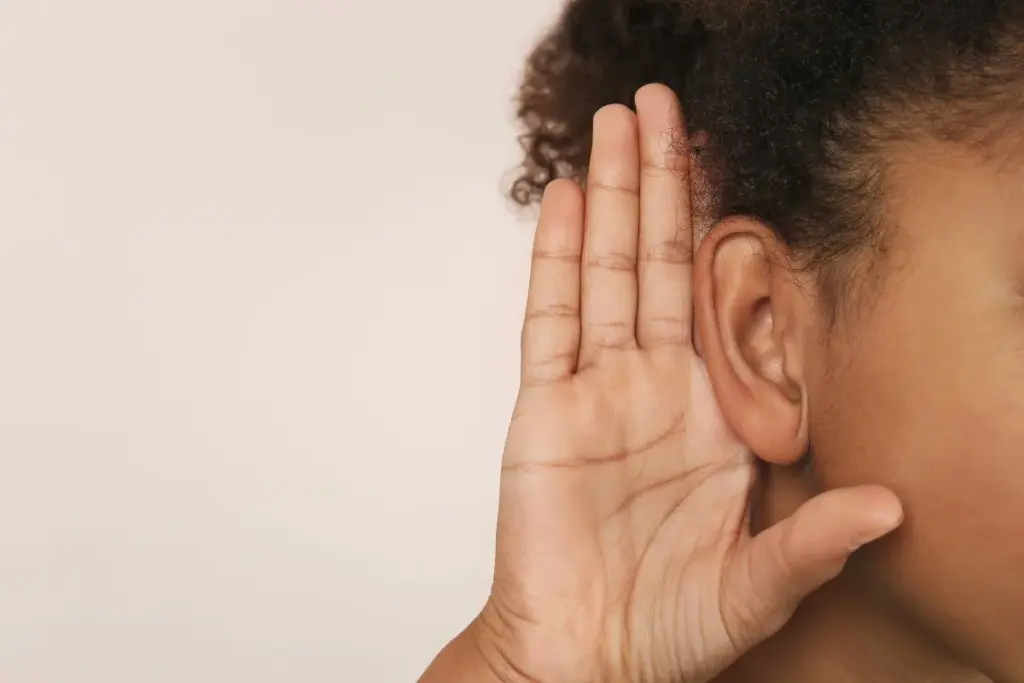
Hearing loss is more than just not being able to hear. It affects our social, emotional, and physical health deeply. Understanding hearing loss shows how it changes our lives in many ways.
Statistics on Hearing Loss in America
In the U.S., a lot of people have hearing loss. About 48 million Americans have some degree of it. This number is expected to rise as more people get older.
Older adults are hit harder by hearing loss. Around 1 in 3 people aged 65 to 74 have it. For those 75 and older, it’s nearly 1 in 2.
Physical and Emotional Effects of Hearing Impairment
Hearing loss has big physical and emotional impacts. It can make people feel isolated from family and friends. This isolation can lead to depression and anxiety.
It also affects our brains. Trying to hear can make our brains work harder. Early treatment is key to avoiding these problems.
Why Natural Approaches Are Gaining Attention
More people are looking into natural ways to deal with hearing loss. They want to avoid surgery and drugs with side effects. Natural methods, like diet changes and supplements, are seen as promising for hearing health.
Studies show that some vitamins and minerals might help protect our hearing. Looking into these natural methods is important. We need to see how they fit into a full plan for hearing health.
Understanding Different Types of Hearing Loss
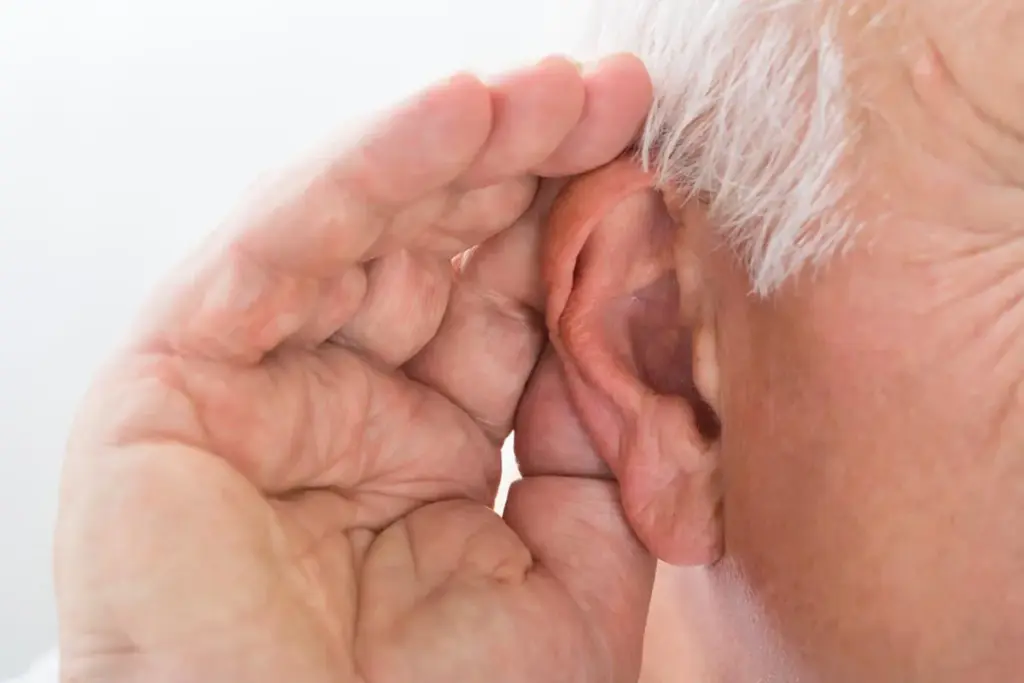
It’s important to know about the different types of hearing loss. This knowledge helps in finding the right treatment. Hearing loss is not just one thing but a range of problems that can affect the ear in different ways. We will look at the main types, their causes, and what they mean.
Sensorineural Hearing Loss
Sensorineural hearing loss is the most common type. It happens when the inner ear, like the cochlea, or the nerve paths to the brain get damaged. It can be caused by getting older, loud noises, some medicines, or certain health issues. This type of loss is often permanent and can make it hard to hear speech and connect with the world around you. It can be mild or very severe and can affect one or both ears.
Conductive Hearing Loss
Conductive hearing loss happens when sound can’t get through the outer ear, eardrum, or middle ear. It can be caused by earwax, infections, a torn eardrum, or middle ear problems. But, in some cases, it can be fixed with medicine or surgery. How bad it is can vary, and it can happen in one or both ears.
Mixed Hearing Loss
Mixed hearing loss is when you have problems in both the outer or middle ear and the inner ear or nerve. To find out if you have mixed hearing loss, a detailed hearing test is needed. Treatment for mixed hearing loss might include fixing the outer or middle ear problems and finding ways to help with the inner ear issues.
Knowing about the different types of hearing loss helps people get the right help. As healthcare workers, we aim to give the best care and support to those with hearing loss.
The Science of Nutritional Support for Hearing
Nutrition plays a big role in keeping our hearing sharp. Research shows that the right nutrients help protect our ears. This is because some nutrients are key in safeguarding the ear’s delicate parts.
How Free Radicals Damage Hearing Cells
Free radicals are harmful molecules that can damage our hearing cells. This damage can cause hearing loss, especially from loud noises or as we age. Antioxidants are key in fighting off these free radicals, protecting our hearing cells.
Free radicals harm our hearing cells by disrupting their functions. This can lead to cell death, a process called apoptosis. Knowing how this happens helps us find ways to protect our hearing.
Antioxidant Protection Mechanisms
Antioxidants fight free radicals, preventing them from causing harm. Important antioxidants include vitamins C and E, and beta-carotene. We can find these in foods or take them as supplements.
Our body has a complex system to fight off free radicals. This system is crucial for keeping our ears healthy. It helps protect the cochlea and auditory nerve.
|
Antioxidant |
Food Sources |
Role in Hearing Health |
|---|---|---|
|
Vitamin C |
Citrus fruits, berries, leafy greens |
Neutralizes free radicals, supports overall ear health |
|
Vitamin E |
Nuts, seeds, vegetable oils |
Protects cell membranes from oxidative damage |
|
Beta-Carotene |
Carrots, sweet potatoes, dark leafy greens |
Converts to vitamin A, essential for cochlear function |
Research on Nutrient Combinations
Research shows that some nutrients work better together for hearing health. For example, antioxidants and other nutrients can protect against hearing loss from loud sounds.
Studies have looked at different nutrient combinations. They found that vitamins A, C, and E, along with magnesium, work together well. This suggests that their combined effect is stronger than each one alone.
Understanding how nutrition supports our hearing is important. A balanced diet is key to keeping our ears healthy. As research grows, we’ll learn more about how to use nutrition to protect our hearing.
Vitamin A: Essential for Cochlear Function
Vitamin A is key for our hearing health, especially in the cochlear function. The cochlea in our inner ear turns sound vibrations into electrical signals. Our brain then understands these signals as sound. Vitamin A helps keep this delicate structure healthy in many ways.
Supporting Sensory Cell Health
Vitamin A is vital for the health of sensory cells in the cochlea. These cells pick up sound vibrations and send them to the auditory nerve. Vitamin A’s antioxidant properties protect these cells from damage by free radicals. This keeps them working well and our hearing healthy.
Beta-Carotene and Hearing Protection
Beta-carotene, a vitamin A precursor, is great for hearing protection. Eating foods rich in beta-carotene helps support hearing health. Its antioxidants fight oxidative stress in the cochlea, which can cause hearing loss.
- Beta-carotene is found in carrots, sweet potatoes, and spinach.
- These foods are good for hearing and overall health.
Food Sources and Supplement Options
While supplements are an option, getting vitamin A from food is best. Food sources include liver, eggs, and dairy products. If you’re thinking about supplements, talk to a healthcare professional first. They can help figure out what’s best for you.
- Always talk to a healthcare professional before starting supplements.
- Choose supplements from trusted manufacturers.
- Watch how your body reacts to supplements and adjust as needed.
Vitamin C: Fighting Oxidative Stress in the Ear
Vitamin C is a key antioxidant that protects our hearing by fighting oxidative stress in the ear. Oxidative stress happens when free radicals outnumber antioxidants in our body, causing cell damage. This can harm the ear’s delicate structures and lead to hearing loss.
Research on Vitamin C and Noise-Induced Damage
Studies show vitamin C helps shield against noise-induced hearing loss. A study in the Journal of the Acoustical Society of America found that those with more vitamin C intake had better hearing after noise exposure. This was compared to those with less vitamin C.
Another study found that vitamin C supplements can lessen oxidative stress from noise. This protects the cochlea’s hair cells from damage.
How Vitamin C Regenerates Other Antioxidants
Vitamin C is not just an antioxidant. It also helps regenerate other antioxidants, like vitamin E. This is crucial because it keeps the ear’s antioxidant defenses strong. It provides ongoing protection against oxidative stress.
“Vitamin C’s ability to regenerate other antioxidants makes it a critical component in the body’s defense against oxidative damage.” -Nutritional Research Expert
Optimal Vitamin C Sources for Hearing Health
To keep your hearing healthy, you need enough vitamin C from food or supplements. Citrus fruits, strawberries, kiwis, and leafy greens are all good sources.
|
Food |
Vitamin C Content (mg per serving) |
|---|---|
|
Orange |
70 |
|
Strawberries (1 cup) |
150 |
|
Kiwi |
70 |
While eating foods high in vitamin C is best, supplements can fill in the gaps. But, always talk to a healthcare professional before starting any supplements.
Vitamin E: Protecting Delicate Ear Structures
Vitamin E is key in keeping the ear’s delicate parts safe. It acts as an antioxidant, protecting the complex hearing mechanisms. This makes it crucial for ear health.
Mechanism of Cell Membrane Protection
Vitamin E shields cell membranes from damage. Cell membranes are vital for the ear’s auditory cells to work right. It keeps these membranes safe, helping hearing stay normal.
Vitamin E’s antioxidants fight off free radicals. These harmful particles can damage the ear’s sensitive parts. This protection is key to avoiding hearing loss and keeping ears healthy.
Studies on Vitamin E and Hearing Preservation
Research shows vitamin E is important for hearing. People who eat more vitamin E are less likely to lose their hearing. This is especially true for hearing loss caused by loud noises.
Vitamin E also works better with other antioxidants to protect hearing. This highlights the need for a diet full of different antioxidants for ear health.
Natural Sources vs. Supplements
Vitamin E comes from both natural foods and supplements. Natural sources like nuts, seeds, and oils give vitamin E with other good nutrients.
Supplements offer a strong dose of vitamin E. They’re good for those with special needs. But, always talk to a doctor before taking supplements to make sure they’re right for you.
B Vitamins: Crucial for Auditory Nerve Function
Keeping B vitamins at the right levels is key for the auditory nerve to work well. These vitamins are vital for the health of our hearing system.
Vitamin B12 and Nerve Health Connection
Vitamin B12 is important for making myelin, a fatty substance that protects nerve fibers. Without enough B12, nerves can lose their protective covering. This can cause hearing problems or ringing in the ears.
Studies show that taking B12 can help those with hearing issues due to B12 deficiency.
Key benefits of vitamin B12 for auditory nerve health:
- Supports myelin synthesis
- Maintains nerve fiber integrity
- May alleviate tinnitus symptoms
Folate Deficiency and Hearing Loss Risk
Folate, or vitamin B9, is also key for the auditory nerve. Not having enough folate can raise the risk of hearing loss, especially in older people. It’s important to get enough folate through food or supplements to keep hearing healthy.
|
Folate Status |
Hearing Loss Risk |
|---|---|
|
Adequate |
Lower risk |
|
Deficient |
Higher risk |
B1, B2, and B6 Contributions to Ear Health
While B12 and folate are crucial, other B vitamins also help ear health. Thiamine (B1) helps energy in ear cells, riboflavin (B2) keeps ear cells healthy, and pyridoxine (B6) is important for making neurotransmitters.
We suggest getting a mix of B vitamins for better ear health. A B vitamin complex can make sure you get all the nutrients needed for healthy hearing.
Vitamin D: The Sunshine Vitamin’s Role in Hearing
Vitamin D receptors in the ear show a clear link to hearing. Research is showing how vitamin D helps keep our hearing sharp. It might even help prevent hearing loss.
Research on Vitamin D Receptors in the Ear
Studies have found vitamin D receptors in the ear. This means vitamin D is key for the ear’s function. It helps keep the auditory system healthy.
Key findings include:
- Vitamin D receptors are found in the cochlea and other auditory structures.
- Vitamin D is involved in the regulation of calcium levels, which is important for hearing.
- Research is ongoing to fully understand the mechanisms by which vitamin D affects hearing.
Deficiency Prevalence and Hearing Correlation
Vitamin D deficiency is common worldwide. It seems linked to hearing loss. Studies show people with low vitamin D might have trouble hearing.
|
Population |
Prevalence of Vitamin D Deficiency |
Hearing Loss Correlation |
|---|---|---|
|
General Population |
40% |
Moderate |
|
Elderly |
60% |
Strong |
|
Individuals with Limited Sun Exposure |
80% |
Very Strong |
Supplementation Strategies for Optimal Levels
Keeping vitamin D levels right is key for health, including hearing. We suggest a mix of sun, diet, and supplements for the best levels.
Effective supplementation strategies include:
- Consulting with a healthcare provider to determine the appropriate dosage.
- Monitoring vitamin D levels regularly.
- Combining vitamin D supplements with other nutrients that support hearing health.
How to Reverse Hearing Loss Naturally: Comprehensive Approach
To naturally reverse hearing loss, a holistic approach is key. This includes making dietary changes, taking specific nutrients, and changing your lifestyle. This strategy aims to boost your hearing health and possibly restore your hearing.
Synergistic Vitamin and Mineral Combinations
Vitamins and minerals work together to help your hearing. Vitamins A, C, and E, along with magnesium, protect your ears and support your hearing system.
Studies show that mixing these nutrients can make them more effective. For example, vitamin C helps vitamin E work better, protecting your ears more.
Timeline Expectations for Natural Interventions
The time it takes to see hearing improvements varies. It depends on how bad your hearing loss is, what’s causing it, and how well you stick to the treatment.
Some people might notice better hearing in a few months. Others might take longer. It’s important to be patient and keep up with your chosen treatments.
|
Intervention |
Timeline for Noticeable Effects |
|---|---|
|
Dietary Changes |
2-6 months |
|
Supplementation |
3-12 months |
|
Lifestyle Modifications |
1-6 months |
Lifestyle Modifications That Enhance Recovery
Besides nutrition, lifestyle changes can help too. Avoiding loud sounds, managing stress, and staying active are good examples.
These changes can improve your hearing and overall health. For example, exercise boosts blood flow, which is good for your ears and hearing system.
Magnesium: The Essential Mineral for Hearing Protection
Magnesium is key in protecting our hearing. It’s vital for our hearing health. We’ll look into how magnesium, with vitamins A, C, and E, prevents hearing loss from loud noises.
Synergistic Effects of Magnesium with Vitamins A, C, and E
Studies show magnesium and vitamins A, C, and E work better together to protect our hearing. A study on the National Center for Biotechnology Information website shows their combined benefits. Together, they reduce damage from loud sounds and protect the ear’s delicate parts.
Magnesium helps keep the inner ear’s hair cells healthy. It also reduces stress and improves blood flow to the cochlea. With vitamins A, C, and E, magnesium’s benefits are even greater.
Preventing Noise-Induced Hearing Damage with Magnesium
Loud noises can harm our hearing. Magnesium helps protect against this damage. Research shows magnesium can lessen the harm from loud sounds.
Optimal Forms and Dosages of Magnesium for Ear Health
Choosing the right magnesium is important for hearing health. Magnesium glycinate and magnesium citrate are good choices. Aim for 200 to 400 mg daily, depending on your needs.
|
Magnesium Form |
Bioavailability |
Typical Dosage |
|---|---|---|
|
Magnesium Glycinate |
High |
200-400 mg/day |
|
Magnesium Citrate |
High |
200-400 mg/day |
|
Magnesium Oxide |
Low |
Not Recommended |
Understanding magnesium’s role in hearing health is crucial. It works well with other vitamins to protect our hearing. Making sure we get enough magnesium is a smart way to keep our hearing sharp.
Additional Minerals That Support Hearing Function
Exploring nutrients for hearing health, we can’t ignore minerals. While vitamins are key, minerals help too. Let’s look at minerals that help our hearing.
Zinc’s Role in Immune Function and Ear Health
Zinc is vital for our immune system and ear health. A lack of zinc can make us more prone to ear infections and hearing loss. Zinc helps our immune system and might protect our hearing from loud noises. You can find zinc in oysters, beef, chicken, and some cereals.
Potassium and Inner Ear Fluid Balance
Potassium is important for hearing, especially for the inner ear’s fluid balance. The inner ear’s fluid needs potassium to work right. Potassium helps send electrical signals that let us hear. Good sources of potassium are bananas, avocados, and leafy greens.
Selenium, Copper, and Manganese Benefits
Selenium, copper, and manganese are trace minerals that help our hearing. They fight off damage with their antioxidant powers. Selenium, copper, and manganese are found in many foods. Eating a variety of foods helps you get these minerals.
In summary, minerals like zinc, potassium, selenium, copper, and manganese are crucial for hearing. Eating well or taking supplements can help keep your ears healthy and prevent hearing loss.
Creating an Optimal Diet Plan for Hearing Health
Creating a diet plan that supports hearing health is key. A good diet can help protect and preserve our hearing. It’s important for our overall auditory well-being.
Anti-Inflammatory Foods That Protect Hearing
Adding anti-inflammatory foods to your diet can protect your hearing. These foods have antioxidants and nutrients that fight oxidative stress and inflammation. They help keep the auditory system healthy. Some examples include:
- Fatty Fish: Salmon, mackerel, and sardines are rich in omega-3 fatty acids. These reduce inflammation and support ear health.
- Leafy Greens: Spinach, kale, and collard greens are full of vitamins A, C, and E, and magnesium. These are good for hearing health.
- Nuts and Seeds: Almonds, walnuts, and chia seeds are high in vitamin E and magnesium. They are great for protecting hearing.
Sample Meal Plans for Maximum Nutrient Absorption
It’s important to create a meal plan that maximizes nutrient absorption. This supports hearing health. Here’s a sample meal plan:
- Breakfast: Overnight oats with almond milk, chia seeds, and walnuts, topped with fresh berries.
- Lunch: Grilled salmon with steamed spinach and quinoa on the side.
- Dinner: Stir-fry with kale, bell peppers, and chicken, served with brown rice.
By eating these foods, you can support your hearing health and overall well-being.
Foods to Avoid That May Worsen Hearing Issues
Some foods can harm hearing health. It’s important to limit or avoid them. Here are some examples:
- Processed Foods: They are high in sodium and preservatives. These can increase blood pressure and damage ear blood vessels.
- Sugary Snacks: They can cause inflammation and oxidative stress. This negatively impacts hearing health.
- Caffeine and Alcohol: Too much can affect blood flow to the ears. This can worsen hearing issues.
By avoiding these foods, you can protect your hearing health.
Supplement Regimens: Timing, Dosage, and Combinations
Creating a good supplement plan for hearing health is key. It’s important to know how to mix different vitamins and minerals right. This helps keep your hearing healthy.
Formulating an Effective Supplement Strategy
When making a supplement plan, think about several things. These include the type of hearing loss, nutritional gaps, and overall health. Using a mix of nutrients is often better than one supplement alone. For example, vitamins A, C, and E, along with magnesium, help protect your hearing together.
Potential Interactions and Contraindications
Supplements can be good, but knowing about possible side effects is important. Some supplements can react with medicines or make health problems worse. For example, too much vitamin A is bad, and vitamin E can be risky for those on blood thinners. Always talk to a doctor before starting any supplements.
Quality Considerations When Choosing Supplements
Not all supplements are the same, and quality matters a lot. Look for products tested by groups like the National Science Foundation (NSF) or the International Society for Sports Nutrition (ISSN). Also, choose reputable brands that follow Good Manufacturing Practices (GMPs). This ensures the product is safe and effective.
By carefully planning your supplements, knowing about side effects, and picking quality products, you can improve your hearing health.
LivHospital’s Approach to Nutritional Hearing Support
Our team at LivHospital focuses on integrative treatment programs that include nutritional hearing support. We know that hearing loss can really affect someone’s life. So, we aim to help our patients get the best hearing health through full care.
Integrative Treatment Programs
At LivHospital, we treat the whole person, not just the problem. Our programs mix the newest medical research with nutrition to make a plan for each patient. This way, we tackle the many factors that cause hearing loss, like diet and health.
Nutritional assessment is key in our programs. We check each patient’s diet and health to find any hearing loss causes. Then, we create a personalized nutrition plan with food tips and supplements for their needs.
Research-Based Protocols for Hearing Recovery
Our hearing recovery plans are based on the latest science. We keep up with new research on nutrition and hearing health. For example, vitamin B12 is important for hearing.
A doctor says, “Nutrition is key for hearing health, and fixing diet issues can help recover hearing.” Our plans are flexible, so we can change them as needed based on patient progress.
Patient Success Stories and Outcomes
We’re proud of our patients’ success with our nutritional hearing support. One patient’s hearing got much better with our diet and supplement plan. Another said our treatment improved their hearing and overall health.
“LivHospital’s nutritional hearing support changed my life. I was unsure at first, but the team’s skill and care made a huge difference.”
These stories show how well our comprehensive approach works. By adding nutrition to medical treatment, we help our patients see real improvements in hearing and life quality.
Conclusion: Taking Control of Your Hearing Health Naturally
Maintaining good hearing health is key for our overall well-being. We’ve learned about the types of hearing loss and how nutrition helps. Studies show that vitamins A, C, and E, plus magnesium, can prevent hearing loss in animals.
High doses of antioxidants are crucial for protecting our hearing. This knowledge helps us make better choices for our hearing health.
Controlling our hearing health means making smart diet and supplement choices. Eating anti-inflammatory foods and taking essential nutrients can safeguard our hearing. With 28 million Americans facing hearing loss, natural methods are vital.
By focusing on nutrition and lifestyle changes, we can keep our hearing healthy. For more on vitamin supplements and hearing loss, check out University of Florida research.
FAQ
What vitamins are most beneficial for hearing health?
Vitamins A, C, E, and B vitamins, like B12 and folate, are key for hearing health. Vitamin D also helps a lot.
Can nutritional supplements reverse hearing loss?
Supplements can’t reverse hearing loss, but they can protect your ears. They work best with a healthy diet and lifestyle.
How does magnesium contribute to hearing protection?
Magnesium helps protect your ears from loud noises. It works well with vitamins A, C, and E to keep your ears safe.
What dietary changes can support hearing health?
Eating foods full of antioxidants, like fruits and veggies, helps your ears. Avoid foods high in sugar and fats to keep your hearing sharp.
Are there specific foods that are good for ear health?
Yes, foods rich in vitamins A, C, E, and B vitamins are great for your ears. Leafy greens, nuts, seeds, and fatty fish are good choices.
How can I create an effective supplement regimen for hearing health?
Mix vitamins and minerals like vitamins A, C, E with magnesium. Pay attention to how much you take and when, and watch for interactions with other meds.
What is the role of vitamin D in hearing health?
Vitamin D helps your ears work right. Not having enough vitamin D might lead to hearing loss. Taking supplements can help keep your levels up.
Can lifestyle modifications enhance hearing recovery?
Yes, changing your lifestyle can help your hearing. Reduce loud noises, manage stress, and eat well to support your hearing.
How long does it take to see improvements in hearing health through natural interventions?
Seeing improvements in hearing can take time. It depends on your situation, how bad your hearing loss is, and how well the interventions work. Be patient and consistent.
Are there any potential interactions or contraindications with hearing health supplements?
Yes, some supplements can interact with medicines or have side effects. Always talk to a doctor before starting any supplements, especially if you have health issues.
What is LivHospital’s approach to nutritional hearing support?
LivHospital uses a holistic approach to help your hearing. They focus on nutrition, lifestyle changes, and other natural methods to improve your hearing.
National Center for Biotechnology Information. Evidence-Based Medical Insight. Retrieved from https://pmc.ncbi.nlm.nih.gov/articles/PMC7761130/[1