
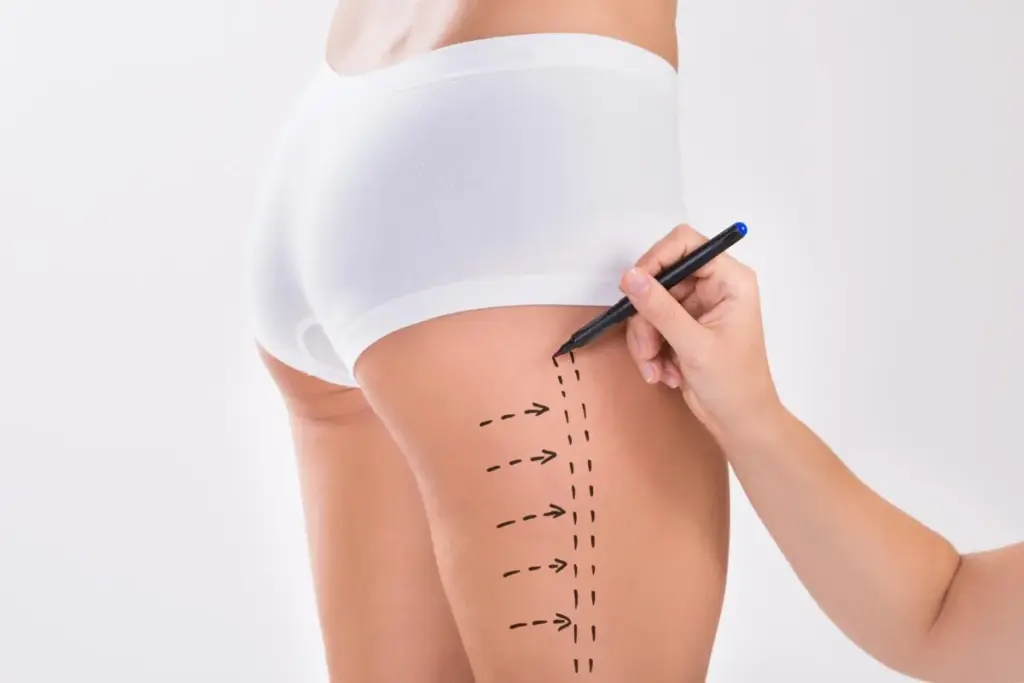
Thigh lift surgery, also known as thighplasty, reshapes the thighs by removing excess skin and fat. This makes the thighs look smoother and more toned. It’s important to follow a careful recovery plan to get the best results.
Proper sitting is key during recovery. Wrong sitting can cause discomfort, swelling, and harm the surgery’s outcome. For more tips on sitting after thigh lift surgery, check out our detailed guide at how to sit after thigh lift.
Key Takeaways
- Maintain a slightly elevated position to reduce pressure on the thighs and manage swelling.
- Avoid sitting upright for extended durations; instead, lean back slightly to distribute weight evenly.
- Use a cushion or pillow to support your back and maintain body alignment while seated.
- Elevate your legs using pillows to reduce swelling and promote circulation.
- Keep your posture in mind: sit upright with feet flat on the floor and knees aligned with the hips.
Understanding Thigh Lift Surgery and Recovery Challenges
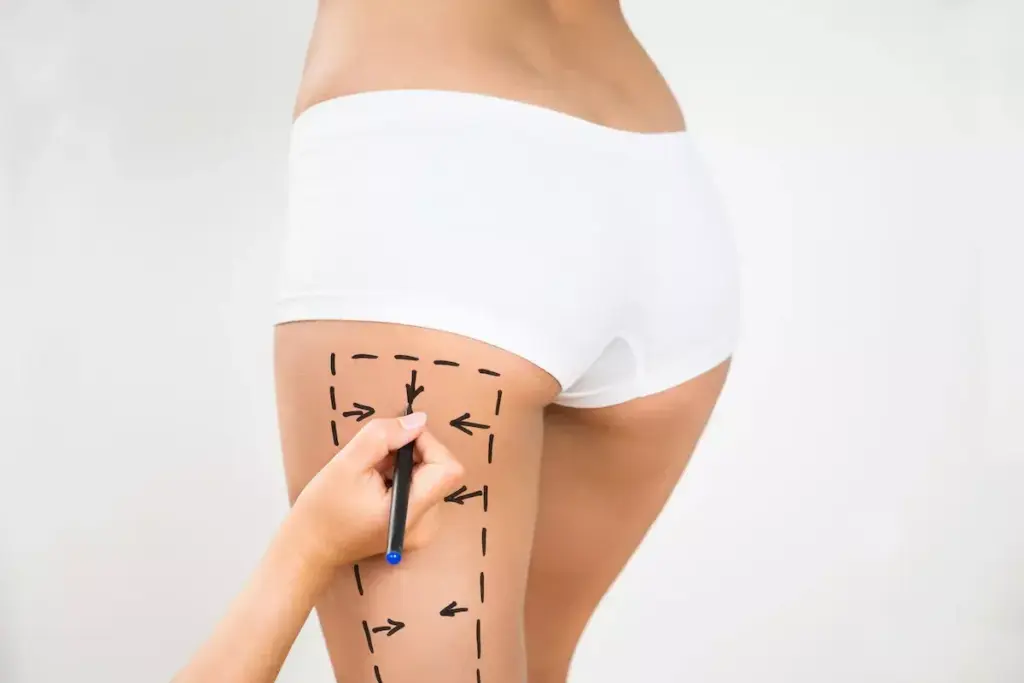
Thigh lift surgery, or thighplasty, is a big deal that needs careful planning for recovery. It reshapes the thigh area to look better and can help with skin that’s too much. This surgery is for those who want to look and feel better.
Having thighplasty can really affect how you move, at least for a while. How much it affects you depends on the type of surgery. Doctors usually tell patients to avoid hard activities and not put too much pressure on the treated areas while they heal.
What is Thighplasty and Its Impact on Mobility
Thighplasty removes extra skin and sometimes fat from the thighs. It can be adjusted to fit what each person needs. Most people can’t move as easily right after surgery. This is because of swelling and pain from the surgery.
At first, it’s best to lie down instead of sitting up. This helps the swelling go down and helps the area heal. Later, patients can start sitting again, but they should be careful and use soft cushions.
Why Proper Sitting Techniques Are Crucial for Healing
How you sit is very important after thigh lift surgery. Bad sitting can put too much pressure on the cuts, which can cause problems. Patients should sit softly and use soft cushions for a while after surgery.
Using a reclined position or elevating the legs helps with swelling and blood flow. This is good for healing. Also, not crossing your legs or bending your knees helps avoid putting too much strain on your thighs. By sitting the right way, patients can help their recovery go smoothly.
How to Sit After Thigh Lift Surgery: Week-by-Week Guide
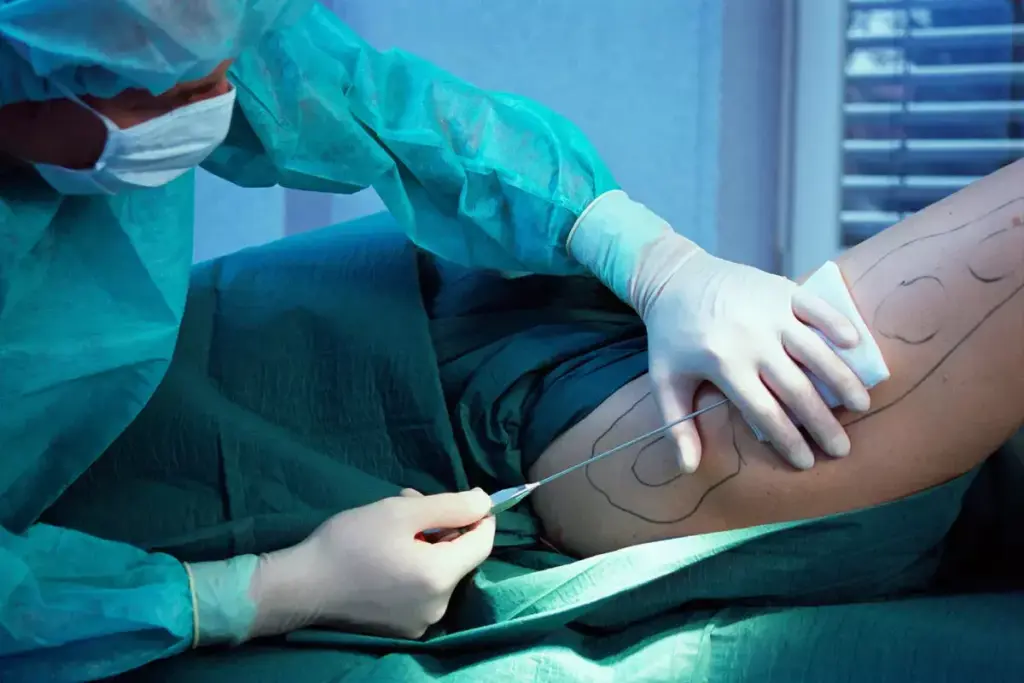
Recovering from thigh lift surgery means being careful about how you sit. We’ll show you how to move from reclining to sitting comfortably. This will help you heal well.
First Week: Reclining Instead of Sitting
In the first week, rest is key. Avoid hard activities. Instead, recline to ease pressure on your incisions. Use a recliner or pillows for support.
Dr. [Last Name] says, “The first week is all about rest and recovery. Follow the post-op care to ensure a good recovery.”
“The first week is all about rest and recovery. Patients should avoid bending, lifting, or straining, which can put unnecessary pressure on the surgical site.”
Weeks 2-3: Transitioning to Supported Sitting
By weeks 2-3, you can start sitting with support. Use soft cushions and recliners to ease pressure. Also, wear compression garments as directed to help with healing and swelling.
| Week | Sitting Technique | Precautions |
| 1 | Reclining | Avoid strenuous activities |
| 2-3 | Supported sitting | Use cushioned surfaces and reclining chairs |
| 4-6 | Gradually resume normal sitting | Monitor discomfort and adjust as needed |
Weeks 4-6: Gradually Resuming Normal Sitting Habits
By weeks 4-6, you can slowly get back to sitting like before. But keep an eye on how you feel. Take breaks to stand and stretch to keep blood flowing and prevent stiffness.
As you get through the recovery, stick to your surgeon’s advice and go to follow-up appointments. This week-by-week guide will help you avoid discomfort and have a successful recovery after thigh lift surgery.
Conclusion: Ensuring Successful Long-Term Results
Following the recommended recovery guidelines is key to getting the best results from thigh lift surgery. Patients usually need two to three weeks before going back to work. Full normal activities are expected around six weeks after surgery.
Most swelling and bruising will go away by four to six weeks after surgery. But, complete healing can take several months. Sticking to the recovery plan helps patients enjoy smoother, more toned thighs. A healthy lifestyle, including a balanced diet and regular exercise, is also vital to keep the surgery results.
Knowing the thighplasty recovery time and being patient during the recovery after thigh lift surgery is important. We are dedicated to delivering top-notch healthcare. We also offer full support for international patients, ensuring they get the care they need for a successful recovery.
FAQ
What is the typical recovery time for a thigh lift surgery?
The recovery time for thigh lift surgery varies. It depends on the person and the surgery’s extent. Usually, people take 2-4 weeks off work and other activities for healing.
How do I sit after thigh lift surgery to minimize discomfort?
Use a reclining chair or a cushion to support your back and thighs after surgery. Avoid sitting for long periods. Take breaks to stand and stretch. A soft cushion on the chair can also help.
What are the benefits of using compression garments after thigh lift surgery?
Compression garments are key in recovery. They reduce swelling, support the area, and aid healing. Wearing them as your surgeon advises can greatly improve your surgery’s outcome.
Can I drive after thigh lift surgery, and when can I resume normal activities?
Avoid driving for 2-4 weeks after surgery. You should be able to sit comfortably and react quickly to driving conditions. The time to resume activities, like exercise, varies based on healing and your surgeon’s advice.
How long does it take to see the final results of thigh lift surgery?
Seeing the final results takes months. Swelling may last 3-6 months before the contours smooth out. A healthy lifestyle, including diet and exercise, is key to keeping the results.
What are the differences between inner thigh lift and full thigh lift procedures?
Inner thigh lift and full thigh lift are different procedures. Inner thigh lift targets the inner thigh, while full thigh lift covers the entire thigh. Your choice depends on your needs and the extent of sagging.
How can I prepare my home for a comfortable recovery after thigh lift surgery?
Set up a recovery area with a reclining chair, pillows, and entertainment. Having a caregiver or support system is helpful. Also, stock up on essentials like ice packs, comfortable clothes, and medications.
Are there any specific exercises or stretches that can aid in the recovery process?
Gentle exercises and stretches, as advised by your surgeon, can aid healing and reduce stiffness. Always follow your surgeon’s instructions and avoid strenuous activities early on.
What are the possible complications or risks associated with thigh lift surgery?
Thigh lift surgery has risks like infection, scarring, and blood clots. It’s important to follow your surgeon’s advice and attend follow-up appointments to minimize risks and ensure a smooth recovery.
References
National Center for Biotechnology Information. Evidence-Based Medical Guidance. Retrieved from https://www.ncbi.nlm.nih.gov/books/NBK594236/



 Departments
 Related Videos
 Our Doctors
 News
News