
Recovering from anterior hip replacement surgery needs careful sleep posture. This ensures healing and less pain. At Liv Hospitals, we focus on a smooth recovery. Our patients have a 60 to 90-minute surgery and stay in the hospital for just one or two days.
Proper sleep posture is key for recovery. Sleeping on your back or non-operated side with a pillow between your knees is best. Our step-by-step guide helps you sleep safely and comfortably, improving your recovery.
Key Takeaways
- Proper sleep posture is vital for recovery after anterior hip replacement surgery.
- Sleeping on your back or non-operated side is often recommended.
- Using a pillow between the knees can help maintain optimal alignment.
- A smooth recovery process involves careful attention to sleep and post-operative care.
- Liv Hospitals provides evidence-based, patient-focused care for optimal recovery.
Understanding Anterior Hip Replacement Surgery

The direct anterior approach for hip replacement is becoming more popular. It’s known for being less invasive and allowing for quicker recovery. This method involves making a cut at the front of the hip. It lets surgeons work around muscles instead of cutting through them.
What Makes the Anterior Approach Different
The anterior approach is different from traditional hip surgery. It uses a special plane to work on the hip. This way, surgeons can avoid damaging many muscles and tendons. This could mean less pain after surgery and a faster recovery.
Benefits of Direct Anterior Hip Arthroplasty
Direct anterior hip arthroplasty has many benefits. It causes less muscle damage and less pain after surgery. It also might lead to a faster recovery. Plus, it could lower the chance of dislocation because it keeps the soft tissues intact.
Typical Surgery Duration and Hospital Stay
Anterior hip replacement surgery usually lasts 1 to 2 hours. This depends on the case’s complexity and the surgeon’s skill. Most patients stay in the hospital for 1 to 3 days. Some might go home the same day.
How long you stay in the hospital can depend on your health, age, and if there are any complications.
Immediate Post-Surgery Recovery Phase
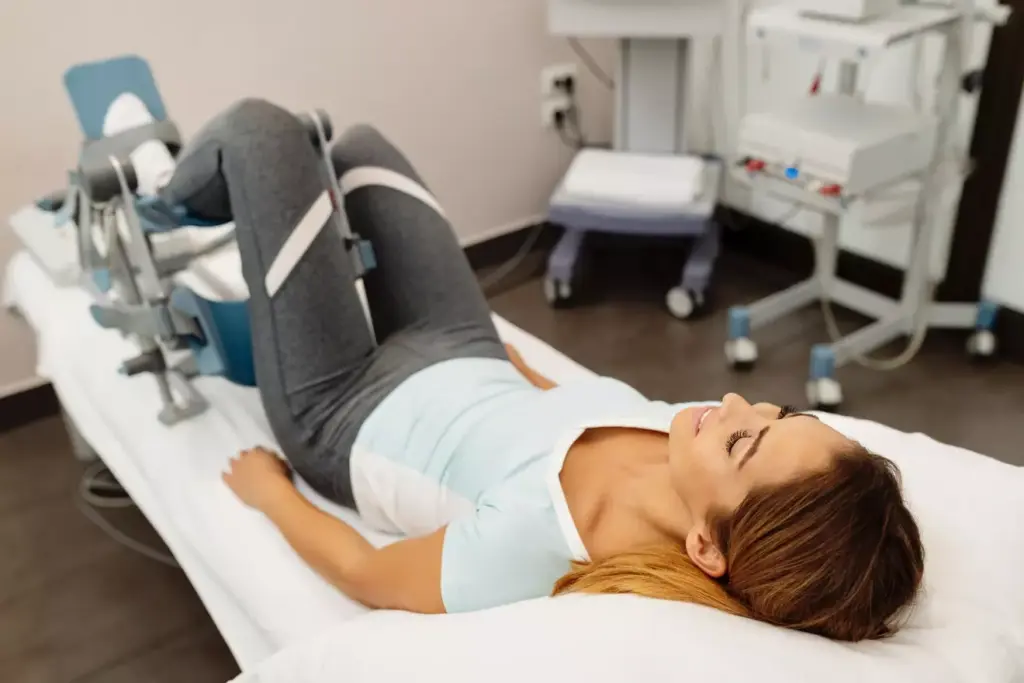
The first few hours and days after anterior hip replacement surgery are key. They set the stage for a smooth recovery. It’s important to know what to expect and how to manage your recovery well.
What to Expect in the First 24-48 Hours
Right after surgery, you’ll go to the recovery room. Medical staff will watch your vital signs and help with pain or discomfort. You might feel pain, swelling, and bruising in the operated area. We’ll follow anterior hip replacement precautions to avoid complications and ensure a smooth recovery.
In the first 24-48 hours, you’ll get pain medication. Our medical team will help you with your first movements and positioning.
| Aspect | Expectation |
|---|---|
| Pain Level | Moderate to severe, managed with medication |
| Mobility | Limited, with assistance from medical staff |
| Swelling and Bruising | Expected, with elevation and ice packs to reduce |
Initial Positioning of the Operated Leg
After hip surgery, your operated leg is kept in a neutral position. It’s supported by a pillow or wedge to prevent dislocation and promote healing. This position is very important in the early stages of recovery.
Pain Management Techniques
Effective pain management after hip surgery is key for your comfort and to help with physical therapy. We’ll use a mix of medication and other methods to manage your pain.
Some pain management strategies include:
- Medication: Given orally or through an IV
- Ice therapy: To reduce swelling and pain
- Elevation: Elevating the operated leg to reduce swelling
- Positioning: Careful positioning of the operated leg to minimize discomfort
By using these strategies, we can greatly improve your recovery after anterior hip replacement surgery.
General Anterior Hip Replacement Precautions
To get the best results after anterior hip replacement, patients need to follow some guidelines. These steps help avoid complications and make recovery smoother.
Movement Restrictions After Surgery
After surgery, some movements should be avoided. Extreme hip extension, flexion beyond 90 degrees, and twisting are not recommended. These rules usually last for at least 6 weeks or as the surgeon says.
When Can You Cross Your Legs After Hip Replacement
Crossing your legs after hip replacement surgery is not advised for a while. It’s best to avoid it for at least 6 weeks or until your surgeon says it’s okay. This helps prevent dislocation and ensures proper healing.
Activities to Avoid During Recovery
During recovery, it’s important to stay away from activities that could harm the healing process. Here’s a table with activities to avoid and how long to avoid them:
| Activity | Avoidance Period |
|---|---|
| Driving | 2-6 weeks |
| High-impact exercises | 6-12 weeks |
| Bending or heavy lifting | 6-8 weeks |
By following these precautions, patients can lower the risk of complications. This improves their recovery after anterior hip replacement surgery.
Setting Up Your Recovery Space at Home
Creating a comfy recovery space at home is key for a smooth healing after anterior hip replacement surgery. A well-prepared home can greatly help your recovery. It’s important to make the necessary changes.
Bedroom Modifications for Optimal Recovery
To make your bedroom recovery-friendly, start by making your bed easy to get to. Choose a firm mattress to support your back and keep your spine straight. Use bed wedges or extra pillows for a comfy sleep.
Key Bedroom Modifications:
- Clear the floor of any clutter or tripping hazards
- Place a nightstand or a table within easy reach to hold essentials like water, medication, and a phone
- Use a bed rail or grab bar to assist with getting in and out of bed
Bathroom Safety Considerations
Bathroom safety is vital for your recovery. Install grab bars near the toilet and in the shower or bathtub for extra support. A shower chair or bench is also helpful, allowing you to sit while bathing and reducing fall risks.
Bathroom Safety Tips:
- Use a non-slip mat in the shower or bathtub
- Consider a raised toilet seat to make it easier to sit down and stand up
- Keep a towel or robe within easy reach to avoid having to walk far after bathing
Essential Recovery Equipment and Supplies
Having the right gear and supplies can make recovery easier. A walker or cane can help with mobility. Also, have comfy, loose-fitting clothes and a pillow or cushion for leg support when sitting.
| Equipment/Supply | Purpose |
|---|---|
| Walker or Cane | Aids with mobility and balance |
| Comfortable Clothing | Eases dressing and reduces discomfort |
| Pillow or Cushion | Supports the operated leg when sitting |
| Grab Bars | Provides additional support in the bathroom |
By making these changes and having the right equipment, you can make your home recovery-friendly. This will support your healing and make you more comfortable during the recovery period.
How to Sleep After Anterior Hip Replacement
Getting a good night’s sleep after anterior hip replacement surgery can be tough. But, there are ways to make it easier. We know how important rest is for your recovery. So, we’re here to help you sleep comfortably after your surgery.
Recommended Sleeping Positions
We suggest sleeping on your back or your non-operated side. If you sleep on your non-operated side, use a pillow between your knees. This keeps your hips aligned and reduces stress on the operated area.
- Sleep on your back with a pillow under your knees to slightly bend them and take pressure off your spine.
- If you prefer sleeping on your side, use a supportive pillow between your knees.
Positions to Avoid During Sleep
Some sleeping positions can stress your hip and slow healing. Avoid sleeping on your operated side for the first few weeks. This can cause discomfort and might lead to complications.
Avoid the following positions:
- Sleeping on the operated side.
- Crossing your legs or ankles while sleeping.
- Sleeping in a fetal position.
Using Pillows for Proper Support
Pillows are key for support and keeping your body aligned while sleeping. Use a contoured pillow or a body pillow to support your back and legs.
“Using pillows strategically can make a significant difference in your comfort level and the quality of your sleep after hip replacement surgery.” – Orthopedic Surgeon
By following these tips and using pillows right, you can sleep better and support your recovery.
Step-by-Step Guide to Getting In and Out of Bed
Learning safe bed transfers is key after anterior hip replacement surgery. It helps avoid pain, lowers the chance of problems, and makes recovery easier. We’ll show you how to get in and out of bed safely.
Which Leg Goes Into Bed First After Hip Replacement
When getting into bed, start with your non-operated leg. Slide your non-operated leg into bed first, then your operated leg. This keeps your hip aligned right and eases strain.
- Sit down on the edge of the bed with your non-operated leg closest to the bed.
- Slowly lower yourself onto your back, bringing your non-operated leg into bed first.
- Carefully lift your operated leg into bed, keeping it straight and avoiding any twisting motions.
Safe Technique for Getting Out of Bed
Getting out of bed after hip replacement needs care. Here’s how to do it:
- Move to the edge of the bed, keeping your operated leg straight.
- Use your arms to push yourself up to a sitting position, keeping your back straight.
- Slowly swing your non-operated leg over the side of the bed, followed by your operated leg.
- Stand up slowly, using any necessary assistive devices for support.
Using Assistive Devices for Bed Transfers
Assistive devices make bed transfers safer. Some helpful ones are:
- Bed rails: Provide additional support and stability when transferring.
- Transfer handles: Offer a secure grip to help you move in and out of bed.
- Slide boards: Can be used to slide from a bed to a chair or other surface.
Talk to your healthcare provider or physical therapist to find the best devices for you.
Managing Nighttime Discomfort and Pain
Managing pain at night is key for those recovering from hip surgery. It helps ensure a good night’s sleep. Nighttime pain can be a big challenge during recovery.
Medication Timing for Better Sleep
Timing your pain medication is very important. Take it 30 minutes to 1 hour before bed. This lets the medicine work while you sleep. Always follow your doctor’s advice on how much and how often to take it.
Tips for Medication Timing:
- Take medication as directed by your doctor
- Plan your medication schedule around your sleep schedule
- Be aware of possible side effects that could affect your sleep
Non-Medication Approaches to Pain Relief
There are ways to ease pain without medicine. Try deep breathing or meditation to relax before bed. These can calm your mind and body.
Other non-medication approaches include:
- Using a heating pad or cold pack on the affected area (as recommended by your doctor)
- Keeping your sleep area cool and dark
- Avoiding activities that get you excited before bed
When to Contact Your Doctor About Nighttime Pain
Some pain is normal after hip surgery. But, knowing when to talk to your doctor is important. Call them if your pain isn’t controlled or if you notice unusual signs like swelling or fever.
Signs that you should contact your doctor:
- Severe pain that makes it hard to sleep or move
- Pain that gets worse over time
- Concerns about your medicine or its side effects
Using medicine and non-medication methods, and knowing when to ask for help, can help manage pain at night after hip surgery.
Week-by-Week Recovery Timeline
Recovering from anterior hip replacement surgery takes patience and dedication. Knowing what to expect each week is key. While everyone recovers differently, most follow a general guide.
First Week After Surgery: Immediate Recovery
The first week is vital for a good recovery. Patients often feel pain, swelling, and can’t move much. Rest and pain management are essential. They should:
- Rest often and avoid too much activity
- Take their medicine as told by their doctor
- Use ice packs to lessen swelling
- Start gentle exercises as their physical therapist suggests
Weeks 2-4: Building Strength and Mobility
Weeks 2-4 bring better pain and mobility. Gentle exercises and physical therapy are now more important. Patients should:
- Slowly increase walking and do it more often
- Do exercises to strengthen the hip and muscles
- Improve range of motion with stretches
Weeks 4-8: Expanding Activities
By weeks 4-8, patients have made big strides. They can start to expand their daily activities and get back to normal. This includes:
- Driving again, if their doctor says it’s okay
- Doing more physical therapy to get stronger and more flexible
- Starting light recreational activities again
Beyond 8 Weeks: Return to Normal Sleep Patterns
After 8 weeks, patients keep getting better. Many get back to their normal sleep patterns. It’s important to keep practicing good sleep habits. Patients should:
- Keep doing strengthening exercises for the hip
- Stay at a healthy weight to ease hip stress
- Listen to their body and not push too hard too soon
Knowing the recovery timeline helps patients set realistic goals and stay focused. By following this guide and working with their healthcare team, patients can have a successful recovery and get back to their usual activities.
Physical Therapy Exercises to Improve Sleep Comfort
Gentle exercises and stretches are key in physical therapy to ease discomfort and better sleep after hip surgery. We suggest adding these exercises to your daily evening routine. This can help reduce nighttime discomfort and improve sleep quality.
Pre-Bedtime Gentle Stretches
Stretching before bed relaxes muscles around your hip, easing stiffness and discomfort at night. Some good stretches include:
- Supine Hip Flexor Stretch: Lie on your back with knees bent and feet flat. Lift one knee towards your chest, hold for a few seconds, then lower it back down.
- Lying Hip Rotation: Lie on your back with knees bent and feet flat. Rotate one knee inward and outward several times.
- Seated Hip Flexion: Sit on the edge of a chair with feet flat. Lift one knee up towards your chest, hold for a few seconds, then lower it.
Strengthening Exercises for Better Sleep Positioning
Strengthening hip muscles can improve sleep positioning and reduce discomfort. Consider these exercises:
- Clamshell Exercise: Lie on your side with knees bent and feet touching. Lift your top knee up towards the ceiling, keeping feet together.
- Bridging: Lie on your back with knees bent and feet flat. Lift your hips up towards the ceiling, squeezing your glutes at the top.
- Straight Leg Raise: Lie on your back with one leg straight and the other bent. Lift the straight leg up a few inches off the bed, hold for a few seconds, then lower it.
Progression of Exercise Intensity During Recovery
As you recover, increase the intensity of your exercises gradually. Start with gentle stretches and move to strengthening exercises as you get more comfortable and mobile. Always listen to your body and avoid pushing through pain, as it can hinder your recovery.
By adding these physical therapy exercises to your routine, you can improve sleep comfort and overall recovery after anterior hip replacement surgery.
Navigating Common Sleep Challenges After Hip Surgery
After hip surgery, patients often face sleep challenges that can slow down their recovery. Sleep problems are common among those who have had anterior hip replacement surgery. These issues can be due to discomfort, pain, or anxiety from the surgery.
Dealing with Muscle Spasms at Night
Muscle spasms are a common problem after hip surgery, often happening at night. Applying a warm compress to the area before bed can help relax muscles and reduce spasms. Gentle stretching exercises, as recommended by your physical therapist, can also help.
It’s important to follow your doctor’s advice on managing muscle spasms. They can prescribe medication to relax muscles. “Pain and muscle spasms are big barriers to good sleep after surgery,” says , an orthopedic surgeon. “It’s key to tackle these issues for a smooth recovery.”
Managing Swelling That Worsens at Night
Swelling is a natural part of recovery, but it can get worse at night. Elevating the operated leg above the heart can help reduce swelling. Using compression stockings or pillows to support the leg can also help.
- Elevate your leg using pillows to reduce swelling.
- Stay hydrated to help your body recover and reduce swelling.
- Avoid tight clothing that can constrict blood flow.
Addressing Anxiety and Sleep Disturbances
Anxiety and stress about the surgery and recovery can affect sleep. Practicing relaxation techniques like deep breathing exercises or meditation before bed can calm the mind and body. Having a regular sleep schedule and a comfortable sleep environment are also key.
“Having a bedtime routine can tell your body it’s time to sleep, improving your rest,” says, a sleep specialist. “For patients recovering from hip surgery, this is very helpful.”
By tackling these common sleep challenges, patients can improve their sleep quality. This can greatly enhance their recovery experience. It’s vital to work closely with your healthcare team to manage these issues well.
Transitioning to Different Sleep Surfaces
Going from a hospital bed to your own bed is a big step after hip replacement surgery. It’s important to think about how your bed might affect your recovery.
From Hospital Bed to Home Bed
Hospital beds are adjustable and support you well at first. When you move to your home bed, make sure it’s as comfortable and supportive. Here are some tips to make your home bed better:
- Choose a firm mattress for back and hip support.
- Use pillows to keep your operated leg in the right position.
- Keep your bedroom cool and dark for better sleep.
Using Pillows for Support is key. A pillow between your knees helps keep your hips aligned and stops your operated leg from crossing over.
When It’s Safe to Sleep on Different Mattress Types
The mattress you sleep on can really affect your recovery after hip replacement. A medium-firm to firm mattress is best because it supports your back and hips well. Soft mattresses might not support you enough, which could cause discomfort or problems while you heal.
It’s usually okay to try different mattresses once your surgeon says your hip is healing well, usually 6-8 weeks after surgery. But always talk to your doctor before changing your sleep setup.
How to Get Out of a Recliner After Hip Surgery
Getting out of a recliner after hip surgery needs to be done carefully to avoid stressing your operated hip. Here’s how to do it:
- Slowly lean forward, bringing your body to the edge of the recliner.
- Use the armrests to push yourself up, keeping your operated leg straight.
- Stand up slowly, taking care not to twist or bend at the hips.
- Take a moment to balance before walking.
By following these steps, you can make getting out of a recliner easier and reduce discomfort during your recovery from anterior hip replacement surgery.
Conclusion: Ensuring Successful Long-Term Recovery
As we wrap up our guide on recovering from anterior hip replacement surgery, it’s key to remember. Successful long-term recovery is more than just the initial healing. It also means sticking to safe practices and possibly ongoing physical therapy for the best results.
Recovering well after hip replacement takes time and effort. By following the advice in this article, patients can boost their recovery chances. This includes sleeping right, doing physical therapy, and being careful with movement.
Using tips for a successful recovery, like setting up a safe area at home and managing pain at night, can make a big difference. We urge patients to stick to their recovery plan. If they have any worries or questions, they should talk to their healthcare provider.
With the right medical care and a supportive recovery space, patients can have a smooth recovery after hip replacement surgery. We’re dedicated to giving top-notch healthcare to international patients. We want to make sure everyone gets the care they need to get back to their health and mobility.
FAQ
How long is anterior hip replacement surgery?
Anterior hip replacement surgery usually lasts from 1 to 2 hours. This time can vary based on the surgery’s complexity and the surgeon’s skill.
When can I cross my legs after hip replacement?
We tell patients to avoid crossing their legs for 6-8 weeks after surgery. This helps prevent dislocation and aids in healing.
After hip surgery, how should the operated leg be positioned?
Keep the operated leg in a neutral position after surgery. Avoid bending or twisting too much to help with healing and comfort.
What are the benefits of direct anterior hip arthroplasty?
Direct anterior hip arthroplasty has many benefits. It causes less tissue damage, reduces pain, and leads to faster recovery. It also lowers the risk of dislocation compared to other methods.
What are the restrictions after anterior hip replacement?
After anterior hip replacement, patients should not bend their hip beyond 90 degrees. They should also avoid twisting and crossing their legs to prevent complications.
How long does it take to recover from anterior hip replacement surgery?
Recovery from anterior hip replacement surgery varies. Most patients can return to normal activities in 6-12 weeks. Full recovery may take several months.
What are anterior hip precautions?
Anterior hip precautions include avoiding certain movements. Do not bend your hip beyond 90 degrees, twist, or cross your legs. This helps prevent complications.
How do I get out of a recliner after hip surgery?
To exit a recliner after hip surgery, use the armrests to push up. Keep your operated leg straight. Take small steps to avoid straining your hip.
What is the direct anterior approach to hip replacement?
The direct anterior approach to hip replacement is a surgical method. It involves making an incision at the front of the hip. This allows for a procedure that spares more muscle.
Which leg should go into bed first after hip replacement?
When getting into bed after hip replacement, lead with your non-operated leg. Keep your operated leg straight and use support as needed.
How long is anterior hip replacement surgery?
Anterior hip replacement surgery usually lasts from 1 to 2 hours. This time can vary based on the surgery’s complexity and the surgeon’s skill.
When can I cross my legs after hip replacement?
We tell patients to avoid crossing their legs for 6-8 weeks after surgery. This helps prevent dislocation and aids in healing.
After hip surgery, how should the operated leg be positioned?
Keep the operated leg in a neutral position after surgery. Avoid bending or twisting too much to help with healing and comfort.
What are the benefits of direct anterior hip arthroplasty?
Direct anterior hip arthroplasty has many benefits. It causes less tissue damage, reduces pain, and leads to faster recovery. It also lowers the risk of dislocation compared to other methods.
What are the restrictions after anterior hip replacement?
After anterior hip replacement, patients should not bend their hip beyond 90 degrees. They should also avoid twisting and crossing their legs to prevent complications.
How long does it take to recover from anterior hip replacement surgery?
Recovery from anterior hip replacement surgery varies. Most patients can return to normal activities in 6-12 weeks. Full recovery may take several months.
What are anterior hip precautions?
Anterior hip precautions include avoiding certain movements. Do not bend your hip beyond 90 degrees, twist, or cross your legs. This helps prevent complications.
How do I get out of a recliner after hip surgery?
To exit a recliner after hip surgery, use the armrests to push up. Keep your operated leg straight. Take small steps to avoid straining your hip.
What is the direct anterior approach to hip replacement?
The direct anterior approach to hip replacement is a surgical method. It involves making an incision at the front of the hip. This allows for a procedure that spares more muscle.
Which leg should go into bed first after hip replacement?
When getting into bed after hip replacement, lead with your non-operated leg. Keep your operated leg straight and use support as needed.