

Recovering from cochlear implant surgery needs careful sleep positioning for healing. We know that sleeping right is key to a good recovery. Sleeping with your head elevated using three to four pillows or a reclining chair for at least two weeks post-surgery helps reduce swelling and promotes healing at the incision site behind the ear.
Right after surgery, patients might feel extra sleepy or irritable. This is because of the anesthesia effects, which can take a day or two to fully wear off. We recommend being mindful of these effects and taking necessary precautions to ensure a smooth recovery.
Key Takeaways
- Elevate your head using three to four pillows or a reclining chair for at least two weeks post-surgery.
- Avoid sudden head movements and bending over for 2 to 3 days after surgery.
- Rest when you feel tired to help your body recover.
- Follow your healthcare provider’s instructions for post-operative care.
- Be aware of the possible effects of anesthesia, such as drowsiness and irritability.
Understanding Cochlear Implant Surgery Recovery
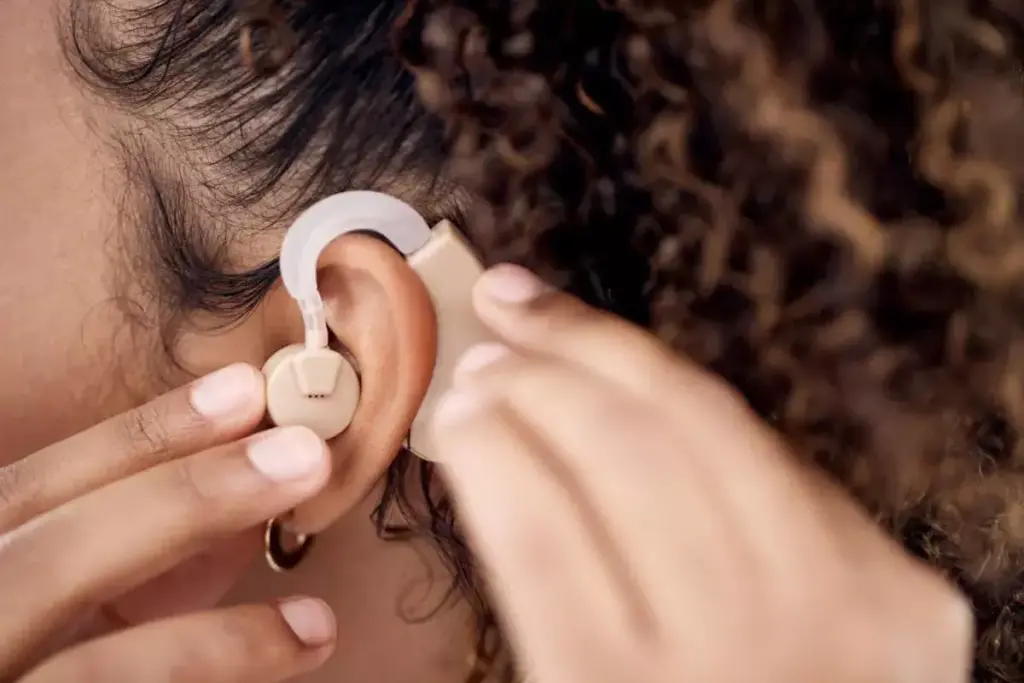
Knowing what to expect during cochlear implant surgery recovery can make it easier. This recovery has several stages, from right after surgery to when the implant is first used. We’ll help you understand this journey.
What Happens During the Surgery
Cochlear implant surgery is a detailed procedure. It involves a small incision behind the ear. The internal receiver is placed under the skin, and the electrode is put into the cochlea.
The surgery usually takes 1 to 2 hours per ear. Most patients, including kids, can go home the same day.
The surgery is made to be as gentle as possible. This helps with a quicker recovery. The internal parts are hidden under the skin, and the external processor is fitted later.
Typical Recovery Timeline
The typical recovery timeline before the implant is activated is three to six weeks. But, most people can get back to normal in one to two weeks. Getting enough rest is key to a faster recovery.
It’s important to follow the surgeon’s care plan after surgery. This includes keeping the incision clean and avoiding hard activities. Following these steps helps avoid complications and ensures a smooth recovery.
Sleeping After Cochlear Implant Surgery
Getting enough rest is key after cochlear implant surgery. Sleep helps the body heal. There are ways to improve sleep quality during this time.
Importance of Sleep for Recovery Acceleration
Sleep is vital for recovery. It helps the body fix tissues, including the surgery site. Patients should aim for plenty of sleep to heal faster.
For more info on post-surgery care, check
Head Elevation Techniques
Elevating the head while sleeping is important. It reduces swelling and aids healing. Use three to four pillows or a recliner for two weeks after surgery.
Tips for Head Elevation:
- Use a travel pillow to keep the head right without pressure on the implant.
- Wear soft mittens at night to stop accidental scratches, mainly in kids.
Duration of Special Sleeping Arrangements
Keep the head elevated for at least two weeks. This helps swelling go down and the incision heal right.
| Technique | Duration | Benefits |
| Head Elevation | At least 2 weeks | Reduces swelling, promotes healing |
| Using Soft Mittens | Throughout the night, specially for children | Prevents accidental scratching of the surgical site |
| Travel Pillow | At least 2 weeks | Maintains correct head position without pressure on the implant |
By following these tips, patients can have a smoother recovery after cochlear implant surgery.
Managing Side Effects and Incision Care
Knowing how to handle side effects and care for the incision is key for those recovering from cochlear implant surgery. We’ll cover the important parts of recovery to help you heal smoothly and effectively.
Common Post-Surgery Symptoms
Patients often face various symptoms after surgery. These include mild to moderate ear pain, headaches, and dizziness, which usually go away in a week. Some might also feel pressure in the implanted ear. It’s vital to manage these symptoms well for a comfortable recovery.
Pain is usually treated with acetaminophen or ibuprofen. Always stick to the dosage your doctor prescribes and ask for help if the pain doesn’t go away. Watching for signs of infection, like fever or unusual discharge, is also important.
Incision Healing Process
Swelling at the incision site is common and can take three to five weeks to go down. It’s important to keep the area dry until your doctor says it’s okay to get it wet. Following your doctor’s post-surgery instructions is essential to avoid problems.
Hair Washing Techniques After Surgery
Washing your hair after surgery needs careful thought to protect the incision. Wait until your doctor says it’s safe to wash your hair as usual. When you do, wash gently around the incision without getting it wet. Use a gentle shampoo and avoid harsh rubbing or scrubbing near the incision to aid healing.
By following these tips and staying informed about recovery, you can reduce side effects and have a successful outcome after cochlear implant surgery.
Conclusion: Essential Precautions for Successful Recovery
Recovering well from cochlear implant surgery needs careful steps. Avoid sudden head movements and bending for two weeks. This helps prevent discomfort and complications.
The scar from the incision will fade with time. It’s usually hidden by hair, making it less noticeable. Knowing the recovery time and preparing for implant activation around three to four weeks is key.
Follow these guidelines and stay in touch with your healthcare team. This ensures a smooth recovery. Also, plan how to communicate with your child. They won’t hear until the implant is turned on.
FAQ
How should I sleep after cochlear implant surgery?
The most important rule for sleeping after surgery is to avoid lying on the side of the operated ear. You should sleep on your opposite side or on your back to prevent putting pressure on the internal implant and the fresh incision. It is highly recommended to keep your head elevated at a 30 to 45-degree angle using two or three pillows for at least the first week. This elevation helps reduce post-operative swelling and minimizes the throbbing sensation often felt in the ear.
What are the common side effects after cochlear implant surgery?
It is normal to experience several temporary side effects as your inner ear and tissues heal. You may feel dizziness or vertigo because the cochlea is physically adjacent to the balance center (vestibule). Some patients notice tinnitus, described as a ringing or buzzing, or taste changes, such as a metallic sensation on the tongue, because the nerve responsible for taste runs through the middle ear. You might also feel a sense of ear fullness or “plugging” due to internal fluid or surgical packing.
How long does it take to recover from cochlear implant surgery?
The “acute” recovery—the time it takes for the surgical soreness to fade—usually lasts one to two weeks. Most patients return to work or school within 7 to 10 days, provided their job doesn’t require heavy lifting. However, it takes about four to six weeks for the internal tissues to heal completely and for the implant to be securely anchored by the bone.
How should I care for the incision site after cochlear implant surgery?
Your surgeon will apply a large “mastoid dressing” (a wrap around the head) that stays on for about 24–48 hours. After this is removed, you should keep the incision site completely dry until your doctor gives the okay, which is usually after 3 to 5 days. You must avoid picking at any steri-strips or crusting around the sutures and monitor the area for signs of infection, such as increasing redness, warmth, or foul-smelling drainage.
When can I wash my hair after cochlear implant surgery?
Generally, you can wash your hair 3 to 5 days after surgery, but you must not let water hit the incision directly. The best method is to have someone help you wash your hair over a sink while you hold a dry cloth over the operated ear. Avoid using a hair dryer on the “hot” setting near the incision, as the skin may be temporarily numb and you could burn yourself without realizing it.
What precautions should I take during the recovery period?
To ensure proper healing, you should avoid heavy lifting (anything over 10 pounds) for the first two weeks to prevent internal pressure. If you need to sneeze, do so with your mouth open to prevent pressure from backing up into the middle ear, and do not blow your nose. Strenuous or high-impact exercise should be paused for at least 3 to 4 weeks to avoid shifting the implant.
How long does it take for the scar to heal after cochlear implant surgery?
The incision line usually closes within 10 to 14 days, which is when your surgeon will remove any non-dissolvable stitches. Initially, the scar will look pink or slightly raised. Over the next 6 to 12 months, it will gradually fade to a thin, white line that is often hidden by your hair or the natural crease behind the ear.
When will the cochlear implant be activated after surgery?
The device is typically activated two to four weeks after surgery. This delay is essential because it allows the surgical swelling to subside. If the device were activated too early, the external magnet might not be able to connect through the swollen skin, or the pressure could cause discomfort. This “Initial Mapping” or “Switch-on” is when you will hear your first sounds through the implant.
References:
National Center for Biotechnology Information. Evidence-Based Medical Insight. Retrieved from https://pmc.ncbi.nlm.nih.gov/articles/PMC5768217