At Liv Hospital, we know how bunions affect your life. We want you to get back to normal fast. Minimally invasive techniques have changed bunion surgery. They make recovery quicker and reduce pain.
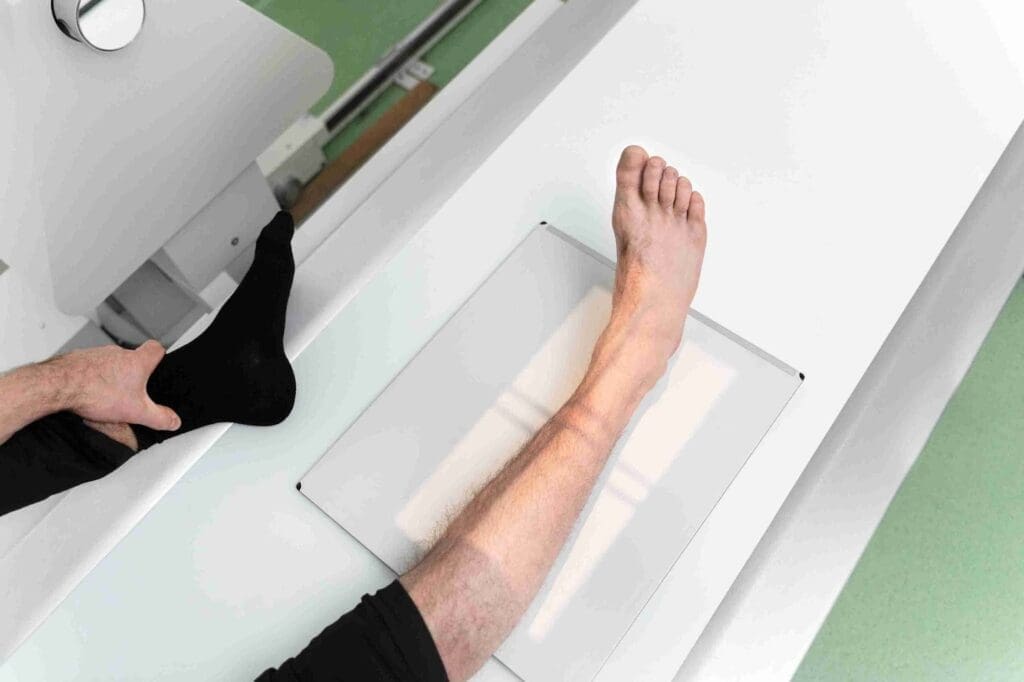
These surgeries use small cuts and live images. This lets patients walk in a special shoe right after. It speeds up bunion surgery recovery and cuts down on pain.
Key Takeaways
- Minimally invasive techniques reduce recovery time.
- Less post-operative pain compared to traditional surgery.
- Patients can walk on the same day with a post-op shoe.
- Liv Hospital provides expert care and support.
- Personalized treatment plans for optimal results.
Understanding Minimally Invasive Bunion Surgery
Learning about minimally invasive bunion surgery is key for those looking to fix bunions well and quickly. This method is popular because it can cut down on recovery time and scarring.
What Is Minimally Invasive Bunionectomy?
Minimally invasive bunionectomy is a surgery that fixes bunions with small cuts, usually under 1 cm. It uses a burr to shape the bone, causing less damage to soft tissues. Studies show it leads to less pain and quicker healing than traditional surgery.
The surgery is done with live images, helping the doctor make precise adjustments. This accuracy is important for the best results and fewer problems.
How It Differs From Traditional Open Surgery
Traditional bunion surgery needs a bigger cut, 3-5 cm, for clear view and correction. In contrast, the minimally invasive method uses smaller cuts, causing less damage and scarring.
Key differences include:
- Smaller incisions, leading to less scarring
- Reduced soft tissue damage
- Less post-operative pain
- Faster recovery times
The Evolution of Non-Invasive Bunion Removal
The idea of removing bunions without surgery has grown a lot, with new ways to make it even less invasive. Even though we’re not there yet, research is moving forward. It’s looking into ways to fix bunions without cuts, which could change how we treat them.
As we keep improving, our goal is to give patients the best, least invasive options for bunion surgery. This will make their experience better and their results more positive.
Does Bunion Surgery Work? Effectiveness of Minimally Invasive Techniques
Many people wonder if bunion surgery works, and if the new, less invasive methods are effective. Research shows that most patients find relief from pain and see their foot function improve after surgery. If patients follow their doctor’s advice after surgery, they often have very good results.
Success Rates and Patient Satisfaction
Minimally invasive bunion surgery is showing great promise. More than 90% of patients say they feel much better and can move their feet more easily after this surgery. Choosing the right patients and doing the surgery with great care are key to success.
Long-Term Outcomes for Bunion Correction
Looking at the long-term effects of bunion surgery is important. Studies show that the fixes from this surgery usually last, with few cases of the bunion coming back. This is because the surgery is done with great precision and with little harm to the surrounding tissue.
Comparing Results with Traditional Approaches
Comparing the new, less invasive bunion surgery to the old, open surgery shows some big differences. Here’s a quick look at some of these differences:
| Outcome Measure | Minimally Invasive Surgery | Traditional Open Surgery |
| Recovery Time | Typically 6-8 weeks | Often 12 weeks or more |
| Pain Levels | Generally lower | Can be higher due to larger incision |
| Scarring | Minimal scarring due to smaller incisions | More noticeable scarring |
Knowing these differences helps patients make better choices about their treatment.
Types of Least Invasive Bunion Surgery Procedures
Minimally invasive bunion surgery has changed how we treat bunions. It makes recovery faster and reduces pain. There are now many surgical options for those with bunions.
Mini-Open Techniques for Mild Bunion Surgery
For those with mild bunions, mini-open techniques are very effective. This method uses small cuts to fix the bunion. It causes less damage and leads to quicker healing and less pain after surgery.
Percutaneous Bunionectomy
Percutaneous bunionectomy cuts the bone through small cuts. It causes less damage to soft tissues and helps heal faster. It’s great for those with moderate bunions who want to get back to normal quickly.
Arthroscopic Approaches
Arthroscopic bunion surgery uses small cuts and a camera to see the bunion. It allows for precise correction with little disruption to the area. It’s a good choice for those wanting a quick recovery and fewer risks.
Each least invasive bunion surgery method has its own benefits. The right choice depends on the patient’s condition and what they prefer. We help our patients pick the best option for them, aiming for the best results.
Is Bunion Surgery Painful? What to Expect During the Procedure
Many people wonder if bunion surgery hurts and what happens during it. Modern bunion surgery, using new methods, is less painful and quicker to heal than old ways.
Anesthesia Options for Minimally Invasive Procedures
The pain level during surgery depends on the anesthesia. For new, less invasive surgeries, local anesthesia is often used. It numbs the foot, making the surgery painless and speeding up recovery.
Also, a nerve block might be given to help with pain after surgery. It numbs the foot for 24 to 48 hours. Many say it greatly reduces pain after the surgery.
The Surgical Process Step-by-Step
Knowing how surgery works can ease worries about pain. In new bunion surgeries, small cuts are made. A camera and tools are put in through these cuts. The surgery is done under local anesthesia, so the patient doesn’t feel pain.
- The surgeon makes small incisions to access the bunion.
- A camera is used to visualize the area on a monitor.
- Surgical instruments are then used to correct the bunion.
- The procedure is typically completed within an hour.
Immediate Post-Operative Experience
Right after surgery, patients go to a recovery area. They are watched for a bit. The anesthesia and nerve block last for hours, so they don’t feel much pain.
When the anesthesia wears off, some pain might come. But, the doctor will give pain medicine. It’s key to follow the doctor’s advice on pain meds for a good recovery.
In short, bunion surgery might hurt a bit, but new methods and anesthesia make it much less painful. Knowing what to expect helps patients prepare for a smoother recovery.
Bunion Surgery Recovery: Timeline and Milestones
After bunion surgery, patients go through several recovery stages. Each stage has its own milestones. Knowing these stages helps patients prepare for their recovery and understand what to expect.
Day 1: Initial Weight-Bearing Capabilities
On the first day, patients can usually bear weight and walk, even with some pain. This is thanks to a special post-operative shoe that protects the foot. Experts say patients can often walk on the same day as surgery.
Weeks 1-2: Early Recovery Phase
In the first two weeks, patients may see swelling, bruising, and discomfort. This is part of the healing process. They are advised to rest, elevate their foot, and use ice to reduce swelling.
Weeks 2-4: Return to Basic Activities
As the foot heals, patients can start doing basic things like walking and driving. It’s important to follow the surgeon’s advice and not overdo it.
Weeks 6-8: Transitioning to Normal Footwear
By weeks 6-8, most patients can switch to regular shoes. But this depends on how well each person heals. Choosing comfortable shoes that don’t put too much pressure is key.
Throughout recovery, patients should listen to their surgeon and keep up with follow-up appointments. This ensures a smooth and successful healing process.
Pain Management After Minimally Invasive Bunion Surgery
Learning about pain management options can make recovery easier after minimally invasive bunion surgery. It’s not just about easing pain. It’s about helping your body heal well.
Typical Pain Levels Compared to Traditional Surgery
People usually feel less pain after this surgery than with traditional open surgery. This is because the smaller cuts cause less damage and trauma.
Comparative Pain Levels: Research shows that those who have this surgery feel less pain and need less pain medicine.
Medication Protocols and Options
Medicine is key in managing pain after surgery. Doctors often give a mix of pain relief medicines.
- NSAIDs: These drugs help reduce inflammation and pain.
- Opioids: For really bad pain, opioids might be given. But they’re used for a short time to avoid addiction.
| Medication Type | Usage | Benefits |
| NSAIDs | For mild to moderate pain | Reduces inflammation, fewer side effects |
| Opioids | For severe pain | Effective for acute pain management |
Non-Pharmaceutical Pain Relief Methods
There are also non-medical ways to manage pain.
- Ice Therapy: Ice on the area can lessen swelling and numb the pain.
- Elevation: Keeping the foot up can reduce swelling and ease pain.
When to Seek Help for Pain Concerns
It’s important to watch your pain and get help if:
- It gets worse even with medicine
- You see signs of infection like redness or fever
- The pain is too much and stops you from doing daily things
If you’re worried about your pain, talk to your surgeon or healthcare provider. They can help you.
Physical Therapy Techniques to Accelerate Healing
A customized physical therapy plan is key for quick healing after bunion surgery. Every patient’s recovery is different. A tailored plan can greatly improve the healing process.
Early Mobilization Exercises
Early mobilization exercises are vital in the first stages of recovery. They prevent stiffness, boost blood flow, and keep joints moving. Simple toe movements and ankle rotations are good to start with soon after surgery.
We suggest starting with toe wiggling and then moving to more complex exercises as you get more comfortable. These exercises help with physical recovery and reduce pain and discomfort.
Strengthening Your Foot After Surgery
Strengthening the foot and ankle is critical in the rehabilitation process. As healing progresses, we add exercises for the foot and ankle muscles. This includes toe curls and heel raises.
These exercises help regain foot strength and stability. This is important for returning to normal activities and preventing future problems. We create a strengthening program that fits each patient’s needs and progress.
Gait Training for Proper Walking Mechanics
Gait training is essential after bunion surgery. It helps correct abnormal walking patterns caused by pain or discomfort. We analyze and correct walking patterns through specific exercises.
This improves walking mechanics and reduces the risk of other foot or leg problems. It also enhances overall mobility.
Advanced Rehabilitation for Athletes
Advanced rehabilitation is vital for athletes or those who are very active. This phase aims to restore the foot and ankle to their pre-surgery function, or better.
Advanced rehabilitation includes agility drills and exercises specific to the athlete’s sport. We create a rehabilitation plan that meets their unique needs and goals. This ensures a safe and effective return to their sport.
Nutrition and Lifestyle Factors That Enhance Recovery
After bunion surgery, the right diet and lifestyle can help a lot. A balanced diet and healthy habits support your body’s healing.
Optimal Nutrition for Bone and Tissue Healing
Eating foods rich in nutrients is key for healing bones and tissues. Calcium and vitamin D are important for bones. Protein helps fix tissues. Antioxidants in berries and leafy greens reduce inflammation and aid healing.
Eating a variety of whole foods is best. Include fruits, veggies, whole grains, lean proteins, and healthy fats. Avoid processed foods and sugars, as they can slow healing.
Hydration and Its Impact on Recovery
Drinking enough water is vital for healing. It helps remove toxins and keeps tissues healthy. Aim for at least eight glasses a day, but needs can vary.
Water also helps your body absorb nutrients better. This boosts recovery. Try to limit caffeinated and sugary drinks, as they can dehydrate you.
Sleep and Stress Management
Enough sleep is essential for healing. It lets your body fix and grow tissues. Aim for 7-9 hours each night and keep a regular sleep schedule.
Stress management is also important. Try meditation, deep breathing, or yoga. These can lower stress hormones and help you relax.
Smoking Cessation and Recovery Outcomes
Smoking hinders healing by cutting off blood and oxygen to tissues. Quitting before and after surgery can improve recovery.
There are many resources to help you quit smoking. Using them can greatly benefit your health and recovery after bunion surgery.
Potential Complications and How to Avoid Them
Bunion surgery can be very effective. But, knowing about possible complications is key for a smooth recovery. We’ll cover common issues, warning signs, and how to avoid them.
Common Challenges During Bunion Surgery Recovery
Patients often face challenges after bunion surgery. These include:
- Swelling and bruising
- Pain management
- Limited mobility
- Infection risk
To tackle these challenges, follow your surgeon’s advice closely. This means sticking to your medication, going to follow-up visits, and doing physical therapy as suggested.
Warning Signs to Watch For
Knowing the warning signs is important. Look out for:
- Increased pain or swelling
- Redness or warmth around the surgical site
- Fever or chills
- Drainage or pus from the incision
- A foul odor from the surgical site
Preventing Recurrence After Bunion Corrective Surgery
To lower the chance of bunions coming back, try these:
| Strategy | Description |
| Proper Footwear | Choose shoes with a wide toe box and good arch support |
| Orthotics | Use custom orthotics to keep your foot in line |
| Physical Therapy | Do exercises to strengthen your foot muscles |
When to Contact Your Surgeon
If you have any unusual symptoms or worries, call your surgeon. Seek help right away for:
- Severe pain not helped by medicine
- Sudden swelling or bruising
- Signs of infection, like fever or redness
- Any worries about the surgical area
Being proactive and informed can help avoid complications. This way, you can have a successful recovery from bunion surgery.
Conclusion: Embracing Your New Mobility After Minimally Invasive Bunion Surgery
Minimally invasive bunion surgery brings many benefits. It helps patients feel better faster and with less pain. This means they can move around more easily sooner.
Right after surgery, people can usually walk in a special shoe. They can start doing simple things again in just 2-4 weeks. Following the doctor’s instructions is key to avoid problems and get the most from the surgery.
Stick to a detailed recovery plan. This includes exercises, eating right, and making lifestyle changes. With the right steps, you can heal well and get back to your usual life. You’ll enjoy being more comfortable and mobile.
FAQ
What is minimally invasive bunion surgery?
Minimally invasive bunion surgery makes small cuts to fix a bunion. This method causes less damage and helps you heal faster.
Does bunion surgery work?
Yes, bunion surgery can fix bunions and ease pain. The new, less invasive methods work well and make patients happy.
Is bunion surgery painful?
Bunion surgery might hurt a bit, but there are ways to make it less painful. Anesthesia and pain relief help a lot.
What are the benefits of minimally invasive bunion surgery?
This surgery has many benefits. It uses smaller cuts, hurts less, and you heal quicker than with old methods.
How long does it take to recover from bunion surgery?
Recovery time varies, but most can walk again in a few days. It takes weeks to months to fully get back to normal.
What can I expect during the recovery process?
You’ll see swelling, bruising, and pain, but these can be managed. You’ll also need to do exercises to get strong and move well again.
Are there any potentially complications associated with bunion surgery?
Like any surgery, there are risks like infection and nerve damage. But, following your doctor’s advice and going to check-ups can lower these risks.
How can I manage pain after bunion surgery?
Use pain meds, ice, and rest to manage pain. Always follow your doctor’s advice and ask for help if you’re in pain.
What role does physical therapy play in bunion surgery recovery?
Physical therapy is key in recovery. It helps you heal, get strong, and move better. A physical therapist will guide you with exercises.
How can I enhance my recovery after bunion surgery?
Eat well, drink lots of water, manage stress, and don’t smoke. These habits help you heal faster and avoid problems.
Can I prevent bunion recurrence after surgery?
While you can’t stop bunions from coming back, following your doctor’s advice and wearing the right shoes can help.
When should I contact my surgeon after bunion surgery?
Call your surgeon if you notice more pain, swelling, or redness. They can help and answer any questions you have.