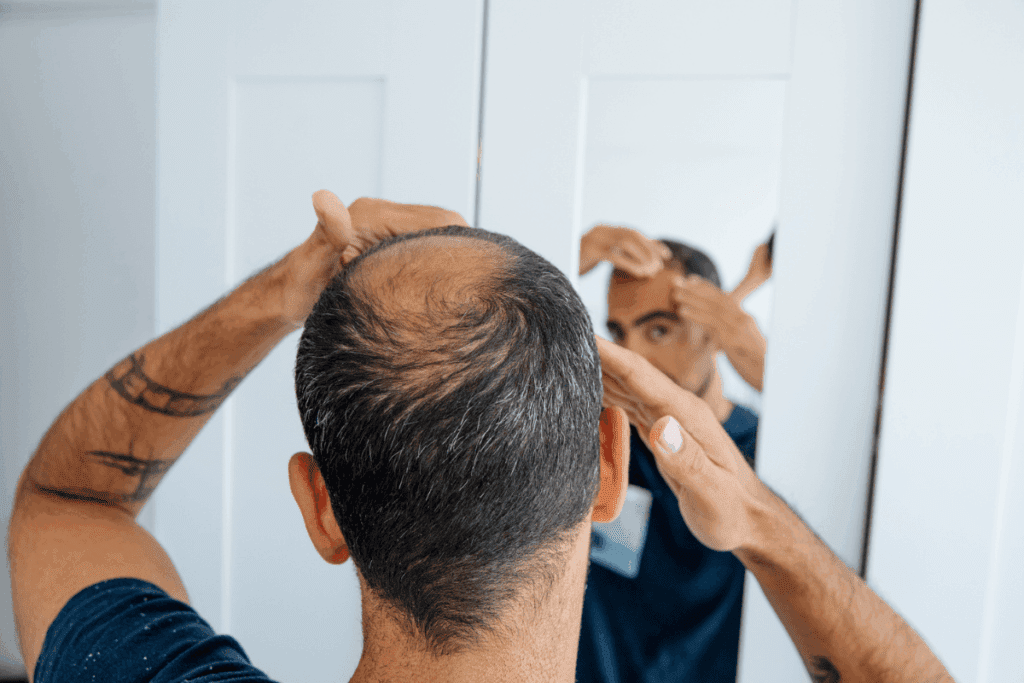
Losing weight is a big achievement, but it can also lead to hair loss. Many people notice their hair getting thinner and falling out more. If you’re going through this, you’re not alone. Essential nutritional and lifestyle changes for how to stop hair loss due to weight loss (Telogen Effluvium).
Studies show that up to 72 percent of people who have weight loss surgery face this issue. The good news is that knowing why it happens and using proven ways to stop it can help you.
Key Takeaways
- Understand the causes of hair loss during weight loss.
- Learn how nutritional deficiencies contribute to hair loss.
- Discover the role of hormonal changes in hair loss.
- Explore 5 proven steps to prevent hair loss during weight loss.
- Implement effective strategies to minimize hair loss.
The Science Behind Weight Loss-Related Hair Loss
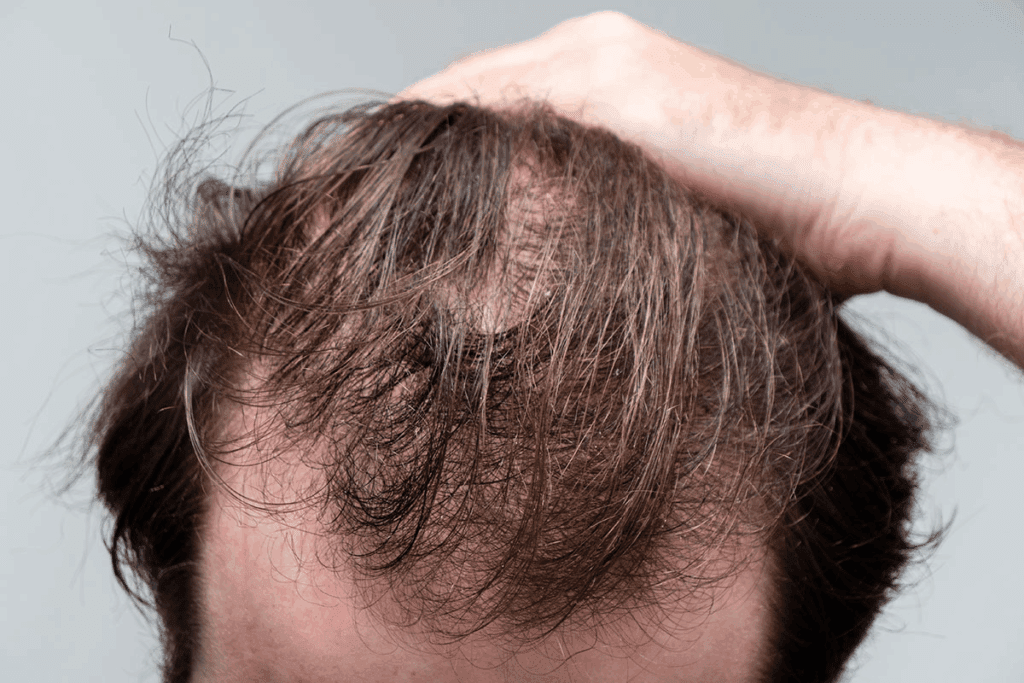
Hair loss during weight loss is a common worry for many. It happens because our bodies react to quick changes. When we lose a lot of weight, our body’s balance shifts, sometimes causing hair loss.
What is Telogen Effluvium?
Telogen effluvium is a condition caused by stress or shock to the body. It makes many hair follicles stop growing and rest. This can happen when we lose weight quickly, among other reasons.
As a result, the hairs will fall out, causing noticeable hair loss. It’s important to know that telogen effluvium is usually temporary. Hair growth will return once the cause is fixed.
Statistics: How Common is Hair Loss During Weight Loss
About 56% to 72% of people who have bariatric surgery lose their hair after the procedure. This shows how common hair loss is when we lose a lot of weight. The exact amount of hair loss can vary based on health, how fast we lose weight, and nutrition.
The Typical Timeline of Hair Shedding
Telogen effluvium starts 2-3 months after a big change like losing weight fast. It usually lasts about 6 months. Knowing this timeline helps us prepare and take steps to prevent hair loss.
Even though it’s temporary, hair loss can affect our confidence and well-being. Being informed and taking steps to prevent it can make a big difference.
Why Does Weight Loss Cause Hair Loss?
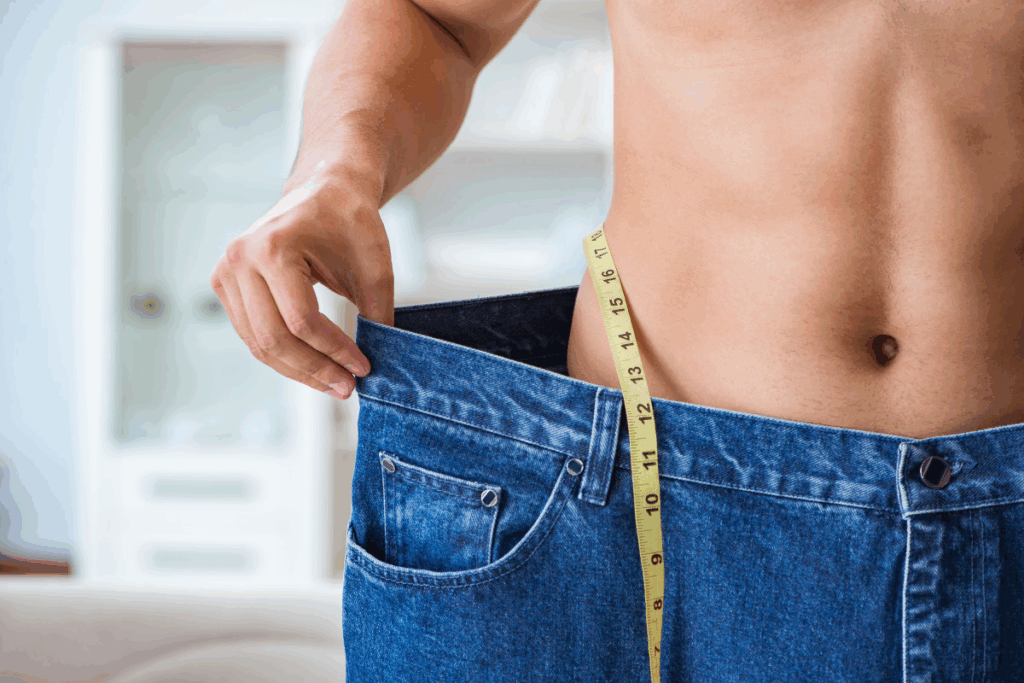
When we lose weight, our bodies change in ways that can harm our hair. These changes affect hair health. Knowing about these changes helps us prevent hair loss while losing weight.
Nutritional Deficiencies as the Primary Culprit
Nutritional deficiencies are a main reason for hair loss when we lose weight. Cutting down calories or following strict diets can lead to not getting enough nutrients. These nutrients, like proteins, vitamins, and minerals, are key for healthy hair follicles.
Some important nutrients for hair include:
- Protein: Essential for hair structure and growth.
- Iron: Vital for carrying oxygen to hair follicles.
- Zinc: Supports hair growth and maintenance.
- Biotin: Crucial for hair strength and resilience.
The Impact of Rapid Weight Loss on Hair Follicles
Rapid weight loss can shock our bodies, causing hair loss. Losing weight too fast can put our bodies into stress. This stress can make hair follicles stop growing, leading to more hair falling out.
Hormonal Changes and Stress Factors
Hormonal changes and stress also play a part in hair loss during weight loss. Changes in hormones, like the stress hormone cortisol, can disrupt hair growth. It’s important to manage stress and keep hormone levels balanced.
To reduce hair loss while losing weight, we need a balanced approach. This includes eating a nutrient-rich diet, losing weight slowly, and managing stress well.
Recognizing the Signs of Weight Loss-Related Hair Thinning
The link between weight loss and hair health is complex. It’s important to spot hair thinning signs if you’re losing a lot of weight. Hair loss from weight loss often shows up a few months into the process.
Look out for signs like a lot of hair falling out when you brush or wash it. You might also notice your hair thinning across your scalp. It could feel brittle or look dull. These changes can be upsetting, but knowing why they happen can help fix them.
Distinguishing Between Normal Shedding and Telogen Effluvium
It’s key to tell normal hair shedding from telogen effluvium, which can be caused by losing a lot of weight. Normal shedding means losing up to 100 hairs a day.
Telogen effluvium, though, means losing more hair. It happens after a big stress, like losing weight fast. This condition makes more hair follicles stop growing and rest, leading to more hair falling out.
Areas Most Commonly Affected
Hair thinning from weight loss can happen anywhere on the scalp. But, it often shows up more in the crown and the top of the scalp.
Area of Scalp | Commonality of Hair Thinning |
Crown | High |
Top of Scalp | High |
Hairline | Moderate |
When to Consult a Healthcare Professional
If you see a lot of hair thinning or shedding that doesn’t go away, see a doctor. They can figure out why it’s happening and suggest treatments or diet changes.
Spotting hair thinning signs early can help stop more hair loss. It also supports your health while you’re losing weight.
Step 1: Optimize Your Nutrition to Prevent Hair Loss
To stop hair loss when losing weight, focus on good nutrition. Eating foods rich in essential nutrients helps keep your hair healthy and reduces hair loss risk.
Essential Proteins for Hair Structure and Growth
Hair is mostly made of keratin, a protein. So, eating enough protein is key for hair health and growth. Eating protein-rich foods like lean meats, fish, eggs, and legumes helps support hair health. Aim for a balanced protein intake to keep hair follicles healthy.
Some examples of protein-rich foods include:
- Lean meats: chicken, turkey, and lean beef
- Fish: salmon, tuna, and mackerel
- Eggs: a good source of protein and biotin
- Legumes: beans, lentils, and chickpeas
Micronutrients That Support Follicle Health
Other nutrients are also important for hair follicle health. Iron, zinc, and biotin are key for hair growth. Iron helps oxygen reach hair follicles, while zinc aids in the hair growth cycle. Biotin strengthens hair.
Eating foods rich in these nutrients can prevent hair loss. Some examples include:
- Iron-rich foods: red meat, spinach, and fortified cereals
- Zinc-rich foods: oysters, beef, and chicken
- Biotin-rich foods: eggs, nuts, and whole grains
Creating a Hair-Friendly Meal Plan During Weight Loss
Planning meals that support both weight loss and hair health can be tough. Choose whole, nutrient-dense foods like fruits, vegetables, whole grains, lean proteins, and healthy fats. Avoid eating too few calories, as it can lead to hair loss.
A sample meal plan might include:
Meal | Food |
Breakfast | Oatmeal with nuts and fruits |
Lunch | Grilled chicken with quinoa and vegetables |
Dinner | Baked salmon with sweet potatoes and green beans |
By adding these foods and nutrients to your diet, you can support hair health while losing weight.
Step 2: Adjust Your Weight Loss Pace
Going slow with weight loss can help avoid hair loss. Crash diets and cutting calories too much can harm hair health. This is because the body needs enough nutrients to function properly.
Finding the Optimal Rate of Weight Loss
Studies show losing 1-2 pounds a week is safe and works well. This pace lets the body adjust without too much stress, which helps prevent hair loss.
To reach this goal, you should:
- Make a small calorie cut to lose weight without missing out on nutrients.
- Eat foods that are full of nutrients to support your health and hair.
- Keep an eye on your progress and tweak your plan to stay on track.
Creating a Sustainable Weight Loss Plan
A good weight loss plan is more than just dieting. It’s about living a healthy lifestyle for the long term. This means:
- Setting goals that are realistic and easy to keep up with.
- Eating a balanced diet that gives you all the vitamins and minerals you need.
- Staying active with regular exercise that’s good for your health.
By choosing sustainable methods, you can lower the chance of hair loss from losing weight too fast.
Balancing Caloric Deficit with Nutritional Needs
It’s important to balance losing weight with getting enough nutrients. This means:
- Making sure you get enough protein, vitamins, and minerals for healthy hair.
- Avoiding very strict diets that can cause nutrient shortages.
- Talking to a doctor or dietitian to make a weight loss plan that fits your nutritional needs.
By taking a balanced and sustainable approach to losing weight, you can reduce hair loss risk. You’ll also reach your weight loss goals and keep your hair healthy.
Step 3: How to Stop Hair Loss Due to Weight Loss with Strategic Supplementation
Many people worry about hair loss when they lose weight. But, there’s a way to stop it with the right supplements. Losing weight changes our body in ways that can slow down hair growth. The right supplements can help by giving us the nutrients we need.
Key Vitamins and Minerals for Hair Health
Some vitamins and minerals are key for healthy hair. They help our hair grow and prevent too much shedding when we lose weight.
Essential Nutrients for Hair:
- Biotin: Crucial for hair structure and growth.
- Iron: Important for carrying oxygen to hair follicles.
- Zinc: Supports hair growth and maintenance.
- Vitamin C: Enhances iron absorption and supports overall health.
Biotin, Iron, and Zinc: The Hair Loss Prevention Trio
Biotin, iron, and zinc are vital for hair health. Let’s explore how these nutrients work together to prevent hair loss.
Nutrient | Role in Hair Health | Food Sources |
Biotin | Supports hair growth and strengthens hair follicles. | Eggs, nuts, whole grains. |
Iron | Critical for oxygen delivery to hair follicles. | Red meat, spinach, fortified cereals. |
Zinc | Essential for hair growth and repair. | Oysters, beef, chicken, fortified cereals. |
When and How to Take Supplements Effectively
While changing what we eat can help, supplements can fill in the gaps. It’s important to take supplements the right way to get the most benefits.
To make the most of supplements, keep these tips in mind:
- Consult with a healthcare professional before starting any supplement regimen.
- Choose high-quality supplements from reputable manufacturers.
- Follow the recommended dosage on the product label.
- Be patient, as it may take several months to notice improvements in hair health.
Step 4: Implement Stress Management Techniques
When you start losing weight, adding stress reduction techniques can really help. Stress can make hair thinning worse, so it’s key to keep stress levels down.
The Stress-Hair Loss Connection During Weight Loss
Stress makes your body release cortisol, a hormone that messes with hair growth. High cortisol levels can make more hair follicles stop growing, leading to more hair falling out. This is called telogen effluvium.
Key factors linking stress to hair loss include:
- Increased cortisol production
- Disruption of the hair growth cycle
- Potential for nutritional deficiencies due to stress-related eating habits
Effective Stress Reduction Practices
Using stress management techniques can help protect your hair from stress damage. Some good practices are:
- Mindfulness Meditation: Regular mindfulness can lower cortisol and boost well-being.
- Yoga: Yoga combines physical poses, breathing, and meditation to reduce stress.
- Deep Breathing Exercises: Simple deep breathing can calm your mind and lower stress.
- Progressive Muscle Relaxation: This method involves tensing and relaxing muscles to release tension.
Incorporating Mindfulness into Your Weight Loss Journey
Mindfulness is a great tool for weight loss, helping you stay focused and calm. Here are ways to add mindfulness to your day:
- Begin your day with a mindfulness meditation session
- Enjoy mindful eating by focusing on each bite and listening to your hunger and fullness
- Try mindful physical activities like yoga or walking to combine exercise with stress relief
By using these stress management techniques, you can support your hair health and improve your weight loss journey.
Step 5: Adopt Hair-Friendly Care Routines
As we keep working to stop hair loss during weight loss, it’s key to use hair-friendly care routines. Gentle hair care helps a lot. It lessens damage and keeps hair healthy during this time.
Gentle Hair Care Practices During Weight Loss
Choosing gentle shampoos and conditioners is important. Go for sulfate-free shampoos to clean your hair without taking away its natural oils. Also, use lukewarm water instead of hot water to protect your hair follicles.
Gentle hair care practices include:
- Using a wide-tooth comb or a detangling brush to minimize breakage
- Avoiding harsh chemical treatments like hair dye or perms
- Reducing the use of heat styling tools or using a heat protectant spray
Topical Treatments That Support Hair Regrowth
Topical treatments are great for supporting hair regrowth. Look for products with minoxidil. It’s proven to help hair grow.
Other good ingredients are:
- Biotin: Strengthens hair follicles
- Keratin: Helps repair damaged hair
- Saw palmetto: May block DHT, a hormone linked to hair loss
Hairstyles and Products to Minimize Damage
Some hairstyles and products can help or hurt your hair. Avoid tight styles like braids or ponytails. They can harm your hair follicles.
Instead, choose:
- Looser hairstyles that don’t pull on the hair
- Hair products with natural ingredients that nourish the hair
- Avoiding excessive use of hair ties or clips
By adding these hair-friendly routines to your daily life, you can lessen hair loss during weight loss. You’ll also help your hair grow back healthier.
Conclusion: Achieving Weight Loss Goals While Maintaining Healthy Hair
By taking a balanced approach to losing weight, we can lower the risk of hair loss. Eating well, managing stress, and using gentle hair care are key. They help keep our hair healthy while we lose weight.
In this article, we shared 5 effective steps for losing weight without harming your hair. These include eating right, losing weight slowly, using supplements wisely, managing stress, and caring for your hair. These actions help prevent hair thinning when we lose weight.
To keep your hair healthy while losing weight, you need a plan that covers nutrition, hormones, and stress. Follow these steps and stay focused on your health. This way, you can encourage hair growth and avoid hair loss.
FAQ
How common is hair loss during weight loss?
Losing hair while losing weight is quite common. It’s more likely to happen if you lose weight fast or don’t get enough nutrients.
What are the primary causes of hair loss during weight loss?
Hair loss during weight loss is mainly caused by not getting enough nutrients. This includes proteins, vitamins, and minerals. It can also be due to losing weight too fast and hormonal changes.
How can I prevent hair loss during weight loss?
To avoid hair loss, eat well, lose weight slowly, and use supplements. Also, manage stress and take care of your hair.
What nutritional deficiencies are most likely to cause hair loss during weight loss?
Not getting enough proteins, vitamins, and minerals can lead to hair loss. Biotin, iron, and zinc are key nutrients for hair health.
How can I adjust my weight loss pace to prevent hair loss?
To slow down weight loss, aim for a gradual plan. This lets your body adjust without too much stress.
What supplements can help prevent hair loss during weight loss?
Supplements like biotin, iron, and zinc are important for hair health. They can help prevent hair loss when losing weight.
How can stress management techniques help prevent hair loss during weight loss?
Stress can harm hair health. Managing stress through mindfulness and other practices can help keep your hair healthy while losing weight.
What hair care practices can help support hair health during weight loss?
Use gentle hair care and avoid damage. Topical treatments can also support hair health during weight loss.
Can hair loss during weight loss be permanent?
Hair loss from weight loss is usually temporary. Hair growth usually returns once the causes are fixed.
How long does it take to see results from hair loss prevention measures?
Results from preventing hair loss can take a few months. Consistent effort usually leads to better hair health.
Why does rapid weight loss cause hair loss?
Losing weight fast stresses your body. This can lead to not getting enough nutrients and hormonal changes, harming hair health.
How to stop hair loss due to weight loss?
To stop hair loss from weight loss, follow these steps: eat well, lose weight slowly, use supplements, manage stress, and care for your hair.
References
National Center for Biotechnology Information. Preventing Hair Loss During Weight Loss: Five Proven Steps. Retrieved fromhttps://www.ncbi.nlm.nih.gov/pmc/articles/PMC5315033/