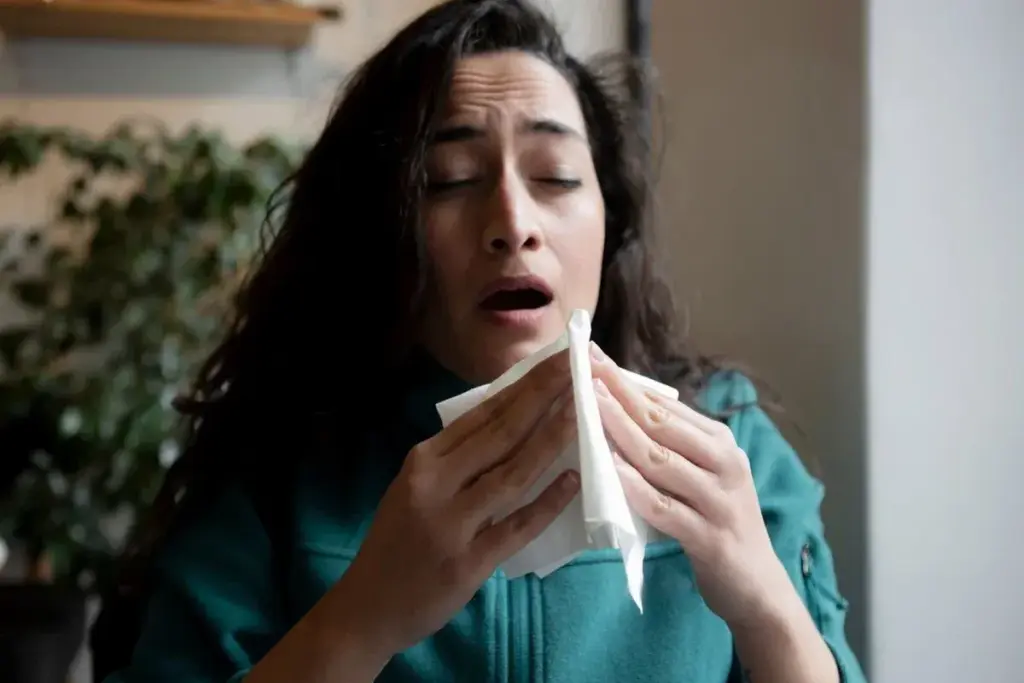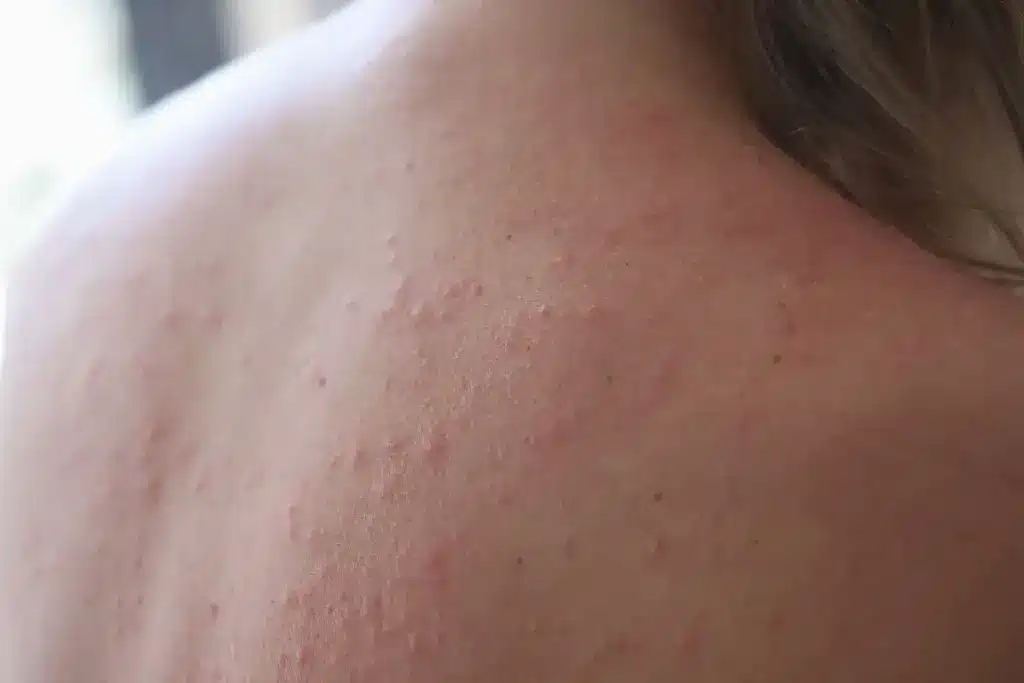
An itchy sensation on the roof of your mouth can be really annoying. It’s a common problem. It can be caused by many things, like allergies or infections that need doctor’s care.
At Liv Hospital, we know how important it is to solve this problem. We focus on you, the patient. Our team works together to help you feel better.
Understanding the causes of an itchy roof of the mouth is key. Allergies, fungal infections like oral thrush, and viral infections can cause it. Sinus infections, dry mouth, hormonal changes, and dental issues also play a role.
Key Takeaways
- Identify the underlying cause of the itchy roof of the mouth.
- Consider possible allergic reactions to foods or things around you.
- Fungal infections like oral thrush can cause discomfort.
- Dry mouth and hormonal changes can contribute to the issue.
- Dental problems, such as poorly fitting dentures, may be a factor.
Understanding the Causes of Itchy Roof of Mouth
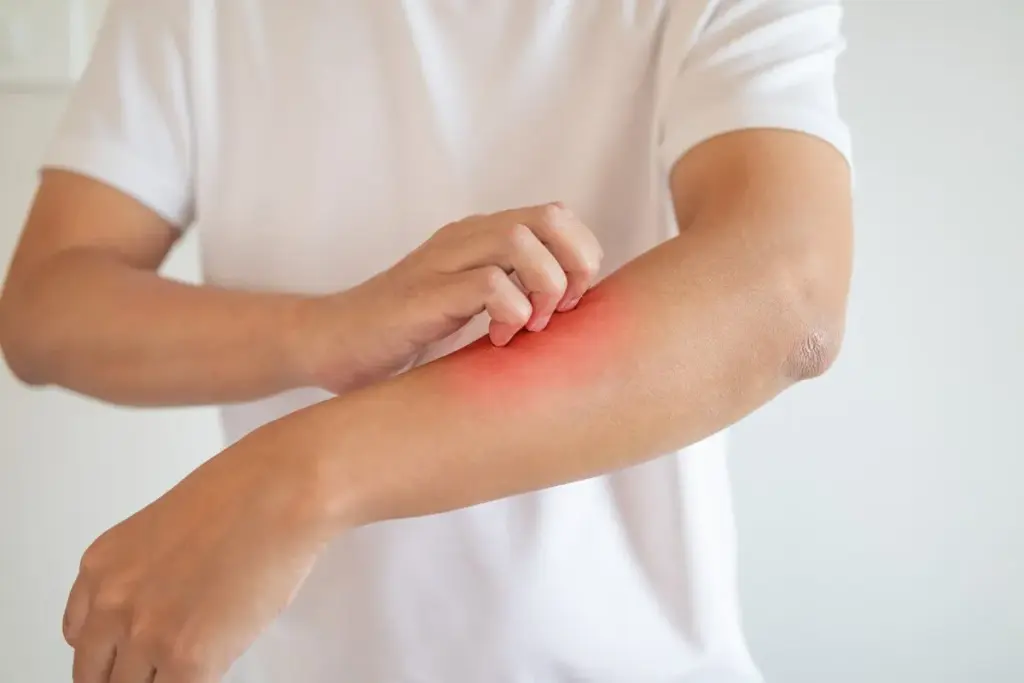
An itchy roof of the mouth is more than just annoying. It often signals a problem that needs to be looked into. The reasons can vary, from allergic reactions to infections.
Allergic Reactions and Oral Allergy Syndrome
Allergies are a common reason for an itchy roof of the mouth. Oral Allergy Syndrome (OAS) happens when eating certain fruits, veggies, or nuts. These foods can cause a reaction because their proteins are similar to pollen proteins. For example, people allergic to birch pollen might react to apples or carrots.
For more information, check out Graton Dental Group.
Some common allergens that can make your roof of the mouth itch include:
- Pollen from trees, grass, or weeds
- Dust mites
- Animal dander
- Certain foods like nuts, fruits, or vegetables
Infections: Fungal, Viral, and Sinus
Infections can also cause an itchy roof of the mouth. Oral thrush, a fungal infection, can make it itch and feel uncomfortable. Viral infections, like those causing cold sores, can also affect the roof of the mouth. Sometimes, sinus problems can make your mouth feel itchy too.
The main types of infections that can make your roof of the mouth itch are:
- Fungal infections like oral thrush
- Viral infections such as herpes simplex virus
- Sinus infections or sinusitis
Other Common Triggers
Other things can also make your roof of the mouth itch. These include:
- Dry mouth or xerostomia
- Hormonal changes
- Dental issues such as ill-fitting dentures or oral appliances
Knowing what causes an itchy roof of the mouth is key to finding the right treatment. By figuring out the cause, you can start to feel better.
7 Effective Itchy Roof of Mouth Treatment Options
There are many ways to ease the discomfort of an itchy roof of the mouth. We’ll look at seven effective methods. These range from simple home remedies to medical treatments.
Cold Beverages and Ice for Immediate Relief
Drinking cold beverages or sucking on ice can quickly ease the itch. The cold numbs the area, making it less itchy. Cold therapy is a common solution for mouth discomfort.
Saltwater Rinses to Reduce Irritation
Warm saltwater rinses can also help. They reduce irritation and inflammation, making the itch easier to manage. To make a rinse, mix 1/2 teaspoon of salt in warm water. Swish it around your mouth and then spit it out.
Antihistamines for Allergy-Related Itching
If allergies cause your itchy roof of the mouth, antihistamines can help. They counter allergic reactions, reducing itchiness. Always talk to a doctor before taking any medication.
Identifying and Avoiding Trigger Foods
Oral Allergy Syndrome (OAS) can make your mouth itch due to certain foods. Knowing and avoiding these foods is key. Common culprits include raw fruits, vegetables, and nuts. Keeping a food diary can help you identify problem foods.
By trying these treatments, you can find relief from an itchy roof of the mouth. It’s also wise to talk to a healthcare professional. They can help find the cause of your symptoms and offer tailored advice.
Conclusion
Knowing why your roof of mouth itches can help you treat it at home. Most of the time, it’s not serious but can be annoying. Finding the cause and using the right treatments can ease the discomfort.
If your upper mouth or back roof of mouth itches, there are ways to feel better. Saltwater rinses and cold drinks can help. But, if the itch doesn’t go away or gets worse, see a doctor, even at night.
By acting quickly and knowing when to get help, you can handle an itchy roof of mouth. This way, you can avoid it happening again in the future.
FAQ
What causes the roof of my mouth to itch?
The most common cause is Oral Allergy Syndrome (OAS), where your body mistakes certain raw fruits or vegetables for pollen. Other causes include viral infections like the common cold, oral thrush (a yeast infection), canker sores, or mild burns from hot foods. It can also be a side effect of certain medications or a reaction to dental materials.
How can I stop the roof of my mouth from itching?
Immediate relief can often be found by rinsing with cool water or sucking on an ice cube to soothe the nerves. Over-the-counter antihistamines can help if the cause is an allergy. If the itch is due to a dry mouth or irritation, staying hydrated and avoiding spicy, acidic, or crunchy foods—which can further irritate the palate—is recommended.
Is an itchy roof of the mouth a sign of an allergy?
Yes, it is a classic symptom of a mild allergic reaction. It is frequently associated with seasonal allergies or “cross-reactivity,” where the proteins in certain foods (like apples, melons, or nuts) trigger a reaction in people sensitive to tree, weed, or grass pollen. In rare cases, it can be an early warning sign of a more severe systemic allergic reaction.
Can dry mouth cause an itchy roof of the mouth?
Yes. Saliva is essential for lubricating the mouth and protecting the delicate tissues of the palate. When saliva production is low (xerostomia), the skin on the roof of the mouth can become dry, irritated, and sensitive, which often translates to a persistent tingling or itchy sensation.
When should I seek medical attention for an itchy roof of the mouth?
You should seek immediate help if the itch is accompanied by swelling of the lips, tongue, or throat, or if you have difficulty breathing. For non-emergencies, see a doctor or dentist if the itch lasts for more than a few days, is accompanied by visible white patches, sores, or bleeding, or if it interferes with your ability to eat.
Can hormonal changes cause an itchy roof of the mouth?
Yes, particularly in women. Changes in estrogen levels during pregnancy, menstruation, or menopause can affect the oral mucosa. Some women experience “Burning Mouth Syndrome” or increased oral sensitivity and itching due to these hormonal shifts, which can alter the way nerves in the mouth perceive sensations.
Are there any home remedies for an itchy roof of the mouth?
Gargling with a mild salt-water solution can help kill bacteria and soothe irritation. For fungal-related itching, rinsing with diluted apple cider vinegar may help, while localized itching from a burn or scrape can be treated by applying a small dab of honey, which has natural antimicrobial and soothing properties.
Can dental issues cause an itchy roof of the mouth?
Yes. An ill-fitting denture or retainer can rub against the palate, causing irritation that feels like an itch. Additionally, an allergic reaction to dental materials (like certain metals or resins) or a localized infection near the upper teeth can cause referred sensations that make the roof of the mouth feel itchy or tingly.
How can I identify trigger foods that cause an itchy roof of the mouth?
The best method is to keep a food diary for one to two weeks, noting everything you eat and when the itching occurs. Pay close attention to raw fruits, nuts, and vegetables, as these are the most common triggers for Oral Allergy Syndrome. If you suspect a specific food, try cooking it; heat often breaks down the proteins that cause the itch.
References
National Center for Biotechnology Information. Evidence-Based Medical Insight. Retrieved from https://pubmed.ncbi.nlm.nih.gov/34553295/