Knee swelling, or knee effusion, happens when too much fluid builds up in the knee joint. This can make it hard to move and feel uncomfortable. It might come from things like osteoarthritis, injuries, swelling, or using the knee too much.
Knee swelling is a big problem worldwide, making everyday tasks tough. Studies show that some treatments can help with pain and moving better in people with knee osteoarthritis. Here, we’ll look at home remedies to help you feel better and move easier.
Key Takeaways
- Understand the causes of knee swelling and its impact on daily life
- Learn about effective home remedies to reduce knee swelling
- Discover natural anti-inflammatory treatments to restore joint function
- Explore simple techniques like ice and compression to alleviate discomfort
- Implement evidence-based strategies to manage knee swelling
Understanding Knee Swelling and Its Impact
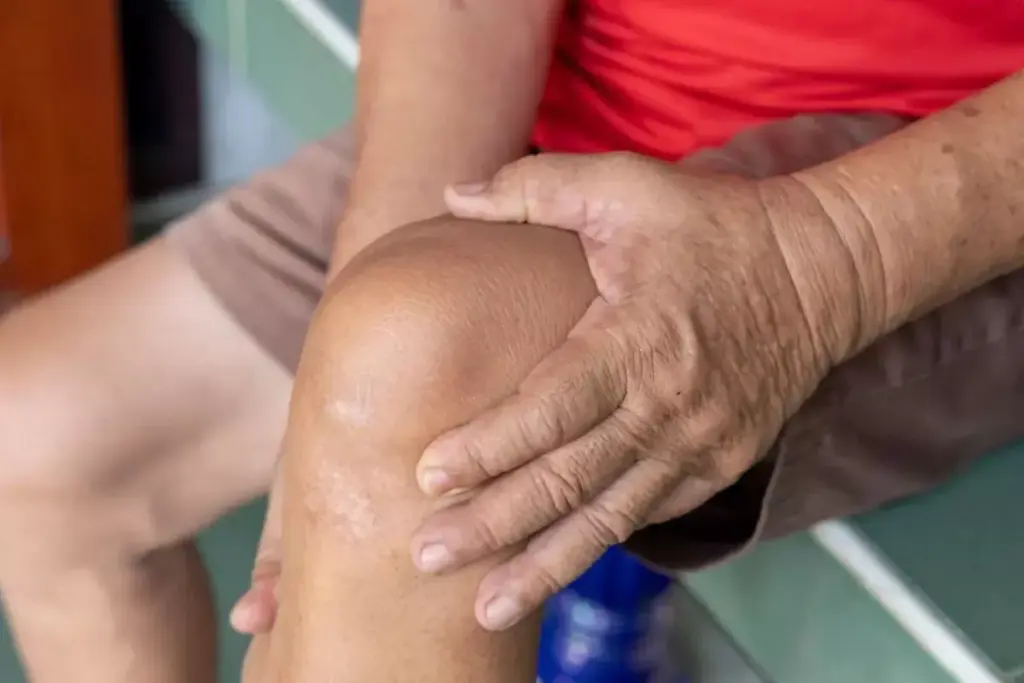
Knee effusion, or ‘water on the knee,’ is a common condition. It happens when too much fluid builds up in the knee joint. This can be due to injuries, osteoarthritis, or inflammation, causing pain and stiffness.
What Is Knee Effusion or “Water on the Knee”?
Knee effusion is when too much fluid gathers in the knee joint. It can be caused by trauma, infection, or inflammation. This excess fluid can cause swelling, pain, and stiffness, making it hard to move the knee. Doctors say that too much fluid in the knee can really affect a person’s life, making it hard to do everyday things.
The Prevalence and Causes of Knee Swelling
Knee swelling affects about 365 million people worldwide who have knee osteoarthritis. Other reasons include injuries, rheumatoid arthritis, and infections. The condition not only causes physical pain but also affects daily life and overall well-being.
The reasons for knee swelling vary, from sudden injuries to long-term conditions like osteoarthritis. Knowing the causes helps find the right treatment and manage the condition well.
Understanding knee swelling, its causes, and effects helps us find better treatments and management plans. This knowledge helps people get the right medical care and make smart health choices.
How to Stop Knee Swelling with 7 Effective Home Remedies
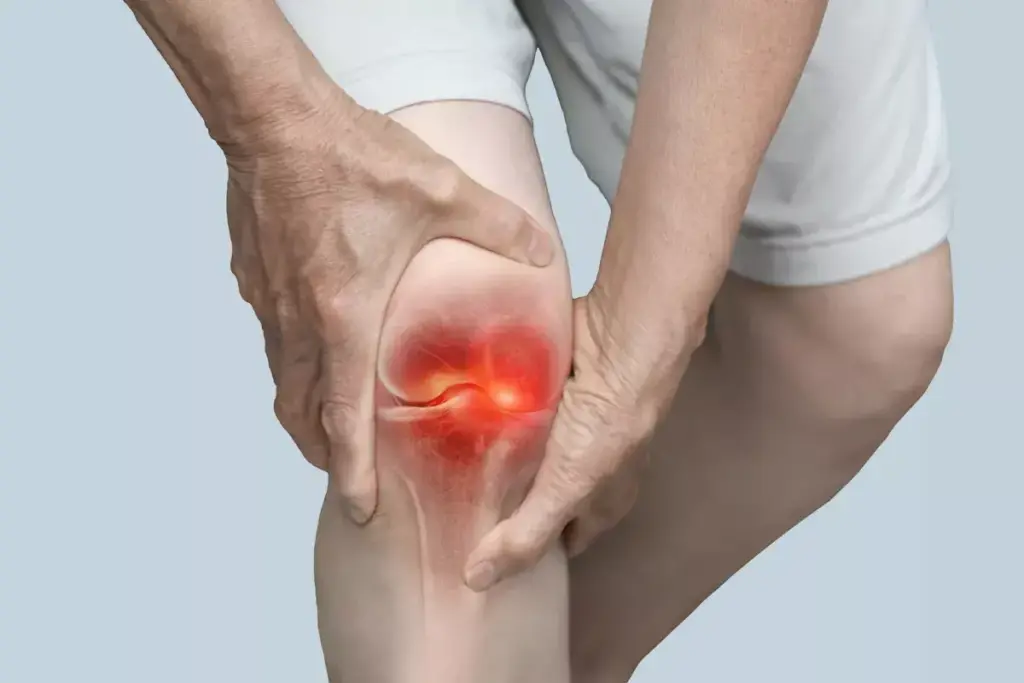
Managing knee swelling at home is possible with the right steps. Rest, medication, and exercise are key. Knee swelling can come from injury, arthritis, or infection. Luckily, there are home remedies to ease the pain and reduce swelling.
1. The RICE Method: Rest, Ice, Compression, Elevation
The RICE method is a basic way to fight knee swelling. It includes:
- Rest: Stay away from activities that make the knee worse.
- Ice: Use ice packs to cut down pain and swelling.
- Compression: Wear compression wraps to lessen swelling.
- Elevation: Keep the knee higher than your heart to reduce swelling.
Following the RICE method can greatly lessen knee swelling and pain.
2. Over-the-Counter Anti-Inflammatory Medications
OTC anti-inflammatory drugs like ibuprofen or naproxen can help with pain and swelling. Always follow the dosage and talk to a doctor if needed.
3. Compression Wraps and Knee Supports
Compression wraps and knee supports offer stability and help with swelling. They’re great for activities that might make swelling worse.
4. Gentle Stretching and Strengthening Exercises
Doing gentle stretches and strengthening exercises can boost knee mobility and strength. This can lower the chance of more injury and swelling. Examples include:
- Straight leg raises
- Quad sets
- Hamstring stretches
It’s important to do these exercises with a healthcare professional or physical therapist to make sure they’re done right.
Let’s look at how these remedies work:
| Remedy | Primary Benefit | Additional Notes |
| RICE Method | Reduces swelling and pain | Immediate relief, easy to implement at home |
| OTC Anti-Inflammatory Medications | Manages pain and inflammation | Should be used as directed, consult a healthcare provider if necessary |
| Compression Wraps and Knee Supports | Provides stability, reduces swelling | Useful during activities that may exacerbate swelling |
| Gentle Stretching and Strengthening Exercises | Improves mobility and strength | Should be done under professional guidance |
In conclusion, these seven home remedies are a great way to handle knee swelling. By using rest, medication, compression, and exercise, you can reduce swelling and improve your life.
When Home Remedies Aren’t Enough: Seeking Medical Help
Knee swelling that doesn’t get better with home care might mean you need a doctor. Home remedies can help, but sometimes, you need a doctor to find and fix the real problem.
Warning Signs That Require Professional Care
Knowing when to see a doctor is key. Look out for these signs:
- Severe pain or swelling that doesn’t improve with rest and treatment
- Deformity or instability of the knee joint
- Redness, warmth, or tenderness around the knee, which could indicate an infection
- High fever accompanying knee swelling
- Recent trauma or injury to the knee
If you notice any of these, seek medical help promptly to avoid more problems.
Medical Treatments for Persistent Knee Effusion
When home remedies don’t work, doctors have other ways to help. These treatments aim to fix the root cause, reduce swelling, and get your knee working right again.
| Treatment | Description |
| Physical Therapy | A customized exercise program to strengthen the muscles around the knee, improve flexibility, and promote healing. |
| Medications | Anti-inflammatory medications or corticosteroid injections to reduce swelling and pain. |
| Knee Surgery | In some cases, surgical intervention may be necessary to repair damaged tissues, remove bone spurs, or address other underlying issues. |
We will work with you to find the best treatment for your knee effusion.
Conclusion
Managing knee swelling is key to getting back on your feet and feeling better. The 7 home remedies we talked about can really help. They include the RICE method, anti-inflammatory meds, compression wraps, and gentle exercises.
Knowing when to get medical help is also important. Home remedies can help a lot, but some signs mean you need a doctor. Being aware of these signs and knowing your options can help you make the right choices for your health.
To handle knee swelling well, you need to take care of yourself and sometimes see a doctor. By using the home remedies and knowing when to ask for help, you can improve your knee health and overall well-being.
FAQ
What is knee effusion, and what causes it?
How can I reduce swelling in my knee at home?
Are there any home remedies for knee swelling that don’t involve medication?
Can I drain fluid from my knee at home?
What are the signs that I need to seek medical help for knee swelling?
How can I prevent knee swelling from recurring?
Are there any over-the-counter medications that can help with knee swelling?
Can knee swelling be a sign of a more serious underlying condition?
References
National Center for Biotechnology Information. Evidence-Based Medical Insight. Retrieved from https://pubmed.ncbi.nlm.nih.gov/21923913/