Do your legs throb and ache after a long walk or even moderate physical activity? You’re not alone. Millions of people experience leg pain after walking. This pain can range from simple muscle soreness to serious circulatory conditions that need medical attention.
Understanding why your legs hurt after walking is key to feeling better. At Liv Hospital, we focus on you. We make sure your comfort and well-being come first.
Leg pain after walking can come from many sources. It can be as simple as muscle fatigue or as serious as heart problems. We’ll look at the common reasons for this pain. Then, we’ll share ways to make it better.
Key Takeaways
- Leg pain after walking can result from various factors, including overuse and underlying health conditions.
- Understanding the causes is key to finding relief and staying active.
- A patient-centered approach to healthcare puts your comfort and well-being first.
- Effective solutions can help ease discomfort without extreme measures.
- It’s possible to stay active with the right way to manage leg pain.
Why It Hurts to Walk: Understanding Common Causes of Leg Pain

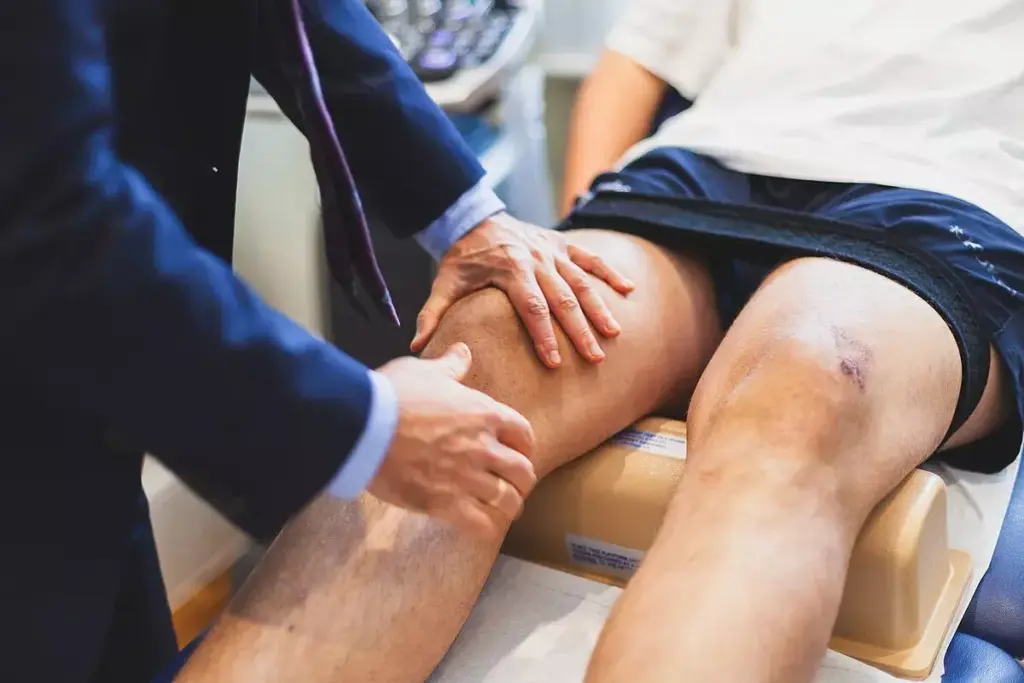
Walking can be great, but leg pain after it is a problem. It can come from muscle soreness, poor circulation, or medical issues. Knowing why it hurts is key to feeling better and avoiding pain later.
Delayed Onset Muscle Soreness (DOMS)
Delayed Onset Muscle Soreness (DOMS) is a common reason for leg pain after walking. It starts 12-24 hours after you do something new or hard. DOMS happens when muscles tear, causing pain, stiffness, and tiredness as they heal. It’s a normal part of getting used to new exercise and usually goes away in a few days.
Peripheral Artery Disease (PAD) and Claudication
Peripheral Artery Disease (PAD) is another big reason for leg pain when walking. It affects over 200 million adults worldwide, narrowing arteries in the legs and cutting off blood to muscles. This leads to cramping pain, called claudication, which gets better when you rest. PAD is serious and needs doctor’s care, as it can show a bigger problem with blood vessels.
Tendonitis and Inflammatory Conditions
Tendonitis and other inflammatory conditions can also cause leg pain after walking. Tendonitis happens when tendons, which connect muscles to bones, get inflamed or irritated. This can be from too much use, repetitive strain, or injury. Conditions like arthritis can also cause pain, affecting joints and tissues around them.
Spinal Stenosis and Nerve Compression
Spinal stenosis and nerve compression are other reasons for leg pain when walking. Spinal stenosis narrows the spinal canal, pressing on nerves that go to the legs. This can cause pain, numbness, or weakness in the legs, mainly during walking. Nerve compression can happen anywhere from the spine to the legs, due to herniated discs, bone spurs, or tight muscles.
Effective Solutions to Relieve Leg Pain After Walking

Leg pain after walking can be eased with several solutions. These include quick relief methods and exercises to prevent pain. By using these strategies, people can lessen their discomfort and keep enjoying walking.
Immediate Relief Strategies
For leg pain after walking, there are quick ways to feel better. Resting for a few hours after a long walk is key. Elevating your legs and using a cold compress can also help. These steps can greatly ease sore thighs after walking.
Proper Footwear and Walking Techniques
Wearing proper footwear is a great way to prevent leg pain. Shoes that fit well and support your feet are essential. Also, using correct walking techniques can spread out the strain. This means keeping a good posture and not overstriding.
Stretching and Strengthening Exercises
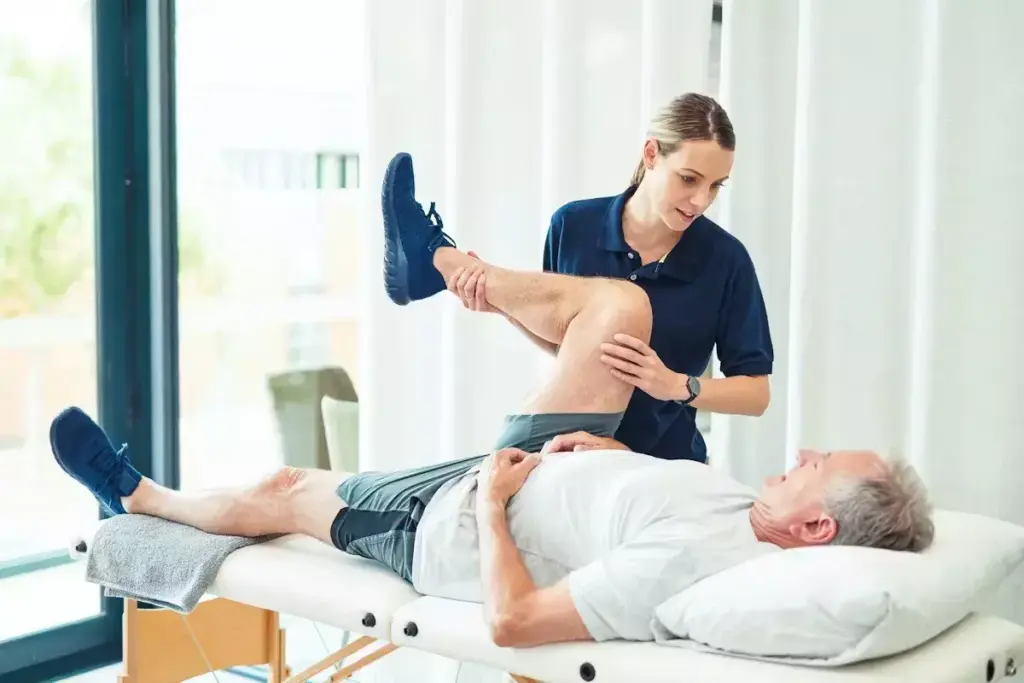
Doing stretching and strengthening exercises can help with leg pain. Simple stretches can make your muscles more flexible. Strengthening your legs can also support them better and lower injury risk. Exercises that focus on your thighs and calves are best for sore legs from walking.
- Hamstring stretches
- Calf raises
- Quad stretches
When to Seek Medical Attention
While many leg pain cases can be handled at home, some need medical attention. If the pain is very bad, lasts a long time, or comes with other symptoms, see a doctor. They can figure out what’s wrong and suggest the right treatment.
Conclusion: Creating a Sustainable Walking Routine Without Pain
Understanding why legs hurt from walking is key to enjoying walks. We’ve looked at ways to ease leg pain, like warm-ups, stretches, and exercises. Adding these to your day can make walking much more comfortable.
Walking can also help with sore legs. It’s important to walk right and wear the right shoes. A study showed that walking can make your back stronger and improve your posture. You can learn more on the Men’s Health website.
To keep walking pain-free, try gentle stretches and exercises. These help your body get stronger and less likely to hurt. Making these small changes can make walking a healthy habit without the pain.
FAQ
Why do my legs hurt after walking for an hour?
What can I do to alleviate sore thighs after walking?
Why does the back of my leg hurt when walking?
How can I prevent my legs from throbbing after walking?
What are the symptoms of peripheral artery disease (PAD), and how is it related to leg pain while walking?
Can walking with sore legs lead to further injury?
How can I reduce pain in my legs and feet while walking?
When should I seek medical attention for leg pain after walking?
References
National Center for Biotechnology Information. Evidence-Based Medical Insight. Retrieved from https://pmc.ncbi.nlm.nih.gov/articles/PMC4285459/