Feeling a tingling sensation in your arms and legs can be scary. But knowing what causes it is the first step to feeling better. We will look at the common reasons for this feeling and share ways to fix it.
Paresthesia makes you feel like you have pins and needles, prickling, or burning. It usually happens in your hands, arms, legs, and feet. Knowing why you feel this way is key. It could be from temporary nerve pressure or serious health issues like diabetes or not getting enough vitamins.
Places like Liv Hospital use a patient-first approach. They find the cause and create a treatment plan just for you. Knowing why and how to stop numbness in hands and legs can really help.
Key Takeaways
- Understanding the causes of paresthesia is key to feeling better.
- Temporary nerve compression is a common reason for tingling.
- Health problems can also cause paresthesia.
- Using a patient-first approach helps find the cause.
- Proven treatments can ease the discomfort.
Understanding Paresthesia: The Medical Term for Tingling
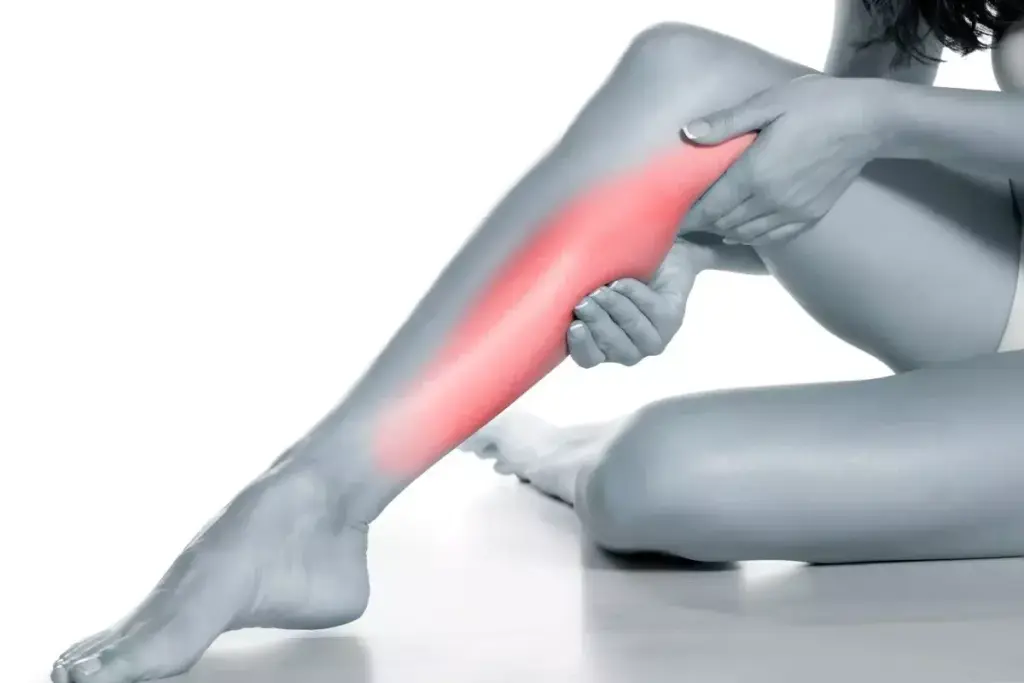
The feeling of pins and needles, or paresthesia, is common. It’s a tingling or numbness in the limbs. This happens when a nerve is compressed or irritated.
What Causes the Pins and Needles Sensation
Paresthesia happens when nerves or blood vessels are pressed. This disrupts normal nerve function. Factors like sitting or standing for too long can cause it.
Temporary paresthesia is usually harmless and goes away when the pressure is removed.
Differentiating Between Temporary and Chronic Tingling
It’s important to tell temporary from chronic paresthesia. Temporary paresthesia is caused by short-term nerve pressure. Chronic paresthesia might mean there’s a serious health issue.
Chronic tingling can point to problems like diabetes, vitamin deficiencies, or nerve damage.
Knowing if your tingling is temporary or chronic helps decide what to do next. If tingling keeps coming back, see a doctor. They can check for any serious health issues.
Common Causes of Tingling in Extremities

Tingling in arms and legs can come from many sources. We’ll look at the main causes, like nerve and blood vessel pressure, health issues, and when to see a doctor.
Pressure on Nerves and Blood Vessels
Pressure on nerves and blood vessels is a big reason for tingling. This can happen from sitting or standing too long, or from long-term issues like carpal tunnel syndrome or cervical and lumbar radiculopathy. When nerves get squished, they can’t work right, causing numbness or tingling.
Tingling in hands and feet often means nerve damage or compression. It’s key to know that taking pressure off nerves can help stop tingling.
Health Conditions Associated with Tingling
Many health issues can cause tingling in arms and legs. Diabetes is a big one, as it can harm nerves over time, leading to diabetic neuropathy. Also, not having enough B vitamins can damage nerves and cause tingling.
Doctors say that not having enough Vitamin B12 can lead to numbness and tingling in hands and feet. Eating right is important to stop and manage tingling.
Warning Signs That Require Medical Attention
While some tingling is okay, some signs mean you should see a doctor. If numbness or tingling doesn’t go away, or if you have weakness, vision changes, or trouble walking, get help fast.
- Sudden numbness or tingling
- Numbness or tingling that gets worse
- Tingling with pain or weakness
Knowing these signs can help catch problems early. If you notice any, see a doctor right away.
5 Effective Remedies to Stop Tingling Sensations
Tingling in your arms and legs can be scary, but there are ways to stop it. This feeling, called paresthesia, can come from bad circulation, nerve pressure, or not enough nutrients. We’ll look at five easy ways to manage and stop tingling.
Improve Circulation Through Movement and Exercise
Being active is key to keeping blood flowing well. Exercise boosts blood flow, making sure your arms and legs get what they need. Walking, cycling, or swimming can really help. Try to do at least 30 minutes of exercise every day to keep your circulation strong and tingling away.
Correct Your Posture and Ergonomics
Bad posture and poor ergonomics can cause tingling. Making sure your workspace is set up right can help. Make sure your chair, monitor, and keyboard are all in the right place to keep your spine straight. Taking breaks to stretch can also help ease nerve pressure.
Medical Expert, Ergonomics Expert
Optimize Your Nutrition and Supplement Intake
Eating well is important for healthy nerves. Vitamin B12, vitamin D, and omega-3 fatty acids are key for nerve health. Eating foods like fish, eggs, and fortified cereals, or taking supplements, can help with tingling.
- Include vitamin B12-rich foods like fish and eggs in your diet.
- Maintain adequate vitamin D levels through sunlight exposure and supplements.
- Consume omega-3 fatty acids found in fish and nuts.
Apply Massage and Pressure Point Techniques
Massage can help by improving blood flow and easing muscle tension. Specific massage techniques can help nerves. Getting regular massages or doing self-massage can help your nerves feel better.
Conclusion: Creating a Long-Term Strategy for Managing Tingling
Managing tingling in arms and legs needs a full plan. This plan should include lifestyle changes, therapy, and watching for risk factors. Knowing why numbness happens helps people take action to feel better.
When tingling happens, finding the cause is key. It could be from nerve or blood vessel pressure or health issues. A long-term plan helps, like moving more, fixing posture, and eating right. This can cut down tingling a lot.
Wondering why arms and hands tingle? Look into what causes it. Using good remedies and making smart lifestyle choices helps manage numbness. This improves life quality a lot.
It’s best to be proactive about tingling. Focus on preventing and catching it early. This way, tingling doesn’t disrupt daily life and keeps overall health good.
FAQ
What is paresthesia, and what causes it?
Why do my arms and legs tingle at night?
What are the common causes of numbness and tingling in the right leg and arm?
How can I stop tingling sensations in my arms and legs?
What health conditions are associated with tingling in extremities?
Can poor posture cause tingling in arms and legs?
How can I improve circulation to reduce tingling?
Are there any nutritional deficiencies that can cause tingling?
When should I seek medical attention for tingling in my arms and legs?
References
National Center for Biotechnology Information. Evidence-Based Medical Insight. Retrieved from https://pubmed.ncbi.nlm.nih.gov/25758665/