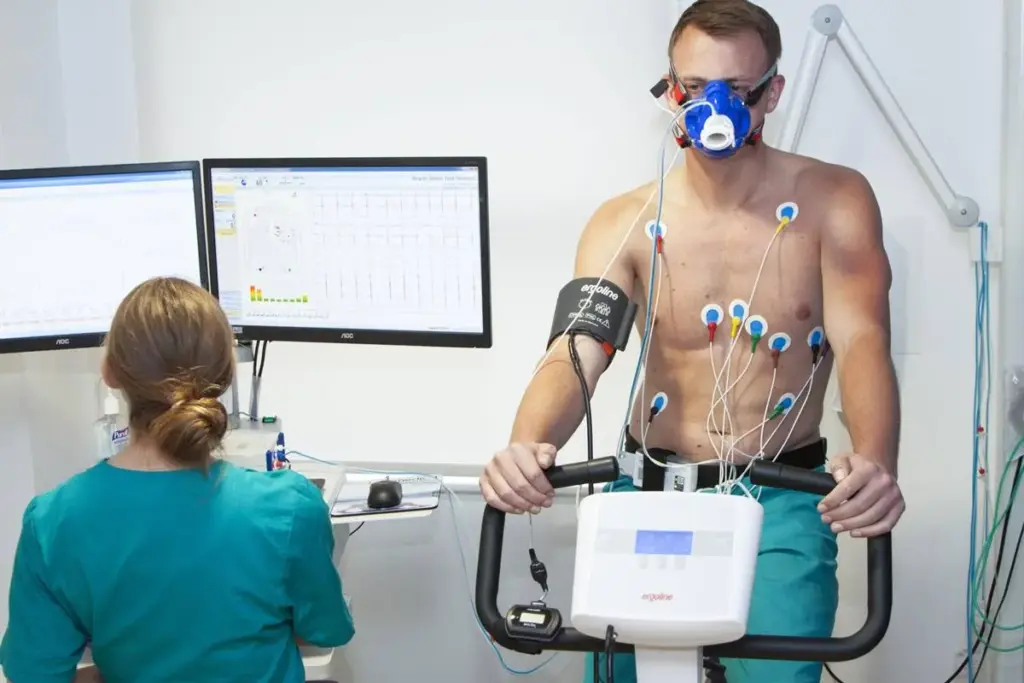
Regular physical activity is a powerful tool for improving cardiovascular health. Exercise can lower blood pressure, reduce the risk of heart disease, and enhance overall well-being. A strong heart is more efficient at pumping blood, which can lead to improved endurance and reduced fatigue.
Learn how to strengthen your heart with amazing exercise. Discover the powerful science of a healthy heart and avoid scary failure.
When you exercise, your heart muscle becomes thicker and more efficient. This allows it to pump blood more effectively. This can lead to improved overall health and a reduced risk of cardiovascular disease. By incorporating physical activity into your daily routine, you can take a significant step towards a healthier heart.
Key Takeaways
- Regular exercise can lower blood pressure and reduce the risk of heart disease.
- Physical activity strengthens the heart muscle, making it more efficient.
- Exercise improves overall cardiovascular health and well-being.
- A strong heart can lead to improved endurance and reduced fatigue.
- Incorporating physical activity into your daily routine can significantly improve heart health.
The Heart as a Muscle: Understanding Cardiac Anatomy

Your heart is a muscle that pumps blood all over your body. Like any muscle, it gets stronger with exercise. The heart’s design lets it pump blood non-stop, showing its incredible strength and resilience.
Structure of the Heart Muscle
The heart muscle, called the myocardium, is made of special cells for pumping blood. These cells work together through fibers, allowing the heart to beat in sync. The ventricles, the heart’s thickest part, pump blood to the lungs and body.
How the Heart Functions as a Pump
The heart acts as a pump by contracting and relaxing in a cycle. This creates pressure to push blood through the body. The heart’s rhythm is controlled by electrical signals, ensuring blood flow to all tissues.
Measuring Heart Strength and Health
Tests like echocardiograms and stress tests measure heart health. They check how well the heart pumps and responds to stress. A healthy heart pumps efficiently, has a normal rate, and shows no damage.
|
Measurement |
Description |
Indicator of Heart Health |
|---|---|---|
|
Ejection Fraction (EF) |
Percentage of blood pumped out of the left ventricle with each contraction |
Normal EF indicates strong heart muscle |
|
Cardiac Output (CO) |
Volume of blood the heart pumps per minute |
Adequate CO suggests good heart function |
|
Heart Rate Variability (HRV) |
Variation in time between heartbeats |
Higher HRV is associated with good cardiovascular fitness |
Knowing how the heart works is key to seeing how exercise strengthens it. Exercise boosts heart health, improving overall well-being and lowering heart disease risk.
The Science Behind Cardiac Adaptation to Exercise

Exercise makes our heart work harder and pump more blood. This is because our muscles need more oxygen and nutrients when we move. Our heart adapts to this need by changing its structure and function.
Physiological Changes During Exercise
When we exercise, our heart beats faster. This helps our muscles get the oxygen and nutrients they need. Our heart also pumps more blood with each beat.
This means our heart pumps more blood every minute. This is key for our muscles to work well during exercise.
Long-term Cardiac Remodeling
Regular exercise makes our heart bigger and stronger over time. The left ventricle, which pumps blood, gets thicker. This makes our heart more efficient at pumping blood.
Cellular and Molecular Mechanisms
Exercise sets off a chain of signals that make our heart grow stronger. Growth factors and signaling pathways play a big role. They help our heart cells grow and work better.
Let’s look at how exercise affects our heart:
|
Parameter |
Sedentary Individual |
Regularly Exercising Individual |
|---|---|---|
|
Cardiac Output |
Lower |
Higher |
|
Left Ventricle Thickness |
Normal |
Increased |
|
Cardiac Efficiency |
Lower |
Higher |
A leading cardiologist says, “Regular exercise is key for a healthy heart. It boosts our heart’s function and lowers heart disease risk.” This shows why we should exercise regularly to keep our heart strong.
Understanding how exercise changes our heart is important. It shows how regular activity makes our heart stronger and healthier. This knowledge can encourage us to keep exercising for our heart’s sake.
Cardiovascular Benefits of Regular Physical Activity
Regular physical activity has many benefits for the heart and overall health. It makes the heart stronger and improves how the body moves oxygen and nutrients around. This is key for good health.
Improved Heart Rate and Blood Pressure
Exercise helps make the heart rate healthier and lowers blood pressure. It makes the heart pump more efficiently. This reduces the pressure on the arteries.
Enhanced Circulation and Oxygen Delivery
Exercise boosts circulation. This means oxygen and nutrients get to tissues and organs better. It’s good for health and how well you can perform physically.
Reduced Risk of Heart Disease
Regular physical activity lowers the risk of heart disease. It keeps cholesterol levels healthy, reduces inflammation, and boosts heart health overall.
Mental Health Benefits Connected to Heart Health
There’s a strong connection between heart health and mental well-being. Exercise can lower stress, anxiety, and depression. This helps keep the heart healthy and improves life quality.
|
Benefit |
Description |
|---|---|
|
Improved Heart Rate |
Regular exercise strengthens the heart, improving its efficiency. |
|
Lower Blood Pressure |
Physical activity helps reduce the pressure on arteries. |
|
Enhanced Circulation |
Better oxygen and nutrient delivery to tissues and organs. |
How to Strengthen Your Heart Through Different Exercise Types
To make your heart stronger, mix different exercises in your routine.Combining aerobic and resistance training is best. This helps prevent and manage heart disease.
Aerobic Exercise for Heart Health
Aerobic exercises boost heart health by raising heart rate and blood flow. They help lower blood pressure, improve circulation, and strengthen the heart.
Walking, Running, and Swimming
Walking, running, and swimming are great aerobic exercises. Walking is easy for most people, while running is more intense. Swimming is good for joints and works many muscles.
Cycling and Rowing
Cycling and rowing are also good aerobic exercises. Cycling is flexible, done indoors or outdoors. Rowing works the whole body, giving a full workout.
Resistance Training Benefits
Resistance training, or strength training, builds muscle and boosts heart health. It lowers blood pressure and improves circulation, making the heart stronger.
High-Intensity Interval Training (HIIT)
HIIT mixes short, intense exercises with rest. It’s great for heart health, raising heart rate and improving function.
Flexibility and Balance Exercises
Flexibility and balance exercises are key for fitness. They improve mobility and reduce injury risk, indirectly helping heart health.
Adding various exercises to your routine can greatly improve heart health and overall well-being.
Creating an Effective Heart-Strengthening Exercise Routine
To make your heart stronger, you need a good exercise plan. First, know your fitness level. Then, increase workout intensity slowly. And don’t forget to rest enough.
Determining Your Starting Fitness Level
Before starting any new exercise, check your fitness level. Talk to a doctor or a fitness trainer. They can guide you to a safe starting point based on your health and goals.
Progressive Overload for Cardiac Strength
Progressive overload means making your workouts harder over time. You can do this by working out longer, more often, or with more weight. This is essential for a stronger heart.
Sample Weekly Workout Plans for Different Fitness Levels
Here are workout plans for different levels:
- For beginners: 30 minutes of brisk walking, 5 days a week, with 2 days of light stretching.
- For intermediate: 45 minutes of jogging or cycling, 4 days a week, with 2 days of moderate weightlifting.
- For advanced: High-intensity interval training (HIIT) for 20 minutes, 3 days a week, with 2 days of intense weightlifting.
Balancing Intensity and Recovery
It’s important to balance hard workouts with enough rest. Too much can cause fatigue or injury. Listen to your body and adjust your routine as needed. Make sure to sleep well, drink water, and eat a healthy diet.
By following these tips and making your routine fit your needs, you can strengthen your heart. This will also boost your overall heart health.
Monitoring Your Heart Health During Exercise
Knowing how to check your heart health while exercising is key. It makes your workouts better and keeps your heart strong. But, it’s important to exercise safely.
Understanding Target Heart Rate Zones
Setting a target heart rate zone is a simple way to stay safe. A trainer or doctor can help you find it. Your target zone is a percentage of your maximum heart rate.
To calculate your target heart rate zone:
- Find your maximum heart rate (220 minus your age).
- Then, find 50-85% of that number for your target zone.
Using Technology to Track Cardiac Performance
Today’s tech makes tracking your heart rate easy. Smartwatches and fitness trackers give you live data. They help you stay in your target zone.
Recognizing Warning Signs During Exercise
Pay attention to your body’s signals during exercise. Chest pain, dizziness, or shortness of breath mean stop and see a doctor.
When to Consult a Healthcare Professional
If you notice anything odd or worry about your heart, talk to a doctor. They can give advice tailored to you.
By watching your heart during exercise and listening to your body, you can make your heart stronger. Regular physical activity brings many benefits.
Nutrition and Lifestyle Factors That Support Heart Strength
Exercise is key, but nutrition and lifestyle are just as important for a strong heart. A good heart health plan includes what you eat and your daily habits. These help keep your heart in top shape.
Heart-Healthy Diet Principles
Eating well is vital for heart health. Focus on fruits, veggies, whole grains, and lean proteins. Cut down on sodium and try the DASH diet to lower blood pressure.
Nutritional Tips:
- Eat more omega-3s from fish.
- Go for healthy fats in avocados and nuts.
- Avoid saturated and trans fats.
Hydration and Electrolyte Balance
Drinking enough water is key for heart health. It keeps blood volume and heart function right. Electrolytes like potassium and magnesium also help keep your heart rhythm healthy.
Tips for Staying Hydrated:
- Drink water all day.
- Check your electrolyte levels, mainly when you’re really active.
Sleep and Stress Management
Enough sleep and managing stress are essential for heart health. Bad sleep and stress can raise blood pressure and heart rate. This puts extra work on your heart.
Stress Reduction Techniques:
- Try meditation or deep breathing.
- Shoot for 7-8 hours of sleep each night.
Habits to Avoid for Optimal Heart Health
Some lifestyle habits can harm your heart. It’s important to avoid or limit these to keep your heart strong.
Habits to Limit or Avoid:
- Don’t smoke or use tobacco.
- Drink alcohol in moderation.
- Avoid a sedentary lifestyle.
By focusing on these nutrition and lifestyle tips, you can greatly improve your heart health and overall well-being.
Special Considerations for Different Age Groups and Health Conditions
When it comes to strengthening the heart through exercise, different age groups and health conditions need special care. As people age or face health issues, their exercise needs change. This section will look at the unique needs for seniors, those with heart conditions, children and teens, and pregnant or postpartum women.
Heart Strengthening for Seniors
Seniors can greatly benefit from exercise, but they should start slow. Activities like brisk walking, swimming, or cycling are great. It’s also key for seniors to do exercises that help with flexibility and balance to avoid falls.
Exercise Modifications for Existing Heart Conditions
People with heart conditions should talk to their doctor before starting any new exercise. They might need to avoid intense or heavy activities. It’s important to watch heart rate and blood pressure while exercising.
Building Heart Strength in Children and Adolescents
Children and teens can do many fun activities to strengthen their hearts, like running, jumping rope, or playing sports. Encouraging regular physical activity from a young age helps build heart-healthy habits for life.
Pregnancy and Postpartum Heart Health
Pregnant women can exercise, but they should follow guidelines and check with their doctor. Low-impact activities like walking or prenatal yoga are often suggested. After giving birth, women should slowly get back into exercise, listening to their bodies and not pushing too hard too soon.
Conclusion: Making Heart Health a Lifelong Priority
Regular exercise and a healthy lifestyle can greatly boost heart health. The heart is the strongest muscle, so keeping it strong is key. To do this, mix aerobic exercise, resistance training, and flexibility exercises into your routine.
Seeing exercise as a long-term commitment can lower heart disease risk and improve life quality. Regular activity boosts heart function and mental health. It also keeps you physically fit.
To strengthen your heart, balance exercise with a heart-healthy diet. Prioritizing heart health leads to a longer, healthier life. Start today to make heart health a lifelong goal.
FAQ
How can I strengthen my heart?
To strengthen your heart, do regular exercise. This includes aerobic activities, resistance training, and HIIT. Also, eat a heart-healthy diet and live a healthy lifestyle.
What are the best exercises to strengthen my heart?
Walking, running, swimming, cycling, and rowing are great for your heart. Resistance training and HIIT are also good when done right.
How often should I exercise to strengthen my heart?
Aim for 150 minutes of moderate exercise or 75 minutes of vigorous exercise weekly. Don’t forget to include strength training too.
Can I strengthen my heart if I have a pre-existing heart condition?
Yes, but talk to a doctor first. They’ll help you find the best exercise plan for your condition.
How do I know if I’m exercising at the right intensity for my heart?
Know your target heart rate zone. Moderate exercise is 50-70% of your max heart rate. Vigorous is 70-85%.
What dietary changes can support heart health?
Eat lots of fruits, veggies, whole grains, lean proteins, and healthy fats. Cut down on saturated fats, sodium, and sugars.
How does hydration affect heart health during exercise?
Staying hydrated is key for blood flow and avoiding dehydration. It’s also important for electrolyte balance, which is critical during intense workouts.
Can stress impact my heart health?
Yes, stress can harm your heart. Try stress-reducing activities like meditation, yoga, or deep breathing to help.
Are there specific considerations for strengthening the heart at different ages?
Yes, exercise plans should match your age and health. Seniors might need easier exercises, while kids and teens can do various activities.
How can I monitor my heart health during exercise?
Use a heart rate monitor and listen to your body. Watch for signs like chest pain or dizziness. Always check with a doctor too.
Is it necessary to consult a healthcare professional before starting an exercise program to strengthen my heart?
Yes, if you have health concerns or conditions. A doctor can give you personalized advice and guidance.
Reference
National Center for Biotechnology Information. Evidence-Based Medical Insight. Retrieved from https://pmc.ncbi.nlm.nih.gov/articles/PMC6172294/