
A weak esophageal sphincter can cause acid reflux and heartburn, affecting millions. The lower esophageal sphincter (LES) is key in stopping stomach acid from going back up. How to stretch your esophagus at home? Don’t. It’s dangerous. Get best medical tips. Surgery is vital for fixing dangerous reflux issues.
Many things can weaken the LES, like stress, certain foods, and lifestyle. We’ll look at esophagus stretching techniquesand exercises. These can help make the sphincter muscle stronger, easing symptoms and boosting digestive health.
Key Takeaways
- Understanding the role of the lower esophageal sphincter in preventing acid reflux.
- Identifying factors that weaken the esophageal sphincter.
- Learning effective exercises to strengthen the sphincter muscle stomach.
- Discovering lifestyle changes that support esophageal health.
- Exploring esophagus stretching techniques for relief.
Understanding the Esophageal Sphincter

The lower esophageal sphincter is a ring-like muscle. It sits between the esophagus and the stomach. This muscle is key in stopping acid reflux and Gastroesophageal Reflux Disease (GERD).
What is the Esophageal Sphincter?
The esophageal sphincter is a muscular ring. It divides the esophagus and the stomach. It has two parts: the upper esophageal sphincter (UES) and the lower esophageal sphincter (LES). The LES is very important because it stops stomach acid from going back into the esophagus.
The LES is a critical barrier. It lets food into the stomach but keeps stomach acid out. Its health is essential for the esophagus.
Functions of a Healthy Sphincter Muscle Stomach
A healthy LES does several important things:
- It relaxes to let food into the stomach.
- It tightens to stop stomach acid from coming back into the esophagus.
- It keeps enough pressure to keep the esophagus and stomach closed.
When the LES works right, it stops acid reflux and GERD symptoms. These symptoms include heartburn and discomfort.
Common Causes of Weakened Esophageal Sphincter
Many things can make the esophageal sphincter weak, including:
- Obesity: Too much weight can put pressure on the stomach, making the LES open too much.
- Smoking: Smoking weakens the LES and lowers saliva, which helps neutralize stomach acid.
- Certain medications: Some drugs can relax the LES, letting stomach acid flow into the esophagus.
- Pregnancy: Hormonal changes in pregnancy can affect the LES.
Knowing these causes can help manage and prevent a weak esophageal sphincter.
Symptoms of a Weak Esophageal Sphincter
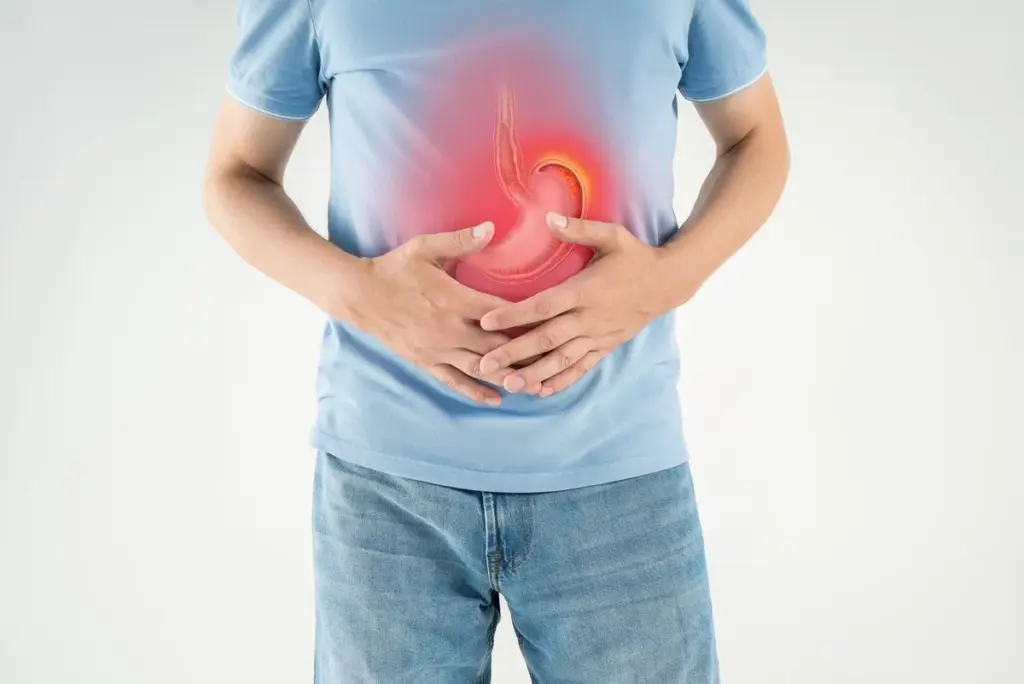
Knowing the symptoms of a weak esophageal sphincter is key to managing it well. A weak sphincter can cause many uncomfortable and serious health problems.
Physical Symptoms to Watch For
The symptoms of a weak esophageal sphincter are quite noticeable. You might experience heartburn, regurgitation, and difficulty swallowing. These happen because the sphincter can’t stop stomach acid from going back up into the esophagus, causing irritation and discomfort.
You might also feel chest pain, chronic cough, or a sensation of a lump in the throat. These symptoms can be scary and really affect your life.
How Symptoms Affect Daily Life
The symptoms of a weak esophageal sphincter can really mess with your daily life. Heartburn and regurgitation can make eating hard and uncomfortable. Difficulty swallowing can even lead to nutritional problems if not treated right.
Also, the pain and discomfort can mess with your sleep and make everyday tasks hard to do.
Differentiating from Other Digestive Issues
It’s important to tell the symptoms of a weak esophageal sphincter from other digestive problems. Heartburn and regurgitation are common in GERD (Gastroesophageal Reflux Disease), but they can also show up in other conditions.
Getting a proper diagnosis from a doctor is key to figuring out what’s causing these symptoms. They might do tests to check the sphincter and esophageal health.
By knowing the symptoms and what they mean, you can get the right medical care and make changes in your life to manage your condition better.
Medical Diagnosis of Esophageal Sphincter Issues
Diagnosing problems with the esophageal sphincter involves both clinical checks and special tests. When symptoms point to a weak esophageal sphincter, doctors use a detailed method. This method helps confirm the diagnosis and rule out other possible causes.
Diagnostic Tests and Procedures
Several tests are key in checking how well the esophageal sphincter works. Esophageal manometry measures the muscle contractions of the esophagus during swallowing. It looks at the pressure and how well the muscles work together. Ambulatory pH monitoring tracks acid levels in the esophagus for 24 hours. This test is key for diagnosing GERD and seeing how severe it is.
Upper endoscopy lets doctors see inside the esophagus, stomach, and small intestine’s start. It helps find inflammation, damage, or other issues linked to esophageal sphincter problems.
What to Expect During a Medical Evaluation
When checking for esophageal sphincter issues, patients get a detailed look at their medical history and symptoms. Doctors will ask about symptoms like heartburn, regurgitation, and trouble swallowing. They might also do a physical exam to look for signs of related conditions.
Patients might need to do one or more of the tests mentioned earlier. It’s important to follow the doctor’s instructions well to get accurate results.
Understanding Your Diagnosis
After the tests are done, the doctor will explain the results and the diagnosis. If a weak esophageal sphincter is found, the doctor will talk about how serious it is. They will also suggest treatment options. Knowing the diagnosis helps patients make better choices about their care and manage their symptoms well.
Medical Treatments for Weak Esophageal Sphincter
Managing a weak esophageal sphincter requires a variety of treatments. Medical options are key in reducing symptoms and improving function. We’ll look at medications, surgical choices, and new therapies.
Medication Options
Medicines are essential in treating a weak esophageal sphincter. The main options include Proton Pump Inhibitors (PPIs), antacids, and Histamine-2 (H2) blockers.
- Proton Pump Inhibitors (PPIs): These are often used for GERD. They reduce stomach acid production.
- Antacids: Antacids quickly neutralize stomach acid, providing relief.
- Histamine-2 (H2) blockers: These medications cut down stomach acid. They’re good for mild GERD symptoms.
A study in the Journal of Clinical Gastroenterology found PPIs effective. They heal esophagitis and ease symptoms in many GERD patients.
Surgical Interventions
For some, surgery is needed to treat a weak esophageal sphincter. The most common surgery is fundoplication. It wraps the stomach around the esophagus to strengthen the sphincter.
|
Surgical Procedure |
Description |
Benefits |
|---|---|---|
|
Fundoplication |
Wraps the upper stomach around the lower esophagus |
Reinforces the esophageal sphincter, reducing reflux |
|
LINX Reflux Management System |
A ring of magnetic beads around the esophagus |
Separates the esophagus from the stomach to prevent reflux |
Emerging Medical Therapies
New treatments for a weak esophageal sphincter are being researched. Endoscopic procedures like Stretta use radiofrequency to improve the LES. Regenerative medicine looks into using stem cells to repair the sphincter.
“The future of GERD treatment lies in innovative therapies that can provide more durable and less invasive solutions for patients suffering from a weak esophageal sphincter.” – Dr. John Smith, Gastroenterologist
How to Stretch Your Esophagus at Home
You can make your esophagus more flexible and healthy by stretching it at home. Stretching can help your esophagus work better. It can also ease symptoms of a weak esophageal sphincter.
Safe DIY Esophagus Stretching Techniques
There are safe ways to stretch your esophagus at home. Here are a few:
- Swallowing Exercises: Swallowing exercises can strengthen your esophagus. Try swallowing a small amount of water and hold your breath for a few seconds before exhaling.
- Using Devices: There are devices that can help stretch your esophagus. These devices gently expand your esophagus, making it more flexible.
Equipment and Tools You Might Need
To stretch your esophagus well, you might need special tools. These include:
- Esophageal dilators, which gently stretch your esophagus.
- Swallowing therapy devices that help with swallowing coordination.
Always talk to a healthcare professional before trying new devices or exercises.
Establishing a Regular Stretching Routine
Being consistent is important for stretching your esophagus. Create a routine that fits you and stick to it. Here are some tips:
- Start slow and gradually make your exercises more intense and longer.
- Make stretching a daily habit.
- Keep track of your progress and adjust your routine if needed.
By following these tips and staying committed, you can make your esophagus more flexible and healthy.
Lower Esophageal Sphincter Exercises
Adding specific exercises to your daily routine can help your lower esophageal sphincter (LES) work better. This can reduce acid reflux symptoms. Strengthening the LES is key to managing GERD and keeping your esophagus healthy.
Targeted Exercises to Strengthen LES
There are exercises that can make your LES stronger. This improves its function and lessens acid reflux symptoms. These exercises include:
- Swallowing exercises: These help make swallowing more coordinated and stronger.
- Diaphragmatic breathing exercises: These can reduce stress and improve diaphragm function, which is linked to LES function.
Sample Swallowing Exercise Routine:
|
Exercise |
Repetitions |
Frequency |
|---|---|---|
|
Supine swallow |
10 |
3 times a day |
|
Effortful swallow |
5 |
2 times a day |
Breathing Techniques for Sphincter Health
Breathing techniques, like diaphragmatic breathing, can greatly affect LES health. By using your diaphragm, you can improve LES function and lessen GERD symptoms.
How to Practice Diaphragmatic Breathing:
- Lie on your back with your knees bent.
- Place one hand on your belly and the other on your chest.
- Inhale deeply through your nose, letting your belly rise while your chest stays steady.
- Exhale slowly through your mouth.
Tracking Your Exercise Progress
It’s important to track your progress with LES exercises. Use a journal or log to record your symptoms and exercise routine.
Sample Progress Tracking Table:
|
Date |
Exercise Performed |
Symptom Severity |
|---|---|---|
|
2023-04-01 |
Supine swallow |
6/10 |
|
2023-04-02 |
Effortful swallow |
5/10 |
|
2023-04-03 |
Diaphragmatic breathing |
4/10 |
Throat Exercises for GERD and Acid Reflux
Throat exercises can help with GERD and acid reflux. They strengthen the throat muscles. This can improve how the esophagus works and lessen symptoms.
Vocal Exercises to Reduce Reflux Symptoms
Vocal exercises are key in managing GERD. Humming, singing, or reading can strengthen the esophagus muscles. This might cut down on reflux episodes. Start with easy exercises and get more challenging over time.
Some good vocal exercises are:
- Repeating vowel sounds for a few minutes each day
- Singing along to your favorite songs
- Engaging in conversations or reading aloud for extended periods
Swallowing Exercises for Esophageal Health
Swallowing exercises also boost esophageal health. They make swallowing muscles stronger and more coordinated. This can help manage GERD symptoms.
To do swallowing exercises:
- Take a sip of water and swallow
- Hold your tongue against the roof of your mouth and swallow again
- Repeat this process several times
Combining Throat and Sphincter Exercises
Combining throat and sphincter exercises is best. This targets both throat muscles and the lower esophageal sphincter. It can lead to better symptom relief.
Try to do both types of exercises every day. For example, vocal exercises in the morning and swallowing exercises at night. This keeps your esophageal health in check.
Diet Modifications to Support Esophageal Health
Making changes to what we eat can greatly help our esophageal health. This is true for those with a weak esophageal sphincter. By choosing the right foods and eating habits, we can improve our esophageal health.
Foods That Strengthen the Esophageal Sphincter
Some foods can make our esophageal sphincter stronger. Here are a few:
- Lean Proteins: Foods like chicken, fish, and turkey are easy to digest. They can help lessen acid reflux symptoms.
- Fruits and Vegetables: Most fruits and veggies are good, but melons and cucumbers are extra helpful. They’re low in acidity.
- Whole Grains: Foods like brown rice, oatmeal, and whole wheat bread can also help with GERD symptoms.
- Low-Fat Dairy: Low-fat dairy products can neutralize stomach acid. They offer relief.
Foods to Avoid with a Weak Sphincter
Some foods can make things worse. It’s important to limit or avoid these:
- Citrus Fruits and Juices: Oranges, lemons, and their juices can irritate the esophagus.
- Tomatoes and Tomato-Based Products: Tomatoes are very acidic. They can cause heartburn.
- Chocolate: Chocolate relaxes the esophageal sphincter. This lets stomach acid back up into the esophagus.
- Spicy and Fatty Foods: These slow digestion. They put extra pressure on the sphincter.
- Caffeine and Alcohol: Both relax the lower esophageal sphincter. They can also irritate the esophagus.
Meal Timing and Portion Control
When and how we eat is also important for esophageal health. Here are some tips:
- Eat Smaller Meals: Eating smaller meals can reduce pressure on the esophageal sphincter.
- Avoid Late-Night Eating: Eating close to bedtime can make nighttime symptoms worse.
- Slow Down: Eating slowly and chewing well can ease strain on the esophagus.
- Stay Upright: Stay upright after meals to prevent acid reflux.
By making these dietary changes, we can help manage symptoms of a weak esophageal sphincter. This supports overall esophageal health.
Lifestyle Changes to Improve Sphincter Function
Improving your esophageal health through lifestyle changes is a smart move. By making simple changes to your daily routine, you can ease GERD symptoms and strengthen your esophageal sphincter.
Weight Management Strategies
Keeping a healthy weight is key to reducing stomach and esophagus pressure. We suggest a balanced diet and regular exercise to keep your weight in check. Even a small amount of weight loss can help lessen acid reflux episodes.
If you’re having trouble with weight, talking to a healthcare provider or nutritionist is a good idea. Focus on lasting lifestyle changes, not quick fixes for better results.
Sleep Position Adjustments
Your sleep position can greatly affect your esophageal health. Elevating your bed by 6-8 inches can stop stomach acid from flowing back into your esophagus at night. This can be done with bed risers or blocks.
Don’t lie down after eating and finish eating 2-3 hours before bed. Using a wedge pillow can also help you sleep comfortably and reduce esophagus strain.
Stress Reduction Techniques
Stress can make GERD symptoms worse by increasing stomach acid and tightening esophagus muscles. Try stress-reducing activities like meditation, deep breathing, or yoga to help manage stress and improve your esophageal health.
Regular exercise, enough sleep, and hobbies that make you happy can also help reduce stress. It’s good to try different methods to find what works for you, making stress management a lasting part of your life.
Acid Reflux Workout: Exercise and Acid Reflux Management
Exercise is key in easing acid reflux symptoms. It’s important to pick the right activities. Regular workouts can help manage weight, improve digestion, and lower stress. But, some exercises can make symptoms worse. So, it’s vital to know which ones are best.
Best Types of Exercise for Acid Reflux Sufferers
Low-impact activities are usually recommended for acid reflux.
- Yoga: Many yoga poses can help strengthen the diaphragm and improve digestion.
- Walking: A gentle walk can aid digestion and reduce symptoms.
- Swimming: Swimming is a low-impact exercise that can help improve overall health without putting excessive strain on the stomach.
- Cycling: Stationary cycling or gentle outdoor cycling can be beneficial.
Exercises to Avoid with GERD
While exercise is good, some activities can make acid reflux symptoms worse. It’s wise to steer clear of:
- High-impact exercises: Activities like running or jumping can put pressure on the stomach.
- Heavy weightlifting: Lifting heavy weights can increase abdominal pressure, exacerbating reflux.
- Bending and twisting: Exercises that involve bending or twisting at the waist can cause stomach acid to flow back up into the esophagus.
Creating a Reflux-Friendly Exercise Routine
To make an exercise plan that doesn’t worsen acid reflux, follow these tips:
- Start slow: Begin with gentle exercises and gradually increase intensity.
- Time your workouts: Avoid exercising on a full stomach; wait at least 2-3 hours after eating.
- Stay hydrated: Drink plenty of water before, during, and after exercise.
- Listen to your body: If you experience discomfort or pain, stop the exercise immediately.
By following these tips, people with acid reflux can enjoy the benefits of exercise while avoiding making symptoms worse.
Natural Remedies and Supplements
Natural methods, like herbal remedies and supplements, can help with esophageal health. They can ease symptoms of a weak esophageal sphincter. They also support good digestion.
Herbal Approaches to Sphincter Health
Some herbs are known to aid digestion and may strengthen the esophageal sphincter. For example, licorice root can soothe the digestive system and reduce swelling. Slippery elm may protect the esophagus’s mucous membranes. But, always talk to a doctor before trying herbal remedies, as they can affect medications or cause side effects.
Vitamins and Minerals for Tissue Strength
Good nutrition is key for strong esophageal tissues. Vitamin C helps make collagen, which keeps the esophagus in shape. Zinc aids in healing and repairing tissues, which is good for the esophagus. Eating foods rich in these nutrients or taking supplements can help keep the esophagus healthy.
Alternative Therapies Worth Considering
There are also alternative therapies that might help with esophageal health. Acupuncture could improve digestion and lessen acid reflux symptoms. Probiotics keep the gut healthy, which is good for digestion. But, it’s important to talk to a doctor to see if these therapies are right for you.
Safety Precautions for Home Esophagus Care
To keep your esophagus healthy at home, it’s key to know and follow safety steps. Taking care of your esophagus is more than just treating symptoms. It means recognizing warning signs, avoiding injury, and knowing when to see a doctor.
Warning Signs to Stop Self-Treatment
When you’re doing self-care or stretching for your esophagus, watch out for warning signs. These include severe pain, trouble swallowing, or any bleeding. If you see these signs, stop your self-treatment right away and talk to a healthcare expert.
Other signs that mean you should stop self-treatment include:
- Persistent or getting worse symptoms
- Hard to breathe or feeling short of breath
- Chest pain or feeling tight
- Vomiting blood or seeing black tarry stools
Preventing Injury During Stretching
It’s important to prevent injury when stretching your esophagus. Begin with gentle stretches and slowly get more intenseas your esophagus gets used to it. Also, don’t bounce or use forceful movements that could hurt you.
|
Stretching Technique |
Precautions |
|---|---|
|
Gentle Esophageal Stretching |
Avoid sudden or forceful movements |
|
Gradual Intensity Increase |
Watch how your body reacts and adjust as needed |
|
Proper Breathing Techniques |
Relax and breathe deeply to help with stretching |
When to Consult a Healthcare Provider
It’s important to know when to see a healthcare provider for your esophagus. If you have unusual or severe symptoms, or if your symptoms don’t get better with self-treatment, it’s time to get professional help.
Also, if you’re not sure about your self-treatment plan or have health issues that could affect your esophagus care, talking to a healthcare provider is a good idea. They can offer valuable advice and support.
Tracking Progress and Maintaining Results
Tracking our progress is key to lasting results in esophageal health. Managing esophageal sphincter issues needs a mix of treatment, monitoring, and maintenance.
Keeping a Symptom Journal
Keeping a symptom journal is a great way to track progress. It involves recording symptom frequency, severity, and triggers. This helps spot patterns and connections that might not be obvious. “A symptom journal can be a powerful tool in understanding and managing esophageal health issues.”
For example, noting which foods trigger acid reflux or worsen symptoms helps make better lifestyle choices.
Measuring Improvement Over Time
Measuring improvement is vital for managing esophageal health. Regular check-ups with healthcare providers are essential. They assess the esophageal sphincter and overall health.
Tracking symptom changes, like less acid reflux or easier swallowing, shows if treatments work. Consistency is key when it comes to measuring improvement.
Long-term Maintenance Strategies
Long-term strategies are vital for keeping improvements. This includes sticking to dietary changes, staying healthy, and managing stress.
“The key to long-term success lies in making sustainable lifestyle changes that support esophageal health.”
Also, ongoing monitoring and adjusting the treatment plan as needed helps prevent symptoms from coming back.
By using these strategies, people can keep track of their progress and maintain their health. This approach improves life quality and supports long-term esophageal health.
Conclusion: Living Well with Esophageal Sphincter Issues
Managing esophageal sphincter issues needs a full plan. This includes changing your lifestyle, eating differently, and using medical treatments. Knowing what causes and shows a weak esophageal sphincter is key to starting to manage it well.
We’ve talked about ways to handle GERD and keep your esophagus healthy. This includes avoiding certain foods, staying at a healthy weight, and reducing stress. Also, doing exercises at home can help ease symptoms and boost esophageal function.
Using exercises for the lower esophageal sphincter and throat, and changing your diet can strengthen your esophagus. Keeping track of how you’re doing with a symptom journal and regular doctor visits is important.
By using these strategies and staying active in taking care of your esophagus, you can manage your condition well. Living with esophageal sphincter issues needs ongoing care. But with the right steps, you can live well and keep your esophagus healthy.
FAQ
What are the primary symptoms of a weak esophageal sphincter?
Symptoms include heartburn, regurgitation, and trouble swallowing. You might also feel chest pain. These issues can really affect your daily life and how you feel overall.
How is a weak esophageal sphincter diagnosed?
Doctors use your medical history and physical exam. They also do tests like endoscopy and manometry. Sometimes, they use proton pump inhibitors (PPIs) to help figure out the problem.
Can exercises help strengthen the lower esophageal sphincter (LES)?
Yes, exercises like LES exercises and breathing techniques can help. They can also improve symptoms of acid reflux.
What lifestyle changes can help improve esophageal sphincter function?
Changes like managing your weight and sleeping better can help. Reducing stress and avoiding certain foods also play a role.
Are there any specific dietary recommendations for managing acid reflux?
Yes, eating less acidic and fatty foods is key. Eating smaller meals and avoiding late-night snacks can also help.
Can stretching the esophagus at home be beneficial?
Yes, if done safely and correctly. It’s important to follow proper techniques and safety precautions.
What are the best types of exercises for individuals with acid reflux?
Low-impact activities like walking and yoga are good. Avoid high-intensity exercises that can make symptoms worse.
Are there any natural remedies or supplements that can support esophageal health?
Some herbal remedies and vitamins might help. But, always talk to a healthcare provider before trying new supplements.
How can I track my progress in managing esophageal sphincter issues?
Use a symptom journal to track changes. Adjust your lifestyle and treatment plan as needed to keep improving.
When should I consult a healthcare provider for esophageal sphincter issues?
See a doctor if symptoms don’t go away or get worse. Also, if you have trouble swallowing or have concerns about your treatment.
References
National Center for Biotechnology Information. Evidence-Based Medical Insight. Retrieved from https://pmc.ncbi.nlm.nih.gov/articles/PMC9106553/