Millions of people worldwide suffer from sinusitis, an inflammation of the tissue lining the sinuses. These air-filled cavities are behind the cheeks, forehead, and eyes. They are key to our respiratory system.
While most sinus infections are viral, some are caused by bacteria. It’s hard to tell the difference because the symptoms start the same. At Liv Hospital, we focus on accurate diagnosis and effective treatment.
Knowing if your sinusitis is viral or bacterial is key to the right treatment. Viral sinus infections usually get better in 10 days with care. But bacterial sinus infections might need antibiotics and last longer.
Key Takeaways
- Sinus infections are a common health condition affecting millions worldwide.
- Distinguishing between viral and bacterial sinus infections is key for effective treatment.
- Viral sinus infections usually get better in 10 days with care.
- Bacterial sinus infections might need antibiotics and last longer.
- Accurate diagnosis is essential for the best treatment.
Understanding Sinus Infections: Basics and Prevalence

Sinus infections are a common health issue affecting millions worldwide, mainly during cold and allergy seasons. These infections happen when the sinuses, air-filled cavities in the skull, become inflamed or infected. Knowing the basics of sinus infections helps us understand their causes and how to treat them.
What Are Sinuses and Sinusitis?
Sinuses are hollow cavities in the nose’s passages. They produce mucus, which moisturizes the nasal passages and filters out dust, bacteria, and other particles. When these cavities become inflamed or infected, it leads to a buildup of mucus and uncomfortable symptoms. Sinusitis can be acute or chronic, with acute being more common and usually resolving in a few weeks.
Common Causes of Sinus Infections
Most sinus infections start as viral infections, the same viruses that cause the common cold. These viral infections can make the sinuses inflamed, leading to mucus buildup and creating a chance for bacterial infections. Allergies, environmental factors, and anatomical issues, like a deviated septum, can also lead to sinus infections. Knowing these causes is key to telling viral and bacterial sinus infections apart, as their treatments differ.
It’s important to know the difference between viral and bacterial sinus infections because it affects treatment. Viral sinus infections are more common and usually get better on their own. But bacterial sinus infections might need antibiotics. By understanding sinus infections and their causes, we can better identify our condition and get the right medical care.
Viral vs. Bacterial Sinus Infections: Key Differences
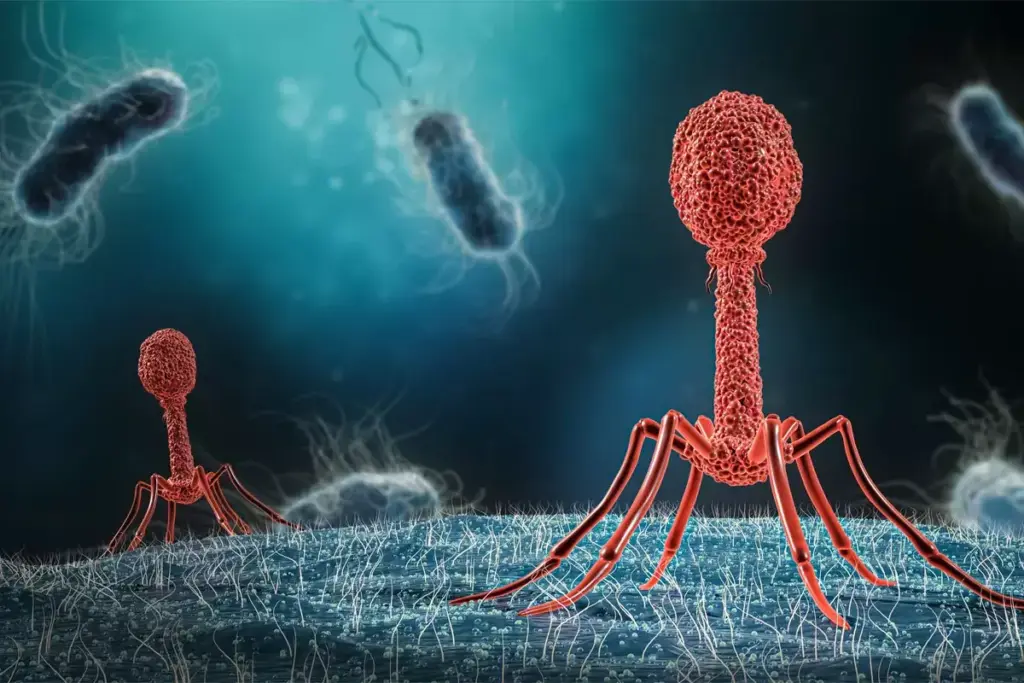
It’s not always easy to tell if a sinus infection is viral or bacterial. But knowing the difference is important for the right treatment. Sinus infections, or sinusitis, can be caused by viruses or bacteria.
Shared Initial Symptoms
Both viral and bacterial sinus infections share similar symptoms. This makes it hard to tell them apart at first. Symptoms include nasal congestion, facial pain, headache, and thick nasal discharge.
The similarity in symptoms makes it tough for both patients and doctors to figure out the cause without more tests.
How Bacterial Infections Develop from Viral Ones
Viral sinus infections usually get better on their own in a few days. But sometimes, a bacterial infection can follow, making things worse. This happens when bacteria move into the sinuses during the viral infection.
Duration is key in telling viral from bacterial infections. Viral infections usually last 5 to 10 days. Bacterial infections can last longer and even get worse after they seem to get better.
| Characteristics | Viral Sinus Infection | Bacterial Sinus Infection |
| Duration | Typically resolves within 5-10 days | Persists for more than 10 days |
| Progression | Improves after initial peak | May worsen after initial improvement |
| Treatment | Symptomatic relief | Often requires antibiotics |
Why Distinguishing Between Types Matters
It’s important to know if a sinus infection is viral or bacterial for the right treatment. Using antibiotics when not needed can lead to antibiotic resistance. This is a big health problem.
On the other hand, bacterial infections might need antibiotics to clear up and prevent serious problems. By understanding the differences, doctors can give better care. This helps patients get better faster and reduces antibiotic resistance.
How to Tell If a Sinus Infection Is Bacterial: Definitive Signs
Knowing the signs of a bacterial sinus infection is key to getting the right treatment. Most sinus infections are viral. But, some signs can point to a bacterial cause. This helps patients find the right medical help.
Duration as the Primary Indicator
The length of time symptoms last is a big clue. If symptoms last more than 7 to 10 days without getting better, it might be bacterial. Staying sick for this long means the infection might need antibiotics.
The “Double Worsening” Pattern
The “double worsening” pattern is another important sign. Symptoms get better for a few days, then get worse again. This pattern often means a bacterial infection has started. Spotting this pattern can help figure out if a viral infection has turned bacterial.
Severity and Specific Symptoms
Some symptoms point more to bacterial sinus infections. These include:
- High fever, showing a big infection
- Severe facial pain or headache, meaning there’s pressure and swelling
- Purulent nasal discharge, thick and colored, showing bacteria
If you have these symptoms, see a doctor for a correct diagnosis and treatment. Spotting bacterial sinus infections early helps manage them better and avoid complications.
In short, watching symptoms’ duration, the “double worsening” pattern, and severe symptoms helps figure out if a sinus infection is bacterial. This knowledge lets patients get the right medical care on time. It ensures they get the treatment they need.
Conclusion: When to Seek Medical Treatment
Knowing the difference between viral and bacterial sinus infections is key. If your symptoms don’t get better or get worse, see a doctor. Look out for red flags like high fever, severe eye pain, or worsening symptoms.
Understanding bacterial versus viral sinus infection helps you heal faster. If you have thick, yellow nasal discharge or face pain, get medical help.
It’s important to know if your sinus infection is viral or bacterial. If your symptoms are severe or last too long, talk to a sinus specialist. They can help figure out the best treatment for you.
FAQ
What is the difference between a viral and bacterial sinus infection?
How do I know if my sinus infection is bacterial or viral?
Can a viral sinus infection turn into a bacterial sinus infection?
What are the common causes of sinus infections?
How long does a bacterial sinus infection last?
What are the symptoms of a bacterial sinus infection?
When should I seek medical treatment for a sinus infection?
Can I treat a bacterial sinus infection without antibiotics?
How can I differentiate between sinusitis and a common cold?
References
National Center for Biotechnology Information. Evidence-Based Medical Insight. Retrieved from https://pubmed.ncbi.nlm.nih.gov/25833949/