
A painful crust, unexpected bleeding inside your nose, or persistent nasal sores could signal a staph infection that demands prompt attention.
Discovering the cause of nasal discomfort can be worrying. Staphylococcus aureus, a common bacterium, is often found on the skin or in the nasal passages of many people. While about 30 to 50 percent of the general population naturally carries this bacterium without symptoms, it can cause an infection when it penetrates the nasal tissue, often due to damage.
At Liv Hospital, we bring internationally competitive medical expertise and patient-centered care to diagnose and treat nasal infections with precision and compassion.
Key Takeaways
- Staph infections in the nose are caused by Staphylococcus aureus bacteria.
- Nasal staph infections can occur when the bacteria penetrate the nasal tissue.
- Symptoms may include painful crusts, unexpected bleeding, or persistent nasal sores.
- Many people naturally carry Staphylococcus aureus without experiencing symptoms.
- Prompt medical attention is key for diagnosing and treating nasal staph infections.
What Causes a Staph Infection in Nose
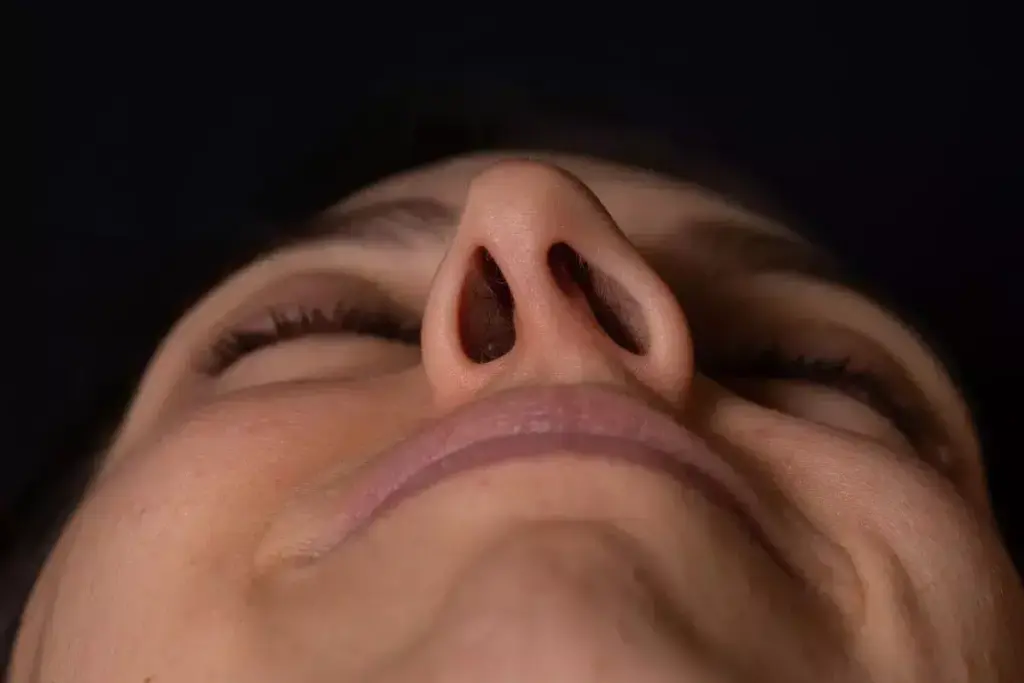
Staphylococcus aureus is a common bacterium that can lead to infections in the nose when it enters the body through cuts or damaged skin. We will explore how this bacterium causes nasal staph infections and the factors that increase the risk of developing such infections.
Understanding Staphylococcus Aureus Bacteria
Staphylococcus aureus, commonly referred to as staph aureus, is a type of bacteria that is often found on the skin and in the noses of healthy individuals. While it is typically harmless, staph aureus can cause infections when it enters the body through a cut or other opening. , staph bacteria can lead to various types of infections, ranging from mild to severe.
How Nasal Staph Infections Develop
Nasal staph infections occur when Staphylococcus aureus bacteria colonize in the nasal passages. This colonization can happen when the bacteria are introduced into the nose through touching or other means. Once inside, if the bacteria penetrate the nasal tissue, they can cause an infection. The presence of cuts or damaged skin inside the nasal passages increases the risk of such infections.
Common Risk Factors for Nasal Staph Infections
Certain individuals are more susceptible to nasal staph infections due to various risk factors. These include having a weakened immune system, which makes it harder for the body to fight off infections. Pre-existing skin conditions or having a chronic illness can also increase the risk. People who have undergone surgery or have medical devices implanted are more prone to staph infections.
Understanding these risk factors and how staph aureus leads to infections is key for prevention and early treatment. By being aware of the causes and risk factors, individuals can take steps to reduce their likelihood of developing a staphylococcus nasal infection.
Identifying Key Symptoms of Nasal Staph Infections
It’s important to know the signs of nasal staph infections to avoid serious problems. Spotting symptoms early helps us get the right medical care. This way, we can stop the infection from getting worse.
Visual Signs: Redness, Swelling, and Pustules
Redness and swelling are key signs of a staph infection in the nose. Sometimes, you might see pustules or boils inside your nose. This is a clear sign of a staph infection.
Pain, Tenderness, and Discomfort
People with nasal staph infections often feel pain, tenderness, and discomfort in their nose. This pain can be mild or very severe. It usually gets worse if not treated.
Nasal Crusting and Bleeding
Nasal crusting and bleeding are also warning signs. If you notice these, along with redness and swelling, it could be a staph infection. These symptoms need attention right away.
Different Types of Staph Infections That Affect the Nose
Staph infections in the nose can take many forms. Each has its own signs and symptoms. Knowing these differences helps doctors diagnose and treat them better. We’ll look at the different types of staph infections in the nose, their symptoms, and what they mean.
Nasal Vestibulitis: Symptoms and Appearance
Nasal vestibulitis is a staph infection in the nasal vestibule. It causes redness, swelling, and sometimes crusting or pustules. Symptoms include pain, tenderness, and discomfort, mainly when touching the nose. If not treated, it can lead to serious problems.
“Nasal vestibulitis is often caused by Staphylococcus aureus, the same bacteria as other staph infections,” say medical experts. Treatment involves topical antibiotics and keeping the nose clean.
Folliculitis in the Nasal Passage
Folliculitis is a staph infection in the hair follicles of the nasal passage. It causes inflamed follicles that can hurt. Folliculitis can itch and be uncomfortable, and in severe cases, it may form pus-filled bumps. It’s important to tell it apart from other skin conditions to treat it right.
To treat folliculitis in the nasal passage, good hygiene, topical treatments, and sometimes oral antibiotics are needed. Following a healthcare provider’s advice is key to stop the infection from spreading and to heal.
When to Suspect MRSA in the Nose
MRSA (Methicillin-resistant Staphylococcus aureus) is a tough-to-treat staph infection. It’s important to think about MRSA in nasal staph infections, mainly in people with a history of MRSA or those exposed to healthcare settings. Symptoms of MRSA in the nose can be similar to other staph infections but may be more severe or persistent.
To identify MRSA in the nose, a strong suspicion is needed, and often, the bacteria must be cultured to check for antibiotic resistance. Treatment usually involves special antibiotics that work against MRSA.
Conclusion: When to Seek Medical Help
It’s important to know the signs of a staph infection in the nose. White patches on the nasal septum or red, sore tips of the nose are warning signs. These could mean you have a staph infection.
Staph infections in the nose can show up in various ways. This includes nasal vestibulitis, folliculitis, or MRSA. If you notice a mild infection inside your nose or in your nostril, watch your symptoms closely. Ignoring these infections can lead to serious problems like sinus infections or spreading to other parts of your body.
If you think you have a staph infection, seek medical help, even if it’s under your nose. A doctor can figure out what’s wrong and treat it. This helps prevent more serious issues.
Don’t wait if your symptoms get worse or don’t go away. Getting help early is key to fighting staph infections. This is true for infections in the nose or sinuses.
FAQ
What is Staphylococcus aureus and how does it cause infections in the nose?
Staphylococcus aureus is a bacteria that can colonize the nose and cause infections by invading skin or nasal tissues.
How do I know if I have a staph infection in my nose?
Symptoms include redness, swelling, pain, crusting, or small sores inside the nostrils.
What are the risk factors for developing a nasal staph infection?
Risk factors include frequent nose picking, skin injuries, weakened immunity, and close contact with infected individuals.
What is nasal vestibulitis and how does it relate to staph infections?
Nasal vestibulitis is inflammation of the nasal entrance often caused by a staph infection.
How does folliculitis in the nasal passage occur?
It occurs when staph bacteria infect hair follicles inside the nose, causing small red bumps or pimples.
What is MRSA and how is it different from other staph infections?
MRSA is a strain of Staphylococcus aureus resistant to common antibiotics, making it harder to treat.
Can staph infections in the nose be treated?
Yes, they can be treated with topical or oral antibiotics under medical supervision.
When should I seek medical help for a suspected staph infection in my nose?
Seek help if you notice spreading redness, swelling, pus, fever, or severe pain.
How can I prevent staph infections in my nose?
Prevent by practicing good hand hygiene, avoiding nose picking, and keeping nasal passages clean and moist.
References
National Center for Biotechnology Information. Evidence-Based Medical Insight. Retrieved from https://pubmed.ncbi.nlm.nih.gov/16362880/[1