
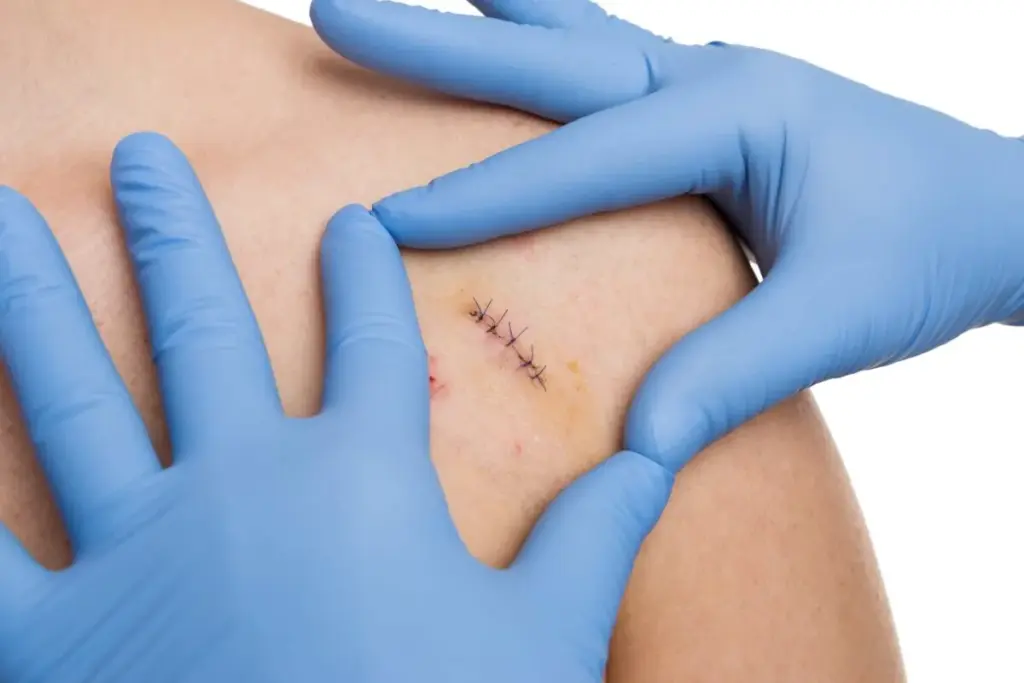
It’s important to spot a surgical incision infection early. After surgery, your body is more open to germs. This can lead to serious problems.
Worried yoursurgical incision is infected? Learn the key symptoms and how to get the proper antibiotic care.
We know how vital it is to teach patients and watch their wounds closely. Look out for signs like unusual discharge, redness, fever, or more pain. About 2-5 percent of surgeries with cuts get infected, so staying alert is key.
Key Takeaways
- Watch your surgical site for signs of infection such as unusual discharge or redness.
- Be aware of systemic symptoms like fever or increasing pain.
- Seek medical help right away if you see any infection signs.
- Knowing the post op infection timeline helps spot issues early.
- Teaching patients is essential in preventing and managing surgical site infections.
Understanding Surgical Site Infections
Surgical site infections can make recovery harder. It’s key to know what causes them and their symptoms. Bacteria in the surgical site can lead to infections, slowing healing and causing serious issues.
What Are Surgical Site Infections?
Surgical site infections (SSIs) happen after surgery in the surgery area. They can be skin-only or deeper, affecting organs. The Centers for Disease Control and Prevention say SSIs are a big problem in hospitals.
Prevalence and Risk Factors
SSIs happen more often in some surgeries and with certain patients. Risk factors include:
- Diabetes: It can make healing harder due to blood sugar issues.
- Older age: Older people might heal slower and have more health problems.
- Obesity: It can make surgery and recovery harder, raising infection risk.
- Smoking: It harms wound healing and increases infection risk.
- Weakened immune system: People with weaker immune systems get infections easier.
Typical Timeline for Infection Development
Most SSIs show up within 30 days after surgery. But, infections from implants can take a year or more. Knowing the post-op infection timeline helps watch for infection signs during recovery.
Knowing the risks and timeline helps patients watch their recovery closely. If they see infection signs, they should get medical help fast. Early treatment is key to managing SSIs and helping recovery.
Common Signs of Surgical Incision Infection

It’s important to know the signs of a surgical wound infection. Spotting these early can greatly improve your recovery and outcome.
Abnormal Discharge and Drainage
Abnormal discharge or drainage from the surgical site is a key sign of infection. This can be thick, cloudy, or foul-smelling fluid. Normal drainage is clear or serous; any other type is a concern.
Redness, Warmth, and Swelling
Infection can show as redness, warmth, or swelling around the incision. These signs are the body’s way of fighting infection. If the redness spreads or warmth comes with a fever, get medical help fast.
Pain Changes and Fever
Pain changes or a fever can mean an infection. Some pain is normal after surgery, but changes or increases are not. A fever over 100.4°F (38°C) is a sign of infection.
Watching for these signs and telling your doctor can help treat infections early. If you see any symptoms, don’t wait and get medical help right away.
When to Seek Medical Help for an Infected Surgical Wound
Knowing when to get medical help for an infected surgical wound is key to a quick recovery. After surgery, some discomfort and changes at the incision site are normal. But, some signs mean you might have an infection that needs quick medical care.
Emergency Warning Signs
If you see any of these emergency signs, get medical help right away:
- Severe Bleeding: If your wound bleeds a lot and doesn’t stop with pressure.
- Increasing Pain: If your pain gets worse, even with the pain meds you’re taking.
- Swelling and Redness: If the area around your wound gets more swollen, red, or warm.
- Pus or Discharge: If you see pus or a bad smell from your wound.
- Fever: If you have a fever over 100.4°F (38°C).
Contacting Your Healthcare Provider
If you notice any infection signs or worry about your wound, call your healthcare provider fast. Here’s how to talk to them effectively:
- Be Prepared: Have your meds, contact info, and medical history ready.
- Describe Your Symptoms: Tell them about your symptoms, when they started, and any changes.
- Ask Questions: It’s okay to ask about your symptoms, treatment, or any worries you have.
What to Report About Your Symptoms
When you talk to your healthcare provider, be as detailed as you can. Here’s what to include:
| Symptom | Details to Report |
| Pain | Where it hurts, how bad it is, and what makes it better or worse |
| Discharge or Bleeding | How much, what color, and if it smells bad |
| Fever | How hot you are and for how long |
| Swelling or Redness | How big it is and if it’s changed |
Being informed and proactive helps make sure any issues with your surgical wound are fixed quickly and well.
Treatment Options for Surgical Incision Infections
When a surgical incision gets infected, knowing how to treat it is key. We’ll cover the main ways to handle these infections. This includes medical treatments and wound care methods.
Antibiotic Therapy Approaches
Antibiotics are the main treatment for infected surgical wounds. Antibiotic therapy starts right away when an infection is found. The antibiotic choice might change based on culture and sensitivity tests.
It’s vital to finish all antibiotics as directed. This ensures the infection is completely gone.
The antibiotic type depends on the infection’s severity and the bacteria type. For serious infections, intravenous antibiotics might be needed. Less severe cases might get oral antibiotics.
Wound Care Techniques
Good wound care is key for healing and preventing more infections. This includes cleaning with saline, applying topical antibiotics, and dressing the wound. This protects it from more irritation or contamination.
For some, extra techniques like negative pressure wound therapy or hyperbaric oxygen therapy might be used. These help create a better healing environment.
Follow-up Care Requirements
Follow-up care is essential to make sure the infection is gone and the wound is healing right. Regular visits to your healthcare provider are important. They help track the wound’s healing and address any issues.
At these visits, your healthcare provider will check the wound’s healing. They might change treatment plans or give more wound care advice. Following these steps is important for the best results.
Conclusion
Keeping an eye on your surgical incision for infection signs is key to a smooth recovery. We’ve talked about common signs like abnormal discharge, redness, warmth, swelling, and changes in pain or fever. Knowing these signs helps you get medical help quickly, which is important to avoid bigger problems.
Surgical site infections can cause big health and financial issues, as the CDC’s NHSN guidelines show. Quick treatment, like antibiotics and proper wound care, can help manage these infections. It’s also important to follow your doctor’s advice on wound care and keep up with follow-up appointments for a good recovery.
By knowing the risks and watching your incision closely, you can lower the chance of infection. This leads to a healthier outcome. If you see any odd symptoms, reach out to your healthcare provider right away.
FAQ
What are the common signs of a surgical incision infection?
Look out for abnormal discharge, redness, warmth, and swelling. Also, watch for changes in pain and fever. If you see these signs, call your healthcare provider right away.
How long after surgery can you get an infection?
Infections can happen a few days to weeks after surgery. It’s important to watch your incision site closely during this time.
What antibiotics are used to treat infected surgical wounds?
The antibiotic choice depends on the infection’s severity and type. Your doctor will pick the right one for you.
How do I know if my surgical staples or stitches are infected?
Look for redness, swelling, more pain, or discharge around staples or stitches. If you see these, get medical help fast.
What is the treatment for wound blisters after surgery?
For blisters, clean the area well and follow your doctor’s advice. They might suggest topical treatments.
Can an infected belly button incision be treated with antibiotics?
Yes, antibiotics can treat belly button infections. But, your doctor will decide based on the infection’s severity.
When should I seek immediate medical help for an infected surgical wound?
Get help right away for severe symptoms like high fever, more redness or swelling, or pus or bad smell from the wound.
How can I prevent infection in my surgical scar?
Keep the area clean, follow your doctor’s post-op care, and watch for infection signs.
What is the role of follow-up care in managing surgical site infections?
Follow-up care helps track healing, adjust treatments, and make sure the infection is gone.
Reference
National Center for Biotechnology Information. Evidence-Based Medical Guidance. Retrieved from https://pmc.ncbi.nlm.nih.gov/articles/PMC12229807/