

It’s important to understand how to test for leukemia early. This is key for treatment to work well. But, it’s best to get tested in a clinical setting, not at home.
Blood tests are a first step in finding leukemia. While doctors perform these tests in a clinical setting, understanding how to test for leukemia at home can help you monitor symptoms and decide when to seek professional medical care.
Liv Hospital is great for leukemia screening. They have skilled doctors who use tests like blood tests and bone marrow biopsies. This helps find out if you have leukemia and what type it is.
Key Takeaways
- Leukemia testing involves various medical procedures.
- Blood tests are a first step in diagnosing leukemia.
- Clinical and laboratory settings are needed for accurate diagnosis.
- Liv Hospital’s expertise is key for accurate leukemia screening.
- Early detection is vital for effective treatment.
Understanding Leukemia and the Importance of Proper Testing
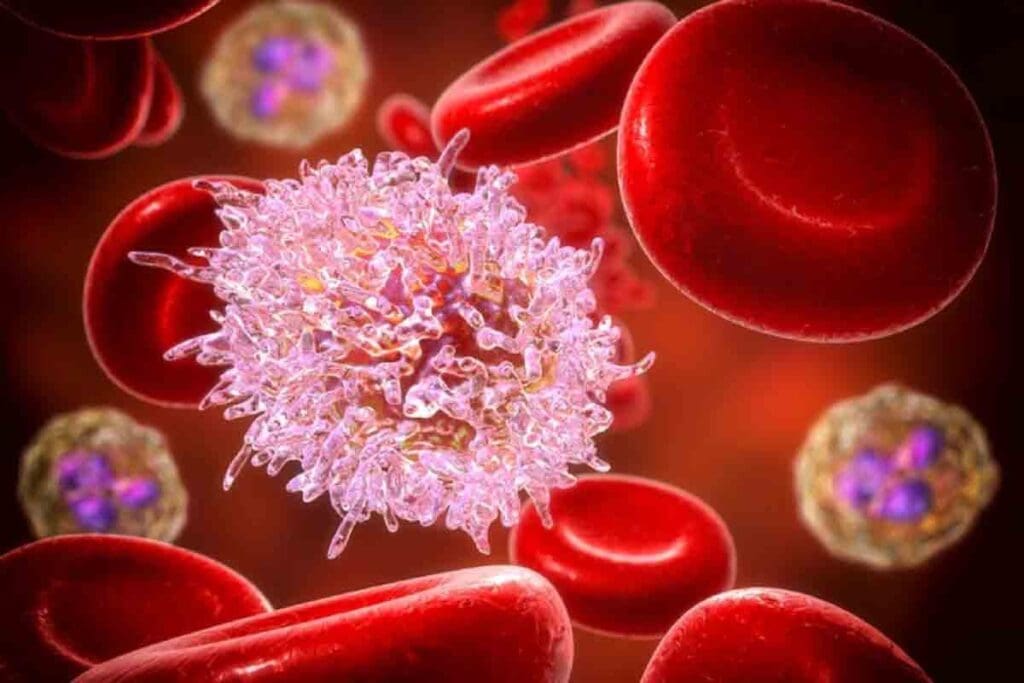
It’s key to understand leukemia to see why testing and early detection matter. Leukemia is a blood cancer that affects the bone marrow and blood cells. Knowing about it helps us act fast.
What is Leukemia and Who is at Risk
Leukemia causes the body to make too many bad white blood cells. This weakens the immune system. Some people are more at risk, like those with a family history or exposure to chemicals like benzene. Knowing your risk helps catch it early.
Why Early Detection Matters
Finding leukemia early can make a big difference. Doctors say early treatment can really help patients live longer. Spotting the signs and symptoms is the first step to getting help.
Common Symptoms That May Warrant Testing
Signs of leukemia include feeling very tired, losing weight, and getting sick a lot. If you notice these, see a doctor right away. Online quizzes can help, but they’re not a replacement for a doctor’s check-up. Only a doctor can give a proper diagnosis.
In short, knowing about leukemia and its risks is important. Recognizing the need for early detection can lead to better treatment and outcomes.
How to Test for Leukemia at Home: Limitations and Realities

Testing for leukemia at home might sound good, but it’s not reliable. There are no good at-home tests for this disease. This shows why seeing a doctor is key.
Why At-Home Testing is Not Currently Reliable
Leukemia at-home tests don’t have scientific support. They can give wrong results. These tests can’t find the special signs or genetic changes of leukemia.
Getting a true diagnosis needs a full check-up, like a doctor’s exam and lab tests. Watching for symptoms can lead to seeing a doctor, but it’s not a real diagnosis.
Self-Monitoring vs. Clinical Diagnosis
Self-monitoring means watching for body changes like tiredness, losing weight, or easy bruising. It can make you go to the doctor. But, only a doctor can give a sure diagnosis.
| Aspect | Self-Monitoring | Clinical Diagnosis |
| Method | Observing personal symptoms | Comprehensive medical evaluation |
| Accuracy | Limited | High |
| Outcome | May prompt medical visit | Definitive diagnosis |
Warning Signs That Require Immediate Medical Attention
Some symptoms need you to see a doctor right away. These include feeling very tired, bleeding a lot, or getting sick a lot. If you keep feeling these things, you should go to the doctor.
Seeing a doctor fast is very important if you have these signs. Finding and treating leukemia early can really help your health.
Initial Screening: First Steps in Leukemia Detection
Leukemia detection begins with a detailed initial screening. This helps doctors decide what to do next. It’s key for finding people at risk and making sure they get the right care.
When to Consult a Healthcare Provider
If you’re feeling tired, losing weight, or getting sick a lot, see a doctor. They’ll check your health and see if you need more tests.
Physical Examination Process
A physical exam is a big part of the first check-up. Doctors look for signs like swollen lymph nodes, enlarged liver or spleen, and pale skin. These can mean there’s a health problem.
Medical History Assessment
Looking at your medical history is also important. Doctors will check your past health to see if you’re at risk for leukemia.
| Initial Screening Component | Description | Importance |
| Consulting a Healthcare Provider | Discussing symptoms and health concerns with a healthcare professional. | High |
| Physical Examination | Checking for physical signs of illness, such as swollen lymph nodes. | High |
| Medical History Assessment | Reviewing past medical history to identify risk factors. | High |
Primary Clinical Methods: How Do You Check for Leukemia
Checking for leukemia involves important clinical steps. These steps help doctors find the disease correctly. When someone shows signs of leukemia, doctors start a series of tests.
Complete Blood Count (CBC) Testing
A Complete Blood Count (CBC) is a key test for leukemia. It checks the levels of blood cells like red and white blood cells, and platelets. If these levels are off, it could mean leukemia, like a high white blood cell count.
Peripheral Blood Smear Analysis
Doctors also do a peripheral blood smear analysis. They look at a blood sample under a microscope for abnormal cells. This test helps spot leukemia cells and learn about them.
Understanding Your Blood Test Results
It’s important to understand your blood test results. A doctor will look at the CBC and blood smear results. If they think you might have leukemia, they’ll suggest more tests to confirm it.
Some tests, like those using AI, are very accurate in finding leukemia. They can be right over 90% of the time. This shows how important using the latest tools is in finding the disease.
Advanced Diagnostic Procedures for Leukemia
Healthcare providers use advanced tests to diagnose and manage leukemia. These tests help understand the leukemia’s specific traits. This knowledge guides treatment choices.
Flow Cytometry Testing
Flow cytometry is a detailed lab test for leukemia cells. It spots specific leukemia types by looking at cell surface proteins. This info is key for treatment planning and prognosis.
Cytogenetic Analysis
Cytogenetic analysis looks at leukemia cells’ genetic makeup. It finds genetic changes that show the leukemia’s nature and how aggressive it might be. This info helps predict treatment success.
| Cytogenetic Abnormality | Implication in Leukemia |
| Chromosomal translocation | May indicate a specific subtype of leukemia |
| Deletion or loss of genetic material | Can affect prognosis and treatment response |
Molecular Testing Approaches
Molecular tests like PCR and next-generation sequencing reveal leukemia’s genetic mutations. They find specific mutations for targeted therapies. This offers personalized treatment options.
“The integration of molecular diagnostics into clinical practice has revolutionized the management of leukemia, enabling targeted therapies and improving patient outcomes.”
In summary, tests like flow cytometry, cytogenetic analysis, and molecular testing are vital for leukemia diagnosis and management. They give vital info for customizing treatments to each patient’s needs.
Bone Marrow Biopsy: The Gold Standard in How to Be Tested for Leukemia
A bone marrow biopsy is the top way to find out if you have leukemia. It takes a sample from the hipbone or big bones. This helps doctors know if you have leukemia and what kind it is.
What to Expect During a Bone Marrow Biopsy
Before the biopsy, you’ll get a shot to numb the area. A needle is then used to take out some bone marrow. It’s quick, but you might feel some pressure or pain.
Pain Management and Recovery
After the biopsy, you might feel pain or discomfort. You can take over-the-counter pain meds to help. Resting and using ice can also ease the pain. You should be back to normal in a day or two.
Interpreting Bone Marrow Results
The bone marrow sample goes to a lab for testing. The results show if you have leukemia and what type. This info helps doctors plan your treatment. You’ll usually get the results in a few days to a week.
| Result | Indication | Next Steps |
| Presence of leukemia cells | Leukemia diagnosis confirmed | Begin treatment planning |
| No leukemia cells | Leukemia diagnosis ruled out | Investigate other causes of symptoms |
| Abnormal cells present | Potential for leukemia or other bone marrow disorders | Further testing or monitoring |
Leukemia Testing Accuracy and Reliability
Knowing how accurate leukemia tests are is key to better patient care. These tests help doctors diagnose, plan treatments, and track how the disease changes over time.
Understanding Test Sensitivity and Specificity
Test sensitivity and specificity are key to a test’s accuracy. Sensitivity means a test can find most people with leukemia. Specificity means it can also find most people without it. A good test catches most cases and avoids false positives.
For example, the Complete Blood Count (CBC) test is often used first. Its accuracy can vary based on the lab’s methods.
Factors Affecting Test Results
Many things can affect how accurate leukemia tests are. These include the quality of the sample, the lab’s skill, and the test method. New lab techniques and AI can make tests more accurate, sometimes over 90%.
When Additional Testing May Be Needed
Sometimes, more tests are needed to confirm a diagnosis or check how well treatment is working. This might include more blood tests, bone marrow biopsies, or imaging. Doctors decide based on the first test results, symptoms, and their own judgment.
| Test Type | Sensitivity | Specificity |
| CBC | 80-90% | 70-80% |
| Flow Cytometry | 90-95% | 85-90% |
| Molecular Testing | 95-99% | 90-95% |
The table shows how different tests vary in sensitivity and specificity. Knowing these values helps doctors understand test results better.
The Role of Imaging in Leukemia Diagnosis
Advanced imaging techniques are key for accurately diagnosing and staging leukemia. These tests work with blood tests to see how far the leukemia has spread and if there are any complications.
X-rays, CT Scans, and MRIs
Many imaging methods are important in diagnosing leukemia. X-rays help check for bone issues. CT scans give detailed views of the body’s inside, spotting enlarged spleens or lymph nodes. MRIs show high-resolution images, helping find leukemia in the brain or other areas.
PET Scans for Leukemia Assessment
PET scans are great for seeing how active leukemia cells are. They check how much glucose cells take up. This helps find active leukemia and see how well treatment is working.
How Imaging Complements Blood Testing
Imaging tests add to what blood tests show. Blood tests find abnormal cells, but imaging tests show how widespread the disease is. They also show how it affects different organs.
| Imaging Test | Use in Leukemia Diagnosis |
| X-rays | Checking for bone abnormalities |
| CT Scans | Identifying organ enlargement or lymph node involvement |
| MRIs | Detecting leukemia in the central nervous system or other areas |
| PET Scans | Evaluating metabolic activity of leukemia cells |
Online Resources and Quizzes: Understanding the Limitations
Online quizzes and resources are getting more popular for checking health issues, like leukemia. They can help raise awareness and give some insights. But, it’s key to know their limits.
Analyzing “Do I Have Leukemia Quiz” and Similar Tools
“Do I have leukemia quiz” and other quizzes aim to teach about leukemia symptoms and risks. Yet, these quizzes are not for diagnosing. They should not be the only thing you rely on for a diagnosis.
How to Use Online Resources Responsibly
To use online resources wisely, remember:
- Online quizzes can’t replace a doctor’s diagnosis.
- Watch out for biased or sponsored content.
- Choose resources from trusted health organizations.
When to Disregard Online Test Results
If online test results don’t match what a doctor says, or if symptoms keep coming back, ignore the online results. See a doctor for a proper diagnosis. They can do tests that give a clearer picture.
| Resource Type | Reliability | Action |
| Online Quizzes | Low | Use for awareness only |
| Clinical Diagnosis | High | Follow for treatment |
Conclusion: Next Steps After Leukemia Testing
After leukemia testing, the next steps depend on the diagnosis and leukemia type. Treatment options include chemotherapy, targeted therapy, or bone marrow transplantation. Liv Hospital offers high-quality care with the latest scientific protocols and strong ethical standards.
It’s important to understand your diagnosis and treatment options. Talking to your healthcare provider about your condition and treatment plan is key. The type and stage of leukemia help decide the best treatment.
Liv Hospital is committed to top-notch medical care. Their team creates a personalized treatment plan for each patient. By getting care from established centers, you can face the process with confidence.
FAQ
How to test for leukemia at home?
There are no reliable at-home tests for leukemia. Self-monitoring can spot symptoms. But, a doctor’s test is needed for a sure diagnosis.
What are the common symptoms that may warrant leukemia testing?
Look out for fatigue, weight loss, and often getting sick. If you notice these, get tested early for a quick treatment.
How do you check for leukemia?
Doctors use a complete blood count (CBC) and a blood smear. The CBC checks blood cell levels to spot leukemia.
What is the gold standard for diagnosing leukemia?
A bone marrow biopsy is the top way to find leukemia. It takes a bone marrow sample from your hipbone.
How accurate are leukemia tests?
Tests’ accuracy depends on their sensitivity and specificity. The quality of the sample and lab methods also play a part.
Can online quizzes diagnose leukemia?
No, online quizzes like “do I have leukemia quiz” can’t replace a doctor’s diagnosis. They should be used with care.
What is the role of imaging in leukemia diagnosis?
Imaging like X-rays and CT scans help doctors see how far leukemia has spread. They check for any other issues too.
How to test for blood cancer?
Testing for blood cancer, like leukemia, includes blood tests and bone marrow biopsies. These help find and type the cancer.
Is there a leukemia screening test?
There’s no single “leukemia screening test.” First, see a doctor for a check-up and blood tests. More tests might follow.
How do you test for leukemia cancer?
Testing for leukemia cancer uses a doctor’s check-up, blood tests, bone marrow biopsy, and imaging. These steps help diagnose and track the disease.
References
- Rajpurkar, M., & Neufeld, E. J. (2021). Leukemia Evaluation and Diagnosis. StatPearls [Internet]. National Center for Biotechnology Information.
https://www.ncbi.nlm.nih.gov/books/NBK563176