

Diagnosing leukemia in children starts with knowing the first signs and risk factors. At Liv Hospital, we stress the need for early detection and detailed medical checks. Learn how to test for leukemia in kids with this step-by-step guide to diagnosis and early detection.
A complete blood count (CBC) is often the first test done. It shows if there are abnormal blood cell levels. This test is key because it gives early clues about leukemia.
Parents need to understand CBC results and what comes next. We help you through the leukemia testing steps. This way, you’ll know what to expect during the diagnostic process.
Key Takeaways
- Early detection of leukemia improves outcomes in children.
- A CBC is the first step in diagnosing leukemia.
- Abnormal CBC results may indicate the presence of leukemia.
- Further tests, such as bone marrow aspiration, are necessary for a definitive diagnosis.
- Liv Hospital is committed to providing high-quality, patient-centered care.
Understanding Childhood Leukemia: What Parents Need to Know
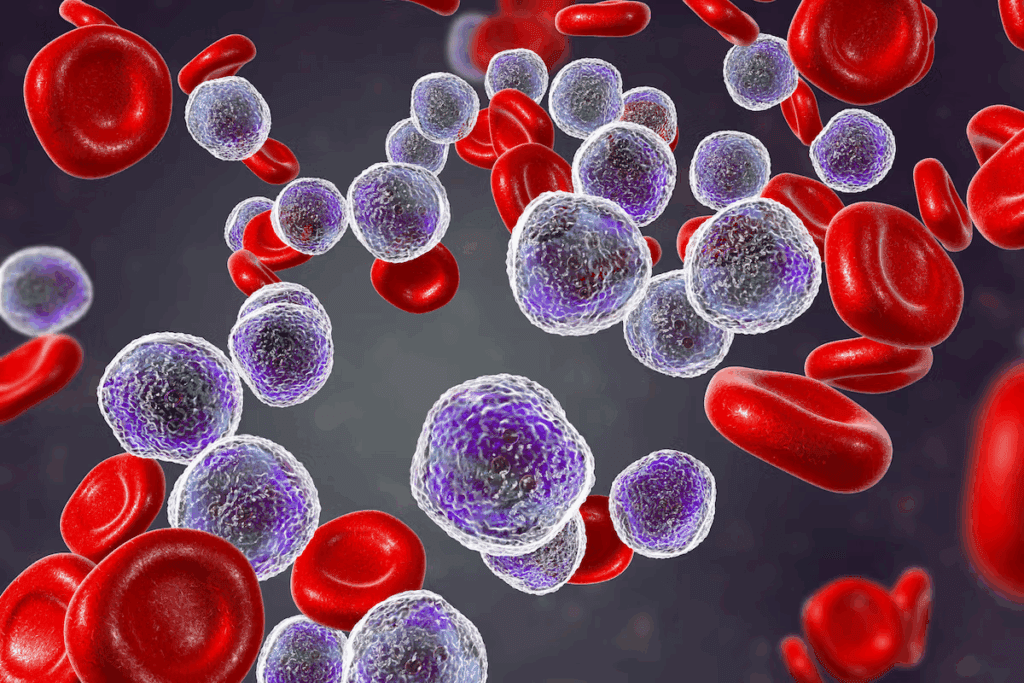
Childhood leukemia is rare but serious. Parents should know about its types, risk factors, and the need for early detection. Knowing the basics helps spot signs early and get the right medical care.
Types of Childhood Leukemia
Childhood leukemia comes in several types, but Acute Lymphoblastic Leukemia (ALL) is the most common. It makes up about 75-80% of cases. Other types, like Acute Myeloid Leukemia (AML) and Chronic Myeloid Leukemia (CML), are less common in kids.
- Acute Lymphoblastic Leukemia (ALL): The most common type, characterized by the rapid production of immature lymphocytes.
- Acute Myeloid Leukemia (AML): A type that progresses quickly if not treated, involving the rapid growth of abnormal cells that accumulate in the bone marrow.
- Chronic Myeloid Leukemia (CML): A rarer type in children, characterized by the gradual growth of abnormal cells.
Risk Factors and Prevalence
Childhood ALL is the most common childhood cancer, making up 25% of all cases. Risk factors include genetic conditions like Down syndrome and radiation exposure. Knowing these can help spot and manage the disease early.
| Risk Factor | Description |
| Genetic Conditions | Conditions like Down syndrome increase the risk of developing leukemia. |
| Radiation Exposure | Exposure to high levels of radiation can increase the risk of leukemia. |
Why Early Detection Matters
Spotting leukemia early is key to effective treatment. Recognizing symptoms like unusual bruising, fever patterns, or persistent fatigue can greatly improve chances of recovery. A blood test can often show leukemia signs, but more tests are needed to confirm.
Even if a blood test looks normal, it doesn’t mean leukemia is ruled out. We’ll dive deeper into diagnosis in later sections.
Recognizing Warning Signs That Warrant Testing
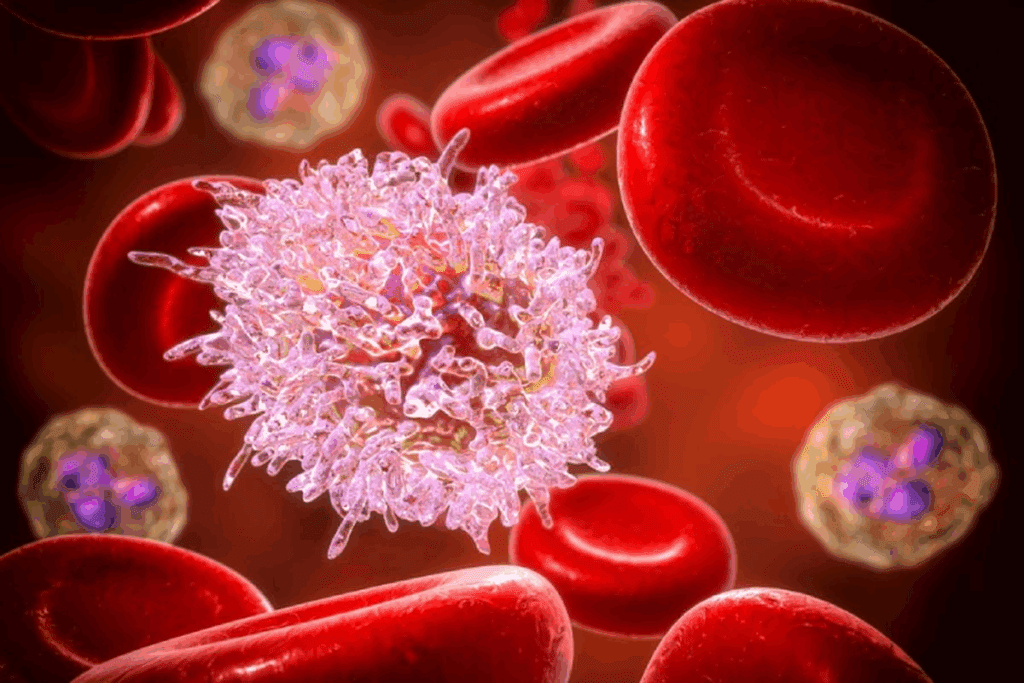
Spotting leukemia early in kids is key. Knowing the signs helps you act fast if something seems off. This can lead to quicker medical help.
Common Symptoms of Leukemia in Children
Leukemia in kids shows up in different ways. Look out for fever, bruises, tiredness, and bone pain. These signs might mean many things, but seeing a doctor is important if they keep happening.
Kids with leukemia might also have pale skin, lose their appetite, and lose weight. They might also have swollen lymph nodes, spleen, or liver. Bone pain, mainly in the legs, is another red flag.
Leukemia Fever Patterns in Children
Fever is a common leukemia symptom. A fever that keeps coming back and doesn’t get better with usual treatments might be leukemia. It can also come with night sweats or chills.
Watching the fever pattern is key. Talk to your pediatrician if the fever keeps coming back. While fever alone doesn’t mean leukemia, a pattern that doesn’t go away is a big worry.
Unusual Bruising and Bleeding
Kids with leukemia might bruise or bleed easily. This is because they have low platelets. If your child has a lot of nosebleeds, bleeds a lot from small cuts, or gets bruises without reason, see a doctor.
When to Contact Your Pediatrician
If your child’s symptoms don’t go away or get worse, call your pediatrician. Seeing a doctor early can help find and treat leukemia quickly. When you talk to the pediatrician, tell them all about the symptoms. Say when they started and how they’ve changed.
It’s okay to worry about leukemia, but acting fast can help a lot. If you’re worried about your child’s health, get medical advice right away.
Initial Medical Evaluation Process
A child’s journey towards a leukemia diagnosis starts with an initial medical evaluation. This step is key to understanding their condition.
What to Expect at the First Doctor’s Visit
At the first doctor’s visit, we do a detailed assessment to find any signs of leukemia. The doctor will perform a thorough physical examination and ask questions about the child’s health history and symptoms.
This visit is a chance for parents to share their concerns and observations about their child’s health. We encourage open communication to get all the information we need.
Questions Your Doctor May Ask
The doctor will ask many questions to get detailed information about the child’s symptoms, medical history, and health. They may ask about the child’s diet, recent illnesses, and family history of cancer or other conditions.
Some specific questions might include: “When did you first notice the symptoms?” “Has your child experienced any unusual bruising or bleeding?” and “Has there been any recent weight loss or loss of appetite?”
Physical Examination Components
A thorough physical examination is a key part of the initial evaluation. The doctor will look for signs like pale skin, fatigue, or swollen lymph nodes, which could point to leukemia.
The examination may also check the child’s abdomen for any spleen or liver enlargement. These can be signs of leukemia.
Medical History Considerations
Understanding the child’s medical history is important in assessing leukemia risk. The doctor will review past medical records, including previous illnesses, treatments, and vaccinations.
We also look at any family history of leukemia or other cancers. This can be a big risk factor. By combining the medical history with the physical examination and initial tests, we start to understand the diagnosis.
How to Test for Leukemia in Kids: The Diagnostic Journey
Parents need to know how leukemia is diagnosed in kids. The process starts with screening tests and might include more detailed tests later.
Step-by-Step Testing Process
The first step is a Complete Blood Count (CBC). This test checks the blood for different types of cells. If the CBC shows something off, it could mean leukemia. If the CBC shows problems, more tests are needed. These might include:
- Bone Marrow Aspiration and Biopsy: This takes a bone marrow sample for checking.
- Lumbar Puncture (Spinal Tap): It collects cerebrospinal fluid to look for leukemia cells.
Preparing Your Child for Medical Tests
Getting your child ready for tests can make them feel less scared. Explain the tests in simple terms. Tell them it’s to help them get better.
Managing Test Anxiety in Children
It’s key to help your child not get too stressed about tests. Deep breathing, imagining good outcomes, and positive words can help. Having a loved one there can also offer comfort.
Knowing about the testing process and being ready can help your child through this tough time.
Complete Blood Count (CBC): The First Line of Testing
The journey to diagnose childhood leukemia often begins with a Complete Blood Count (CBC) test. This blood test checks the levels of different blood cells. It gives insights into health conditions, including leukemia.
A CBC is a key tool for checking a child’s health. It helps find disorders like infections, anemia, and leukemia. By looking at blood components, a CBC can spot signs of leukemia.
What a CBC Measures
A CBC looks at several important parts of the blood, including:
- White Blood Cell (WBC) count: Leukemia can cause abnormal WBC levels.
- Red Blood Cell (RBC) count: It can detect anemia or other RBC issues.
- Platelet count: Low platelets might point to leukemia.
- Hemoglobin levels: Abnormal hemoglobin levels can signal health problems.
Healthcare providers use these measurements to spot leukemia signs.
What Does Leukemia Look Like on a CBC?
Leukemia can show up on a CBC in different ways, such as:
- Abnormal WBC counts: Either too high or too low.
- Presence of blasts: Immature cells are not usually in the blood.
- Anemia: Low RBC count or hemoglobin levels.
- Thrombocytopenia: Low platelet count.
These signs might suggest leukemia, but more tests are needed to be sure.
Limitations of CBC Testing
While a CBC is helpful, it has its limits. A normal CBC doesn’t mean leukemia is ruled out. Some cases might not show up on a CBC at first.
Also, abnormal CBC results don’t always mean leukemia. Other conditions can cause similar changes. So, if a CBC hints at leukemia, more tests are needed to confirm it. These might include bone marrow aspiration, lumbar puncture, and other tests.
Beyond Blood Tests: Confirmatory Diagnostic Procedures
To confirm leukemia, doctors use more than just a Complete Blood Count. While the CBC gives hints, more tests are needed to know the type of leukemia.
Bone Marrow Aspiration and Biopsy
Bone marrow tests are key to diagnosing leukemia. These tests take a sample of bone marrow for study. Bone marrow aspiration sucks out liquid marrow, and a biopsy takes a bone piece.
These steps help find out the leukemia type and how far it has spread. It’s a vital step in diagnosing leukemia and figuring out treatment.
| Procedure | Description | Purpose |
| Bone Marrow Aspiration | Suctioning out liquid bone marrow | Examining leukemia cells |
| Bone Marrow Biopsy | Removing a small piece of bone tissue | Assessing disease extent |
Lumbar Puncture (Spinal Tap)
A lumbar puncture checks if leukemia has reached the cerebrospinal fluid (CSF). It involves a needle in the lower back to get CSF.
This test is important to see if leukemia has reached the brain, which affects treatment.
Imaging Studies
Imaging, like X-rays, CT scans, MRI, or PET scans, checks for leukemia spread. They look for any organ changes or growths.
Genetic and Molecular Testing
Genetic and molecular tests find specific leukemia cell changes. They help predict how the disease will progress and guide treatment.
Tests like fluorescence in situ hybridization (FISH) and polymerase chain reaction (PCR) are used. They spot genetic changes that affect treatment options.
By combining these tests, doctors can accurately diagnose leukemia. They can then plan a treatment that works best.
Interpreting Leukemia Test Results
Understanding leukemia test results is key to knowing if your child has it and what type. When your child gets tested for leukemia, the results can be hard to grasp and worry you. We’re here to help you understand these results.
Understanding Blood Work Results
Blood tests are often the first step in finding out if someone has leukemia. A Complete Blood Count (CBC) is a main test. It checks the blood for white, red cells, and platelets. If the results are off, it might mean leukemia.
A CBC might show too many or too few white blood cells. Leukemia often means too many white cells because of abnormal cells. But some types can mean fewer normal cells.
Does a Normal Blood Test Rule Out Leukemia?
A normal blood test doesn’t always mean no leukemia. Some leukemias, early on, might not change blood counts much. So, if symptoms keep coming back, more tests like a bone marrow biopsy might be needed to be sure.
How Specialists Confirm a Diagnosis
Doctors use many tests to be sure about leukemia. After blood tests, a bone marrow aspiration and biopsy are done. This looks at the bone marrow for cancer cells. It’s a direct way to see where leukemia starts.
| Diagnostic Test | Purpose |
| Complete Blood Count (CBC) | Measures blood components, including white and red blood cells and platelets. |
| Bone Marrow Aspiration and Biopsy | Examines bone marrow for cancerous cells. |
| Lumbar Puncture (Spinal Tap) | Checks for leukemia cells in the cerebrospinal fluid. |
Timeframe for Receiving Results
How long it takes to get leukemia test results varies. CBC results are usually ready in a day or two. But bone marrow biopsy results can take a week or more. Your doctor will tell you when to expect them.
Getting and understanding leukemia test results is a big part of the journey. Knowing what to expect and how to understand the results helps support your child.
Multidisciplinary Approach to Pediatric Leukemia Care
A team of experts is key for kids with leukemia. They work together from start to finish. This ensures the child gets all the care they need.
The Team of Specialists Involved
Many healthcare professionals are needed for leukemia care. Pediatric oncologists and hematologists are at the forefront. They are aided by pediatric nurses who care for the child and family.
Other important team members include:
- Radiation oncologists: For radiation therapy.
- Surgeons: For procedures like bone marrow biopsies.
- Nutritionists: To manage the child’s diet during treatment.
- Psychologists: For emotional support.
A leading pediatric oncologist says, “Leukemia treatment needs a team effort. This ensures all care aspects are covered.”
“The care of children with leukemia is a paradigm of multidisciplinary care, requiring the expertise of numerous specialists working in harmony.”
Academic Protocols and Treatment Planning
Leukemia treatment plans follow established academic guidelines. These are based on the latest research and trials. This ensures kids get the best treatments available.
| Treatment Component | Description |
| Chemotherapy | The main treatment for leukemia, using drugs to kill cancer cells. |
| Targeted Therapy | Treatments that target specific leukemia cell traits. |
| Supportive Care | Care for managing treatment side effects. |
Personalized Medicine Based on Test Results
Genetic and molecular tests are making leukemia treatment more personalized. These tests help tailor treatment plans to each child’s leukemia.
By combining the skills of many specialists and using the latest technology, we can give kids with leukemia the best chance of success.
Conclusion: Supporting Your Child Through Diagnosis and Beyond
Diagnosing and treating leukemia in children is a complex journey. It needs full support and understanding. We’ve talked about how to test for leukemia in kids, starting with a Complete Blood Count (CBC) test.
This test is often the first step. But it’s key to follow up with more tests to confirm a diagnosis. This is because a CBC can show signs that might suggest leukemia.
When a child is diagnosed with leukemia, the journey ahead is tough. Families face not just the medical side but also the emotional and psychological impacts. At Liv Hospital, we aim to offer top-notch care and support for young patients and their families.
It’s important to understand leukemia CBC results for children. Knowing if leukemia can be detected through a blood test is also key. This knowledge helps families on their journey.
Supporting your child through diagnosis, treatment, and beyond needs a wide approach. It’s not just about medical treatment but also emotional support and guidance. Being informed and having the right medical care helps families face the challenges of leukemia diagnosis and treatment.
FAQ
How to test for leukemia in kids?
To find leukemia in kids, doctors start with a blood test called a CBC. This test checks the levels of different blood cells. If the CBC shows something off, more tests like bone marrow checks might be needed to confirm the diagnosis.
Does leukemia show on a blood test?
Yes, a blood test can hint at leukemia. A CBC can show abnormal blood cell counts. But, more tests like bone marrow aspiration are needed to be sure.
What does leukemia look like on a CBC?
Leukemia might show up on a CBC if there are odd counts of blood cells. For example, too many or too few white blood cells, or low red or platelet counts. These signs can point to leukemia.
Can a normal blood test rule out leukemia?
No, a normal blood test doesn’t mean you’re clear of leukemia. Some kids with leukemia might have normal CBC results, even in the early stages. If symptoms keep coming back, more tests are needed.
What are the common symptoms of leukemia in children?
Kids with leukemia might have a fever that won’t go away, unusual bruises or bleeding, tiredness, bone pain, and swollen lymph nodes. If your child shows these signs, see a pediatrician right away.
How is leukemia diagnosed?
Diagnosing leukemia involves several tests. First, a CBC is done. Then, bone marrow tests are done to confirm the diagnosis. Other tests might be needed to plan treatment.
What is the role of bone marrow aspiration in diagnosing leukemia?
Bone marrow aspiration is key in diagnosing leukemia. It removes bone marrow for a closer look. This helps confirm the diagnosis and figure out the leukemia type.
How long does it take to receive leukemia test results?
Test result times vary. CBC results are usually ready in a day or two. But bone marrow tests might take a week or more, depending on the test’s complexity.
What does leukemia blood work look like?
Leukemia blood work might show odd blood cell counts on a CBC. This could be a high white blood cell count, low red blood cells, or low platelets. Only a specialist can really understand these results.
Is leukemia treatable in children?
Yes, leukemia can be treated in kids, and treatment has gotten better. Treatment plans are made just for each child, based on the leukemia type, test results, and overall health.
References
- Devidas, M., et al. (2018). Revisiting the complete blood count and clinical findings at diagnosis of acute lymphoblastic leukemia in children. Hematology, Transfusion and Cell Therapy, 40(3), 211-216.https://pmc.ncbi.nlm.nih.gov/articles/PMC6371227/



 Departments
 Related Videos
 Our Doctors
 News
News