

Dealing with loose or crepey skin on your inner thighs can be really tough. It can make you feel less confident, whether you’re wearing shorts or swimwear. Many people struggle with this issue because of aging, weight changes, and genetics. These factors can cause less collagen and elastin in your skin.
At Liv Hospital, we get how important it is to feel good in your own skin. That’s why we offer many ways to tackle saggy inner thigh skin. You can try at-home methods, minimally invasive treatments, or even surgery. For more details, check out idealfaceandbody.com to see how you can firm up your thighs.
Key Takeaways
- Understand the causes of loose skin on inner thighs, including aging and weight fluctuations.
- Explore at-home treatments such as hydration, diet, and massage to support skin elasticity.
- Learn about non-invasive therapies like Radio Frequency (RF) and Ultrasound therapy.
- Discover minimally invasive options such as Precision Liposuction.
- Consider surgical solutions like Thigh Lift for more extensive sagging.
Understanding Why Inner Thigh Skin Sags
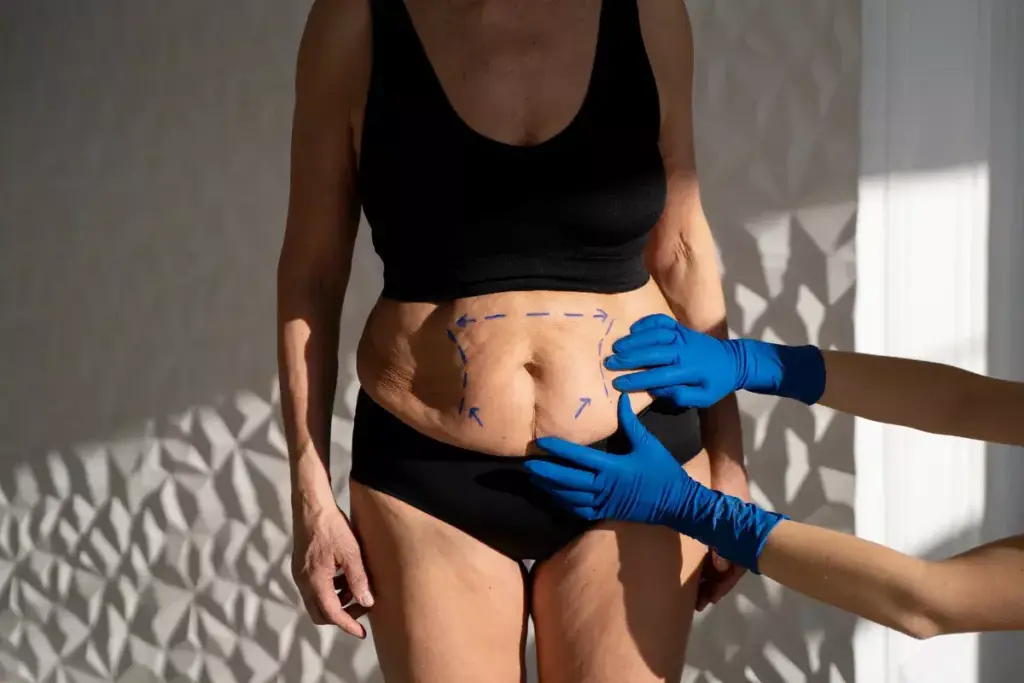
The skin on our inner thighs can sag for many reasons. These include aging, losing a lot of weight, and genetics. Knowing why it happens helps us find the best ways to fix it.
Age-Related Changes and Collagen Loss
As we get older, our skin changes a lot. The production of collagen and elastin drops, making our skin less strong and elastic. Losing hyaluronic acid also makes our skin drier and looser. This is why the inner thighs often sag as we age.
Weight Loss and Its Effects on Skin Elasticity
When we lose a lot of weight, our inner thighs can sag. Our skin stretches when we gain weight. If we gain a lot or for a long time, it can lose its elasticity. This makes our thighs look flabby and saggy. For tips on tightening loose skin after losing weight, check out our guide on how to tighten loose skin on inner thighs.
Genetic Factors and Predisposition
Our genes also affect how our skin ages and sags. Some people are more likely to have loose skin because of their genes. Knowing this helps us pick the right treatments.
| Factor | Description | Effect on Inner Thigh Skin |
| Age-Related Changes | Decrease in collagen, elastin, and hyaluronic acid production | Skin laxity and sagging |
| Weight Loss | Loss of skin elasticity due to stretching | Loose and flabby skin |
| Genetic Factors | Predisposition to loose skin | Increased likelihood of sagging |
Effective Inner Thigh Skin Tightening Methods
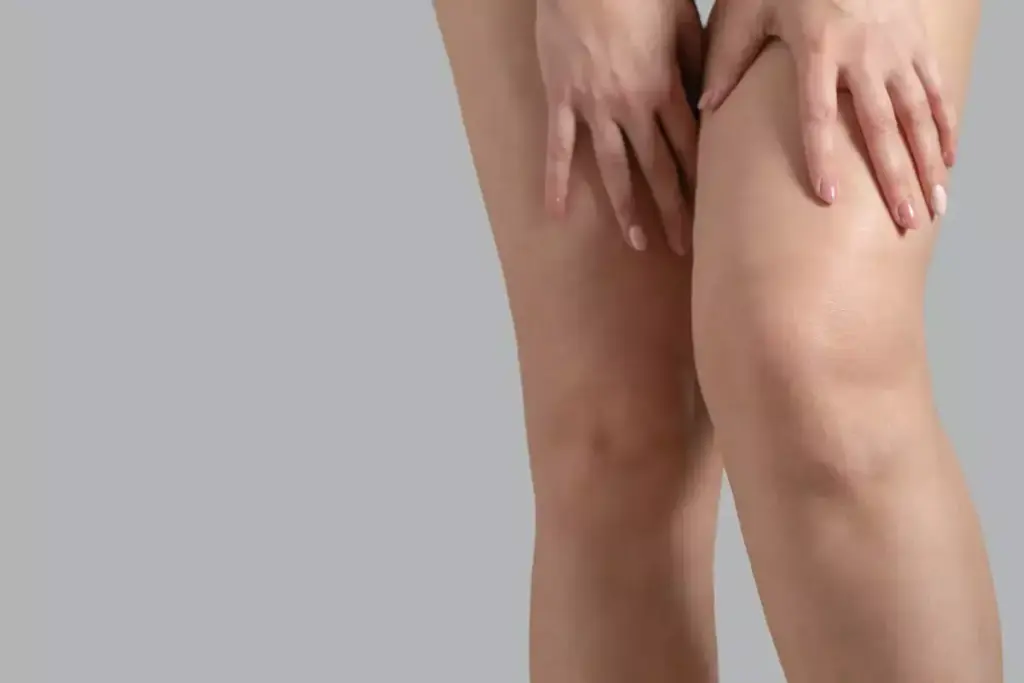
There are many ways to tighten inner thigh skin, from simple exercises to advanced medical procedures. We’ll look at the different methods to help you pick the right one for you.
At-Home Solutions
At-home care is key for tightening inner thigh skin. Regular exercise is important, focusing on thigh workouts like squats and lunges. These help build muscle and improve skin elasticity.
Proper skincare is also essential. Use creams and lotions with antioxidants and moisturizers to enhance skin texture. Eating well and staying hydrated are also important for skin health.
Non-Invasive Professional Treatments
For more noticeable results, non-invasive treatments are a good choice. Laser therapy and radiofrequency treatments are popular. They stimulate collagen production, tightening the skin.
- Laser therapy: Uses laser technology to heat the skin, promoting collagen production.
- Radiofrequency treatments: Employs radiofrequency energy to stimulate collagen and tighten the skin.
These treatments are done in a clinic and have little downtime. They’re great for those with busy lives.
Surgical Options for Severe Cases
For serious skin sagging, surgical options might be needed. Thigh lift surgery removes excess skin and fat, giving a smoother look.
Surgery is more invasive but offers lasting results for severe cases. It’s important to talk to a healthcare expert to decide the best option.
Conclusion
Dealing with saggy skin on inner thighs is key for looking and feeling good. We’ve looked at why this happens, like getting older, losing a lot of weight, and your genes.
Figuring out how to make inner thighs look tighter involves many options. You can try home remedies, non-surgical treatments, or surgery for serious cases. The right choice can make a big difference in how you look.
If you’re dealing with this issue, it’s important to check out the treatment options. Talking to a doctor can help you find the best way to tackle it. This way, you can feel better about how you look and live a happier life.
FAQ:
What causes saggy inner thigh skin?
Saggy inner thigh skin can come from aging, losing a lot of weight, and genetics. These factors can cause less collagen and elastin, leading to loose skin.
Can exercises help tighten inner thigh skin?
Yes, some exercises can make inner thigh skin look better. They strengthen muscles and improve skin elasticity. But, how well they work depends on how bad the sagging is.
What are the benefits of non-invasive treatments for inner thigh skin tightening?
Non-invasive treatments like laser and radiofrequency boost collagen. They make skin better and tighter without surgery. This is safer and easier than surgery.
Are there any at-home skincare routines that can help tighten inner thigh skin?
Yes, a good skincare routine can help. Use moisturizers, exfoliate, and products with antioxidants and retinol. This can make skin tighter and smoother.
How effective are surgical options for tightening loose inner thigh skin?
Surgery, like thigh lifts, works well for big sagging. But, it’s risky and needs careful thought. Always talk to a doctor first.
Can crepey skin on the inner thighs be treated?
Yes, crepey skin can be treated. Use skincare at home, professional treatments, or surgery. The best choice depends on your skin and health.
How can I prevent loose skin on my inner thighs after weight loss?
To avoid loose skin, keep a healthy weight, exercise regularly, and use skincare. Slow weight loss and muscle building also help.
Are there any risks associated with inner thigh skin tightening treatments?
Treatments can have risks like scarring, infection, and skin changes. Always talk to a doctor to know the risks and benefits.
References:
National Center for Biotechnology Information. Evidence-Based Medical Guidance. Retrieved from
https://pubmed.ncbi.nlm.nih.gov/18021861/



 Departments
 Related Videos
 Our Doctors
 News
News