A calcaneofibular ligament strain can really hurt your ankle’s stability and movement. It can make everyday tasks and sports harder. Knowing how to treat a CFL strain is key to avoiding long-term problems.
Ankle sprains, which often hurt the calcaneofibular ligament, are common. They make up a big part of lateral ankle injuries. About 7% to 10% of emergency visits and up to 40% of sports injuries are ankle sprains. It’s important to treat them right to recover well and avoid chronic ankle instability.
The National Center for Biotechnology Information says that treating CFL injuries with care works well. This shows how important it is to use proven treatment methods.
Key Takeaways
- Proper treatment of CFL strain is key to avoiding long-term ankle instability.
- Conservative management is often effective for CFL injuries.
- Early mobilization and rehabilitation can greatly improve recovery.
- Knowing the healing phases of CFL injuries helps guide treatment.
- Rehabilitation programs should be made for each person and injury level.
Understanding Calcaneofibular Ligament Strain
Injuries to the calcaneofibular ligament can really affect how well your ankle works. It’s important to know about its anatomy, how severe sprains are, and what causes these injuries.
Anatomy and Function of the CFL
The calcaneofibular ligament (CFL) is key to the lateral ankle complex. It links the fibula to the calcaneus, helping to keep the ankle stable. The CFL works with other ligaments to keep the ankle stable, mainly against inversion forces.
Grades of CFL Sprains
CFL sprains are graded by how severe they are. Grade 1 is mild, with stretching or micro-tears. Grade 2 is a partial tear, and Grade 3 is a complete tear. Knowing the grade helps decide the right treatment.
Common Causes and Risk Factors
CFL injuries often happen when the ankle rolls inward. Sports that involve running or quick turns increase the risk. Also, past ankle injuries and not wearing proper support or doing rehab can make you more likely to get hurt.
Recognizing Symptoms and Diagnosis
It’s important to know the signs of a CFL injury for the right treatment. A CFL strain shows different symptoms. Doctors use both physical checks and imaging to diagnose it.
Initial Signs and Symptoms
The symptoms of a CFL sprain can differ based on how severe it is. Common signs include:
- Pain on the lateral aspect of the ankle
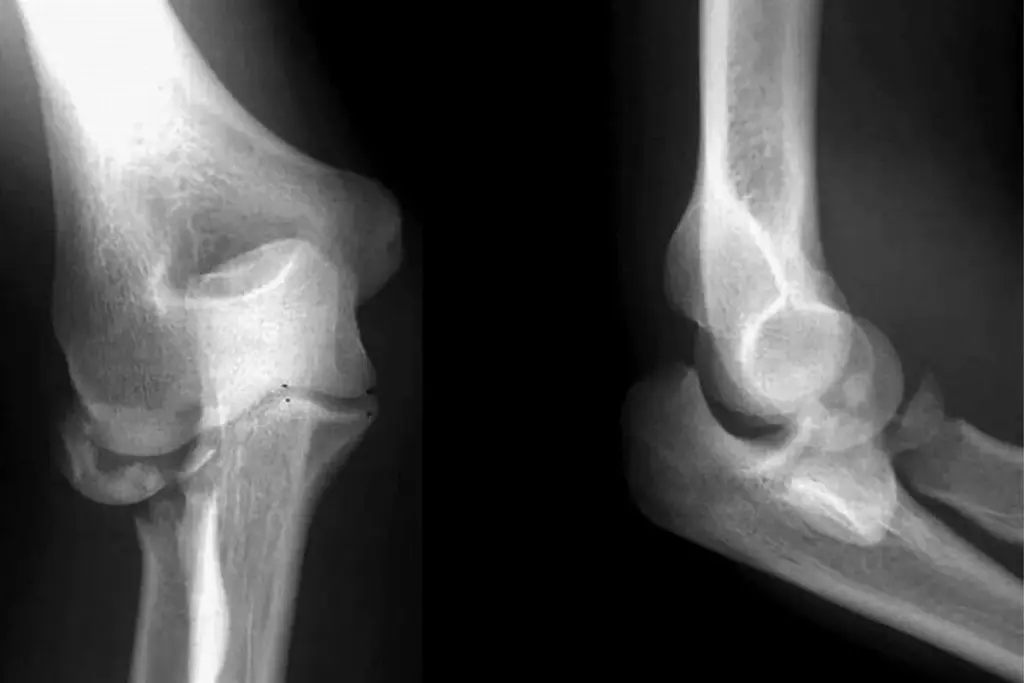
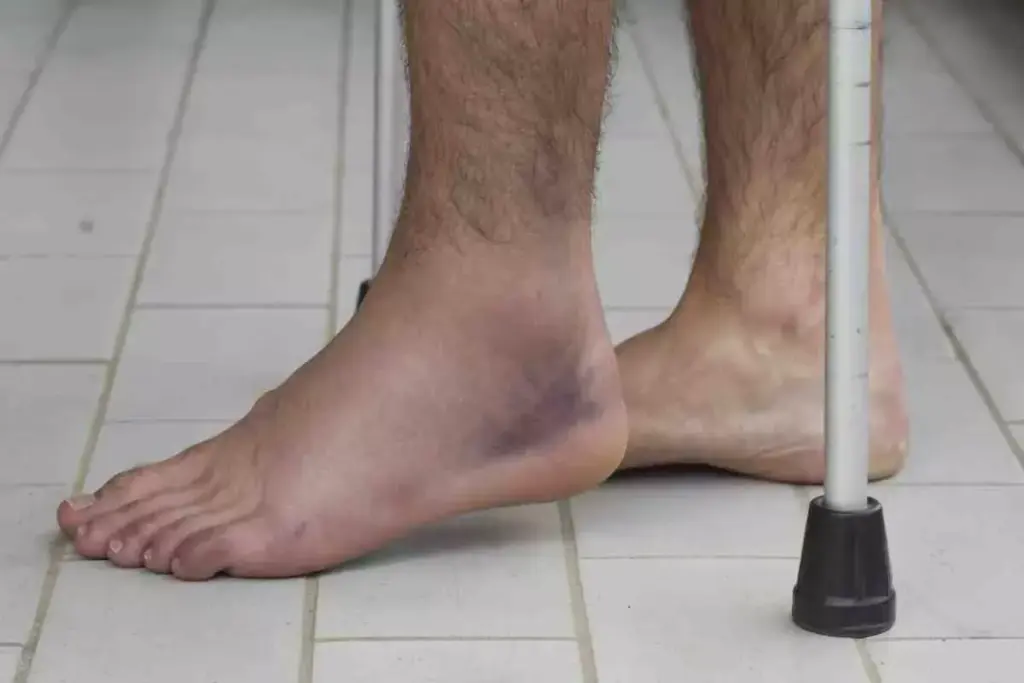
- Swelling and bruising around the ankle
- Instability or feeling of the ankle giving way
- Difficulty bearing weight on the affected ankle
These symptoms can be similar to other ankle injuries. So, a detailed medical check is key.
Medical Evaluation and Imaging
Diagnosing a CFL strain needs a detailed history and physical check. We use tests like the talar tilt test to check the CFL. X-rays and MRI help confirm the diagnosis and rule out other injuries.
The Ottawa ankle rules help decide if an X-ray is needed. An X-ray is suggested if there’s pain in the malleolar zone and any of these: age 55 or older, can’t bear weight right away, or tenderness in certain areas.
Differentiating from Other Ankle Injuries
It’s important to tell a CFL sprain from other ankle injuries for the right treatment. Other conditions that might look similar include:
- Ankle fractures
- Other ligament sprains (e.g., anterior talofibular ligament)
- Tendinopathies
A detailed physical exam and careful imaging help make the right diagnosis. We look at how the injury happened, the symptoms, and the physical exam findings to tell a CFL strain from other ankle problems.
Treatment Options for Calcaneofibular Ligament Strain
A calcaneofibular ligament strain can be treated with a three-phase rehabilitation program. We will guide you through each phase to help you recover.
Phase 1: Managing Inflammation (1-10 days)
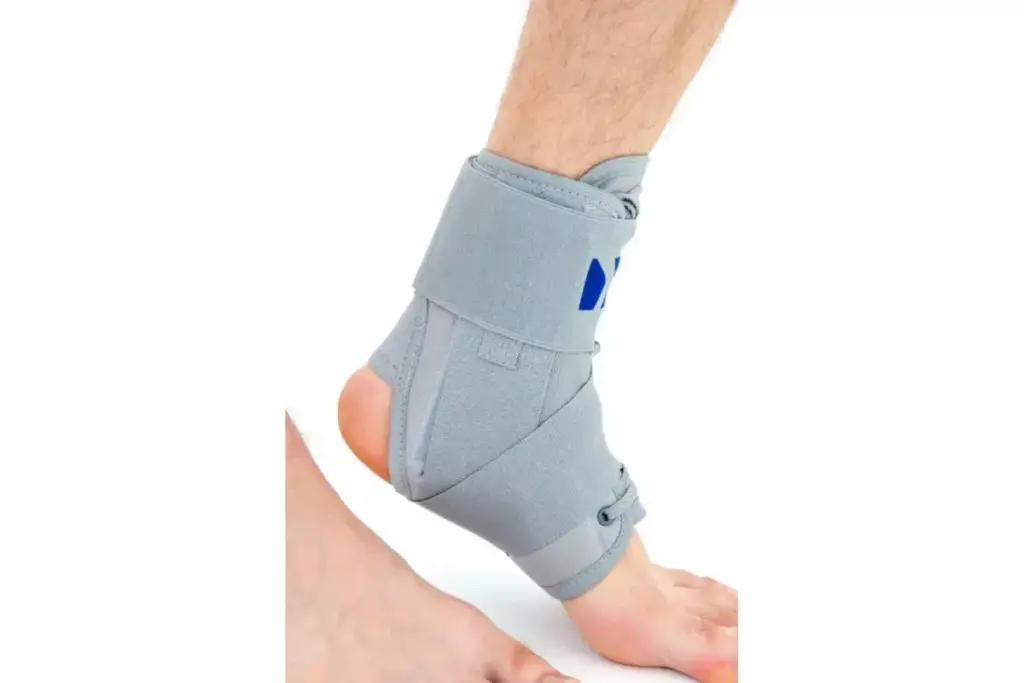
The first phase aims to reduce inflammation and pain. We suggest following the RICE principle: Rest, Ice, Compression, and Elevation. Rest is key to avoid further injury. Ice helps lower pain and swelling. Compression bandages or sleeves reduce swelling, and elevation of the ankle above heart level cuts blood flow.
Managing pain is also important during this phase. We might suggest over-the-counter pain medications. Gentle exercises help keep the ankle moving without stressing the ligament too much.
Phase 2: Repair and Rehabilitation (4-8 weeks)
Once inflammation goes down, we move to the repair and rehabilitation phase. This stage is vital for strengthening and improving ankle function. We suggest a rehabilitation program that includes:
- Range of motion exercises to improve ankle mobility
- Strengthening exercises for the peroneal muscles and other ankle stabilizers
- Balance and proprioception training to enhance neuromuscular control
- Gradual introduction of weight-bearing activities
It’s essential to progress through these exercises gradually to avoid re-injury and ensure proper healing.
Phase 3: Restructuring and Return to Activity (up to 1 year)
The final phase focuses on restructuring the ligament and returning to full activity. This phase can last several months to a year, depending on the injury’s severity. We concentrate on advanced strengthening, agility drills, and sport-specific training.
Functional testing is key in this phase to check if the ankle is ready for sports or strenuous activities. We also teach preventive measures, like proper warm-up and cool-down routines, and ankle taping or bracing.
By following this structured three-phase approach, individuals with a calcaneofibular ligament strain can fully recover and lower the risk of future injuries.
Conclusion
Properly assessing and managing calcaneofibular ligament damage is key to avoiding long-term problems. Understanding the ligament’s role and how to diagnose sprains is vital. This knowledge helps in treating CFL sprains effectively.
Treatment for CFL strain includes managing inflammation, repairing the ligament, and rehabilitation. Studies show that fixing the CFL is important. It helps maintain ankle joint mechanics during weight-bearing activities. For more details, check out ISAKOS.
With a detailed treatment plan, people can recover well and avoid future issues. A thorough approach to CFL injuries is essential. It ensures the best recovery and prevents chronic ankle problems.
FAQ
What is a calcaneofibular ligament strain?
A CFL strain is an injury to the ligament that connects the calcaneus bone to the fibula bone in the ankle. It provides stability to the ankle joint.
What are the symptoms of a CFL strain?
Symptoms include pain, swelling, and instability in the ankle. It makes walking or bearing weight on the affected ankle difficult.
How is a CFL strain diagnosed?
Diagnosis involves a physical exam, medical history, and imaging tests like X-rays or MRI. These tests assess the injury’s extent.
What are the treatment options for a CFL strain?
Treatment has three phases: managing inflammation, repair and rehabilitation, and restructuring and return to activity. The goal is to restore ankle stability and function.
How long does it take to recover from a CFL strain?
Recovery time varies with injury severity. It can take up to 1 year for full recovery and return to activity.
Can a CFL strain be prevented?
While prevention is not guaranteed, wearing proper footwear, strengthening ankle muscles, and improving flexibility can reduce injury risk.
What is the difference between a CFL sprain and a CFL strain?
CFL sprain and strain are often used interchangeably. A sprain usually means a more severe injury with partial or complete ligament tear.
Can a CFL strain cause long-term problems if left untreated?
Untreated CFL strain can lead to chronic ankle instability, ongoing pain, and increased injury risk. It can also cause degenerative changes in the ankle joint.
What is the role of physical therapy in treating a CFL strain?
Physical therapy is key in treating a CFL strain. It helps restore ankle mobility, strength, and function. It also promotes a safe return to activity.
How is a CFL injury different from other ankle injuries?
CFL injury is unique compared to other ankle injuries like fractures or ligament sprains. It requires a specific diagnosis and treatment approach for optimal recovery.
References
National Center for Biotechnology Information. Evidence-Based Medical Insight. Retrieved from https://www.ncbi.nlm.nih.gov/books/NBK557378/



 Departments
 Related Videos
 Our Doctors
 News
News