
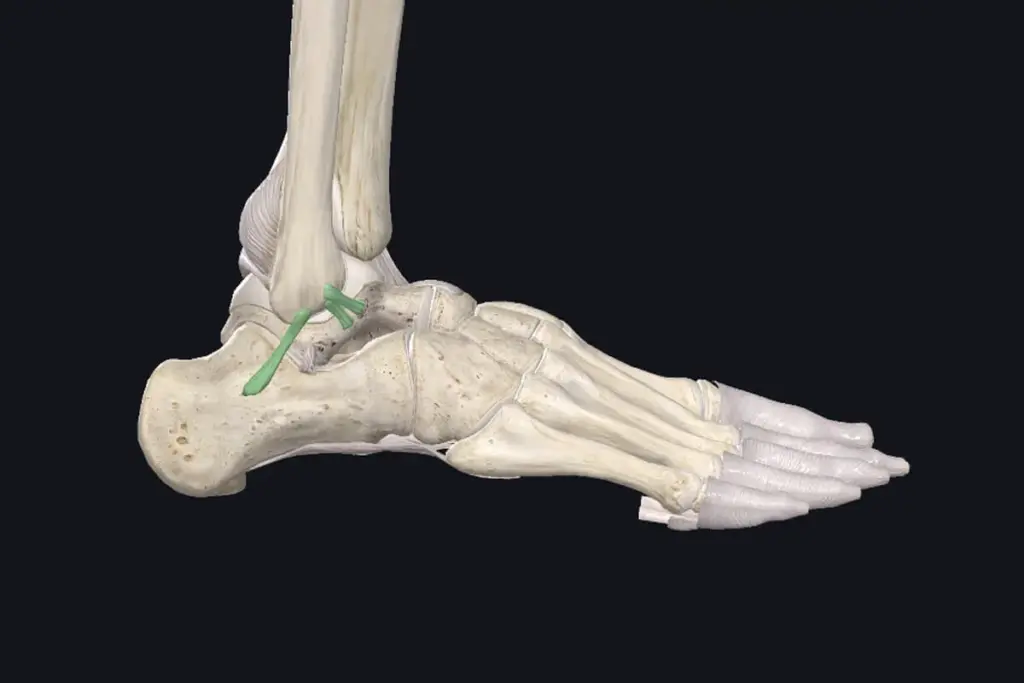
Ankle injuries are common, affecting athletes and active people. The calcaneofibular ligament (CFL) is key to the ankle’s stability.
A CFL tear or sprain can be very painful and unstable. It’s important to know how to treat it right.
At Liv Hospital, we use top-notch orthopedic care and the latest tech for ankle injuries.
We’ll help you understand CFL injuries. We’ll cover causes, symptoms, and treatments. This way, you can get back to stability and avoid future problems.
Key Takeaways
- Understanding the role of the CFL in ankle stability
- Recognizing the common causes and symptoms of CFL injuries
- Exploring treatment options for CFL tears or sprains
- The importance of proper rehabilitation in preventing long-term complications
- Liv Hospital’s approach to treating CFL injuries with advanced diagnostic technology
Understanding the Calcaneofibular Ligament
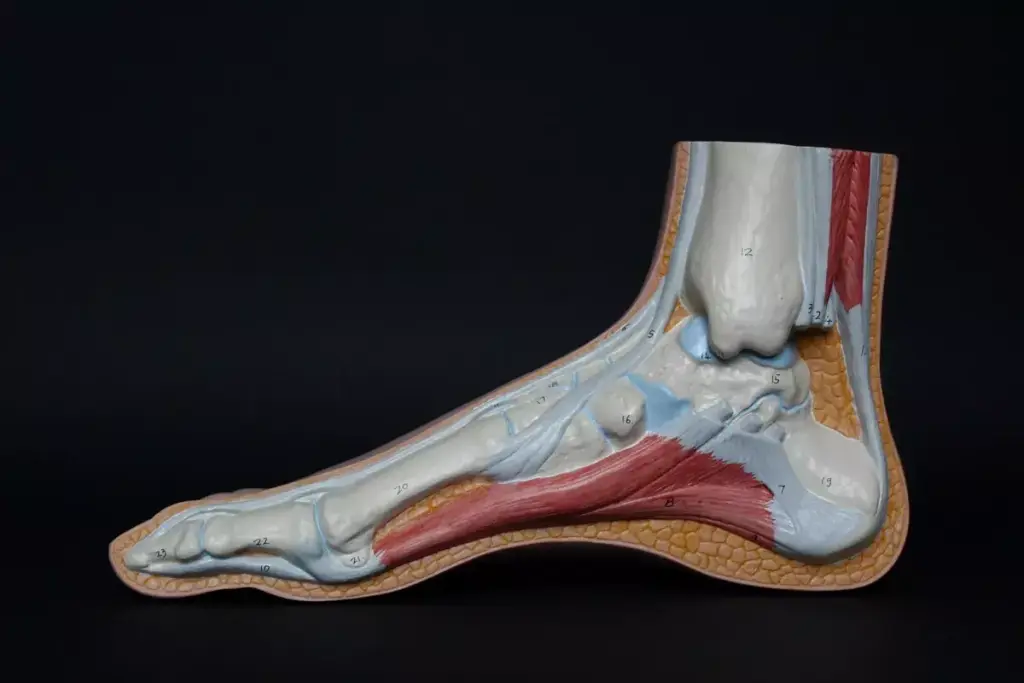
Knowing about the calcaneofibular ligament is key to treating ankle injuries well. The CFL is part of the ankle’s lateral ligament complex. It connects the calcaneus to the fibula.
Anatomy and Function
The CFL helps keep the ankle stable, mainly when moving inwards. It works with other ligaments to stop the ankle from moving too much. This prevents injuries.
Running, jumping, or sudden turns stress the CFL a lot. A CFL sprain or tear can make the ankle hurt and feel unstable.
| Ligament | Function | Injury Risk |
| Calcaneofibular Ligament (CFL) | Provides lateral ankle stability | High during inversion injuries |
| Anterior Talofibular Ligament (ATFL) | Prevents excessive anterior movement | High during inversion and plantarflexion |
| Posterior Talofibular Ligament (PTFL) | Prevents excessive posterior movement | Lower risk compared to ATFL and CFL |
Common Causes of CFL Injuries
CFL injuries often happen from ankle sprains when the foot rolls inward. Jumping awkwardly or running on uneven ground raises CFL injury risk. Sports like soccer, basketball, and tennis are high-risk due to quick movements and jumps.
Knowing why CFL injuries happen helps in preventing and treating them. Recognizing risk factors and symptoms leads to better care. This helps restore ankle stability and function.
Diagnosing a Calcaneofibular Ligament Tear
To diagnose a calcaneofibular ligament tear, we need to know the symptoms and what we find during a physical exam. If someone has ankle pain and feels unstable, we think about a CFL injury.
Symptoms and Physical Examination
Pain on the outside of the ankle, swelling, and feeling unstable are signs of a CFL injury. People might find it hard to walk or put weight on the ankle. We check for tenderness along the CFL and test the ankle’s stability with the talar tilt test.
Key symptoms and signs include:
- Pain on the lateral aspect of the ankle
- Swelling and bruising
- Instability or feeling of giving way
- Tenderness to palpation along the CFL
We also look at how the patient walks and check for any mechanical instability. This physical exam helps us understand how bad the CFL injury is.
Grading System for CFL Injuries
CFL injuries are graded based on how bad the damage is. This grading system helps us decide the best treatment and what to expect for the patient’s recovery.
The grading system for CFL injuries is as follows:
- Grade 1: Mild stretching or micro-tears of the ligament, with minimal pain and no significant instability.
- Grade 2: Moderate injury with partial tearing of the ligament, resulting in more significant pain, swelling, and some instability.
- Grade 3: Severe injury with complete rupture of the CFL, leading to significant pain, swelling, and marked instability.
Knowing the grade of the CFL injury is key to choosing the right treatment. This could be either non-surgical or surgery.
Treatment Options for Calcaneofibular Ligament Tear
Fixing a torn calcaneofibular ligament needs a detailed plan. This plan might include non-surgical methods or surgery, based on the injury’s severity. The decision depends on how bad the tear is, the patient’s health, and their activity level.
Conservative Management
Most torn calcaneofibular ligaments get better with non-surgical care. The first step is often the RICE method: Rest, Ice, Compression, and Elevation. This helps lessen pain and swelling, making healing easier.
Physical therapy is key in getting better. A good rehab program can boost ankle strength, improve movement, and enhance body awareness. Proprioceptive training is vital as it helps the ankle adapt to different surfaces and movements, preventing future injuries.
Surgical Interventions
If the tear is severe or doesn’t get better with non-surgical methods, surgery might be needed. Surgery aims to fix or rebuild the torn ligament, improving ankle stability.
Deciding on surgery involves a detailed check-up, including scans and tests for ankle instability. Surgery types vary, from repairing the ligament to using a graft for reconstruction.
While surgery can work well, it’s usually a last option after trying non-surgical methods. The choice of surgery depends on the injury’s extent and the patient’s needs.
Conclusion
Getting a proper diagnosis and treatment for a CFL tear is key. It helps restore ankle stability and prevents long-term problems. Knowing how the CFL works is important. This helps us spot the signs of CFL injuries, like a cf ligament sprain.
We’ve talked about different ways to treat CFL tears. These include non-surgical and surgical methods. Choosing the right treatment is important for a good recovery. It helps avoid chronic ankle instability, a common issue with cfl ankle injuries.
By focusing on proper diagnosis and treatment, we help people with CFL injuries. They can get back to their normal activities. Understanding and managing CFL tears well is essential.
FAQ
What is a calcaneofibular ligament (CFL) tear?
A CFL tear is an injury to the ligament that connects the fibula to the calcaneus bone in the ankle. This ligament helps keep the ankle stable.
What are the common causes of CFL injuries?
CFL injuries often happen when the ankle rolls inward. This can strain or tear the CFL. Running, jumping, or quick changes in direction increase the risk.
What are the symptoms of a CFL tear?
Symptoms include pain on the outside of the ankle, swelling, and bruising. You might also feel the ankle is unstable or giving way.
How is a CFL tear diagnosed?
A doctor will check your ankle’s stability and pain. They might use X-rays or MRI to confirm the injury.
What is the grading system for CFL injuries?
CFL injuries are graded from I to III. Grade I is a mild sprain. Grade II is a moderate sprain with a partial tear. Grade III is a severe sprain with a complete tear.
What are the treatment options for CFL tears?
Treatment includes rest, ice, compression, and elevation (RICE). Physical therapy and proprioceptive training are also options. For severe or chronic tears, surgery might be needed.
When is surgery necessary for a CFL tear?
Surgery is needed for severe, chronic, or treatment-resistant CFL tears. It involves repairing or reconstructing the CFL.
Can CFL injuries be prevented?
While prevention is not always possible, wearing proper footwear and strengthening ankle muscles can help. Using ankle supports during sports also reduces risk.
What is the recovery time for a CFL tear?
Recovery time depends on the injury’s severity and treatment. It can range from weeks for conservative management to months for surgery.
What is the role of physical therapy in treating CFL tears?
Physical therapy is key in treating CFL tears. It helps restore ankle strength, improve range of motion, and enhance proprioception. This prevents future injuries.
References
National Center for Biotechnology Information. Evidence-Based Medical Insight. Retrieved from https://www.ncbi.nlm.nih.gov/books/NBK557378/