When your active dog suddenly won’t put weight on a back leg, it might have a cranial cruciate ligament injury. This common knee injury affects thousands of dogs each year. It causes pain and can lead to permanent damage if not treated quickly.
At Liv Hospital, we know treating a cranial cruciate ligament tear is tough for pet owners. We aim to give the best care for our furry friends. Our approach focuses on the patient, using the latest in surgery and medicine.
Key Takeaways
- CCL injuries are a common orthopedic issue in dogs, mainly in large and giant breeds.
- Prompt veterinary care is key to prevent more damage and improve outcomes.
- Early diagnosis and treatment can greatly reduce pain and help with recovery.
- Liv Hospital offers full care for dogs with CCL injuries, using the newest treatment methods.
- Our patient-centered approach means we tailor care to each dog’s unique needs.
Understanding CCL Injuries in Dogs
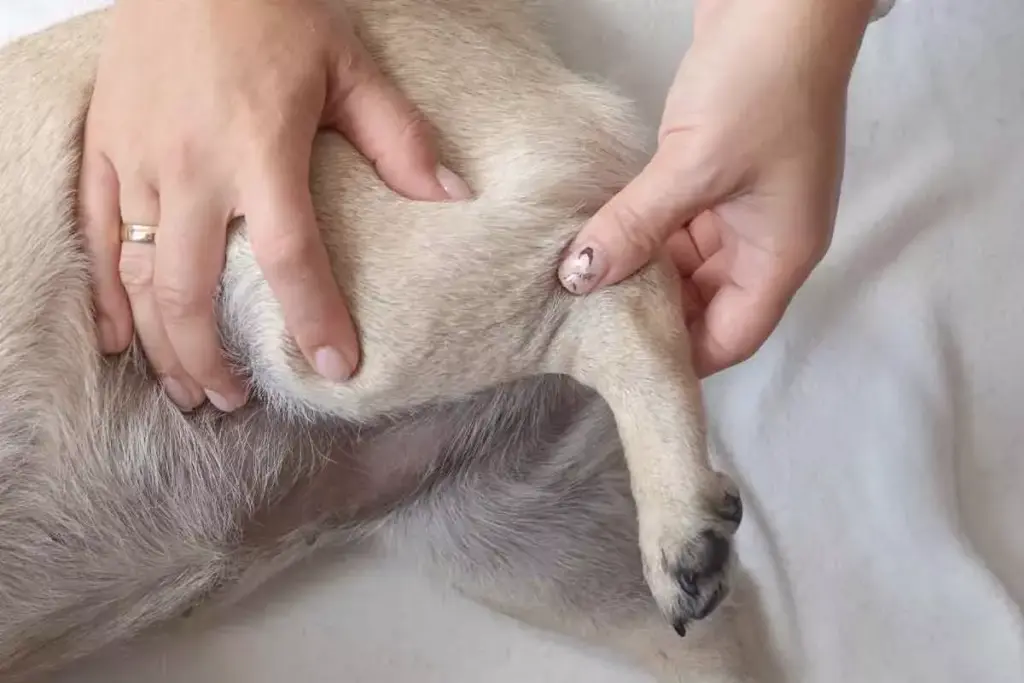
The cranial cruciate ligament (CCL) is key to a dog’s knee stability. Injuries to it are a big worry. This tough band of tissue connects the thigh bone to the shin bone. It keeps the knee stable and helps your dog balance when moving.
What is a Cranial Cruciate Ligament?
The CCL is vital for knee joint stability. It stops the tibia from moving too far forward compared to the femur. A torn CCL or CCL rupture can really hurt a dog’s mobility and life quality.
Common Causes and Risk Factors
CCL injuries in dogs come in two main types: chronic degenerative rupture and acute traumatic rupture. Chronic degenerative rupture is seen in about 80 percent of cases, in dogs aged 5 to 7 years. Acute traumatic rupture is more common in dogs under 4 years old.
Several things can increase the risk of CCL injuries. These include:
- Genetic predisposition
- Obesity
- Age
- Breed (some breeds are more prone to CCL injuries)
- Previous injuries or conditions affecting the knee
For more detailed information on CCL injuries and their management, you can visit Veterinary Partner, a valuable resource for understanding canine health issues.
Recognizing the Symptoms
It’s important to recognize the symptoms of a CCL injury early. Common signs include:
- Lameness or stiffness in the affected leg
- Swelling around the knee
- Pain when touching the knee or during movement
- Instability or looseness in the knee joint
- Difficulty jumping or climbing stairs
If your dog shows any of these signs, see a vet right away. Early diagnosis and treatment can greatly improve outcomes.
Treatment Options for a Ruptured CCL
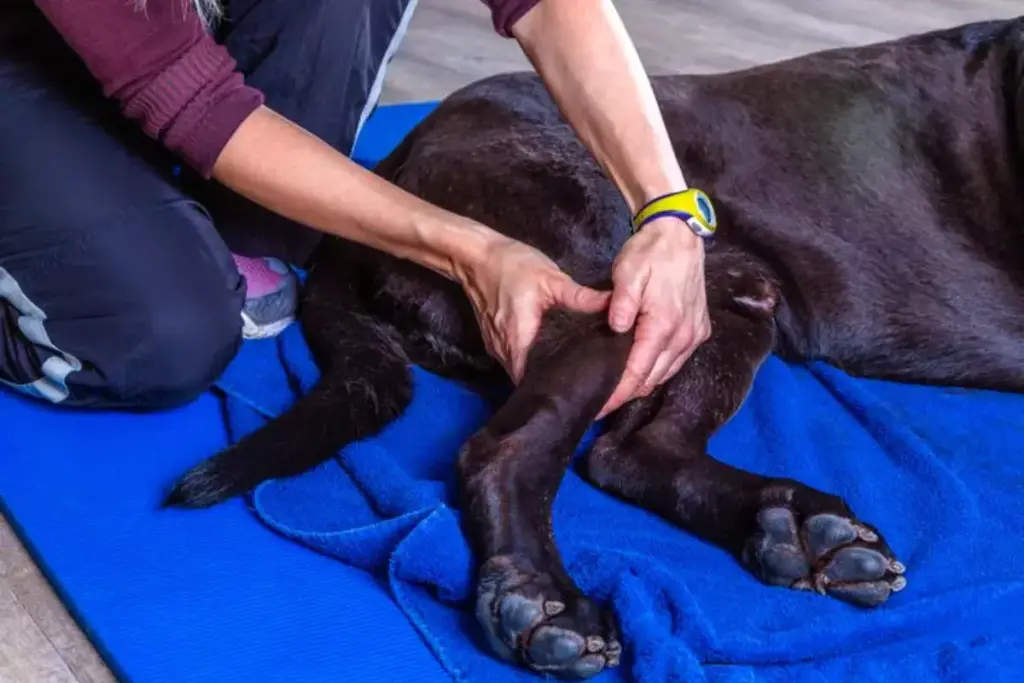
Dogs with a torn cranial cruciate ligament have several treatment options. These aim to ease pain and improve function. The right treatment depends on the dog’s size, age, and health.
Surgical Treatment Methods
Surgery is often the best choice for fixing a CCL tear. It helps the knee joint work better and reduces pain and swelling. About 40 percent of dogs with a CCL tear in one knee will get it in the other knee within 18 months after surgery. This shows how important it is to treat it well.
There are a few common surgeries:
- TPLO (Tibial Plateau Leveling Osteotomy): This cuts and rotates the tibia to make the joint more stable.
- TTA (Tibial Tuberosity Advancement): It changes the angle of the tibial tuberosity to lessen stress on the CCL.
- Extracapsular Repair: This tightens the joint capsule and soft tissues to add stability.
| Surgical Method | Description | Recovery Time |
| TPLO | Stabilizes the knee by altering the tibia | 8-12 weeks |
| TTA | Reduces stress on the CCL by changing the tibial tuberosity angle | 8-12 weeks |
| Extracapsular Repair | Tightens the joint capsule for stability | 6-8 weeks |
For more details on these surgeries, check out the University of Illinois Veterinary Medicine page. It has a lot of information on CCL injuries and treatments.
Non-Surgical Management Approaches
For some dogs, surgery might not be needed. Smaller dogs or those with mild symptoms might do well with non-surgical methods. These include:
- Physical Therapy: Gentle exercises to improve joint mobility and strengthen muscles.
- Weight Management: Keeping a healthy weight to lessen stress on the joint.
- Pain Management: Medication to control pain and swelling.
It’s important to talk to a vet to find the best treatment for your dog. Knowing the pros and cons of each option helps you make the right choice for your dog’s needs.
Conclusion
Treating a ruptured cranial cruciate ligament (CCL) in dogs needs a full plan. This includes knowing the condition, spotting symptoms, and looking at treatment choices. Symptoms can range from mild stiffness after rest to severe pain where dogs won’t move the affected leg.
Keeping your dog at a healthy weight is key to avoiding CCL injuries and helping them heal. Too much weight puts extra stress on their knees, raising the risk of ligament damage.
By teaming up with your vet and sticking to a treatment plan, you can help your dog move better and live comfortably. Whether surgery or other methods are used, the aim is to ease pain, improve function, and stop more harm. This ensures the best life for dogs with a CCL rupture.
FAQ:
What are the common symptoms of a torn CCL in dogs?
What causes a cranial cruciate ligament tear in dogs?
How is a ruptured CCL diagnosed in dogs?
What are the treatment options for a torn cranial cruciate ligament?
Can a dog recover from a CCL rupture without surgery?
How can I help my dog recover from a CCL injury?
What is the prognosis for a dog with a ruptured cranial cruciate ligament?
References:
National Center for Biotechnology Information. Evidence-Based Medical Insight. Retrieved from https://pmc.ncbi.nlm.nih.gov/articles/PMC11061578/