Scars on the palm can really change how you live, affecting how well you can use your hand and how it looks. At Liv Hospital, we know how complex hands are. We also know how important it is to treat palm scars right.
Effective scar management is key for a good recovery. Studies show that over 50% of people hurt their hands get scars. We believe in starting treatment early with proven methods to make scars look and work better.
Our guide covers many treatment options. We offer everything from simple methods to surgery. This way, we make sure each patient gets care that fits their needs perfectly.
Key Takeaways
- Scars on the palm can significantly affect hand functionality and aesthetics.
- Early intervention is critical for effective scar management.
- A variety of treatment options are available, from non-invasive to surgical.
- Personalized care is essential for optimal recovery.
- Liv Hospital offers complete support for international patients seeking advanced medical treatments.
Understanding Scars on Palm: Unique Challenges
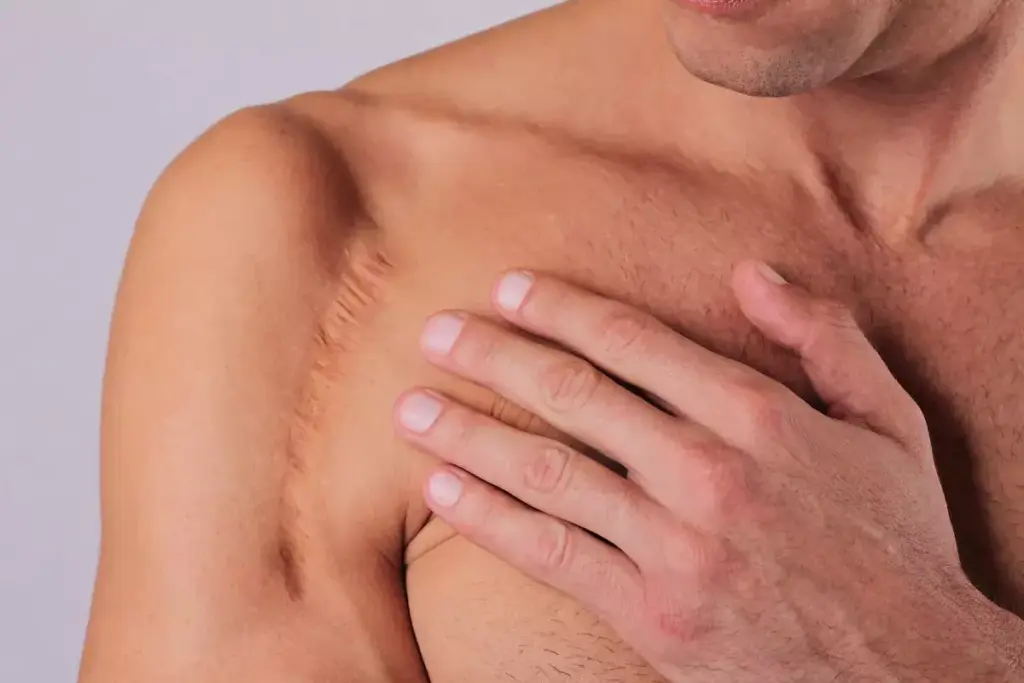
Scars on the palm are special because of the hand’s unique anatomy and sensitivity. The palm is very sensitive, with about 200,000 neurons sending signals to the brain. This makes the palm very responsive to touch and injury.
The palm’s anatomy is complex, with skin, tendons, nerves, and blood vessels working together. When a scar forms, it can affect how the hand looks and works. Scars on the palm can lead to reduced dexterity, discomfort, and in severe cases, limited mobility.
The Anatomy and Sensitivity of Palm Skin
The skin on the palm is thicker and more compact than elsewhere, providing natural protection. But this thickness can make scars harder to heal. The palm’s sensitivity is high because of its many nerve endings, making scars more noticeable.
The unique characteristics of palm skin mean scars here can be stubborn. Hands are always in use, making the skin stressed and prone to irritation.
How Palm Scars Differ from Other Body Areas
Palm scars are different from scars on other parts of the body. The palm’s anatomy and function make scars here unique. Unlike scars on the face or arms, palm scars face constant tension and friction, leading to hypertrophic or contracted scars.
Treating palm scars requires fixing both appearance and function. Treatment plans often involve a mix of non-invasive and, in some cases, surgical methods to improve hand mobility and comfort.
Non-Invasive Treatment Options for a Scar on Palm
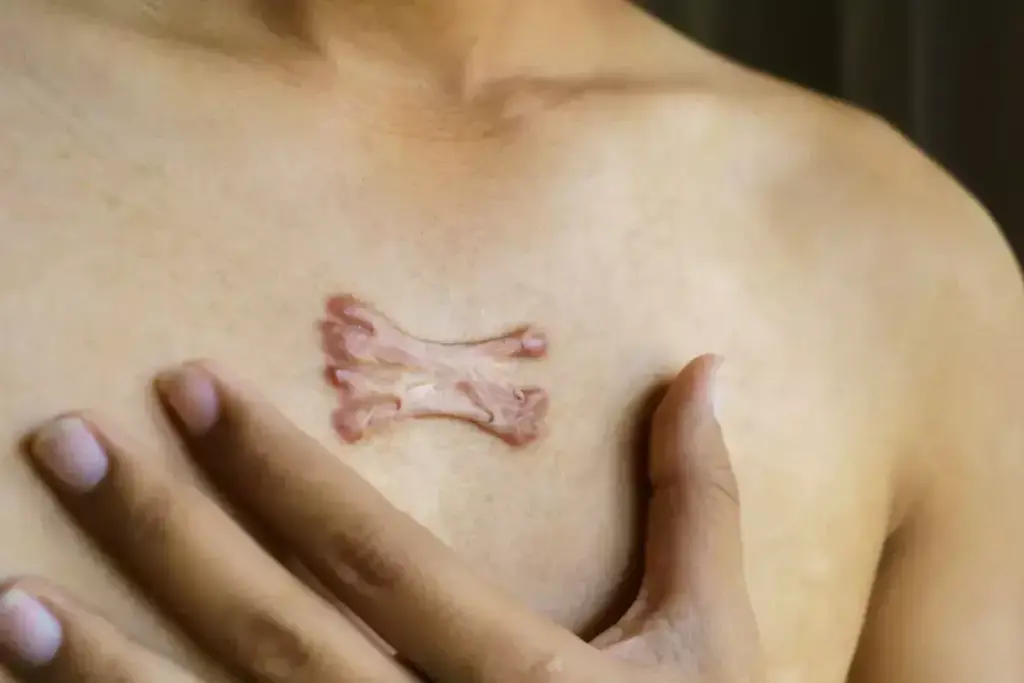
Non-invasive treatments are often the first choice for scars on the palm. They offer many effective solutions. These treatments can greatly improve how the scar looks and works.
When and How to Begin Scar Massage
Scar massage is a simple yet effective way to soften and flatten scar tissue. Start scar massage once the wound is fully closed, usually in 2-3 weeks after injury. Use circular motions with your fingertips several times a day.
Massaging the scar helps break up collagen fibers. This improves the scar’s texture and reduces its appearance. Be gentle, as the skin on the palm is sensitive.
Applying Silicone Gel Sheets Effectively
Silicone gel sheets are another non-invasive treatment for palm scars. They hydrate the scar tissue, making it less noticeable and improving its texture. Clean and dry the skin before applying the sheet.
Wear the sheet for at least 12 hours a day. Replace it every 10-14 days or as the manufacturer directs. For best results, use silicone gel sheets for several months.
Daily Stretching Exercises to Prevent Contracture
Daily stretching exercises are key to preventing contracture in palm scars. Simple exercises like stretching the fingers and palm can be done regularly. This helps keep the skin flexible and prevents it from tightening.
Consistency and patience are important. Stretching exercises take time to show results. Keep doing them every day.
Topical Treatments and Their Effectiveness
There are many topical treatments for palm scars, like creams and gels with silicone, vitamin E, or other nutrients. While results vary, some people see their scars look and feel better.
For more information on scar treatments, visit the American Society of Plastic Surgeons. They offer guidance on both non-invasive and surgical methods.
| Treatment | Benefits | Duration |
| Scar Massage | Softens scar tissue, improves texture | Several minutes, multiple times a day |
| Silicone Gel Sheets | Hydrates scar tissue, reduces appearance | At least 12 hours a day, for several months |
| Stretching Exercises | Prevents contracture, maintains mobility | Regularly throughout the day |
Advanced Treatment Options
For severe scars on the palm, advanced treatments can help. They aim to restore hand function and ease pain. When simple treatments don’t work, surgery might be needed to deal with the scar tissue.
When to Consider Surgical Intervention
Think about surgery if a scar hurts a lot or makes it hard to use your hand. It’s wise to talk to a specialist to figure out the best plan. The scar’s size, depth, and where it is on the palm matter a lot.
Usually, surgery is considered after other treatments have been tried. It’s key to know that surgery is not the first choice but an option when other methods don’t work well.
Types of Surgical Procedures for Palm Scars
There are different surgeries for palm scars, based on the scar and the patient’s health. These include:
- Scar revision: This aims to make the scar look better.
- Z-plasty: It rearranges the skin to lessen tension on the scar and make it look better.
- Skin grafting: Healthy skin from another part of the body is used to cover the scar area.
Each surgery has its own use and benefits, and the right one depends on the case.
Post-Surgical Care and Recovery
Good care after surgery is key for a smooth recovery. This includes:
| Care Aspect | Description | Importance |
| Wound Care | Keeping the wound clean and dry, changing dressings as directed. | High |
| Physical Therapy | Gentle exercises to keep the hand moving and prevent stiffness. | High |
| Follow-Up Visits | Regular check-ups with the healthcare provider to watch the healing. | High |
Following the care instructions closely is important. It helps get the best results and lowers the chance of problems.
Conclusion
Managing scars on the palm is vital for better hand function and quality of life. We’ve looked at many treatment options. These range from simple methods like scar massage and silicone gel sheets to more complex surgeries.
Starting treatment early is important to avoid lasting damage and help healing. Knowing how to tackle palm scars and picking the right treatment can greatly improve hand function and looks.
This guide helps both patients and healthcare workers make smart choices about palm scar care. It leads to a successful outcome in scar treatment.
FAQ
What are the unique challenges of treating scars on the palm?
How do scars on the palm differ from those on other parts of the body?
What are the benefits of non-invasive treatments for palm scars?
When should I consider surgical intervention for my palm scar?
What types of surgical procedures are available for palm scars?
How can I care for my palm after surgery?
Can topical treatments effectively manage palm scars?
How can I prevent contracture when treating a scar on my palm?
References
National Center for Biotechnology Information. Evidence-Based Medical Insight. Retrieved from https://pmc.ncbi.nlm.nih.gov/articles/PMC5436973/