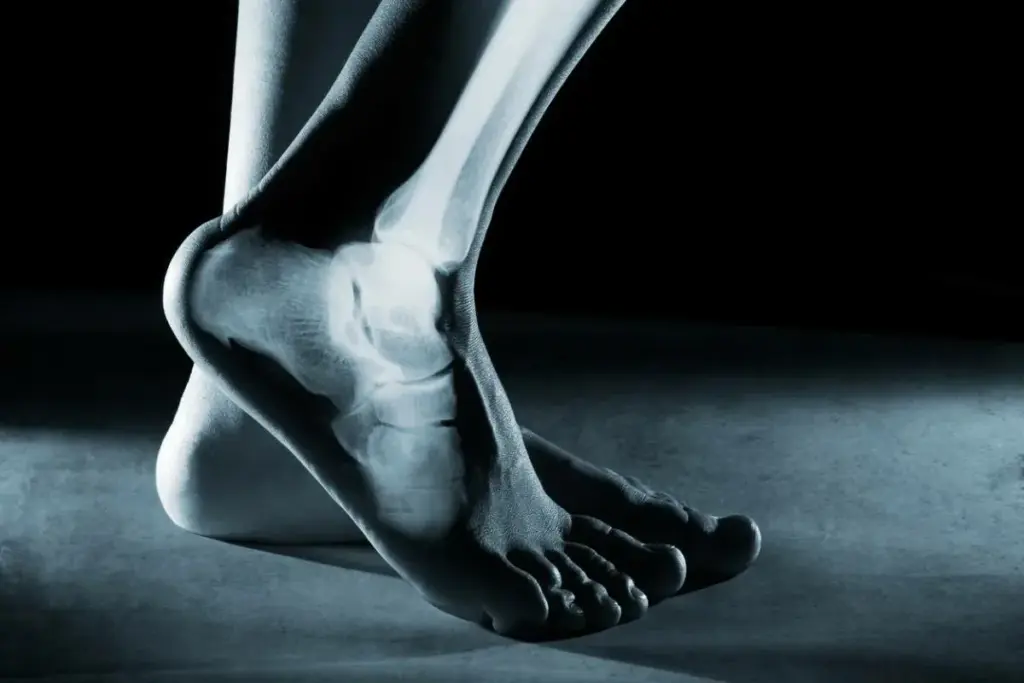
A torn calcaneofibular ligament can really hurt your ankle’s stability and movement. This is true for both athletes and regular people. The CFL is a key part of the ankle that links the fibula to the calcaneus.
Ankle sprains, which often hurt the CFL, are common. They make up about 7-10 percent of emergency visits and up to 40 percent of sports injuries. If the CFL gets damaged, it’s important to get it treated right away to avoid more problems. For the best care, talk to a specialist like those at Sports Foot and Ankle. They can help figure out the best treatment for you.
Key Takeaways
- Understanding the severity of a CFL injury is key to picking the right treatment.
- Conservative management might include rest, physical therapy, and managing pain.
- Surgery might be needed if the ankle keeps feeling unstable or if the CFL is completely torn.
- Steps like looking at your medical history, doing a physical exam, and getting an MRI help decide how to treat you.
- Getting the right treatment can stop long-term problems and keep your ankle stable.
Understanding CFL Injuries
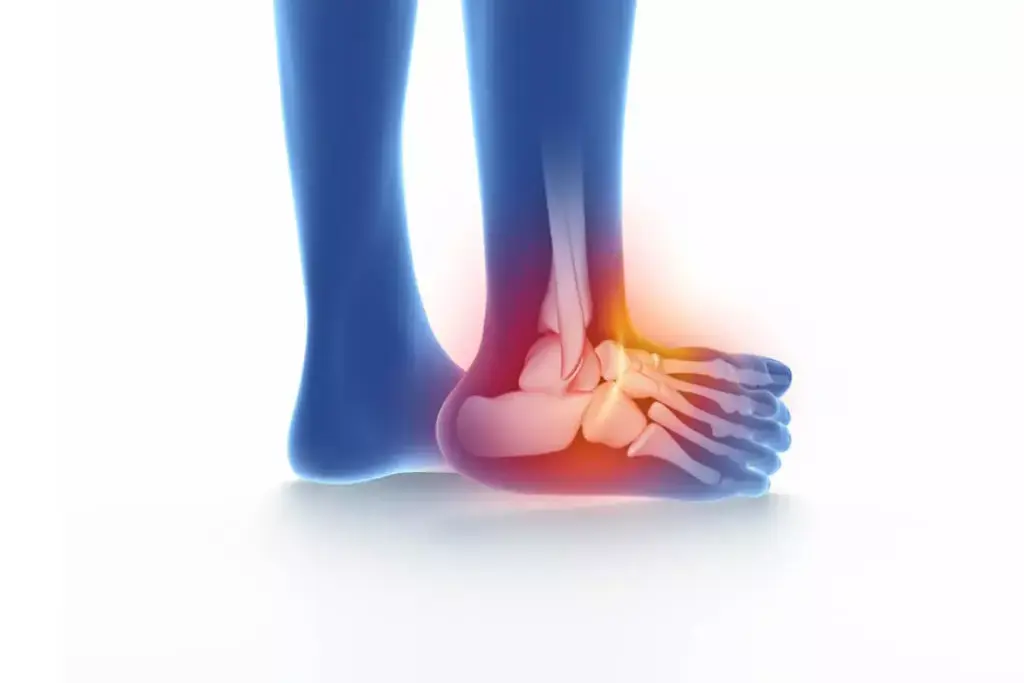
It’s important to know about CFL injuries to treat them well. They often come from ankle sprains and can really hurt your life. The calcaneofibular ligament (CFL) is key to keeping the ankle stable. It’s common for athletes to get hurt here.
Anatomy and Function of the Calcaneofibular Ligament
The CFL is part of the ankle’s lateral ligaments. It links the calcaneus to the fibula, helping the ankle stay stable. It works with other ligaments to keep the ankle stable, mainly during movements that twist or rotate it.
The CFL’s main job is to keep the ankle and subtalar joints stable. It tightens when the ankle is bent and loosens when it’s straight. Knowing how the CFL works helps doctors treat injuries better.
Common Causes and Mechanisms of Injury
CFL injuries usually happen from ankle sprains. These can happen during sports, walking on uneven ground, or any sudden twisting of the ankle. The CFL is often hurt after the ATFL, and together they’re the second most common injury.
- Sports activities like running, jumping, or quick turns raise the risk of CFL injuries.
- Walking or running on uneven surfaces can cause ankle sprains and CFL injuries.
- Trauma or direct blows to the ankle can also hurt the CFL.
Diagnosis and Clinical Indicators
Doctors use both checks and tests to find CFL injuries. Signs include pain, swelling, and feeling unstable in the ankle. A doctor’s full check is needed to see how bad the injury is.
Doctors look at how stable the ankle is and check for other injuries. Knowing the signs and using the right tests helps manage CFL injuries well.
Treatment Options for a Torn Calcaneofibular Ligament
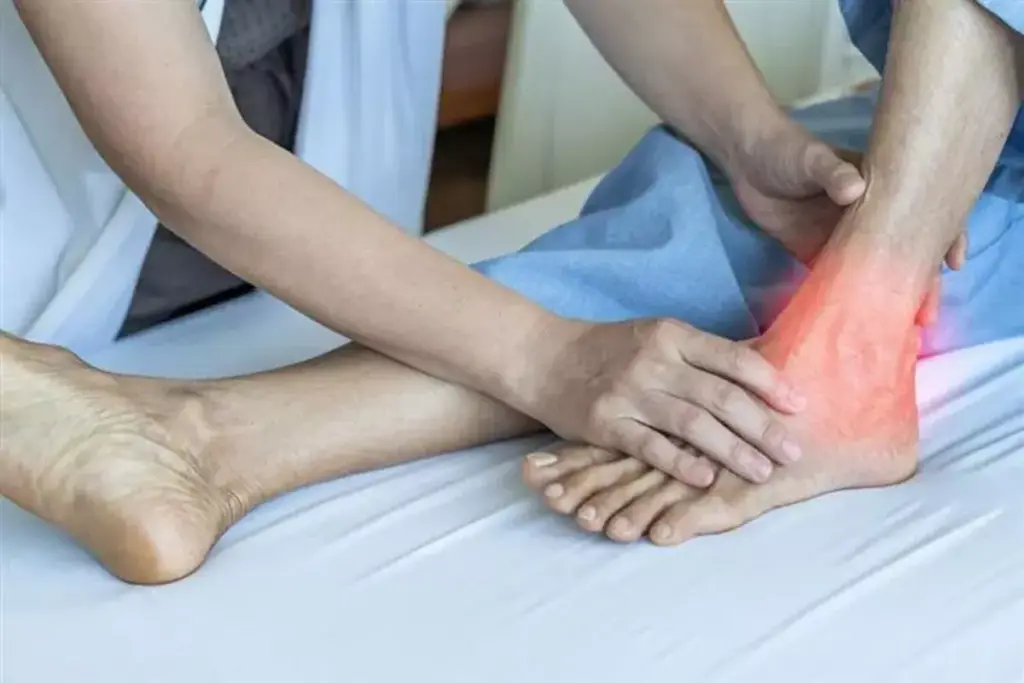
Treating a torn calcaneofibular ligament (CFL) can involve several steps. These range from non-surgical methods to surgery, depending on the injury’s severity. Choosing the right treatment for a torn calcaneofibular ligament is key. It depends on how badly the ligament is damaged.
Conservative Management Approaches
For many, the first step in treating a calcaneofibular tear is non-surgical care. This care includes:
- Rest, Ice, Compression, and Elevation (RICE) to reduce pain and inflammation
- Bracing or taping to provide support and stability to the ankle
- Physical therapy to restore strength, flexibility, and range of motion
- Pain management through medication or alternative therapies
Non-surgical methods are often the first choice for mild CFL strains. They aim to ease symptoms and help the ligament heal without surgery.
Rehabilitation Timeline
The healing process for a calcaneofibular ligament tear has three main phases:
- Inflammation Phase (1-10 days): Focus on reducing pain and inflammation, with an emphasis on rest and immobilization.
- Repair Phase (4-8 weeks): Gradually introduce exercises to improve strength and flexibility, alongside continued bracing or support.
- Restructuring Phase: Emphasize functional rehabilitation, including proprioceptive training and agility exercises to restore full ankle function.
Knowing this timeline helps plan a rehabilitation program that fits the individual’s healing needs.
Surgical Interventions for Severe Cases
For severe CFL ligament damage or when non-surgical methods don’t work, surgery might be needed. Surgical options include:
- Ligament repair or reconstruction to restore ankle stability
- Other procedures to address associated injuries or conditions
Decisions about surgery depend on the injury’s severity, the patient’s health, and their activity level.
Conclusion
Treating a torn calcaneofibular ligament needs a full care plan, from finding the problem to fixing it and getting better. Studies show that people with CFL pain are at high risk of ligament damage. This highlights the need for accurate diagnosis and treatment.
Knowing about the injury, how it’s found, and the right ways to fix it is key to getting better. By following a detailed care plan, people can heal from CFL injuries. This includes tears and damage to the ligament, helping them get their ankle stable again.
Managing pain from the calcaneofibular ligament and ankle injuries is vital. It stops long-term ankle problems and the need for surgery. Our team offers top-notch healthcare and support for patients from around the world. We make sure you get the best care for your needs, like fixing a torn ligament or other ankle issues.
With the right care and rehab, people can feel confident in their recovery. We’re here to support and treat you. Our goal is to help you overcome CFL injuries and get your ankle back to health.
FAQ
What is a calcaneofibular ligament (CFL) injury?
A CFL injury is when the calcaneofibular ligament, a key ankle stabilizer, gets torn or sprained. This can really affect how you move and your overall quality of life.
What are the common causes of CFL injuries?
CFL injuries often happen from ankle sprains or sports activities. They can also occur from incidents that put too much stress on the ankle. Knowing how these injuries happen helps in preventing and diagnosing them.
How is a CFL injury diagnosed?
To diagnose a CFL injury, doctors do a thorough check-up. This includes a physical exam and sometimes imaging studies. Finding out how bad the injury is is key to treating it right.
What are the treatment options for a torn CFL?
For a torn CFL, treatment can range from non-surgical methods to surgery. The choice depends on how bad the injury is. Non-surgical methods aim to reduce pain and swelling, while surgery is for more serious cases.
What is the rehabilitation timeline for a CFL injury?
The time it takes to recover from a CFL injury varies. It depends on how severe the injury is and the treatment used. Recovery usually involves getting the ankle strong and mobile again, slowly getting back to normal activities.
Can a CFL tear heal without surgery?
Yes, some CFL tears can heal without surgery. This is through physical therapy and using a brace. But, more serious cases might need surgery to fix or rebuild the ligament.
What is the role of physical therapy in treating CFL injuries?
Physical therapy is very important in treating CFL injuries. It helps get the ankle stable and working right again. A good physical therapy plan can help in healing and prevent future injuries.
How can I prevent future CFL injuries?
To avoid future CFL injuries, you should strengthen your ankle and improve your balance. Also, wearing the right protective gear during sports and risky activities is key.
What are the symptoms of a calcaneofibular ligament sprain?
Symptoms of a CFL sprain include pain, swelling, and feeling unstable around the ankle. How bad these symptoms are can depend on how severe the injury is.
How is a calcaneofibular ligament tear treated surgically?
Surgery for a CFL tear involves fixing or rebuilding the ligament. The exact surgery needed depends on how bad the injury is and your overall health.
What is the recovery process like after CFL surgery?
After CFL surgery, you’ll need to rest your ankle first. Then, you’ll start a rehabilitation program to get your ankle strong and mobile again. How long it takes to recover can vary based on the surgery and your body’s healing.
References:
National Center for Biotechnology Information. Evidence-Based Medical Insight. Retrieved from https://pmc.ncbi.nlm.nih.gov/articles/PMC9534921/