
Acute rhinosinusitis affects millions worldwide, leading to high healthcare costs and too many antibiotics. It’s a big problem.
We know it’s key to tell viral from bacterial causes to treat right. At Liv Hospital, we offer trusted care. We use proven ways to diagnose and treat.
Most acute rhinosinusitis cases come from viruses and get better without antibiotics. Knowing the first steps in treatment is vital. It helps doctors and patients get the best care and cut down on antibiotics.
Key Takeaways
- Acute rhinosinusitis is a big health issue worldwide, affecting 6-15% of people.
- Telling viral from bacterial causes is key for the right treatment.
- Most cases are viral and don’t need antibiotics.
- Liv Hospital offers trusted care with proven methods.
- Knowing the first steps in treatment is important for good care.
Understanding Acute Rhinosinusitis: Viral vs. Bacterial
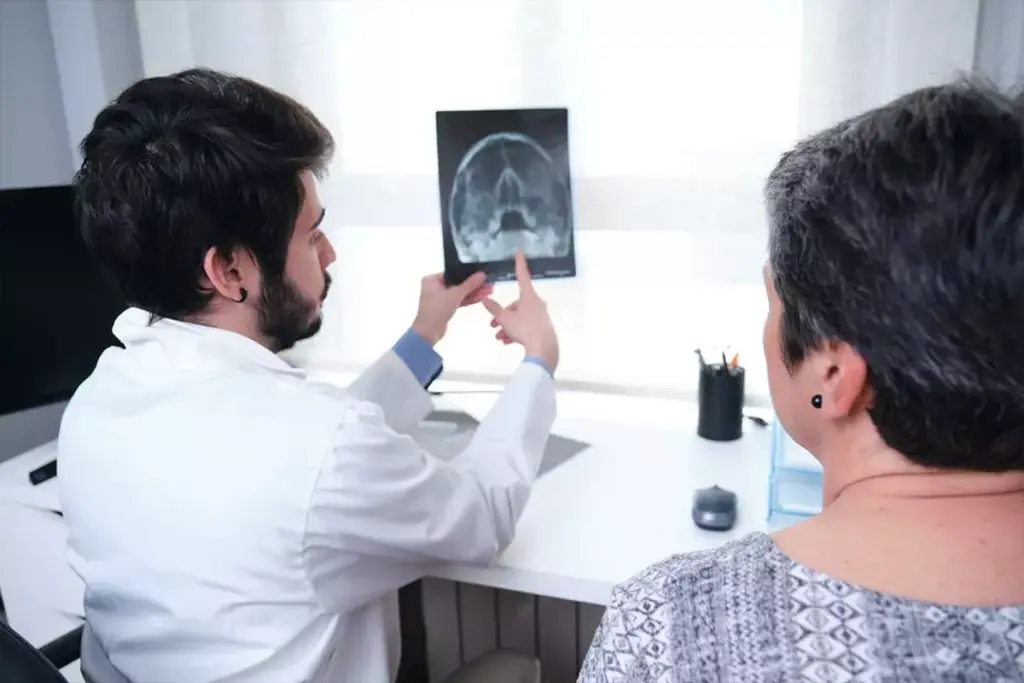
It’s important to know if your sinusitis is viral or bacterial. Most cases are viral and get better on their own. Knowing the difference helps in choosing the right treatment.
Epidemiology and Global Prevalence
Acute rhinosinusitis is common worldwide. It’s a top reason for doctor visits, causing big economic losses. The rate of cases varies by location, influenced by climate, pollution, and allergens.
Many factors affect the spread of acute rhinosinusitis. These include the shape of your nose, your immune system, and what you’re exposed to. Knowing these helps in finding ways to prevent it.
Pathophysiology of Sinus Inflammation
Acute rhinosinusitis starts with inflammation in the nasal and sinus areas. This can be caused by viruses or bacteria. It leads to more mucus, swelling, and white blood cells moving into the area.
Key steps in the pathophysiology include:
- Mucosal insult or injury
- Increased mucus production and edema
- Cellular infiltration and release of inflammatory mediators
- Potential bacterial colonization and secondary infection
Common Causative Organisms
Most cases of acute rhinosinusitis are caused by viruses like rhinovirus and adenovirus. Bacteria like Streptococcus pneumoniae and Haemophilus influenzae are less common but can cause serious illness.
Diagnostic Criteria and “Double Sickening” Phenomenon
To diagnose bacterial sinusitis, doctors look at how long and how bad your symptoms are. The “double sickening” sign, where symptoms get worse after they seem to get better, is a big clue. Other signs include lasting symptoms, severe pain, and thick yellow discharge.
Diagnostic criteria for acute bacterial rhinosinusitis include:
- Persistent symptoms for more than 10 days
- Severe symptoms such as high fever and purulent discharge
- “Double sickening” phenomenon
First-Line Treatment Approaches for Acute Rhinosinusitis

When treating acute rhinosinusitis, it’s key to know if it’s caused by a virus or bacteria. This helps pick the right treatment. The approach changes a lot depending on the cause.
Symptomatic Management for Viral Cases
For viral acute rhinosinusitis, we focus on easing symptoms. We suggest using humidifiers, warm compresses, and drinking plenty of water. Nonsteroidal anti-inflammatory drugs (NSAIDs) can help with pain and swelling.
These steps are often enough for viral cases. They help avoid the need for antibiotics.
Intranasal Corticosteroids for Symptom Relief
Intranasal corticosteroids are also a good option. They help reduce swelling and improve symptoms in acute rhinosinusitis. They’re great for easing nasal congestion and sinus pressure.
Evidence-Based Antibiotic Selection Guidelines
For bacterial cases, antibiotics are needed. Amoxicillin-clavulanate is often the first choice because it works well against common bacteria.
Choosing the right antibiotic is important. It helps treat the infection well and prevents antibiotic resistance.
Conclusion
Getting a correct sinusitis diagnosis is key to treating acute rhinosinusitis well. It’s important to tell the difference between viral and bacterial causes. This helps us choose the right treatment.
The aim of treatment is to ease symptoms, prevent complications, and enhance life quality. Knowing the signs and how long they last helps us treat effectively.
To cure acute sinusitis, we use a mix of symptom relief and antibiotics when needed. Following proven guidelines helps us get the best results for our patients.
Managing acute rhinosinusitis well means tackling the root cause and easing symptoms. This approach improves patient outcomes and lowers the chance of complications.
FAQ
What is acute rhinosinusitis, and how is it diagnosed?
Acute rhinosinusitis is the sudden inflammation of the nasal cavity and the paranasal sinuses lasting less than four weeks. It is diagnosed primarily through a clinical evaluation of symptoms, as imaging like CT scans is rarely needed for uncomplicated cases. A diagnosis is made when a patient presents with nasal congestion, discolored nasal discharge, and facial pain or pressure.
How can I distinguish between viral and bacterial acute rhinosinusitis?
The main differentiator is duration and severity. Viral infections (the common cold) usually peak by day 3 and resolve within 7 to 10 days. Bacterial infections are suspected if symptoms last longer than 10 days without improvement, if the symptoms are exceptionally severe (high fever and intense pain), or if a “double worsening” pattern occurs.
What is the “double worsening” or “double sickening” phenomenon in acute rhinosinusitis?
This occurs when a patient initially appears to be recovering from a standard viral cold, but then suddenly experiences a relapse of symptoms around day 5 or 6. This “second wave” of fever, increased nasal discharge, or facial pain typically signals that a secondary bacterial infection has taken hold after the viral infection weakened the sinus defenses.
What is the first-line treatment for viral acute rhinosinusitis?
Treatment for viral cases is purely symptomatic and supportive, as antibiotics do not kill viruses. Management includes over-the-counter pain relievers (acetaminophen or ibuprofen), saline nasal irrigation, and occasionally short-term decongestants. Rest and aggressive hydration are also recommended to help the immune system clear the virus.
When are antibiotics recommended for acute rhinosinusitis?
Antibiotics are only recommended when a bacterial cause is highly likely. Clinical guidelines suggest prescribing them if symptoms persist for more than 10 days, if there is a high fever (over 102.2°F) accompanied by purulent discharge for several days, or if the “double sickening” pattern is observed.
What are the guidelines for antibiotic selection in acute bacterial rhinosinusitis?
The preferred first-line antibiotic for most adults is Amoxicillin-clavulanate (Augmentin) because it effectively covers the most common bacteria. For those with penicillin allergies, Doxycycline or a respiratory fluoroquinolone (like Levofloxacin) are the recommended alternatives. Macrolides like azithromycin are generally avoided due to high rates of bacterial resistance.
Can intranasal corticosteroids be used for symptom relief in acute rhinosinusitis?
Yes. Intranasal corticosteroid sprays (like Flonase) are often recommended, especially for patients who also have underlying allergic rhinitis. They help reduce the swelling of the sinus openings (ostia), allowing for better drainage of trapped mucus, which can relieve pressure and speed up recovery.
How can I manage my symptoms and prevent complications from acute rhinosinusitis?
The best management strategy is to maintain sinus drainage. Use a saline rinse or Neti pot twice daily to flush out irritants and thick mucus. Avoid smoking or secondhand smoke, use a humidifier in dry environments, and apply warm compresses to the face to soothe pain. To prevent complications, do not ignore “red flag” symptoms like eye swelling or a stiff neck.
What are the common causative organisms of acute bacterial rhinosinusitis?
The three most common bacteria responsible for these infections are Streptococcus pneumoniae, Haemophilus influenzae, and Moraxella catarrhalis. These organisms take advantage of the inflammation and fluid buildup caused by an initial viral infection or allergy.
What is the pathophysiology of sinus inflammation in acute rhinosinusitis?
The process begins when a trigger (usually a virus or allergen) causes the nasal mucosa to swell, which blocks the ostia (the small openings where sinuses drain). This leads to a vacuum effect and the accumulation of stagnant mucus. The lack of oxygen and buildup of fluid impair the microscopic hairs (cilia) that normally clean the sinuses, creating a perfect environment for bacterial overgrowth.
References:
National Center for Biotechnology Information. Evidence-Based Medical Insight. Retrieved from https://pubmed.ncbi.nlm.nih.gov/27142617/