
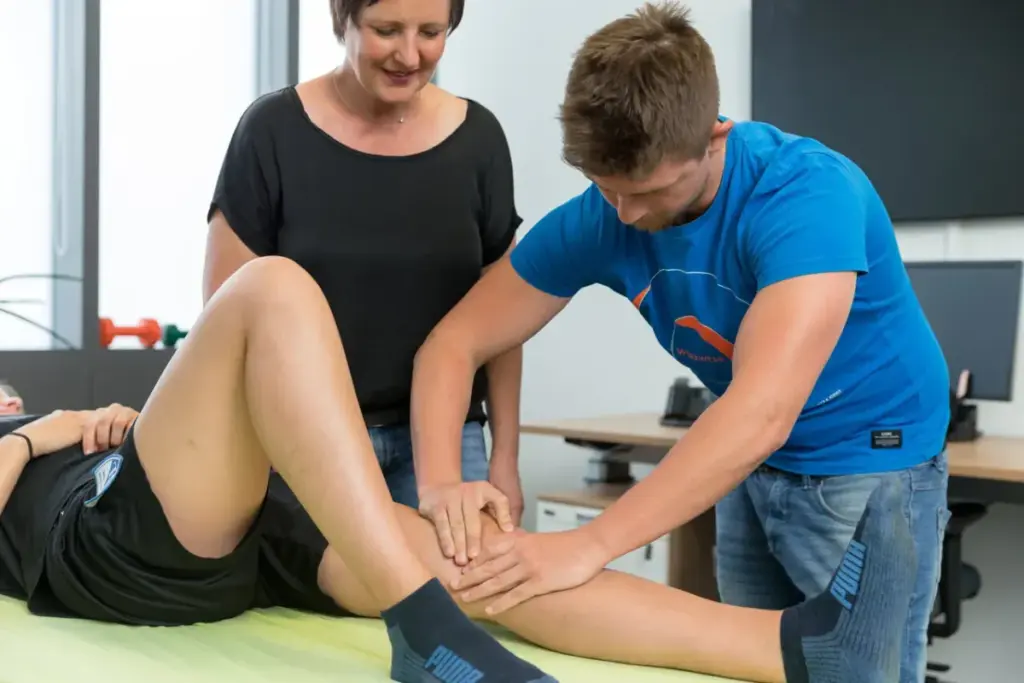
An anterior talofibular ligament (ATFL) tear is a common ankle injury. It affects both athletes and regular people. Studies show that about two-thirds of ankle sprains are ATFL injuries. This leads to pain, trouble walking, and ankle instability.
At Liv Hospital, we focus on treating ATFL injuries well. Our approach is centered on the patient. We use international medical knowledge and the latest diagnostic and treatment methods for the best recovery.
Knowing how ATFL tears happen, what symptoms they cause, and how to treat them is key. In this article, we’ll give a detailed guide on treating ATFL injuries. We’ll cover diagnosis, treatment, and how long it takes to recover.
Key Takeaways
- ATFL tears are a common ankle injury, affecting athletes and regular people.
- Getting the right diagnosis and treatment is vital for recovery.
- Liv Hospital offers a patient-focused way to treat ATFL injuries.
- Understanding how injuries happen and what symptoms they cause is important.
- Using proven treatment options can greatly improve recovery.
Understanding Anterior Talofibular Ligament Pain and Injuries
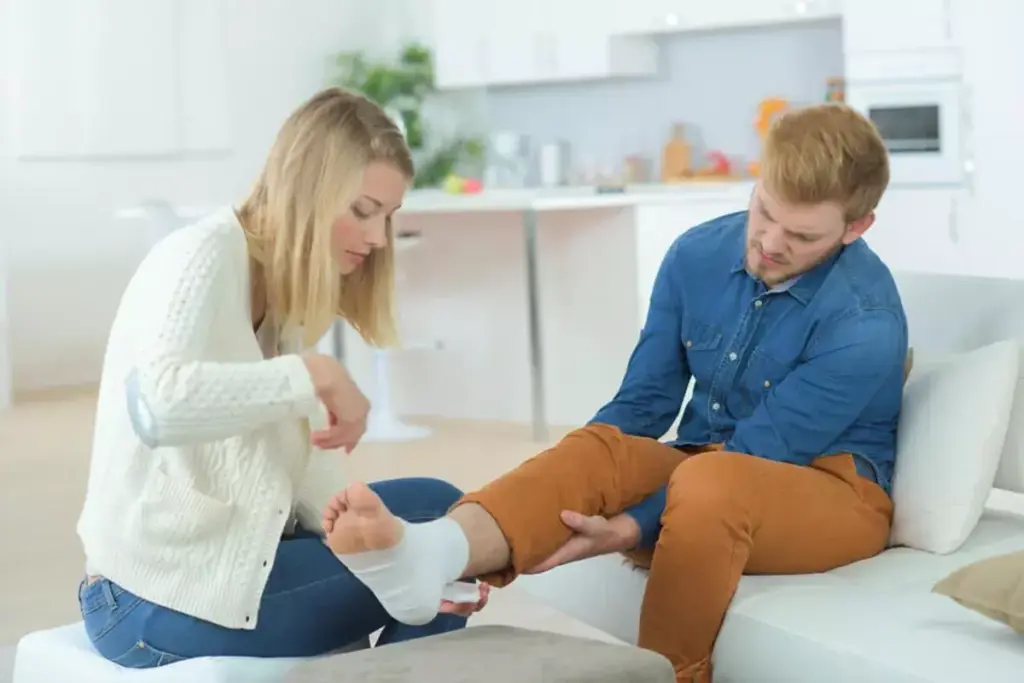
The anterior talofibular ligament (ATFL) is a key part of the ankle. Knowing how it works helps us deal with injuries. It’s a common injury, often seen in athletes and those who are active.
What is the ATFL and Its Function
The ATFL connects the fibula to the talus, on the outside of the ankle. It works with other ligaments to keep the ankle stable. This is important for movements that make the foot turn inward.
The main job of the ATFL is to stop the ankle from turning too much. It’s often hurt because of this role.
Common Causes and Mechanisms of Injury
Most ATFL tears happen because of the foot turning inward. Other ways to hurt it include:
- Sports injuries, like running or quick turns.
- Falling or slipping.
- Direct hits to the ankle.
Knowing how these injuries happen helps us treat them better.
Grading System for ATFL Tears
ATFL tears are graded to show how bad they are. This helps decide how to treat them. The grades are:
- Grade 1: A little stretch or small tears.
- Grade 2: A bit more damage, with part of the ligament torn.
- Grade 3: The worst, with the ligament completely torn.
Getting the injury’s grade right is key to picking the right treatment.
Diagnosis and Treatment Options for Different Grades
Diagnosing and treating ATFL tears requires different approaches based on the injury’s severity. Getting the right diagnosis is key to choosing the best treatment. This ensures a smooth recovery.
Recognizing Symptoms and Seeking Medical Care
It’s important to know the signs of an ATFL tear to get medical help quickly. Symptoms include ankle pain, swelling, and feeling unstable. If you notice these after an injury, see a doctor for a detailed check-up.
A doctor will take your medical history and perform a physical exam. They might use the anterior drawer test to check the ATFL. For more info on ATFL tears, visit
Conservative Treatment Approaches
For mild torn talofibular ligament cases, non-surgical treatments work well. These include:
- Bracing to support and stabilize the ankle
- Medicine to manage pain
- Physical therapy to improve strength and movement
These methods can reduce atfl ligament pain and aid in healing. Always follow your doctor’s advice for the best recovery.
Surgical Interventions for Severe Tears
For serious talofibular ligament rupture or complete ATFL tear, surgery might be needed. Surgery repairs the ligament, improving ankle stability. Surgery is considered if non-surgical methods fail or the injury is severe.
Complete ATFL tear treatment often includes surgery and post-op physical therapy. This helps regain strength and mobility. With the right treatment, people can fully recover from tear of ATFL ligament and get back to their activities.
Recovery and Prevention Strategies
Recovering from a torn ATFL needs a detailed rehab plan. People with a torn talofibular ligament face different symptoms. A structured treatment is key. We suggest a rehab plan with strengthening, proprioception training, and functional exercises.
A severe tear of the anterior talofibular ligament might need surgery. For those with an anterior talofibular tear, a rehab program is vital. It should include bracing or immobilization, and allow early weight-bearing.
To avoid future ATFL injuries, wear supportive shoes and stay away from uneven ground. Also, add ankle strengthening exercises to your routine. For more on treating ATFL injuries, check out our guide on anterior talofibular ligament tear treatment.
FAQ
What are the symptoms of an anterior talofibular ligament tear?
An ATFL tear can cause pain, swelling, and ankle instability. It makes walking or putting weight on the ankle hard.
How is an ATFL tear diagnosed?
Doctors use a physical exam, medical history, and imaging tests like X-rays or MRI. These help figure out how bad the injury is.
What are the different grades of ATFL tears?
ATFL tears are graded from I to III. Grade I is a mild stretch or micro-tear. Grade II is a moderate partial tear. Grade III is a complete tear.
What are the treatment options for an ATFL tear?
Treatment depends on the injury’s severity. It can range from bracing, pain management, and physical therapy to surgery for severe tears.
How long does it take to recover from an ATFL tear?
Recovery time varies by injury grade. Grade I tears heal in weeks. Grade III can take months.
What can be done to prevent future ATFL injuries?
To prevent future injuries, wear supportive shoes, avoid uneven terrain, and do ankle strengthening exercises. This improves ankle stability.
Can a complete ATFL tear heal without surgery?
Sometimes, a complete ATFL tear can heal without surgery. It depends on the person’s health, injury severity, and activity level.
What is the role of physical therapy in treating ATFL tears?
Physical therapy is key in treating ATFL tears. It helps restore ankle strength, improves proprioception, and promotes functional rehabilitation to prevent future injuries.
How can I manage anterior talofibular ligament pain?
Managing pain involves pain relief meds, rest, ice, compression, and elevation (RICE). Physical therapy also strengthens the ankle and improves function.