
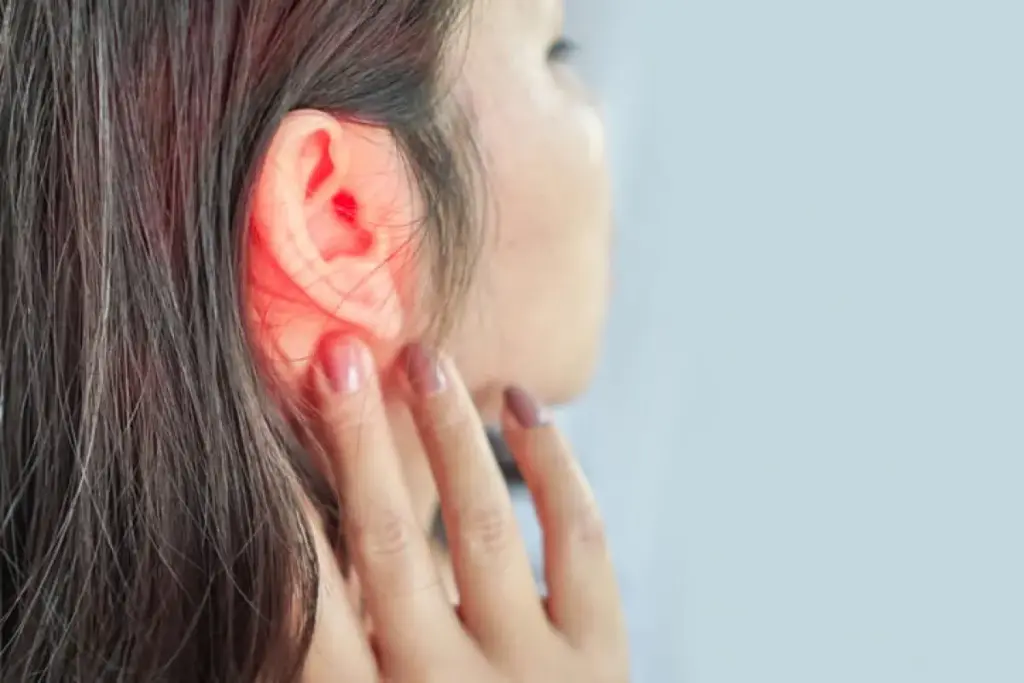
Discovering you have an ear infection during pregnancy can be concerning. It’s important to find treatments that keep you and your baby safe.
Earaches are surprisingly common among expecting mothers. This is due to pregnancy-related hormonal and immune changes. Many pregnant women worry about medication safety. But, there are safe and effective treatments available.
With the right medical advice and trusted healthcare providers, you can manage your condition. This ensures a healthy pregnancy. We know how tough it is to deal with an ear infection during this time. We’re here to offer safe and effective treatment options.
Key Takeaways
- Ear infections are common during pregnancy due to hormonal changes.
- Safe treatment options are available for managing ear infections during pregnancy.
- Proper medical guidance is key for effective treatment.
- Trusted healthcare providers can help ensure a healthy pregnancy.
- Evidence-based treatments can alleviate symptoms and support maternal and fetal health.
Understanding Ear Infections While Pregnant

When you’re pregnant, your body changes a lot. These changes can make you more likely to get ear infections. Your immune system might not work as well, making you more at risk for infections.
Physiological Changes That Increase Vulnerability
Pregnancy brings hormonal shifts, weaker immune function, and more fluid in your body. These factors can cause Eustachian tube dysfunction. This is when the tube that helps with ear pressure gets blocked, leading to infections.
The hormones in pregnancy can also make your mucous membranes more likely to get infected. Plus, your immune system is adjusting to support your growing baby. This adjustment can make you more open to infections, including ear infections.
Common Causes in Early Pregnancy
Ear infections in early pregnancy can come from many sources. Upper respiratory infections and allergies are common culprits. Pregnant women often deal with congestion and sinus pressure, which can cause ear infections.
Other common reasons include:
- Cold or flu
- Allergies
- Sinus infections
For more info on handling ear infections during pregnancy, check out Healthline’s guide on ear infections while pregnant.
| Cause | Effect on Ear | Prevention Strategy |
| Upper Respiratory Infection | Congestion leading to Eustachian tube dysfunction | Practice good hygiene, avoid close contact with infected individuals |
| Allergies | Nasal congestion affecting Eustachian tube function | Manage allergies with pregnancy-safe medications, avoid allergens |
| Sinus Infection | Sinus pressure contributing to ear pain | Use saline nasal sprays, stay hydrated |
Symptoms of Ear Infection While Pregnant

It’s important for pregnant women to know the signs of an ear infection. This is to get treatment quickly. Ear infections, or otitis media, can be very uncomfortable and may cause bigger problems if not treated fast.
Common Physical Symptoms
Ear infections in pregnancy show up in different ways. You might feel sharp, throbbing ear pain, have trouble hearing, or feel like your ear is full. Some women also get dizziness or a fever. These symptoms can make daily life hard.
When Symptoms Require Immediate Attention
Some ear infection symptoms can be managed, but others need quick medical help. If you have severe ear pain, a high fever, hearing loss, or facial weakness, see a doctor right away. Also, if you have persistent dizziness or discharge, go to your healthcare provider fast.
Pregnant women should know these symptoms and talk to their doctor if they happen. Getting help early can stop bigger problems and keep the pregnancy healthy.
Safe Treatment Options for Ear Infections While Pregnant
Ear infections during pregnancy can be managed safely. It’s important to think about the health of both the mother and the baby.
Doctor-Approved Home Remedies
Healthcare providers suggest several home remedies for ear infections during pregnancy. A warm compress on the affected ear can ease pain. Also, resting with your head elevated can help reduce ear pressure.
Using saline ear drops can help clear out debris or excess fluid. But, always check with a healthcare provider before using any ear drops during pregnancy to make sure they are safe.
Pregnancy-Safe Medications
Acetaminophen is often safe for pain relief during pregnancy when taken as directed. Always talk to a healthcare provider before taking any medication. Sometimes, pregnancy-approved antibiotics are needed for bacterial infections.
Prevention Strategies
Preventing ear infections is key, even more so during pregnancy. Keeping ears dry and avoiding objects in the ears helps. Good hygiene and a healthy diet also support ear health.
Knowing safe treatments and prevention methods helps pregnant women manage ear infections. This way, they can avoid complications.
Conclusion
We’ve looked into ear infections during pregnancy. We’ve covered how changes in the body make women more likely to get them. We’ve also talked about common symptoms and safe ways to treat them.
Ear pain in pregnancy is a warning sign of an infection. Pregnant women need to know they’re at risk. If they have ear pain that won’t go away, they should see a doctor right away.
Handling ear infections safely during pregnancy means using doctor-approved home remedies and safe medicines. Knowing the causes and symptoms helps pregnant women prevent problems. This way, they can have a healthy pregnancy.
It’s key to talk to healthcare professionals for the right diagnosis and treatment. With the right care, pregnant women can manage ear infections well. This keeps them and their baby safe and healthy.
FAQ
Are ear infections more common during pregnancy?
While pregnancy itself does not directly cause ear infections, the hormonal changes occurring in the body can make them more likely to happen. Increased levels of estrogen and progesterone can cause the mucous membranes to swell, which may lead to congestion in the Eustachian tubes. This blockage prevents fluid from draining properly from the middle ear, creating an environment where bacteria or viruses can grow more easily.
Can ear infections during pregnancy harm my baby?
Most localized ear infections are not a direct threat to a developing baby because the infection is contained within the ear canal or middle ear. However, if an infection is left untreated and leads to a high fever or spreads to other parts of the body, it can potentially cause complications. The main concern for the baby is usually not the infection itself, but the safety of certain medications used to treat it, which is why consulting a doctor is essential.
What are the symptoms of an ear infection during pregnancy?
Common symptoms include a persistent ache or sharp pain in the ear, a feeling of pressure or fullness, and temporary hearing loss. You might also notice fluid drainage that is clear, yellow, or bloody, and some women experience dizziness or a loss of balance. If the infection is severe, it may be accompanied by a low-grade fever or a headache that focuses around the affected side of the face.
Can I use ear drops while pregnant?
Many over-the-counter and prescription ear drops are considered safe during pregnancy because very little of the medication is absorbed into the bloodstream. However, some drops contain specific steroids or antibiotics that may carry risks, so it is vital to get approval from your obstetrician or a healthcare provider before using them. They will typically recommend drops that are known to have a high safety profile for expectant mothers.
How can I treat an ear infection while pregnant?
Treatment usually starts with identifying whether the infection is in the outer ear or the middle ear. For outer ear infections, a doctor may prescribe safe topical drops, while middle ear infections might require a course of oral antibiotics that are specifically cleared for use during pregnancy. The goal is to clear the infection effectively while choosing the mildest medical intervention possible to protect both the mother and the baby.
Are there any home remedies for ear infections that are safe during pregnancy?
Several gentle home remedies can help manage symptoms, such as applying a warm compress to the outside of the ear to soothe pain and encourage drainage. Sleeping with your head slightly elevated can also help the Eustachian tubes drain more effectively. While some people suggest using olive oil or garlic drops, you should avoid putting any liquid inside the ear without medical advice, especially if there is a chance the eardrum is perforated.
Can ear infections during pregnancy be prevented?
Prevention focuses on managing the nasal congestion and swelling that often accompany pregnancy. Using a saline nasal spray can help keep the nasal passages clear and reduce pressure on the Eustachian tubes. It is also helpful to avoid sticking anything into the ear canal, like cotton swabs, which can cause micro-tears in the skin that allow bacteria to enter and start an infection.
Are there any specific medications that are safe for treating ear infections during pregnancy?
Acetaminophen is generally considered the safest over-the-counter option for managing the pain and fever associated with an ear infection while pregnant. Regarding antibiotics, many penicillins and cephalosporins are commonly used and have a long history of safety in pregnancy. Your doctor will avoid certain classes of antibiotics, like tetracyclines, which are known to interfere with the baby’s development.
How can I manage ear pain during pregnancy?
Managing ear pain involves a combination of safe pain relievers and physical comfort measures. In addition to taking pregnancy-safe medication, you can try gently massaging the area around the ear and jaw to relieve tension. Avoiding sudden changes in air pressure and staying hydrated can also help keep the mucus in your respiratory system thin, which reduces the overall pressure building up behind the eardrum.
References
National Center for Biotechnology Information. Evidence-Based Medical Insight. Retrieved from https://pubmed.ncbi.nlm.nih.gov/18034353/