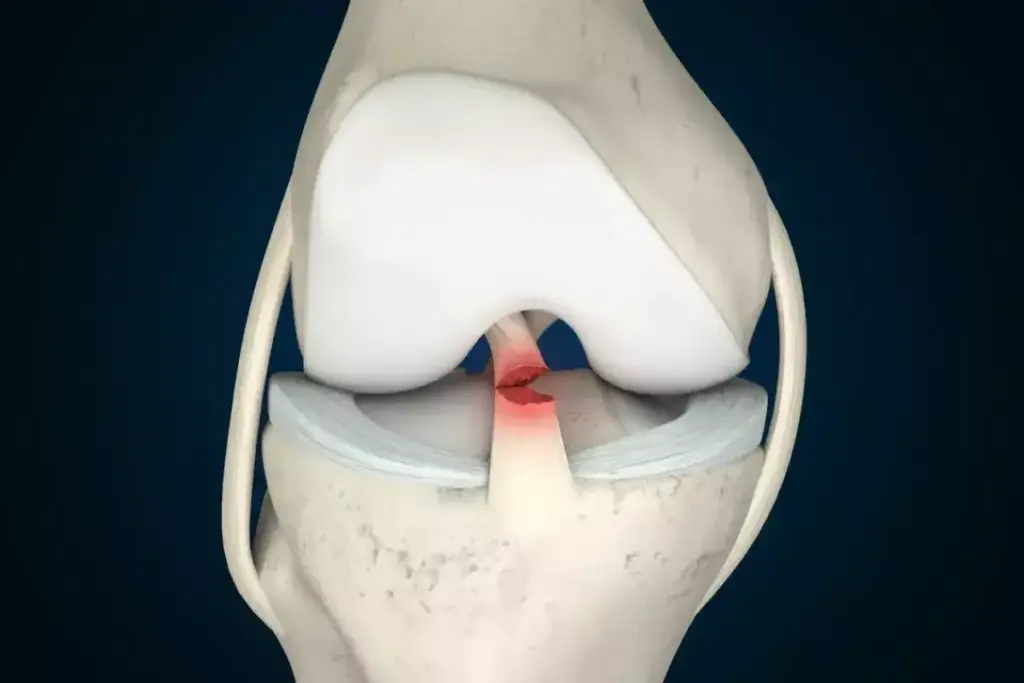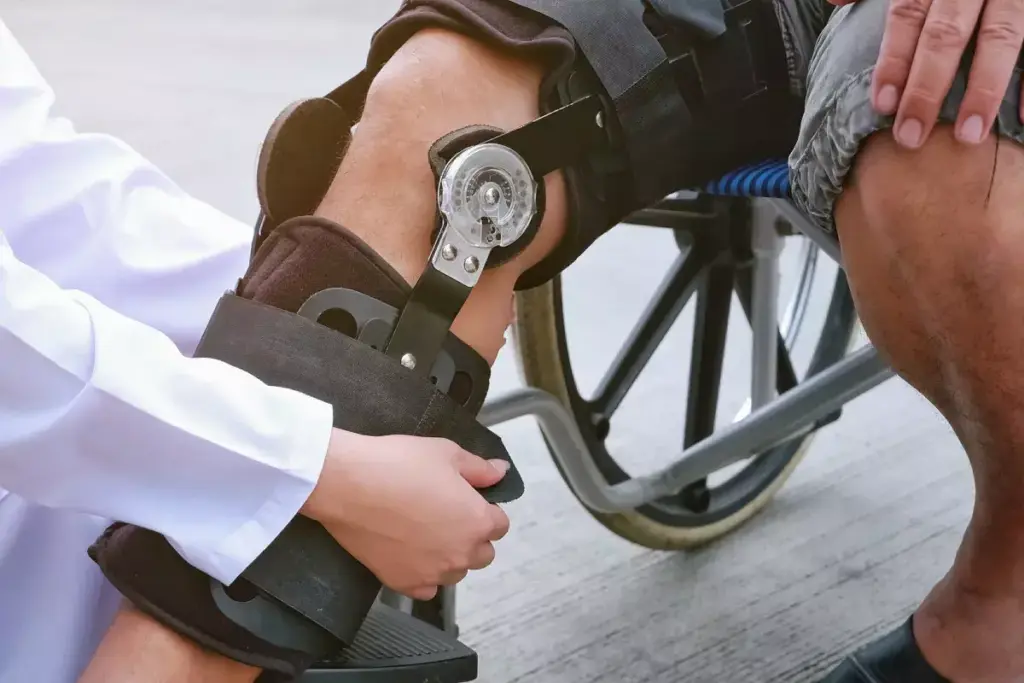
An inside ankle injury can really disrupt your daily life and activities. It often causes pain, swelling, and makes it hard to move. Medial ankle sprains are less common but need more time to heal and proper medical care.
At Liv Hospital, we know how important it is to treat medial ankle sprains right. Our team offers top-notch orthopedic care, following international standards. We use our knowledge to help you recover quickly and well.
Key Takeaways
- Inside ankle injuries need the right medical care to heal well.
- Medial ankle sprains take longer to get better than other ankle injuries.
- Liv Hospital provides detailed, patient-focused orthopedic care.
- The right treatment is key for a fast recovery.
- Having a team of experts is vital for treating complex ankle injuries.
Understanding Inside Ankle Injury Types and Severity

Inside ankle injuries, like medial ankle sprains, need a clear understanding of their types and severity. A medial ankle sprain happens when the ligaments inside the ankle get stretched or torn. This usually occurs from a sudden twist or roll of the ankle.
What Is a Medial Ankle Sprain?
A medial ankle sprain is a specific injury to the ligaments on the inside of the ankle. These ligaments are key for ankle stability. When they get hurt, it can cause pain, swelling, and make walking hard.
Knowing about a medial ankle sprain is important for choosing the right treatment. The injury’s severity can vary. Doctors usually grade it from I to III based on the damage to the ligaments.
Grading System for Inside Ankle Injuries
The grading system for inside ankle sprains helps doctors understand how severe the injury is. The grading system for ankle sprains breaks it down into three levels:
- Grade I: Mild stretching or micro-tears of the ligament, with minimal pain and swelling.
- Grade II: Moderate tearing of the ligament, resulting in more significant pain, swelling, and some loss of function.
- Grade III: Severe tearing or complete rupture of the ligament, leading to substantial pain, swelling, and significant loss of ankle function.
Signs and Symptoms to Watch For
It’s important to know the signs and symptoms of a medial ankle sprain to get the right medical help. Common signs include:
- Pain on the inside of the ankle
- Swelling or bruising around the medial aspect of the ankle
- Difficulty bearing weight on the affected ankle
- Instability or feeling of the ankle “giving way”
Understanding the types and severity of inside ankle injuries helps people manage their recovery better. This way, they can get back to their usual activities sooner.
Immediate Treatment for Inside Ankle Injuries
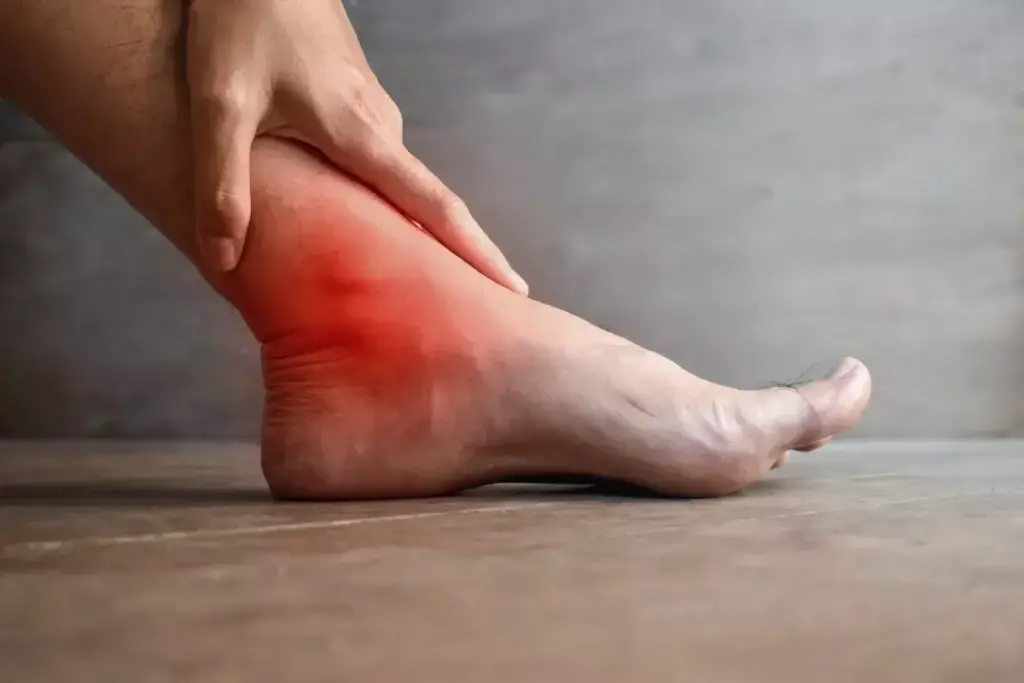
Getting the right treatment for inside ankle injuries early on is key. It helps reduce pain, swelling, and the chance of more harm.
The RICE Protocol: First 24-48 Hours
The RICE method is a top choice for treating ankle sprains. It stands for Rest, Ice, Compression, and Elevation.
- Rest: Stay away from activities that hurt.
- Ice: Ice helps lessen pain and swelling.
- Compression: A bandage can help shrink swelling.
- Elevation: Keep your ankle up to lower swelling.
Using RICE in the first 24-48 hours can greatly help your recovery. As a medical expert says,
Pain Management and Medication Options
Managing pain is vital when treating inside ankle injuries. Over-the-counter NSAIDs like ibuprofen can help with pain and swelling.
Always follow the dosage and talk to a doctor before taking any medication. This is important if you have other health issues.
When Medical Attention Is Necessary
While many ankle injuries can be treated at home, some need a doctor. If you have severe swelling, can’t walk, or see a deformity, get help right away.
Knowing when to seek medical help is important. It can stop more problems and make sure you get the right care. If you’re not sure about your injury, it’s best to see a doctor.
Rehabilitation Process and Timeline
The recovery from inside ankle injuries involves many steps. It uses different methods to help the ankle work right again. This is key to getting better and avoiding more injuries.
Functional Treatment Approaches
Bracing, taping, and physical therapy are used to treat inside ankle injuries. They help keep the ankle stable, ease pain, and improve movement. Bracing gives extra support, taping adds stability, and physical therapy builds strength and flexibility.
It’s important to mix these treatments based on the injury’s severity and the person’s needs. For example, someone with a bad sprain might need more therapy and bracing than someone with a minor one.
Recovery Timeline by Injury Grade
The time it takes to recover from an inside ankle injury depends on how bad it is. Knowing the injury’s grade helps set realistic goals and plan the right treatment.
- Grade 1: Recovery usually takes 1-3 weeks. With the right care, people can get back to normal activities.
- Grade 2: It takes 3-6 weeks to recover from a grade 2 sprain. Therapy will be more intense to build strength and mobility.
- Grade 3: Severe sprains can take months to heal. They often need a lot of therapy and might even need surgery.
Progressive Exercises for Strength and Mobility
Progressive exercises are key in rehab. They help strengthen the ankle and improve its movement. These exercises should get harder as the ankle gets better.
- First, simple ankle rotations and toe raises are done.
- As you get better, single-leg balances and heel walks are added.
- Later, agility drills and sports-specific training help you safely get back to activities.
By sticking to a structured rehab plan, people can fully recover. This also helps prevent future ankle injuries.
Conclusion
Recovering from an inside ankle injury, like a medial ankle sprain, needs a full treatment plan. This includes quick care, rehab, and ongoing management to avoid future problems.
Following the RICE protocol and managing pain well helps recovery. It also lowers the chance of long-term damage. Knowing the different types and how severe an injury is is key for the right treatment and recovery.
Getting medical help when needed and joining a good rehab program is important. This includes exercises that build strength and improve mobility. It helps people get better from inside ankle injuries and go back to their usual activities.
Good recovery from inside ankle injuries comes from a mix of immediate care, rehab, and ongoing care. By using a complete approach to treat medial ankle sprains, people can lower the risk of future issues and get the best results.
FAQ
What is a medial ankle sprain?
A medial ankle sprain is an injury on the inside of the ankle. It happens when the ligaments stretch or tear. This usually occurs from a sudden twist or roll of the ankle.
How do I treat an inside ankle injury immediately after it happens?
Right after an inside ankle injury, follow the RICE method. This means rest, ice, compression, and elevate the ankle. It helps reduce pain and swelling.
What are the signs and symptoms of a severe inside ankle injury?
Severe injuries show a lot of swelling, can’t bear weight, and have visible deformity. They also cause intense pain. You should see a doctor right away.
How long does it take to recover from a medial ankle sprain?
The recovery time for a medial ankle sprain depends on the injury’s severity. More serious injuries take longer to heal.
What is the role of physical therapy in recovering from an inside ankle injury?
Physical therapy is key in getting better. It helps improve ankle function and prevents future problems. It uses exercises to build strength and mobility.
How can I manage pain after an inside ankle injury?
To manage pain, you can use over-the-counter NSAIDs. But always follow the dosage instructions. If you have concerns, talk to a healthcare professional.
What are the different grades of inside ankle injuries?
Inside ankle injuries are graded by severity. Higher grades mean more damage and longer healing times.
Can I continue with my daily activities after an inside ankle injury?
It’s important to rest your ankle and avoid activities that make it worse. As it heals, you can slowly go back to your daily routine.
How do I know if I need medical attention for my inside ankle injury?
If you have severe swelling, can’t bear weight, or see a deformity, seek medical help. Also, if your symptoms get worse, get medical attention.
References
National Center for Biotechnology Information. Evidence-Based Medical Insight. Retrieved from https://pubmed.ncbi.nlm.nih.gov/29386232/